What this problem looks like
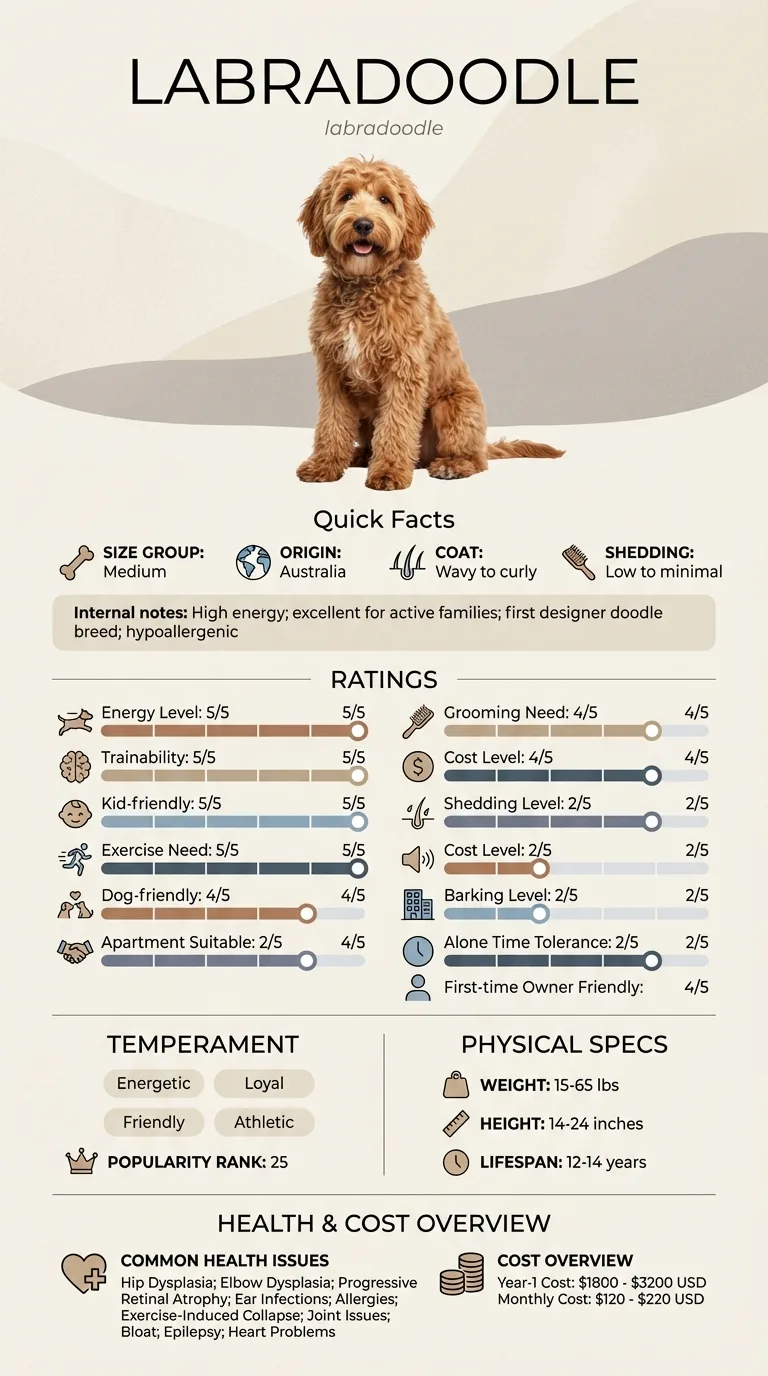
Labradoodle anesthesia sensitivity refers to a dog's heightened reaction to anesthetic drugs. This can manifest as prolonged recovery times, excessive sedation, or even adverse reactions during or after procedures. This sensitivity can be particularly concerning during routine procedures like spaying or dental cleanings, making it essential for owners to be aware of their Labradoodle's unique needs.
Common triggers
- Genetic predisposition to anesthesia sensitivity
- Previous reactions to anesthetics
- Underlying health conditions affecting drug metabolism
- Stress or anxiety leading to exaggerated responses
Anesthesia sensitivity is not uncommon in Labradoodles. While many Labradoodles can tolerate anesthesia well, some may experience sensitivity issues. It's important for owners to discuss any concerns with their veterinarian before surgical procedures.
Ben and His Anxious Labradoodle, Max
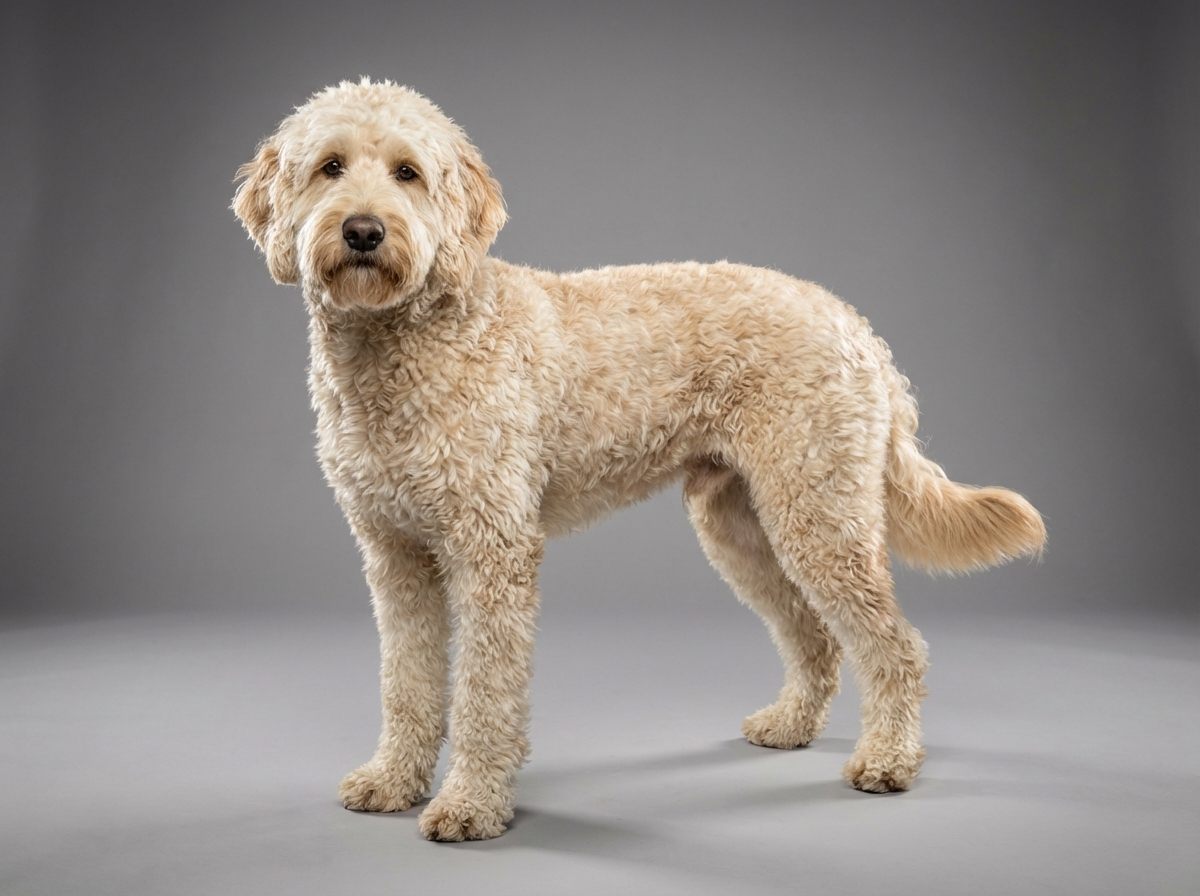
Ben, a busy nurse in Seattle, noticed that Max, his 3-year-old Labradoodle, became extremely anxious during vet visits. Every time Max had to go under anesthesia for routine procedures, he would panic, making the experience stressful for both of them. Ben decided to work on Max's anxiety using gradual desensitization techniques, rewarding him for calm behavior in the vet’s office. They spent weeks visiting the clinic without any procedures, just to socialize and build positive associations. After about six weeks, Max was noticeably more relaxed, and even wagged his tail when they arrived for his next appointment.
Key takeaway: With patience and training, you can help your Labradoodle manage anesthesia sensitivity, making vet visits easier and less stressful.