DogBreedCompass
← Back to breed profile

Poodle Anesthesia Sensitivity: What You Need to Know

Poodle anesthesia sensitivity can be a serious concern for dog owners. It refers to an adverse reaction to anesthetic drugs that can complicate surgeries or procedures.

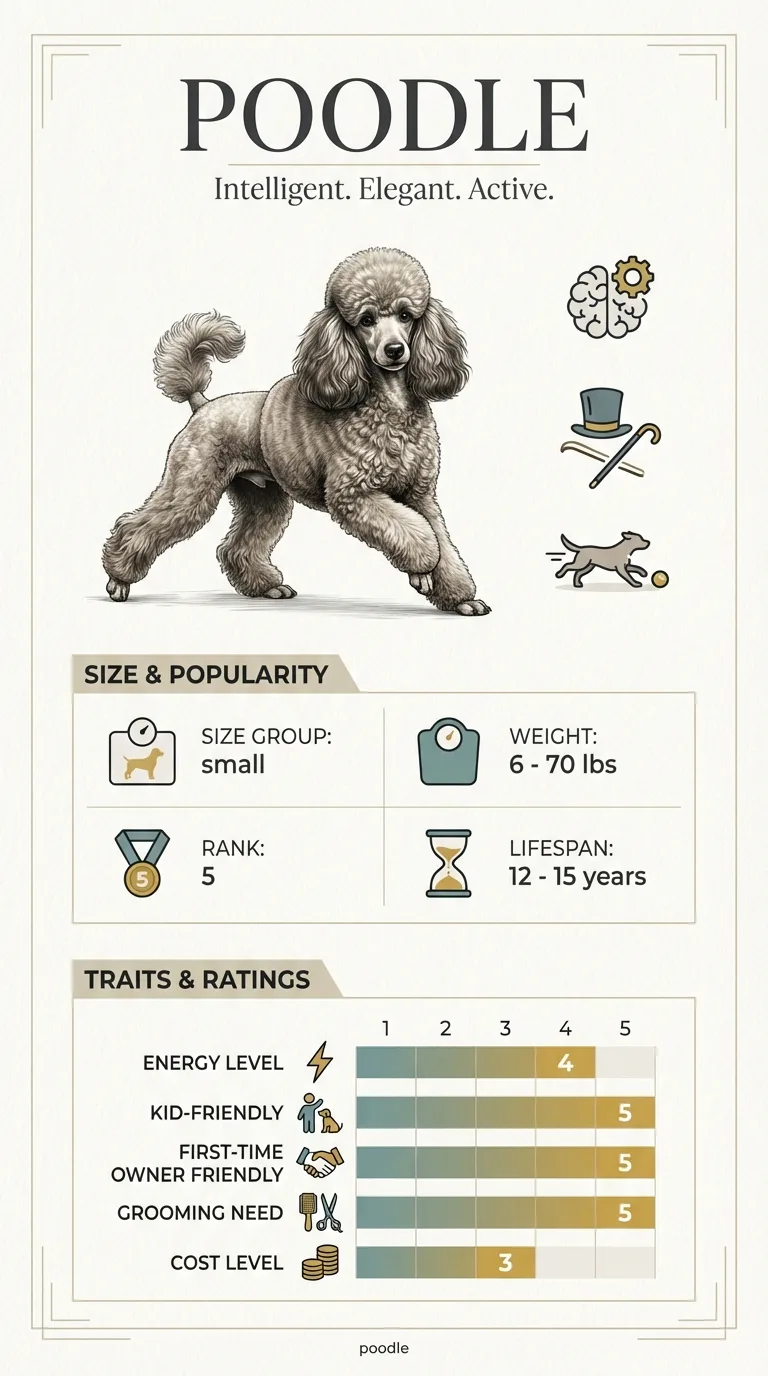
Poodle Anesthesia Sensitivity: What You Need to Know infographic

Owners of Poodles, especially first-time dog owners, may struggle with this issue. It's particularly concerning for those who have to schedule surgeries or dental cleanings, as it adds an extra layer of anxiety.

Important reminder

This guide is not medical advice. If your dog shows pain, sudden behavior change, or worsening symptoms, consult a licensed veterinarian.

Some links may be affiliate links. We may earn a commission at no extra cost to you. We only suggest products we believe are helpful for dog owners.

What this problem looks like

Poodle anesthesia sensitivity is a condition where Poodles react adversely to anesthetic drugs. This sensitivity can lead to prolonged recovery times or unexpected side effects during and after surgical procedures. Owners may notice their Poodle appears more lethargic or disoriented than usual after anesthesia, which can be concerning.

Common triggers

  • Genetics, as some Poodles may inherit a predisposition to anesthesia sensitivity.
  • Certain medical conditions that affect metabolism or drug processing.
  • The type and dosage of anesthetic used, which can vary based on the procedure.

Anesthesia sensitivity is not extremely common in Poodles, but it's important for owners to be aware. Some sources suggest that around 5-10% of Poodles may experience sensitivity, making it a notable concern for potential surgeries.

Why this happens

Breed factors

Poodles may have anesthesia sensitivity due to their unique genetic makeup. This breed is known for its intelligence and elegance, but some individuals can react differently to anesthetic drugs, which may cause complications during veterinary procedures.

Environment factors

Environmental factors also play a role. Stressful situations, such as a new environment or changes in routine, can increase anxiety levels in Poodles. Higher anxiety can exacerbate their sensitivity to anesthesia.

What you can try

At-home strategies

  • Create a calm environment: Ensure your Poodle has a quiet, comfortable space at home. Use soft bedding and minimize loud noises to help reduce anxiety.
  • Introduce positive experiences: Gradually expose your Poodle to the vet's office or similar environments. Bring treats and use praise to create positive associations.
  • Practice relaxation techniques: Use gentle massage or calming music to help your Poodle relax. This can lower anxiety levels before visits to the vet.

When to consider a trainer

If your Poodle's anxiety is severe or doesn't improve with at-home strategies, consider hiring a professional trainer. A trainer can provide tailored techniques to help your dog cope with anxiety and anesthesia sensitivity.

When to talk to your vet

It's important to consult your vet if you suspect your Poodle has anesthesia sensitivity. They can evaluate your dog's health and recommend appropriate testing or modified anesthesia protocols to ensure safety during procedures.

Realistic expectations

You may start seeing improvements in your Poodle's response to anesthesia within 4 to 6 weeks of implementing training and desensitization techniques, but full acclimatization can take several months.

Success means your Poodle becomes more relaxed and less reactive to the veterinary environment, allowing for smoother vet visits and procedures.

Mistakes that make this worse

Avoiding common pitfalls can help manage Poodle anesthesia sensitivity more effectively. Here are some mistakes to steer clear of and safer alternatives to consider.

  • Ignoring Pre-Procedure Advice: Sometimes owners overlook the vet's instructions before a procedure. Always follow pre-anesthesia guidelines closely to minimize risks.
  • Not Disclosing Medical History: Failing to inform the vet about your Poodle's previous reactions to anesthesia can be detrimental. Always provide full medical history to ensure the best care.
  • Neglecting Weight Management: Overweight Poodles may face higher anesthesia risks. Maintain a healthy diet and weight to support overall health.
  • Skipping Follow-Up Appointments: Many owners think one visit is enough. Regular follow-ups help monitor your Poodle's recovery and adjust care as needed.
  • Using Home Remedies: Some may try unverified home treatments to alleviate sensitivity. Stick with vet-recommended approaches for safety and effectiveness.
  • Not Preparing for Recovery: Owners often underestimate the importance of a calm recovery environment. Create a quiet space for your Poodle to recover comfortably.
  • Overlooking Stress Management: Stress can worsen anesthesia sensitivity. Use calming techniques like gentle handling and familiar items to ease anxiety.

When Poodle Anesthesia Sensitivity is an Emergency

Recognizing when your Poodle's anesthesia sensitivity is an emergency can save their life. Certain red flags indicate that you should call your vet immediately. If your Poodle shows signs of severe distress, such as excessive panting, difficulty breathing, or collapse after anesthesia, these are critical symptoms. Additionally, if your dog experiences prolonged lethargy or unresponsiveness, contact your veterinarian right away.

On the other hand, some cases are less urgent and can be monitored at home. Mild symptoms like slight disorientation, temporary nausea, or mild shaking can often be watched with a plan. If your Poodle shows these signs but remains alert and responsive, it’s usually safe to wait for a day or two while keeping a close eye on their behavior.

Always trust your instincts as a pet owner. If you feel something is off, it’s better to err on the side of caution. A quick call to your vet can provide clarity and peace of mind. Remember, being aware of how your Poodle reacts to anesthesia is important for their long-term health.

Poodle Anesthesia Sensitivity: What You Need to Know - When Poodle Anesthesia Sensitivity is an Emergency

Training Bella to Overcome Anesthesia Sensitivity

When Sarah, a first-time dog owner, noticed that her Poodle Bella was extremely anxious during vet visits, she realized they needed help. Bella would whine and shake when anesthesia was mentioned, making vet visits stressful for both of them. After researching, Sarah learned about desensitization training. She started by introducing Bella to the vet clinic environment without any procedures, rewarding her with treats and praise. Gradually, Bella became more comfortable, and during her next visit, she was much calmer. Although Bella still needed some support, Sarah felt more confident taking her to the vet.

Key takeaway: Gradual exposure and positive reinforcement can help Poodles manage anesthesia sensitivity, making vet visits less stressful.

Frequently asked questions

Why does my Poodle have anesthesia sensitivity?

Poodles can have anesthesia sensitivity due to genetic factors or previous reactions to anesthetic drugs. It's essential to inform your vet about any history of sensitivity before procedures. Regular check-ups can help identify any underlying health issues.

How can I manage my Poodle's anesthesia sensitivity?

Managing Poodle anesthesia sensitivity involves thorough pre-surgery evaluations. Your veterinarian may suggest alternative anesthetic agents or special monitoring during procedures. Always discuss your Poodle’s specific needs with the vet ahead of time.

What signs indicate anesthesia sensitivity in Poodles?

Signs of anesthesia sensitivity can include prolonged recovery time, unusual behavior post-surgery, or adverse reactions such as vomiting. If you notice any of these symptoms, contact your vet immediately for advice.

Can training help with my Poodle's anesthesia sensitivity?

While training cannot eliminate anesthesia sensitivity, it can help your Poodle cope with vet visits. Desensitization techniques, such as positive reinforcement when visiting the vet, can create a more relaxed experience. Consult a professional trainer for tailored strategies.

Are there specific anesthetics safer for Poodles?

Some anesthetics are considered safer for Poodles due to their metabolic rates. Your vet can recommend options based on your dog's health history and specific needs. Always follow their guidance for the best outcomes.

What causes anesthesia sensitivity in Poodles?

Poodles may have anesthesia sensitivity due to genetic factors or underlying health conditions. Their unique metabolism can affect how they process anesthetic drugs, making them more susceptible to adverse reactions.

How can I prepare my Poodle for surgery if they have anesthesia sensitivity?

Consult your veterinarian about your Poodle's anesthesia sensitivity before scheduling surgery. They may recommend specific pre-surgical tests or alternative anesthetic options that are safer for your dog.

Are older Poodles more likely to experience anesthesia sensitivity?

Yes, older Poodles can be at a higher risk for anesthesia sensitivity. As they age, their organ function may decline, making it important to have thorough wellness checks and consult your vet about any signs of sensitivity.

What should I do if my Poodle has a bad reaction to anesthesia?

If your Poodle experiences any adverse reactions to anesthesia, contact your veterinarian immediately. Symptoms may include prolonged lethargy, difficulty breathing, or unusual behavior, and prompt attention is crucial.

Can Poodle anesthesia sensitivity be managed with training?

While training cannot eliminate anesthesia sensitivity, it can help your Poodle manage anxiety related to vet visits. Techniques like desensitization and positive reinforcement can create a more relaxed experience for your dog.

Quick answers

View more answers
Behavior

What are quick tips for Poodle anesthesia sensitivity?

Always inform your vet about any past anesthesia reactions. Ensure your Poodle undergoes a thorough health check before any procedures. Discuss alternative anesthetic options with your veterinarian.

Living

How can I prepare my Poodle for surgery?

Prepare your Poodle by keeping them calm and relaxed before the surgery. A familiar toy or blanket can provide comfort. Follow the vet’s pre-surgery instructions closely.

Health

Should I be worried if my Poodle has anesthesia sensitivity?

Sensitivity to anesthesia can be concerning, but with proper communication and planning with your vet, many Poodles have safe and successful surgeries. Always address your concerns with your veterinarian.

Training

Can I train my Poodle to be less anxious about vet visits?

Yes, training can help reduce anxiety at the vet. Use positive reinforcement and gradual exposure techniques to create a more positive association with vet visits.

Related DogBreedCompass guides

  • Poodle behavior problemsLearn about managing Poodle behavior challenges, including anesthesia sensitivity.
  • how to stop Poodle anesthesia sensitivityDiscover effective training techniques to reduce anesthesia sensitivity in Poodles.
  • Poodle cost breakdownUnderstand the costs associated with owning a Poodle, including health considerations.
  • Poodle separation anxiety guideFind helpful strategies and tools for managing separation anxiety in Poodles.
  • Poodle health issuesExplore common health issues in Poodles to be aware of before bringing one home.

Related guides