What this problem looks like
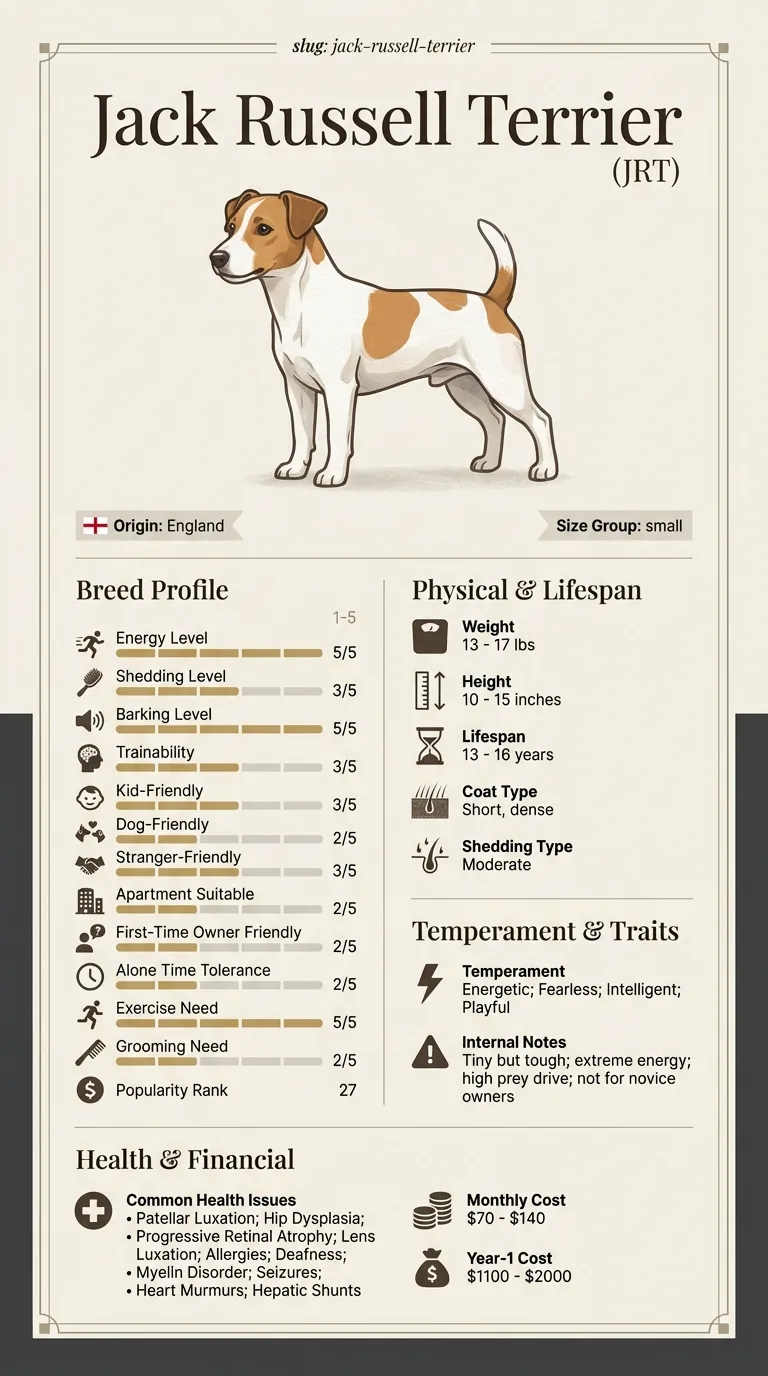
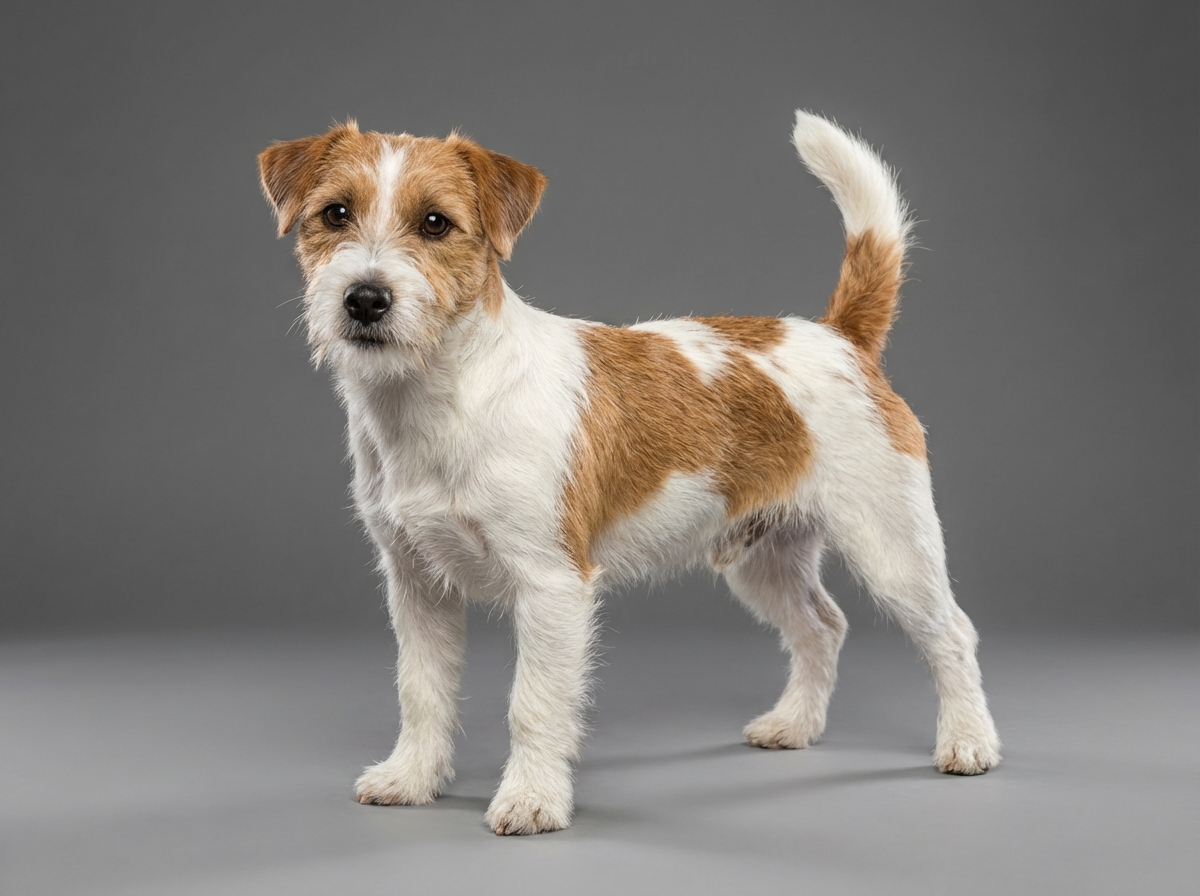
Jack Russell Terrier anesthesia sensitivity can cause significant stress for both the dog and its owner. These small but energetic dogs may react unpredictably to anesthetic drugs, leading to complications during routine procedures. This sensitivity often manifests as prolonged recovery times or adverse effects, which can be alarming for pet parents.
Common triggers
- Genetic predisposition to anesthesia sensitivity
- Certain health conditions that may exacerbate reactions
- Age-related factors affecting metabolism of anesthetics
Anesthesia sensitivity is relatively common in Jack Russell Terriers, with some estimates suggesting that around 10-20% may experience some level of sensitivity. This breed's unique physiology can make them more vulnerable to the effects of anesthesia, highlighting the importance of thorough pre-anesthetic evaluations.
A Nurse's Journey with Her JRT's Anesthesia Sensitivity
Sarah, a busy nurse in Seattle, adopted a Jack Russell Terrier named Max. After a routine dental cleaning, Max had an unexpected reaction to anesthesia, leaving Sarah worried about future vet visits. Determined to help her furry friend, she consulted a veterinary behaviorist and started a training program focused on desensitization. Over a few months, Sarah worked on calming techniques and gradually exposed Max to the vet environment. With patience and consistent practice, Max learned to feel more comfortable at the vet, allowing him to receive necessary care with much less stress.
Key takeaway: With the right training and support, you can significantly improve your Jack Russell Terrier's response to anesthesia, ensuring their comfort during medical procedures.