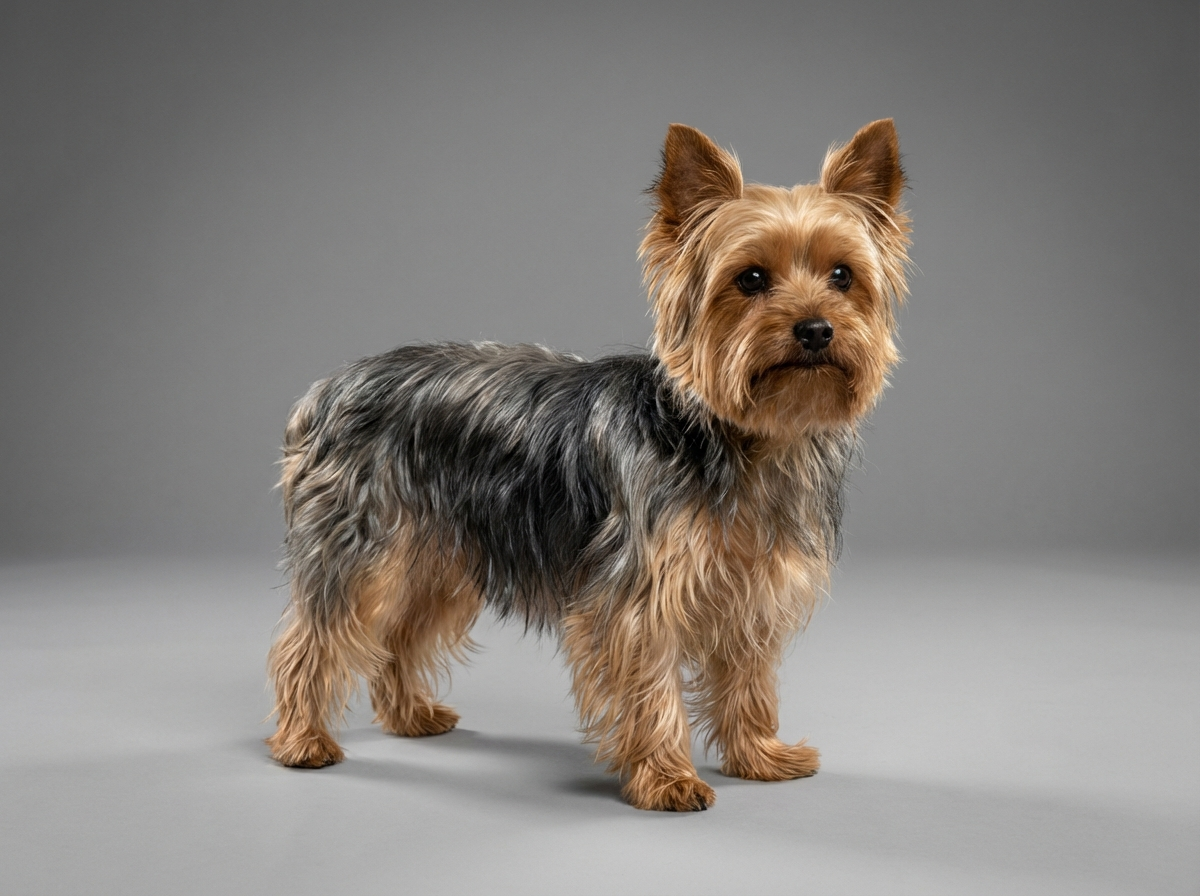
Understanding Yorkshire Terrier Anesthesia Sensitivity
Yorkshire Terrier anesthesia sensitivity can be a serious concern for pet owners. It's crucial to understand how this sensitivity affects your dog's health during surgeries or procedures.

What you can try
- Create a calm environment at home. Use soft music or white noise to reduce stress during recovery.
- Prioritize regular vet check-ups to monitor your Yorkie's health, especially dental and respiratory issues.
- Consider desensitization techniques. Gradually expose your dog to the vet's office and equipment to reduce anxiety during visits.
Mistakes that make this worse
Avoiding certain behaviors can help your Yorkshire Terrier manage anesthesia sensitivity better. Here are some common mistakes to steer clear of.
- Ignoring veterinary advice: Sometimes, owners may overlook their vet's recommendations regarding anesthesia or pre-surgery preparations. Always follow your vet's instructions to ensure your Yorkie's safety.
- Delaying necessary dental care: Yorkshire Terriers often face dental issues. Neglecting dental health can lead to complications that may require anesthesia. Regular dental check-ups can help prevent this.
- Not providing a calm environment: Stress can exacerbate anesthesia sensitivity. Creating a peaceful space for your Yorkie before procedures can help keep anxiety levels down.
- Overlooking health issues: If your Yorkie shows signs of illness, don't wait to seek help. Conditions like hypoglycemia or dental disease can increase anesthesia risks. Early veterinary intervention can mitigate these risks.
- Failing to communicate with your vet: Not sharing your Yorkie's medical history can lead to unsuitable anesthesia choices. Always inform your vet about previous reactions or sensitivities.
- Skipping pre-anesthesia testing: Some owners may not see the need for blood tests before anesthesia. These tests can reveal underlying health issues. Don't skip them; they can lead to safer anesthesia administration.
- Rushing recovery time: After anesthesia, some owners may rush their Yorkie to resume normal activities. Allowing adequate recovery time is crucial for their health and safety.
When Yorkshire Terrier Anesthesia Sensitivity is an Emergency
Recognizing when anesthesia sensitivity in your Yorkshire Terrier is an emergency can be crucial. If your Yorkie shows signs of severe distress, such as excessive drooling, difficulty breathing, or unresponsiveness after anesthesia, contact your vet immediately. These symptoms indicate that your pet could be experiencing a serious reaction and needs urgent care.
On the other hand, if your Yorkshire Terrier appears slightly groggy or disoriented but is still responsive, you may not need to panic. Monitoring your dog for the next 24 hours is key. Look for mild signs like occasional whining or a bit of lethargy, which can be normal post-anesthesia.
Ensure your pup is resting comfortably, drinking water, and not showing signs of pain.
Keep in mind, it's important to have a plan for both situations. If you're ever unsure, err on the side of caution and consult your veterinarian. They can provide guidance specific to your dog's health history and needs.


Frequently asked questions
Why does my Yorkshire Terrier have anesthesia sensitivity?
Yorkshire Terriers may have anesthesia sensitivity due to their small size or specific health issues. Genetic predispositions can also play a role, making them more susceptible to adverse reactions during procedures. It's essential to discuss any concerns with your vet before anesthesia.
How can I tell if my Yorkie is sensitive to anesthesia?
Signs of anesthesia sensitivity may include prolonged recovery times, unusual behavior post-surgery, or adverse reactions during procedures. Keep an eye on your Yorkshire Terrier's response to anesthesia in the past, and discuss any odd patterns with your veterinarian.
What steps can I take to prepare my Yorkshire Terrier for anesthesia?
Before surgery, ensure your Yorkie is healthy and up-to-date on vaccinations. Discuss their medical history with your vet, and consider pre-surgical blood tests to assess their health. Ensure your dog is well-hydrated and follows fasting instructions prior to the procedure.
How can I stop Yorkshire Terrier anesthesia sensitivity?
While you can't eliminate anesthesia sensitivity, you can minimize risks. Work with a vet experienced in treating small breeds and consider using alternative anesthetic protocols. Always monitor your dog's health closely, especially if they have a history of reactions.
What should I do if my Yorkshire Terrier has an adverse reaction to anesthesia?
If your Yorkie experiences an adverse reaction, contact your vet immediately. Symptoms may include excessive drooling, lethargy, or difficulty breathing. Timely intervention is crucial to ensure their safety and well-being.
Can Yorkshire Terrier anesthesia sensitivity be trained out?
Anesthesia sensitivity isn't something that can be trained away, as it's often linked to genetics or health conditions. However, you can work with your vet to create a tailored plan that considers your dog's specific needs during anesthesia.
What resources are available for Yorkshire Terrier anesthesia sensitivity training?
Look for veterinarians who specialize in small breeds or anesthesia sensitivity. You can also find online courses or materials focused on managing behavior and anxiety around veterinary visits, which can help your Yorkie feel more comfortable.
What should I do if my Yorkshire Terrier experiences anesthesia sensitivity?
If your Yorkshire Terrier shows signs of anesthesia sensitivity, it's crucial to consult your veterinarian immediately. They may recommend alternative anesthesia options or conduct further tests to ensure your pup's safety during procedures.
How can I prepare my Yorkshire Terrier for surgery if they have anesthesia sensitivity?
Preparation for surgery in a Yorkshire Terrier with anesthesia sensitivity includes discussing all health issues with your vet. They might suggest pre-surgery exams and specific protocols to minimize risks during anesthesia.
Are older Yorkshire Terriers more prone to anesthesia sensitivity?
Yes, older Yorkshire Terriers may be more susceptible to anesthesia sensitivity. As dogs age, their organs may not function as efficiently, increasing the risk of adverse reactions to anesthesia.
How can I train my Yorkshire Terrier to be calmer during vet visits?
Training your Yorkshire Terrier to be calm during vet visits can involve desensitization techniques. Gradually introduce them to the vet's office and reward them for calm behavior to help reduce anxiety.
Can anesthesia sensitivity in Yorkshire Terriers be hereditary?
There is some evidence that anesthesia sensitivity can be hereditary in Yorkshire Terriers. If you suspect this issue in your dog, discussing their family history with your vet can provide insights and help in managing their care.