Behavior
What are some quick tips for managing Great Dane anesthesia sensitivity?
Consult your vet about tailored anesthesia plans and pre-surgical tests. Always monitor your dog post-anesthesia for any unusual signs.

Quick answer
What are some quick tips for managing Great Dane anesthesia sensitivity?
Consult your vet about tailored anesthesia plans and pre-surgical tests. Always monitor your dog post-anesthesia for any unusual signs.
Great Dane anesthesia sensitivity can be a serious concern for owners, especially during surgeries or veterinary procedures. This sensitivity means that these gentle giants may react poorly to anesthesia, leading to complications.
Typically, owners of Great Danes, especially first-time dog owners, may struggle with this problem. They often worry about their dog's safety during vet visits and surgical procedures, especially if their pet has a history of sensitivity.
This guide is not medical advice. If your dog shows pain, sudden behavior change, or worsening symptoms, consult a licensed veterinarian.
Some links may be affiliate links. We may earn a commission at no extra cost to you. We only suggest products we believe are helpful for dog owners.
We research and check what we publish, but we do not warrant that any figure, date, price, or statement is accurate, complete, or current, and we accept no liability for any loss, cost, injury, or other harm arising from the use of this site. Use it as one reference among several. You remain responsible for your own decisions and for your dog's care - confirm anything that matters with a licensed veterinarian or another qualified professional before you act on it. Full disclaimer.
Check this first
Understanding when Great Dane anesthesia sensitivity becomes an emergency is crucial for your dog's health. This sensitivity can lead to serious complications if not addressed promptly. Here are some red-flag signs that mean you should call your vet immediately:
- Difficulty breathing or gasping for air - Extreme lethargy or unresponsiveness - Persistent vomiting or diarrhea - Seizures or unusual tremors - Rapid heart rate or excessive panting
If your Great Dane shows any of these symptoms, don’t wait. Seek veterinary help right away. These signs indicate that your dog may be experiencing severe reactions to anesthesia or other underlying health issues that need immediate attention.
On the other hand, there are situations where you can monitor your Great Dane at home. If your dog experiences mild symptoms such as temporary disorientation, light sedation, or slight vomiting after anesthesia, you may not need to panic. In these cases, keep a close eye on your dog and ensure they are comfortable. Here’s how to manage milder cases:
- Provide a quiet, comfortable space for recovery. - Monitor their eating and drinking habits. - Keep them hydrated and encourage gentle movement as they recover.
By distinguishing between emergency and mild cases, you'll be better prepared to care for your Great Dane. Always trust your instincts; if you're ever unsure, it’s best to consult your vet. Your dog's health and safety should always come first.
If any of these apply, call your vet or an emergency clinic now. The rest of this page is for the cases that are not an emergency.
Great Dane anesthesia sensitivity is a serious concern for this breed. These gentle giants can react poorly to anesthetic drugs, which may lead to complications during surgeries or medical procedures. Owners often notice that their Great Danes may take longer to recover from anesthesia compared to other breeds, making it essential to be vigilant during vet visits.
Anesthesia sensitivity is relatively common in Great Danes due to their size and unique physiology. Many owners report experiences with this issue, particularly as their dogs age or face medical treatments. It's crucial for owners to inform their veterinarians about any past reactions to anesthesia.
Great Danes are a giant breed, and their size can affect how they metabolize anesthetic drugs. They may require different dosages than smaller dogs, making them more sensitive to anesthesia. Additionally, their common health issues, such as heart problems, can complicate anesthesia use.
Stressful environments, such as loud noises or unfamiliar places, can increase a Great Dane's anxiety. If they have had negative experiences with anesthesia or veterinary visits, this can lead to heightened sensitivity. A lack of proper socialization may also contribute to anxiety during procedures.
If you notice extreme reactions to anesthesia or if your dog has underlying health issues, it's crucial to talk to your vet. They can provide specific guidance and potentially adjust anesthesia protocols based on your dog's unique needs.
Avoiding common pitfalls can greatly help manage your Great Dane's anesthesia sensitivity. Here are some mistakes to steer clear of, along with safer alternatives.
Start here: Great Dane Most Common Genetic Disorders: What to Screen For
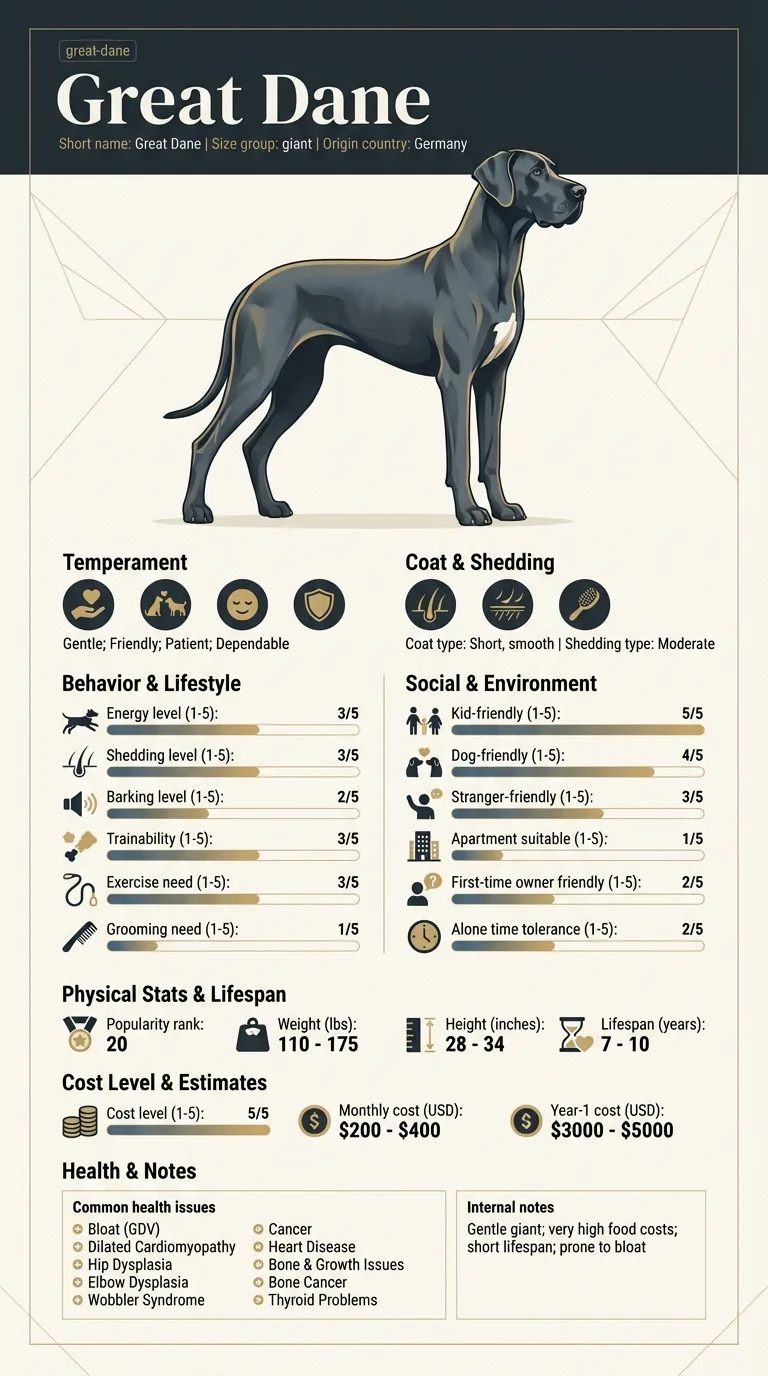
See all Great Dane health problems, which breeds are prone to anesthesia sensitivity, or the full Great Dane breed guide for temperament, exercise needs and ownership costs.
Within 1 to 3 months of consistent care and vet consultations, you should see noticeable improvements in your Great Dane's reaction to anesthesia.
Success means your Great Dane can handle necessary procedures with reduced anxiety and a more stable response to anesthesia, allowing for safer veterinary visits.
When Sarah, a first-time Great Dane owner in Dallas, learned that her beloved dog, Max, had a sensitivity to anesthesia, she was understandably worried. After experiencing a stressful vet visit where Max reacted poorly to anesthetic drugs, Sarah sought advice online and discovered training strategies that could help. Over the next two months, she worked with a local trainer who specialized in anxious dogs and consulted her vet about alternative sedation options. Through patience and consistent training, Max gradually became more comfortable with the vet environment, making future visits much smoother.
Key takeaway: With the right training and communication with your vet, you can help your Great Dane manage anesthesia sensitivity effectively.
Great Danes can be sensitive to anesthesia due to their large size and specific health issues. These may include heart conditions or respiratory challenges that can complicate anesthesia administration. Always consult your vet to understand your dog's unique health profile.
To manage Great Dane anesthesia sensitivity, work closely with your veterinarian. They may recommend pre-anesthetic blood tests to assess health risks and tailor the anesthesia plan to minimize potential complications.
Signs of anesthesia sensitivity in Great Danes can include prolonged recovery time, difficulty breathing, or unusual behavior post-surgery. If your dog shows any of these symptoms, contact your vet immediately.
Before surgery, ensure your Great Dane has undergone a thorough health evaluation. Discuss any concerns about anesthesia sensitivity with your vet, and follow pre-surgery instructions closely to prepare your dog.
While training can't eliminate anesthesia sensitivity, it can help reduce anxiety around vet visits. Teaching your Great Dane to remain calm during exams or procedures may make the overall experience less stressful.
Some procedures may allow for sedation instead of full anesthesia, which could be safer for sensitive Great Danes. Discuss these options with your vet to determine what’s best for your dog's specific needs.
If your Great Dane shows excessive lethargy, confusion, or difficulty recovering from anesthesia, these may be signs of anesthesia sensitivity. It's essential to monitor their behavior closely after any procedure requiring anesthesia.
Before any procedure, consult with your vet about your Great Dane's anesthesia sensitivity. They may recommend special monitoring or alternative medications to ensure a safer experience.
While some health issues can be hereditary, anesthesia sensitivity is not solely genetic. Factors like weight, age, and overall health can also play significant roles in how a Great Dane reacts to anesthesia.
Yes, older Great Danes tend to have a higher risk of anesthesia sensitivity due to age-related health issues. It's crucial to discuss any concerns with your veterinarian to modify their anesthesia plan if needed.
If your Great Dane has a bad reaction post-anesthesia, contact your vet immediately. They can assess the situation and provide the necessary care to address any complications or discomfort your dog may be experiencing.
Consult your vet about tailored anesthesia plans and pre-surgical tests. Always monitor your dog post-anesthesia for any unusual signs.
Ensure your Great Dane is healthy and follows any fasting instructions. A calm dog is easier to manage, so practice relaxation techniques ahead of time.
Anesthesia costs for Great Danes can vary widely, ranging from $200 to $500 or more depending on the complexity of the procedure. Discuss costs with your vet beforehand.
A one-page prep sheet for this condition: the signs, the questions to ask, what to get priced. Unlocks here.
You get: Vet visit prep sheet
No spam. One-click unsubscribe. See our privacy policy.
Preview page 1 before you decide.