DogBreedCompass
← Back to breed profile

Understanding Miniature Schnauzer Anesthesia Sensitivity

Miniature Schnauzer anesthesia sensitivity can be a serious concern for owners planning surgeries or dental work. This issue involves a heightened reaction to anesthetic drugs.

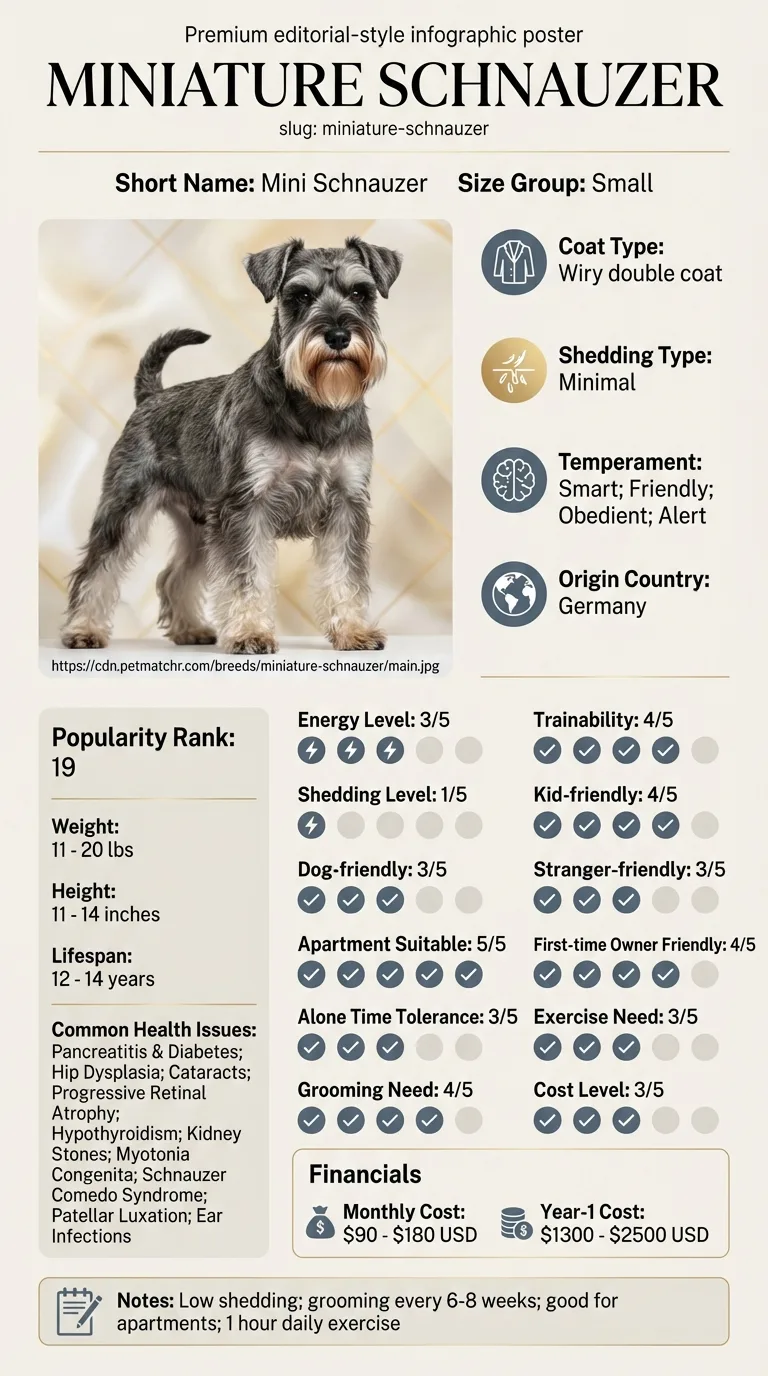
Understanding Miniature Schnauzer Anesthesia Sensitivity infographic

Many Miniature Schnauzer owners, especially those with dogs facing surgeries or dental care, struggle with anxiety about anesthesia sensitivity. First-time owners or those unfamiliar with the breed's health risks may find this particularly challenging.

Important reminder

This guide is not medical advice. If your dog shows pain, sudden behavior change, or worsening symptoms, consult a licensed veterinarian.

Some links may be affiliate links. We may earn a commission at no extra cost to you. We only suggest products we believe are helpful for dog owners.

What this problem looks like

Miniature Schnauzer anesthesia sensitivity can be a significant concern for owners. This condition refers to an unusual reaction to anesthetic drugs, leading to complications during routine procedures like spaying, neutering, or dental work. Owners may notice their Mini Schnauzer experiencing prolonged recovery times or unusual behaviors after anesthesia, which can be alarming.

Common triggers

  • Genetic predisposition to anesthesia sensitivity
  • Pre-existing health conditions, such as heart or liver issues
  • Age-related factors affecting metabolism

Anesthesia sensitivity in Miniature Schnauzers is relatively common, though not every dog will experience issues. Many owners report concerns during veterinary visits, especially for older dogs or those with underlying health problems. Awareness and careful monitoring can help manage this issue effectively.

Why this happens

Breed factors

Miniature Schnauzers may have a genetic predisposition to anesthesia sensitivity. Certain breeds, including Mini Schnauzers, can metabolize drugs differently, making them more sensitive. This trait can be linked to their smaller size and unique physiology.

Environment factors

Environmental factors can also play a role in anesthesia sensitivity. Stressful situations, such as unfamiliar surroundings or loud noises, can heighten their sensitivity to anesthesia. Additionally, underlying health issues, like obesity or age, may exacerbate this problem.

What you can try

At-home strategies

  • Create a calm environment before any vet visit. Use familiar items like their favorite blanket or toy to reduce anxiety.
  • Practice positive reinforcement training to help your Miniature Schnauzer associate vet visits with good experiences. Offer treats and praise during and after visits.
  • Monitor their health closely. Maintain a healthy weight and regular check-ups to catch any potential issues early.

When to consider a trainer

If your Miniature Schnauzer shows extreme anxiety or fear during vet visits, consider contacting a professional dog trainer. They can provide personalized strategies to help your dog feel more comfortable.

When to talk to your vet

Talk to your vet if you notice unusual reactions to anesthesia or if your dog has a history of health issues. Your vet may recommend alternative anesthesia protocols or additional monitoring during procedures.

Realistic expectations

You may start noticing improvements in your Miniature Schnauzer's anesthesia sensitivity within a few weeks of implementing training and management techniques. Full adaptation could take several months, especially if there are underlying behavioral issues.

Success means your Miniature Schnauzer will show reduced anxiety during vet visits and respond better to pre-surgery preparations. You'll feel more confident about their care and have a calmer experience during necessary procedures.

Mistakes that make this worse

Avoiding certain behaviors can help manage your Miniature Schnauzer's anesthesia sensitivity. Here are common mistakes owners make that can unintentionally worsen the issue.

  • Ignoring Pre-Existing Conditions: Not addressing underlying health issues can amplify anesthesia sensitivity. Always consult your vet about your Mini Schnauzer's health before procedures.
  • Overlooking Anesthetic History: Failing to inform your vet about past reactions to anesthesia can lead to repeated problems. Always share your dog's complete medical history during consultations.
  • Neglecting Weight Management: Overweight dogs may have increased anesthesia risks. Keep your Mini Schnauzer at a healthy weight to reduce complications.
  • Skipping Regular Vet Visits: Avoiding routine check-ups can prevent early detection of anesthesia sensitivity issues. Schedule regular vet visits to monitor your dog's health.
  • Rushing Recovery Time: Not allowing enough recovery time after procedures can stress your dog. Ensure your Mini Schnauzer has a calm, quiet space to recover properly.
  • Self-Diagnosing: Assuming you know how to manage anesthesia sensitivity without professional advice can be risky. Always seek guidance from a veterinarian for tailored solutions.
  • Using Unverified Remedies: Relying on unproven treatments can worsen sensitivity. Stick to vet-approved methods and medications for any health concerns.

When Miniature Schnauzer Anesthesia Sensitivity Is an Emergency

Understanding when Miniature Schnauzer anesthesia sensitivity becomes an emergency is crucial for your pet's health. Certain signs indicate that you need to contact your vet immediately, while other cases can be monitored at home. Look for these red flags that signal an emergency: persistent vomiting, difficulty breathing, excessive lethargy, or disorientation after anesthesia. If your dog shows any of these symptoms, it's essential to seek veterinary help right away.

On the other hand, if your Mini Schnauzer experiences mild symptoms such as temporary grogginess or slight disorientation after a procedure, you can usually monitor them at home. Make sure to provide a comfortable, quiet space for them to rest. Keep an eye on their eating and drinking habits and look for any changes in behavior. If the mild symptoms persist beyond a day or worsen, reach out to your vet for advice.

In summary, knowing the difference between an emergency and a situation that can be watched is key. Always trust your instincts; if something feels off, don’t hesitate to consult your vet. Your dog's well-being should always come first.

Understanding Miniature Schnauzer Anesthesia Sensitivity - When Miniature Schnauzer Anesthesia Sensitivity Is an Emergency

Jenna's Journey with Bella's Anesthesia Sensitivity

Jenna, a busy nurse from Denver, noticed her Miniature Schnauzer, Bella, became extremely anxious during vet visits, especially when anesthesia was involved. After a particularly stressful visit, Jenna sought advice from a trainer who suggested desensitization techniques and specific commands to help Bella feel more secure. Over the next few months, Jenna practiced these techniques at home and during short visits to the vet, gradually helping Bella become more comfortable with the process.

Key takeaway: Desensitizing your dog to stressful situations takes time, but with consistent training, you can significantly reduce their anxiety and improve their overall well-being.

Frequently asked questions

Why does my Miniature Schnauzer have anesthesia sensitivity?

Miniature Schnauzers may have anesthesia sensitivity due to their unique genetic traits and body composition. This breed can react differently to anesthetic drugs, which may lead to prolonged recovery times. Always discuss any concerns with your vet before procedures requiring anesthesia. This answer relates to Miniature Schnauzer anesthesia sensitivity.

How can I stop my Miniature Schnauzer from having anesthesia sensitivity?

While you can't completely eliminate anesthesia sensitivity, you can minimize risks by informing your vet about your dog's breed and any previous reactions. They can adjust the anesthesia protocol and monitor your dog closely during procedures.

What should I do if my Miniature Schnauzer has a bad reaction to anesthesia?

If your Miniature Schnauzer has a bad reaction, contact your vet immediately. They can provide supportive care and monitor for any complications. Keeping a record of your dog's response can help in future treatments.

Are there specific tests to determine anesthesia sensitivity in Miniature Schnauzers?

Currently, there are no specific tests designed solely for anesthesia sensitivity. However, your vet may recommend blood tests or a thorough health evaluation to assess your dog's overall health and risk factors before surgery.

What signs indicate my Miniature Schnauzer is sensitive to anesthesia?

Signs of anesthesia sensitivity can include prolonged drowsiness, difficulty waking up, or unusual behavior after a procedure. If you notice any of these symptoms, consult your vet right away.

Can I train my Miniature Schnauzer to be more tolerant of anesthesia?

There isn't specific training to increase tolerance to anesthesia. However, ensuring your Miniature Schnauzer is healthy and well-prepared for procedures can help reduce anxiety and improve recovery times.

What are the signs of anesthesia sensitivity in Miniature Schnauzers?

Signs of anesthesia sensitivity in Miniature Schnauzers may include prolonged recovery times, excessive drowsiness, or unusual reactions after surgery. If your Mini Schnauzer exhibits any of these symptoms, it's crucial to consult your veterinarian.

Is anesthesia sensitivity more common in older Miniature Schnauzers?

Yes, older Miniature Schnauzers can be more prone to anesthesia sensitivity due to potential underlying health issues. It's essential to discuss any concerns with your vet, especially if your dog is older or has health problems.

How can I prepare my Miniature Schnauzer for anesthesia?

Preparing your Miniature Schnauzer for anesthesia involves a thorough vet consultation. Ensure your dog is healthy and follow pre-surgery instructions, such as fasting, to minimize risks associated with anesthesia.

When should I worry about my Miniature Schnauzer after anesthesia?

You should be concerned if your Miniature Schnauzer shows signs of distress, such as difficulty breathing, excessive drooling, or inability to stand after anesthesia. If these symptoms occur, contact your vet immediately for guidance.

Can anesthesia sensitivity be managed in Miniature Schnauzers?

Yes, anesthesia sensitivity can often be managed with careful planning and monitoring. Discuss options with your veterinarian, who may suggest alternative anesthetics or specific pre-surgery evaluations to reduce risks.

Quick answers

View more answers
Behavior

What are some quick tips for managing anesthesia sensitivity in Miniature Schnauzers?

Always inform your vet about your Miniature Schnauzer's breed and any past reactions to anesthesia. Consider pre-surgical evaluations to ensure they are healthy enough for anesthesia.

Training

How can I prepare my Miniature Schnauzer for surgery?

Make sure your Miniature Schnauzer is well-exercised before the surgery day. Provide a calm environment and consider discussing anxiety-reducing techniques with your vet.

Health

Is anesthesia sensitivity common in Miniature Schnauzers?

Yes, anesthesia sensitivity can be more prevalent in Miniature Schnauzers compared to other breeds, so it's essential to be cautious.

Health

What should I watch for after my Miniature Schnauzer has anesthesia?

Monitor your Miniature Schnauzer for unusual behavior, excessive drowsiness, or difficulty waking up after anesthesia. If these occur, contact your vet.

Related DogBreedCompass guides

Related guides