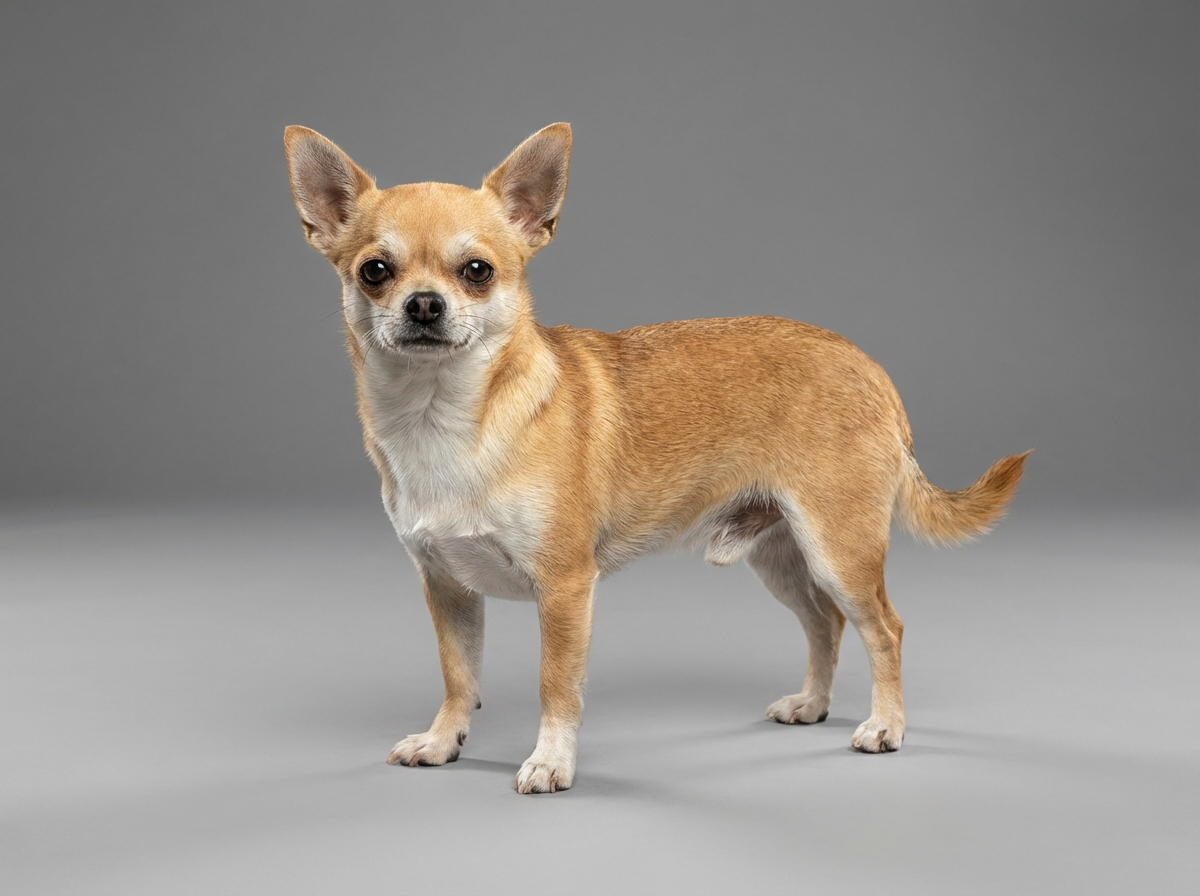
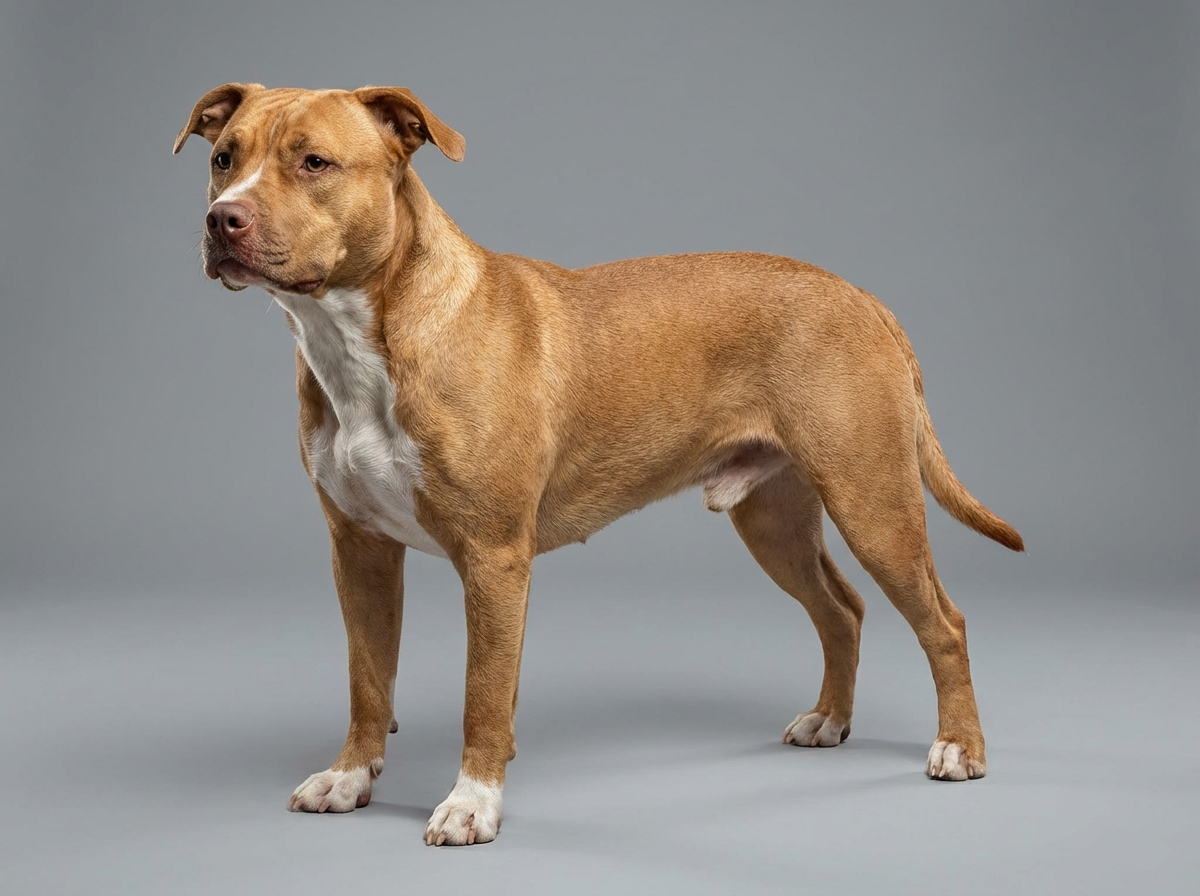
Health
Are purebred dogs really 1.9 times more likely to get cancer?
That figure comes from real data but averages across all breeds and does not control well for lifespan, diagnosis rates or insurance status.

Quick answer
Are purebred dogs really 1.9 times more likely to get cancer?
That figure comes from real data but averages across all breeds and does not control well for lifespan, diagnosis rates or insurance status.
Hybrid vigour is real biology, not marketing. It is also considerably narrower in scope than the phrase suggests, and it does not follow that a mixed-breed puppy is a healthier bet than a well-bred purebred one.
People choosing between a purebred Chihuahua and a Chihuahua cross and trying to weigh health honestly, and existing purebred owners who have read the statistic and are now anxious about it.
This guide is not medical advice. If your dog shows pain, sudden behavior change, or worsening symptoms, consult a licensed veterinarian.
Some links may be affiliate links. We may earn a commission at no extra cost to you. We only suggest products we believe are helpful for dog owners.
We research and check what we publish, but we do not warrant that any figure, date, price, or statement is accurate, complete, or current, and we accept no liability for any loss, cost, injury, or other harm arising from the use of this site. Use it as one reference among several. You remain responsible for your own decisions and for your dog's care - confirm anything that matters with a licensed veterinarian or another qualified professional before you act on it. Full disclaimer.
The claim that purebred dogs face roughly twice the cancer risk of mixed-breed dogs comes from genuine research but is routinely stretched beyond what it supports. Averaging across all breeds obscures enormous variation, and confounders including lifespan, diagnosis rates and insurance status are difficult to remove. For someone choosing a Chihuahua, the useful decisions are about screening and conformation rather than about category.
The statistic itself circulates very widely and is one of the most frequently repeated claims in dog ownership. The underlying biology, that closed populations concentrate recessive variants, is well established. What is uncommon is seeing the figure presented with its limitations attached, which is why so many owners hold it with more confidence than the evidence warrants.
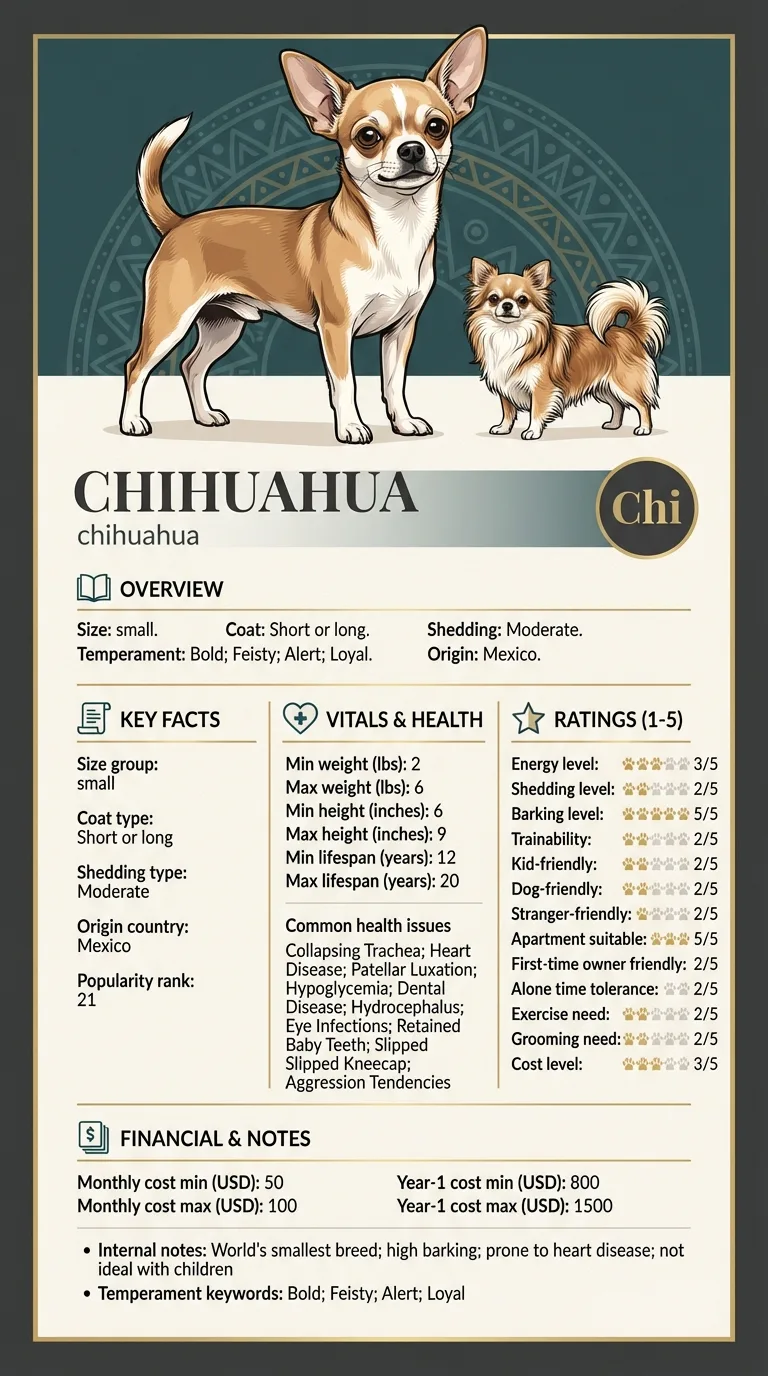
Any breed maintained as a closed population accumulates and concentrates inherited variants over generations, and the Chihuahua has been selected to an extreme of small size from a limited founder base, which narrows variety further. That is the real mechanism behind the general purebred argument. What it does not do is tell you which conditions this particular breed carries; for that, the documented list is more useful, naming collapsing trachea, heart disease, patellar luxation, hypoglycaemia, dental disease, hydrocephalus and eye infections rather than cancer.
The confounders in this comparison are largely environmental and social rather than biological. Purebred dogs are more likely to be insured, more likely to receive advanced diagnostics, and more likely to reach a formal diagnosis. Owners who paid a breeder often invest more in veterinary care, which raises detection rates without raising disease rates. Meanwhile, the household factors that genuinely affect a dog's health, body condition, dental care, safe flooring and preventive veterinary contact, apply identically to purebreds and mixes and matter more than either.
This topic does not generate emergencies, but it does generate avoidable delays. Book a routine appointment if you have found a new lump, a lump that has changed in size or texture, a non-healing sore, unexplained weight loss, persistent lethargy, or any swelling you cannot account for, and do so regardless of whether your dog is purebred or mixed. Do not let a reassuring belief about hybrid vigour delay having something looked at. Seek same-day care for a lump that is bleeding, ulcerated or rapidly enlarging, for difficulty breathing, for collapse, or for a sudden refusal to eat. Early assessment matters far more to outcome than pedigree status does.
See all Chihuahua health problems, which breeds are prone to purebred vs mixed breeds, or the full Chihuahua breed guide for temperament, exercise needs and ownership costs.
There is no clinical timeline here. What is realistic to expect is that the underlying evidence will keep improving slowly and that headline statistics will continue to be quoted without their caveats. The decisions in front of you, which breeder, which puppy, which screening, are made in weeks and cannot wait for better data. Make them on documentation about specific animals, which is available now, rather than on population averages, which will still be ambiguous in ten years.
Success is a decision you can defend on its own terms. You chose a dog from parents whose health status you saw in writing, at a conformation that is not an extreme of an already extreme breed, from a source willing to disclose what has gone wrong in the past. Whether that dog is purebred or crossed matters less than the fact that you asked. Beyond that, success looks like ordinary good ownership: a lean dog, a clean mouth, annual examinations, and lumps checked when they appear rather than watched for a season.
The biological argument behind the figure is sound in outline. A closed breeding population, particularly one shaped by popular sires and by selection for an extreme physical type, concentrates whatever variants it contains. Two dogs from that population are more likely to share a recessive variant than two dogs from unrelated backgrounds. Crossing populations restores variety at those positions, and that genuinely reduces the frequency of recessive disease.
What the comparison struggles with is everything else. Purebred dogs are more likely to be insured, more likely to be taken to a vet for investigation, and more likely to receive a definitive diagnosis rather than being euthanised on suspicion. A disease that is diagnosed more often in one group appears more common in that group even if the underlying rates are identical.
Lifespan is the sharpest confounder. Cancer is overwhelmingly a disease of old age. Purebred populations include many large breeds and many with breed-specific cancer predispositions, and averaging across all of them produces a number that describes no individual breed at all. A Chihuahua, with a lifespan of 12 to 20 years, sits at the opposite end of the size and longevity spectrum from the breeds driving most of that average.
And crucially, mixed does not mean random. A Chihuahua crossed with another small breed shares much of the same founder population and the same selection pressures. The variety gained is real but modest, and it is much smaller than the phrase mixed-breed implies.

Purebred status is a weak predictor. These are stronger ones, and they are all things you can check.
If you think your Chi has purebred vs. mixed breeds, the plan is three steps: write down what you have seen and when it started, book a veterinary appointment rather than waiting for the next flare, and take video of the behaviour or symptom before you go — the thing you are worried about rarely happens in the consulting room. Screening in the parents covers collapsing trachea, heart disease, patellar luxation.
What the vet visit should produce is a diagnosis and a written plan, not just reassurance: what is being ruled out, what the monitoring interval is, and which signs mean you come back sooner. Ask what the treatment costs across a year rather than per visit, because that is the number that decides whether you are managing this condition or reacting to it.
Between appointments, keep a short log — dates, what you saw, what changed. It is the single most useful thing an owner brings to a follow-up, and for purebred vs. mixed breeds it is often what separates a clear pattern from a guess.
Marcus spent a month deciding between a purebred Chihuahua from a breeder and a Chihuahua cross from a private seller, on the basis that the mix would be healthier. He had the 1.9 figure written down. What changed his approach was a conversation with his own vet, who asked what he knew about the parents in each case. For the purebred, he had written cardiac examinations for both, their ages, and a frank note that a dog two generations back had needed knee surgery. For the mix, he had nothing at all: the seller did not know the sire, and the dam had never seen a vet. He bought the purebred. She is seven now, has a documented low-grade murmur that has not changed since she was four, and is otherwise sound. Marcus's view is that he had spent a month comparing two categories when the actual difference between the two puppies was that he could read one dog's family history and not the other's.
Key takeaway: Purebred versus mixed is the weakest question you can ask about a puppy's health. Screened versus unscreened, and documented versus unknown, are the ones that actually distinguish the animals in front of you.
On average, mixed-breed dogs show lower rates of certain recessive inherited conditions, which is a genuine advantage. But a Chihuahua cross still carries whatever both parents carried, and if the other parent is a small breed with overlapping problems, the advantage narrows considerably. A well-screened purebred from documented parents is frequently a lower-risk choice than an unscreened mix from unknown ones.
Cancer is not among the ten health issues documented for this breed, which lists conditions such as collapsing trachea, heart disease, patellar luxation, dental disease and hypoglycaemia. Any long-lived dog can develop cancer, and this breed lives a long time, but the aggregate purebred cancer statistic is driven substantially by breeds with very different profiles.
It is the increase in fitness that follows from having two different versions of a gene rather than two identical ones, which reduces the chance of a harmful recessive variant being expressed. It applies most strongly to recessive conditions. It does not protect against dominantly inherited conditions, conformational problems shared by both parents, or anything caused by the environment.
Only loosely. A deliberate cross between two purebred lines produces first-generation dogs with real genetic variety, but many such crosses are then bred to each other for generations, which recreates a closed population with its own concentrated problems. The term covers everything from a genuinely mixed rescue to a heavily line-bred designer type, and the health implications differ enormously.
It should change how you buy one rather than whether. The lever available to you is not purebred versus mixed but screened versus unscreened, documented versus undocumented, and moderate conformation versus extreme. Those decisions have far more effect on the individual dog you end up with than the category does.
Yes, and this is the most important application of the whole argument. The breed standard already produces a 2 to 6 pound dog. Breeding deliberately below that concentrates fragility, and dogs marketed as teacup are frequently the product of selecting for undersize, which brings low blood sugar, dental crowding, fragile bones and difficult whelping with it. This is a much sharper health question than purebred versus mixed.
That figure comes from real data but averages across all breeds and does not control well for lifespan, diagnosis rates or insurance status.
It is not among the breed's ten documented health issues, which centre on the trachea, heart, kneecaps, teeth and blood sugar.
Documented health screening of both parents, their ages, honest disclosure of problems in the line, and moderate rather than extreme conformation.
Yes. Breeding below the breed's already tiny 2 to 6 pound range concentrates fragility, low blood sugar risk, dental crowding and whelping difficulty.
A one-page prep sheet for this condition: the signs, the questions to ask, what to get priced. Unlocks here.
You get: Vet visit prep sheet
No spam. One-click unsubscribe. See our privacy policy.
Preview page 1 before you decide.