Health
What is a liver shunt in a dog?
An abnormal blood vessel that carries blood from the intestines past the liver instead of through it, so toxins are not filtered before reaching the body.

Quick answer
What is a liver shunt in a dog?
An abnormal blood vessel that carries blood from the intestines past the liver instead of through it, so toxins are not filtered before reaching the body.
Every puzzling sign of a liver shunt makes sense once you know the timing: the dog gets strange after eating, because eating is when the unfiltered blood arrives.
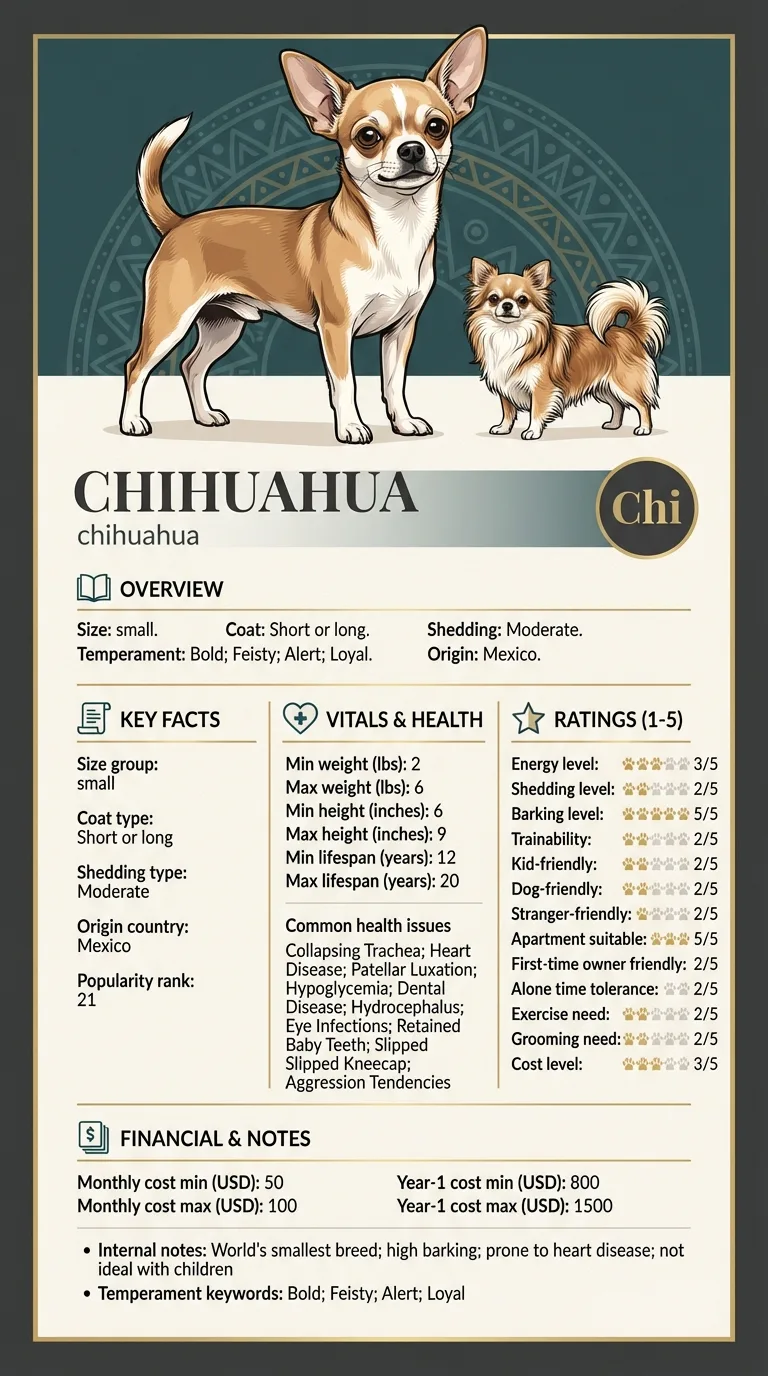
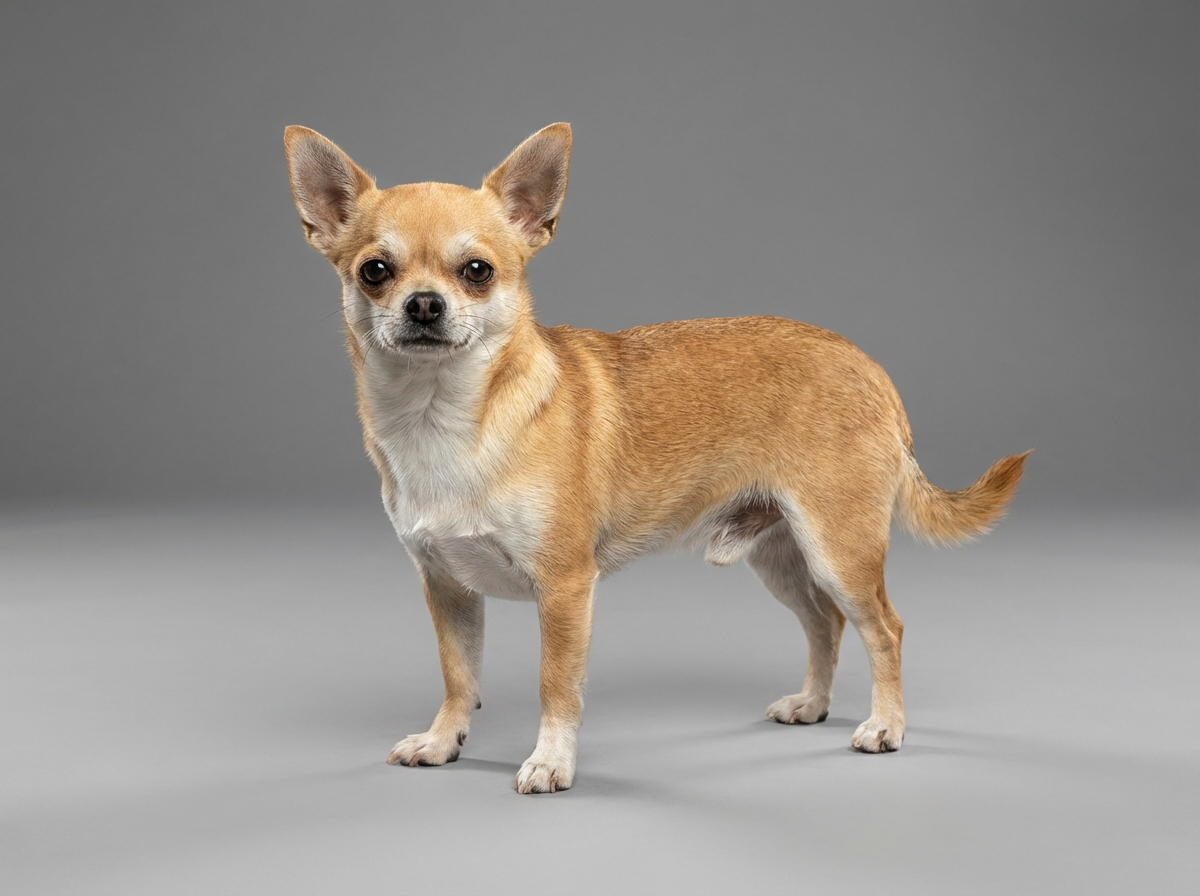
Owners of a Chihuahua puppy who is smaller than her littermates, slow to grow, and occasionally spacey or unsteady for reasons nobody can explain. Also owners facing a decision between surgical and medical management.
This guide is not medical advice. If your dog shows pain, sudden behavior change, or worsening symptoms, consult a licensed veterinarian.
Some links may be affiliate links. We may earn a commission at no extra cost to you. We only suggest products we believe are helpful for dog owners.
We research and check what we publish, but we do not warrant that any figure, date, price, or statement is accurate, complete, or current, and we accept no liability for any loss, cost, injury, or other harm arising from the use of this site. Use it as one reference among several. You remain responsible for your own decisions and for your dog's care - confirm anything that matters with a licensed veterinarian or another qualified professional before you act on it. Full disclaimer.
A portosystemic shunt is an abnormal vessel diverting intestinal blood around the liver. The unfiltered compounds it delivers to the circulation cause intermittent neurological signs, usually after meals, while the bypassed liver remains small and underdeveloped, producing poor growth. It is diagnosed with bile acid testing and imaging, and treated either surgically or with lifelong diet and medication.
Congenital shunts are uncommon but are recognised disproportionately in small breeds. They are not among the ten health issues documented for the Chihuahua. Their significance is out of proportion to their frequency, because they are treatable, they present in puppies, and the intermittent nature of the signs means they are frequently dismissed for months before anyone tests for them.
During foetal development a large vessel bypasses the liver, since the mother's circulation is doing the filtering. It normally closes within days of birth. When it fails to close, or when an abnormal connection forms elsewhere, the newborn continues to route intestinal blood around the liver. This developmental failure is recognised more often in small breeds, and inherited factors are believed to contribute. For a Chihuahua at 2 to 6 pounds, an underdeveloped liver on top of an already tiny frame makes poor growth particularly conspicuous.
Nothing in the household causes a shunt to form. What the environment strongly influences is how severe the episodes are: diet composition determines the load of compounds arriving unfiltered, so households where the dog gets table scraps, high-protein treats or access to another pet's food will see more frequent and more dramatic episodes. Missed meals matter too, because dogs with limited liver function tolerate fasting poorly.
Seek same-day emergency care for seizures, collapse, persistent disorientation that does not resolve within a few hours, blindness, unresponsiveness, or a dog who is pressing her head into a wall or corner and cannot be roused from it. These indicate severe accumulation of toxins affecting the brain and require urgent treatment. Book a prompt appointment, within a week, for a puppy who is consistently much smaller than her littermates, gains weight slowly, has a poor coat, drinks and urinates excessively, or shows any episode of dullness, staring or unsteadiness after eating. Ask specifically about bile acid testing, which is inexpensive and is the correct screening step.
See all Chihuahua health problems, which breeds are prone to liver shunts, or the full Chihuahua breed guide for temperament, exercise needs and ownership costs.
Bile acid testing can be done within days of the suspicion arising and results are usually quick. Imaging and referral typically add a few weeks. Medical stabilisation with diet and medication generally produces visible improvement in energy and clarity within one to three weeks. Where surgery is chosen, the vessel is usually closed gradually and the liver takes several months to develop toward normal size and function, with the fullest picture of the outcome emerging around six months afterwards.
After successful surgery, success can mean a genuinely normal dog: growing properly, eating an ordinary diet, and no longer having episodes. That is a real possibility and it is worth pursuing where the anatomy allows. On medical management, success looks different but is still good: stable weight, no neurological episodes, and a dog living a full life on a controlled diet, with the understanding that the diet is permanent and lapses have visible consequences.
The signature of a shunt is a cluster of neurological signs that follow feeding, usually within an hour or two. The puppy becomes dull, stares at walls, presses her head into corners or furniture, circles, seems briefly blind, or is unsteady on her feet. Then, over the following hours, she returns to normal and the owner half-convinces themselves they imagined it.
The reason for the timing is straightforward. A meal produces a wave of ammonia and other compounds absorbed from the gut. In a normal dog these are cleared by the liver. In a dog with a shunt they enter general circulation and reach the brain, where they interfere with function until they are gradually cleared by other means. High-protein meals produce more of these compounds, so the effect is often worse after a protein-rich meal or a stolen piece of meat.
Alongside the neurological pattern there is usually a growth problem. The liver is central to metabolism, and a liver that never receives the blood it needs stays small and underdeveloped. Affected puppies tend to be the runt, gain weight slowly, have a poor coat, and are often described as delicate. Excessive drinking and urinating are common. Some puppies also react unusually badly to anaesthetics or sedatives, because those drugs are cleared by the liver, and this is occasionally how the condition is first suspected.

The diagnosis is made in stages, and the treatment decision depends on where the abnormal vessel actually is.
If you think your Chi has liver shunts, the plan is three steps: write down what you have seen and when it started, book a veterinary appointment rather than waiting for the next flare, and take video of the behaviour or symptom before you go — the thing you are worried about rarely happens in the consulting room. Screening in the parents covers collapsing trachea, heart disease, patellar luxation.
What the vet visit should produce is a diagnosis and a written plan, not just reassurance: what is being ruled out, what the monitoring interval is, and which signs mean you come back sooner. Ask what the treatment costs across a year rather than per visit, because that is the number that decides whether you are managing this condition or reacting to it.
Between appointments, keep a short log — dates, what you saw, what changed. It is the single most useful thing an owner brings to a follow-up, and for liver shunts it is often what separates a clear pattern from a guess.
Frida was the smallest of five and stayed that way. By four months she weighed noticeably less than her siblings, had a coat that never came right, and would occasionally spend twenty minutes standing with her forehead against the skirting board. Her owner Anneke had been told puppies do odd things. What she eventually did was keep a note on her phone for a fortnight. Every episode was in the ninety minutes after a meal. Three of the four worst ones followed a day when Frida had also raided the cat's food, which was much higher in protein than her own. She showed the list to her vet, who ran bile acid testing that morning. It was strongly abnormal. Imaging found a single shunting vessel outside the liver, and Frida had it closed surgically at six months. She is four now, on an ordinary diet, and has caught up to a perfectly normal five pounds.
Key takeaway: The pattern is the diagnosis. If your puppy's odd episodes cluster after meals, write down the times before you write them off, and ask your vet about bile acid testing.
Most are. A vessel that should close shortly after birth stays open, or an abnormal one forms during development. A smaller number of shunts are acquired later in life as a consequence of severe liver disease, and those have a different cause and a different outlook. In a young Chihuahua showing these signs, the congenital form is what is being looked for.
Poor growth is one of the most consistent features, because the liver drives so much of metabolism and a bypassed liver stays underdeveloped. Being consistently the smallest, with a poor coat and slow weight gain, is worth investigating rather than accepting as being the runt, particularly in combination with any odd behaviour after meals.
Many do reasonably well, particularly with a carefully managed diet, though it is management rather than correction and the underlying vessel remains. Long-term outcomes are generally better after successful surgery in dogs whose shunt anatomy is suitable. Which route is right depends on where the vessel is and how the dog responds to initial treatment.
Protein is the source of the compounds that cause the neurological signs, so protein is usually moderated and the type of protein adjusted under veterinary direction. This is not a matter of feeding less food. Restricting protein incorrectly in a growing puppy causes its own harm, which is why this is a prescription diet decision rather than a home one.
Congenital shunts are recognised more often in small breeds than large ones, though the condition is not among the ten documented health issues for this breed. It is uncommon in absolute terms. Its importance lies in being treatable and in being easy to overlook, since the signs are intermittent and easily attributed to a puppy simply being odd.
It can be a clue. Many drugs are processed by the liver, so a dog with a bypassed liver may take unexpectedly long to recover from a sedative or anaesthetic. If a young Chihuahua had a strikingly slow recovery from a routine procedure, that is worth mentioning alongside any other signs.
An abnormal blood vessel that carries blood from the intestines past the liver instead of through it, so toxins are not filtered before reaching the body.
Poor growth, a small delicate puppy, and dullness, staring, circling or unsteadiness appearing within an hour or two after meals.
Usually bile acid testing before and after a meal, followed by imaging to locate the vessel and determine whether surgery is possible.
Surgically closing a suitable shunt can be genuinely corrective. Shunts inside the liver are harder to treat and are more often managed medically for life.
A one-page prep sheet for this condition: the signs, the questions to ask, what to get priced. Unlocks here.
You get: Vet visit prep sheet
No spam. One-click unsubscribe. See our privacy policy.
Preview page 1 before you decide.