Health
Is stenotic nares a real risk for Papillons?
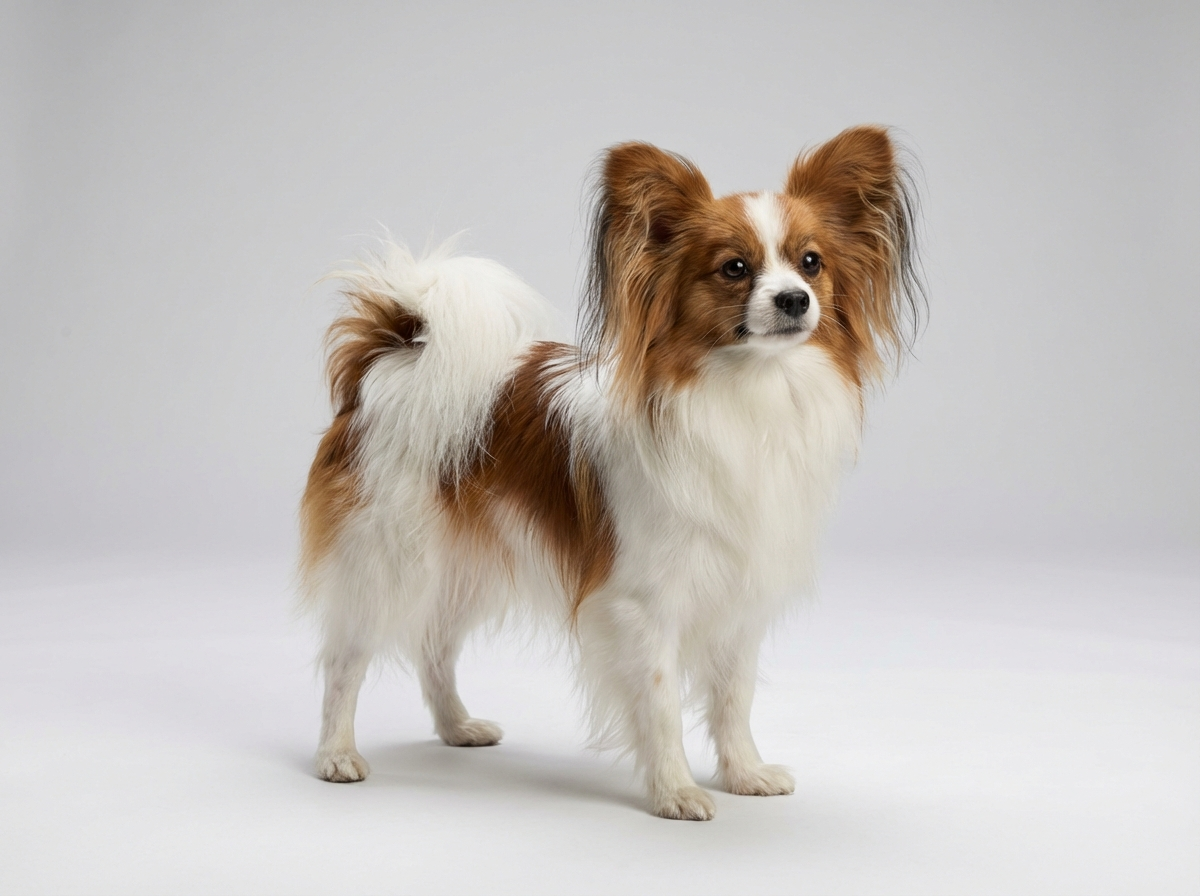
It is not documented as a breed concern; Papillons have a proportionate, unforeshortened muzzle unlike the flat-faced breeds where this condition occurs.

Quick answer
Is stenotic nares a real risk for Papillons?
It is not documented as a breed concern; Papillons have a proportionate, unforeshortened muzzle unlike the flat-faced breeds where this condition occurs.
Before treating noisy breathing in a Papillon as stenotic nares, it is worth knowing that this is a brachycephalic-breed condition the Papillon's own skull shape does not typically produce.
This affects owners who have read about stenotic nares online, often in the context of flat-faced breeds, and are trying to work out whether it explains their own Papillon's snoring, snorting, or noisy breathing.
This guide is not medical advice. If your dog shows pain, sudden behavior change, or worsening symptoms, consult a licensed veterinarian.
Some links may be affiliate links. We may earn a commission at no extra cost to you. We only suggest products we believe are helpful for dog owners.
We research and check what we publish, but we do not warrant that any figure, date, price, or statement is accurate, complete, or current, and we accept no liability for any loss, cost, injury, or other harm arising from the use of this site. Use it as one reference among several. You remain responsible for your own decisions and for your dog's care - confirm anything that matters with a licensed veterinarian or another qualified professional before you act on it. Full disclaimer.
Stenotic nares is a narrowing of the nostril openings documented in brachycephalic, flat-faced breeds whose shortened muzzle compresses the airway. The Papillon has a proportionate, unforeshortened muzzle and this condition is not part of its documented health profile. Owners searching for this term in connection with a Papillon are usually describing noisy breathing that, in this breed, more often traces back to a weakened, collapsing trachea, a condition that genuinely is documented here.
Stenotic nares itself is not documented as occurring in Papillons at a notable rate. The genuinely documented airway-related issue in this breed is collapsing trachea, which is the far more likely explanation for noisy breathing symptoms an owner may be trying to identify.
The Papillon's proportionate, normal-length muzzle does not produce the compressed nostril cartilage seen in brachycephalic breeds, which is why stenotic nares is not a documented concern here. The breed's actual airway-related risk instead centers on the trachea, where the supporting cartilage rings can weaken and partially collapse.
Excitement, heat, humidity, and pressure from a standard collar are the environmental factors most associated with worsening symptoms in a dog with an actual weakened trachea, rather than anything related to nostril structure.
See a vet if noisy breathing is accompanied by a dry, honking cough, if it worsens over weeks or months, or if your dog shows visible effort or distress while breathing. A same-day visit is warranted for any sudden, severe breathing difficulty or blue-tinged gums, which are signs of a genuine airway emergency.
See all Papillon health problems, which breeds are prone to small nostrils stenotic nares, or the full Papillon breed guide for temperament, exercise needs and ownership costs.
If tracheal collapse is confirmed as the actual cause, it is typically a manageable, lifelong condition rather than something that resolves, with symptoms controlled through weight management, harness use, and sometimes medication rather than cured outright.
Success looks like an owner who has correctly identified the actual cause of their dog's breathing noise, rather than searching for or treating a condition the breed does not typically have, and a management plan matched to that real diagnosis.
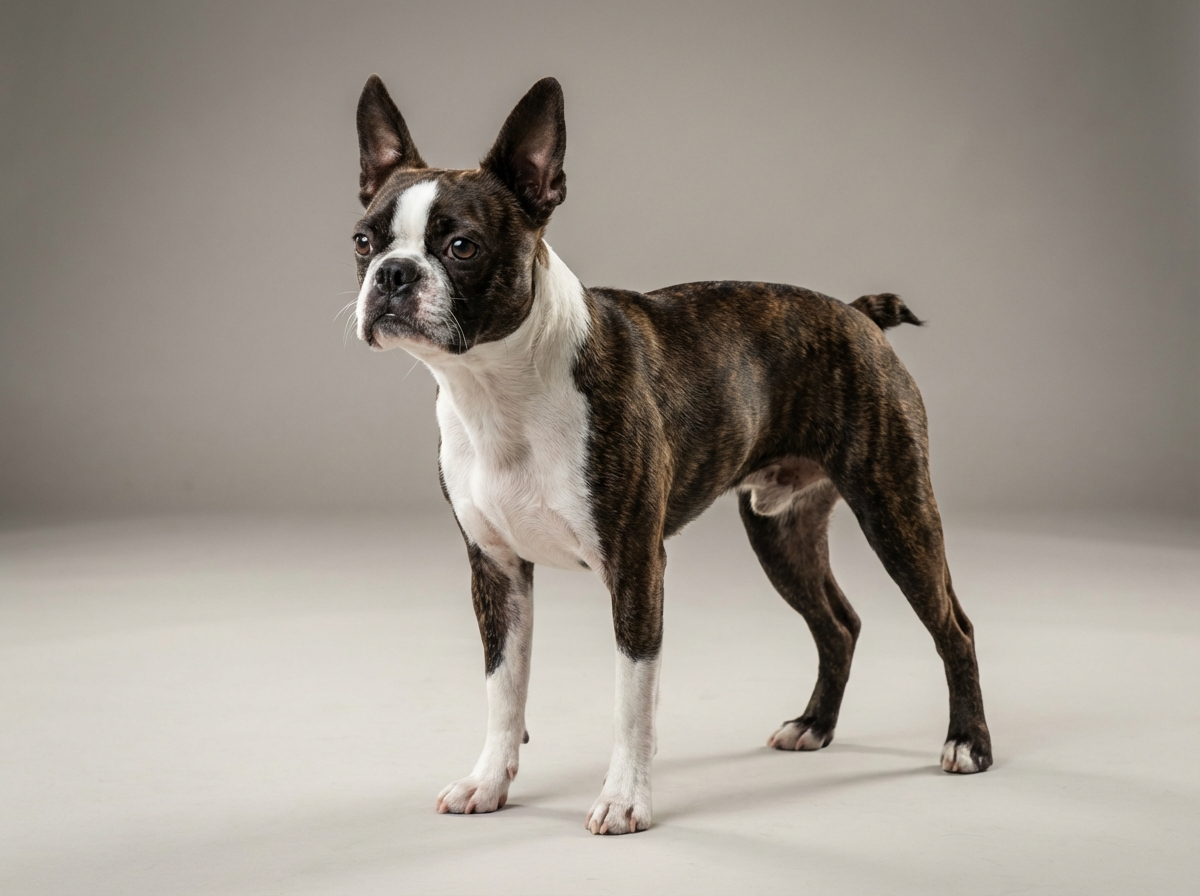
Stenotic nares happens when the cartilage of the nostril is too soft or too narrow, so the nostril opening collapses inward on each breath instead of staying open, forcing the dog to work harder to pull air in through the nose. It is one part of brachycephalic obstructive airway syndrome, a cluster of airway problems that develop together because a shortened muzzle compresses soft tissue that a longer muzzle has enough room to accommodate normally.
A Papillon's muzzle is not shortened in this way. The breed has a fine, proportionate head with a normal-length nose, which is part of why stenotic nares does not appear on this breed's documented list of common health issues. Searching for this specific condition in a Papillon is, for most dogs, simply the wrong question, in the same way that searching for a giant-breed joint disease in a five-pound dog usually points you toward the wrong page.
What the search usually is actually about is noisy breathing, snoring, snorting, or a honking sound, and in a Papillon that symptom much more often points toward the breed's own documented airway concern: a weakened, collapsing trachea, the windpipe itself losing rigidity and partially caving in in a ring-shaped pattern as the dog breathes. This produces a dry, honking cough and can include noisy or labored breathing, especially with excitement, heat, or pressure on the neck from a collar, and it is a genuinely documented issue in this breed rather than an imported one.
The honest answer for an owner arriving worried about stenotic nares is usually to redirect the question: check whether the nostrils themselves visibly pinch inward and narrow with each inhale, which is the actual visual sign of stenotic nares and is uncommon in this breed, versus a cough or wheeze coming from lower in the throat, which is far more consistent with tracheal collapse. A vet exam, rather than either self-diagnosis, is what actually settles it, but knowing which condition the breed's own documented profile supports is a useful starting point.
A short video clip of the actual sound and the nostrils during a breathing episode is often more useful to a vet than any written description, and it takes only a moment to capture on a phone.

If you think your Papillon has small nostrils (stenotic nares), the plan is three steps: write down what you have seen and when it started, book a veterinary appointment rather than waiting for the next flare, and take video of the behaviour or symptom before you go — the thing you are worried about rarely happens in the consulting room. Screening in the parents covers patellar luxation, progressive retinal atrophy, dental disease.
What the vet visit should produce is a diagnosis and a written plan, not just reassurance: what is being ruled out, what the monitoring interval is, and which signs mean you come back sooner. Ask what the treatment costs across a year rather than per visit, because that is the number that decides whether you are managing this condition or reacting to it.
Between appointments, keep a short log — dates, what you saw, what changed. It is the single most useful thing an owner brings to a follow-up, and for small nostrils (stenotic nares) it is often what separates a clear pattern from a guess.
Dmitri had read an article about stenotic nares in flat-faced breeds and grew concerned his Papillon, Freckle, might have the same problem after noticing occasional snorting and a dry cough during evening walks. He spent an evening searching for information specific to stenotic nares in small dogs before booking a vet appointment. At the appointment, the vet checked Freckle's nostrils first and found them fully open and unremarkable, showing no sign of the pinching or collapsing that would indicate stenotic nares. The cough, however, was a different story: gentle pressure on Freckle's trachea produced the same honking sound Dmitri had been hearing on walks, and the vet explained this pointed toward early tracheal collapse rather than anything related to the nose. Dmitri had spent his research time on the wrong condition entirely, understandably, since it was the version of the story most readily available online. Once redirected, the actual management plan was straightforward: switching Freckle to a harness, watching his weight, and avoiding strenuous exercise on hot days. The cough has stayed mild and manageable since, and Dmitri now knows to describe symptoms by what he actually observes, a dry cough worse with excitement, rather than reaching for a diagnosis he had read about in an unrelated breed context.
Key takeaway: Noisy breathing in a Papillon is worth a vet exam, but the useful starting assumption is tracheal collapse, a documented breed issue, rather than stenotic nares, a condition tied to a muzzle shape this breed does not have.
No. Stenotic nares is documented in brachycephalic, flat-faced breeds with a shortened muzzle. The Papillon has a proportionate, normal-length muzzle, and this condition is not part of the breed's documented health profile.
In this breed, that kind of noise is much more often related to a weakened, collapsing trachea, a documented issue in Papillons, rather than narrowed nostrils. A vet exam is needed to confirm which is happening in your specific dog.
Stenotic nares specifically involves the nostrils visibly pinching or collapsing inward with each breath. A dry, honking cough, or noise that worsens with collar pressure or excitement, points more toward the trachea instead.
It is reasonable to mention it, but be ready for the vet to focus the exam on the trachea instead, since that is the airway structure actually documented as a concern in this breed.
Collapsing trachea is a weakening of the windpipe's supporting cartilage rings, causing them to flatten and partially close the airway, especially during excitement, heat, or pressure from a collar. It produces a dry cough rather than a nostril-narrowing pattern.
Mild, occasional snorting with no cough, no distress, and no change over time can be an unremarkable individual trait. Anything progressive, or accompanied by a cough or visible effort to breathe, warrants a vet check.
An initial exam is a modest cost. If tracheal collapse is suspected, imaging to confirm it adds to that cost, and ongoing management costs vary depending on severity.
It is not documented as a breed concern; Papillons have a proportionate, unforeshortened muzzle unlike the flat-faced breeds where this condition occurs.
Most often a weakened, collapsing trachea, a documented issue in the breed, rather than narrowed nostrils.
Watch whether the nostrils themselves pinch inward on each breath (stenotic nares) versus a dry cough that worsens with excitement or collar pressure (tracheal collapse).
Yes, a harness avoids pressure on the trachea, which is the more relevant airway structure for this breed's documented breathing concerns.
A basic vet exam is a modest cost; imaging to confirm tracheal collapse adds further cost depending on the clinic and equipment used.
A one-page prep sheet for this condition: the signs, the questions to ask, what to get priced. Unlocks here.
You get: Vet visit prep sheet
No spam. One-click unsubscribe. See our privacy policy.
Preview page 1 before you decide.