Understanding Yorkshire Terrier Small Nostrils (Stenotic Nares)
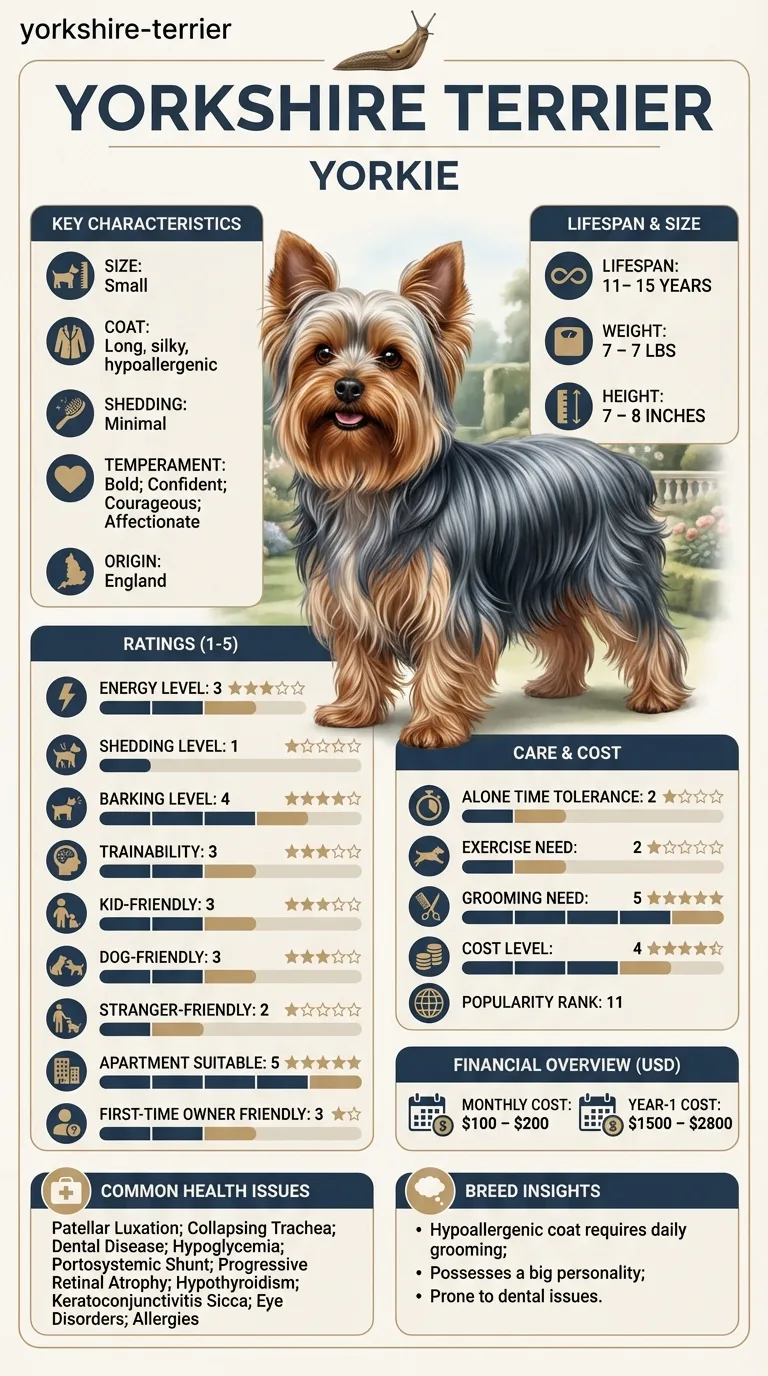
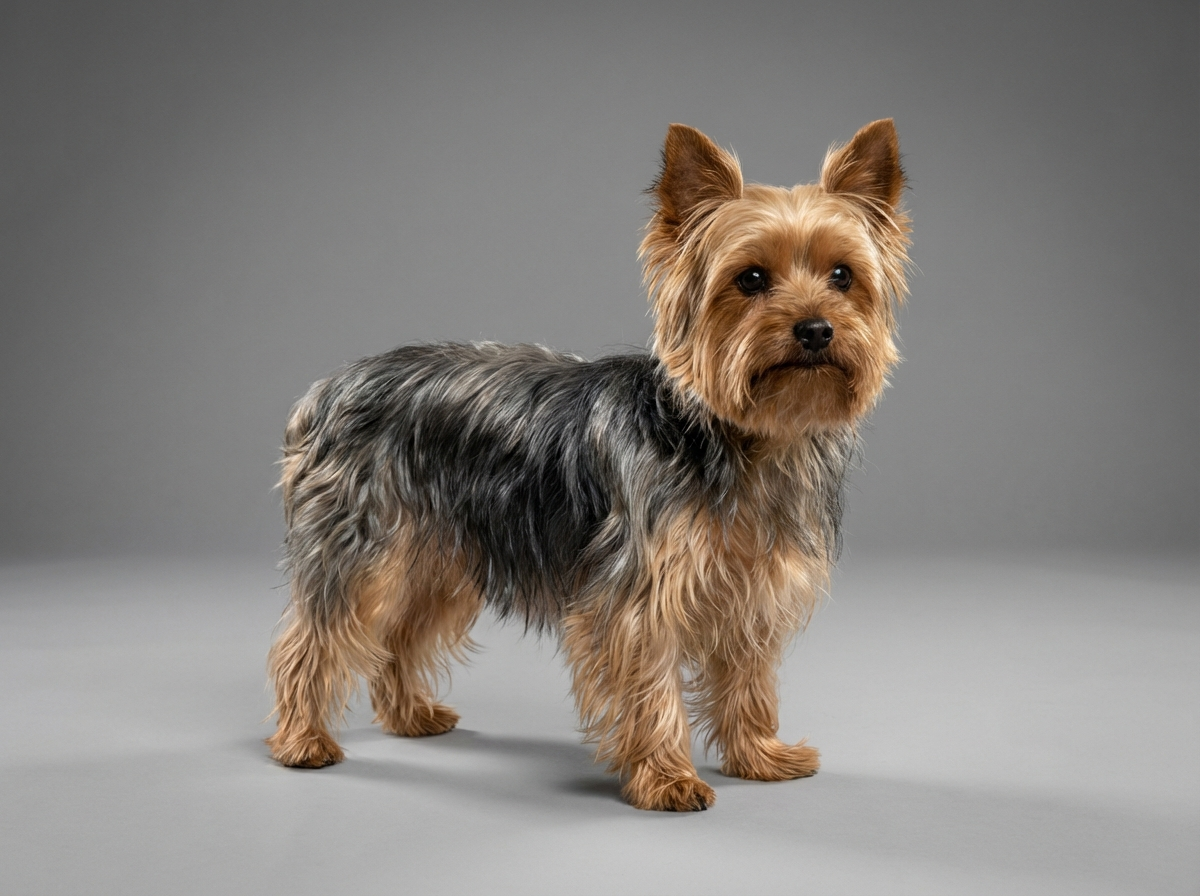
Yorkshire Terriers often face the challenge of small nostrils, known as stenotic nares, which can lead to breathing issues. This problem is not just a cosmetic concern; it can affect your dog's overall health and comfort. (Yorkshire Terrier small nostrils (stenotic nares))

What you can try
- Keep your Yorkie's environment calm and quiet, reducing stress triggers. Create a safe space where they can retreat during loud events or busy times.
- Ensure your Yorkie is not overheated. Provide plenty of fresh water and avoid strenuous exercise during hot weather.
- Use a harness instead of a collar to prevent pressure on their throat, which can help maintain open airways.
Mistakes that make this worse
Many Yorkshire Terrier owners unknowingly make their dog's breathing issues worse. Here are common mistakes to avoid, along with safer alternatives.
- Ignoring signs of distress: If your Yorkie shows difficulty breathing, don't dismiss it. Instead, consult a vet for proper guidance.
- Overexerting during exercise: While exercise is important, pushing your Yorkie too hard can lead to breathing problems. Opt for shorter, more frequent walks instead.
- Using harsh training methods: Negative reinforcement can increase anxiety and worsen breathing issues. Focus on positive reinforcement for better results.
- Allowing obesity: Weight gain can exacerbate breathing problems. Maintain a balanced diet and consult your vet for a proper weight management plan.
- Neglecting regular vet check-ups: Skipping routine visits can lead to undiagnosed issues. Schedule regular check-ups to monitor your Yorkie's health.
- Exposing to extreme temperatures: Hot or cold weather can strain breathing. Keep your Yorkie indoors during extreme temperatures and ensure proper ventilation.
- Not providing a calm environment: A stressful setting can trigger breathing issues. Create a calm space at home where your Yorkie feels secure.
When Yorkshire Terrier Small Nostrils (Stenotic Nares) Is an Emergency
Understanding when Yorkshire Terrier small nostrils (stenotic nares) become an emergency is crucial for your dog's health. There are clear signs that indicate it's time to call your vet immediately. These include severe difficulty breathing, bluish gums, or any sign of distress like collapsing or excessive panting.
If your Yorkie is struggling to breathe, don’t wait—get help right away.
On the other hand, if your dog seems to breathe slightly noisily or has occasional bouts of snorting, these may be mild cases that can be monitored. Keep a close eye on how often these symptoms occur. If they are infrequent and your dog is otherwise healthy and playful, you can create a plan to manage the issue with your vet's guidance.
It's essential to track any changes in your dog's breathing patterns. If you notice your Yorkie is having more frequent episodes or if there are new symptoms, reach out to your vet for advice. Remember, it's better to be cautious when it comes to your pet's health.

Frequently asked questions
Why does my Yorkshire Terrier have small nostrils (stenotic nares)?
Yorkshire Terriers often have small nostrils due to their brachycephalic facial structure. This can lead to breathing issues, especially when they are excited or during hot weather. If you notice excessive panting or difficulty breathing, consult your vet.
How can I help my Yorkshire Terrier with small nostrils (stenotic nares)?
Start by ensuring your Yorkie maintains a healthy weight, as excess weight can worsen breathing problems. Avoid strenuous activities and heat exposure. Regular vet check-ups are crucial to monitor their condition.
What are the symptoms of small nostrils (stenotic nares) in Yorkshire Terriers?
Common symptoms include snoring, labored breathing, and intolerance to heat. Your Yorkie may also cough or gag occasionally. Pay attention to any changes in their breathing patterns.
Can training help with small nostrils (stenotic nares) in Yorkshire Terriers?
Training can improve your Yorkie's overall behavior but won't fix physical issues like stenotic nares. However, teaching commands like 'calm' can help manage their excitement levels, which may ease breathing difficulties.
When should I consider surgery for my Yorkshire Terrier's small nostrils (stenotic nares)?
If your Yorkie's breathing issues significantly impact their quality of life, like causing frequent fainting or severe anxiety, surgery might be necessary. Discuss this option thoroughly with your vet.
What are the signs that my Yorkshire Terrier's small nostrils are causing problems?
If your Yorkshire Terrier shows signs like excessive snoring, difficulty breathing, or frequent coughing, it may indicate that their small nostrils are causing issues. You should consult your vet if these symptoms persist or worsen.
Can small nostrils (stenotic nares) affect my Yorkshire Terrier's exercise ability?
Yes, small nostrils can limit your Yorkie's ability to breathe efficiently during exercise. This may lead to fatigue or overheating, especially in warmer weather, so it's important to monitor their activity levels closely.
Is surgery the only treatment for Yorkshire Terrier small nostrils (stenotic nares)?
While surgery is a common solution to correct stenotic nares, other options like weight management and specific breathing exercises may also help. Always discuss the best treatment plan with your vet.
At what age should I start monitoring my Yorkshire Terrier for breathing issues?
It's a good idea to start monitoring your Yorkshire Terrier for breathing issues as early as puppyhood. Being proactive can help catch any potential problems before they become serious.
How can I help my older Yorkshire Terrier with small nostrils (stenotic nares)?
For older Yorkshire Terriers, providing a calm environment and avoiding strenuous activities can help them cope better with breathing challenges. Regular vet check-ups are also essential to manage their health effectively.