Behavior
What are quick tips for Poodle small nostrils (stenotic nares)?
Keep your Poodle cool during exercise and monitor their weight to reduce breathing strain. Regular vet check-ups can help manage their condition effectively.

Quick answer
What are quick tips for Poodle small nostrils (stenotic nares)?
Keep your Poodle cool during exercise and monitor their weight to reduce breathing strain. Regular vet check-ups can help manage their condition effectively.
Poodles can suffer from small nostrils, known as stenotic nares, which can lead to breathing issues. (Poodle small nostrils (stenotic nares))
Owners of Poodles, particularly those who are first-time dog parents or live in warmer climates, often face challenges with this issue. They may notice their Poodle struggling to catch their breath, especially during playtime.
This guide is not medical advice. If your dog shows pain, sudden behavior change, or worsening symptoms, consult a licensed veterinarian.
Some links may be affiliate links. We may earn a commission at no extra cost to you. We only suggest products we believe are helpful for dog owners.
We research and check what we publish, but we do not warrant that any figure, date, price, or statement is accurate, complete, or current, and we accept no liability for any loss, cost, injury, or other harm arising from the use of this site. Use it as one reference among several. You remain responsible for your own decisions and for your dog's care - confirm anything that matters with a licensed veterinarian or another qualified professional before you act on it. Full disclaimer.
Check this first
If your Poodle shows signs of severe breathing difficulties, it’s time to call your vet immediately. Red flags include gasping for air, persistent coughing, or bluish gums. These symptoms can indicate a serious airway obstruction that requires prompt medical attention.
On the other hand, if your Poodle experiences mild snoring or occasionally struggles to breathe during exercise, these cases can often be monitored at home. You can observe your pet for any changes and develop a management plan with your vet. Keeping track of their breathing patterns during playtime or rest can help you identify any worsening symptoms.
It's essential to differentiate between emergencies and manageable situations. Always trust your instincts as a pet owner—if something feels off, don’t hesitate to reach out to your vet for guidance.
If any of these apply, call your vet or an emergency clinic now. The rest of this page is for the cases that are not an emergency.
Poodles with small nostrils, also known as stenotic nares, can face daily challenges when it comes to breathing. This condition makes it tough for them to get enough air, especially during exercise or in hot weather. Owners may notice their Poodle snorting, coughing, or having difficulty breathing, which can be distressing for both the dog and the owner.
Stenotic nares are fairly common among Poodles, especially in smaller ones. Many Poodle owners report noticing some level of breathing difficulty, particularly in more active scenarios or during warmer months.
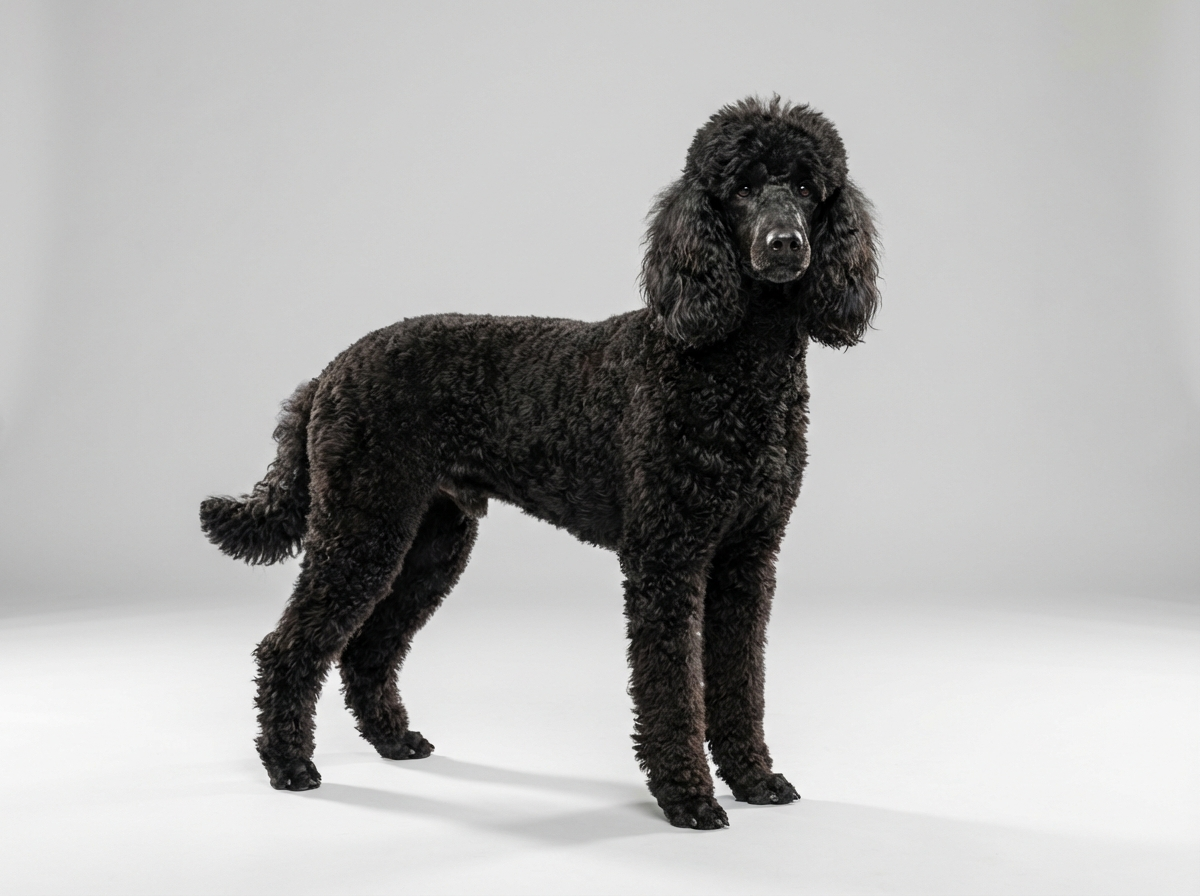
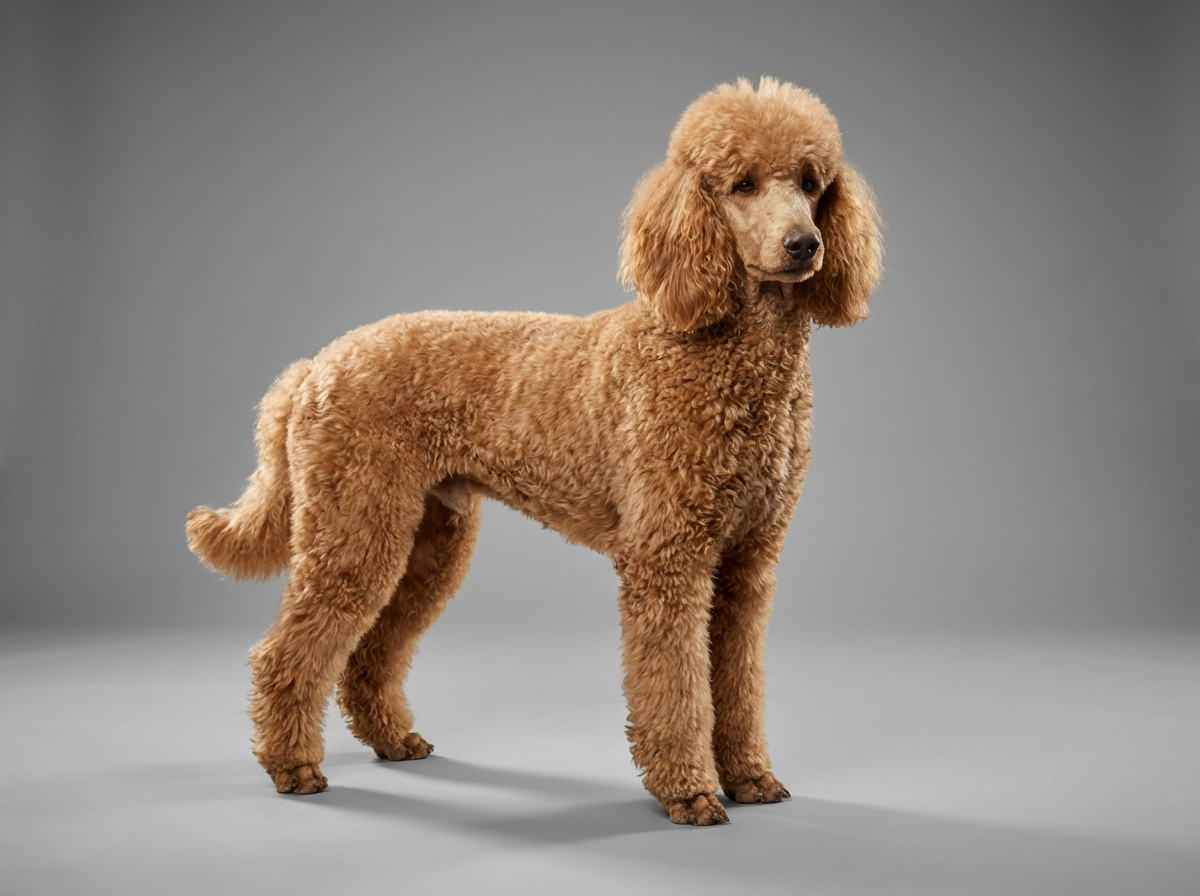
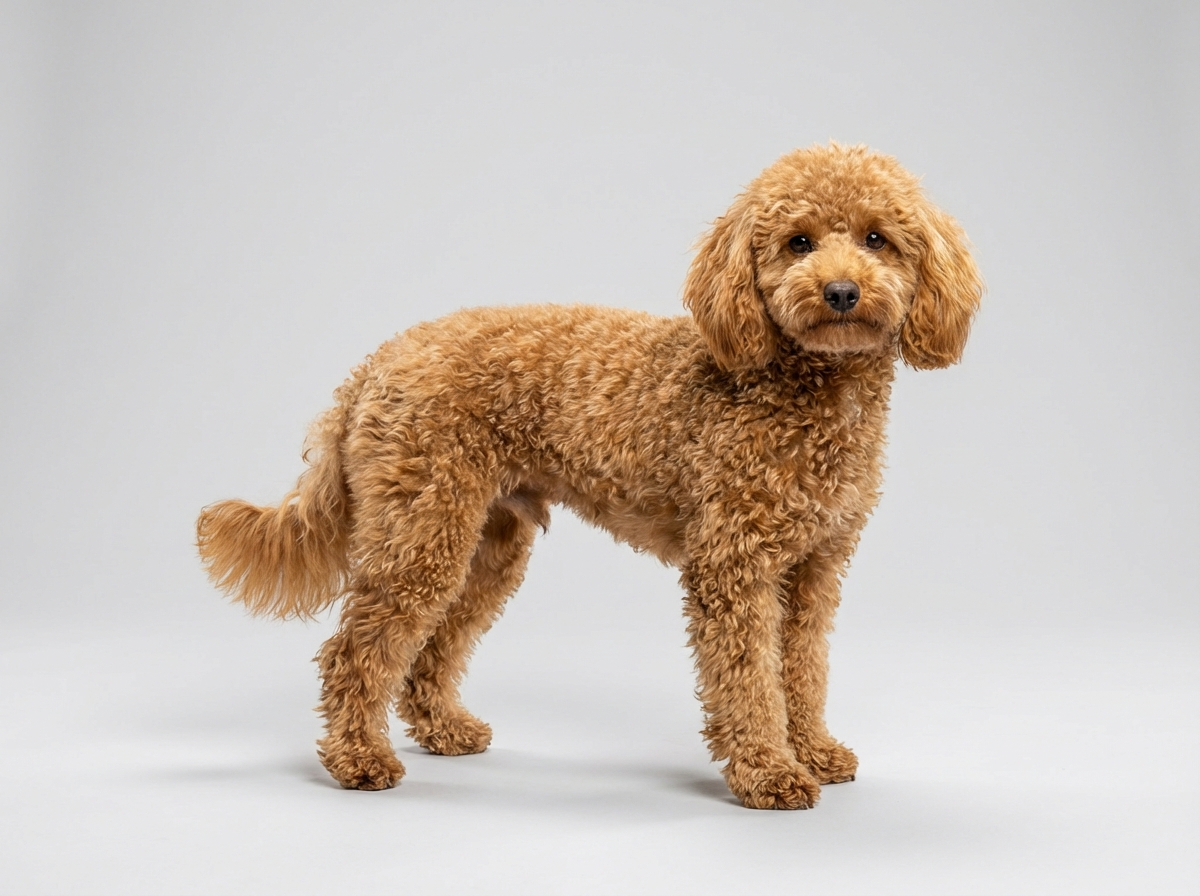
Poodles, especially those with smaller snouts, often have stenotic nares, which are narrow nostrils that can lead to breathing difficulties. This condition is more prevalent in certain Poodle varieties, where the shape of their face can restrict airflow.
Environmental factors such as heat and humidity can exacerbate breathing issues. Stressful situations, like loud noises or crowded places, may also make it harder for your Poodle to breathe normally.
If your Poodle experiences consistent breathing problems, coughing, or wheezing, it's essential to consult a vet. They can assess the severity of the stenotic nares and discuss options, which might include surgery or other interventions.
Avoiding certain behaviors can help your Poodle's small nostrils (stenotic nares) condition. Here are some common mistakes to avoid, along with safer alternatives.
See all Poodle health problems, which breeds are prone to small nostrils stenotic nares, or the full Poodle breed guide for temperament, exercise needs and ownership costs.
With consistent, proper care, you can expect to see improvements in your Poodle's breathing within 4 to 8 weeks.
Success means your Poodle breathes more easily, shows less fatigue during play, and has fewer coughing episodes.
Jenna, a first-time dog owner, noticed her Poodle, Max, struggled to breathe during walks. Concerned, she learned about Poodle small nostrils (stenotic nares) and how it could affect his health. After consulting her vet, she started a training regimen focused on controlled breathing exercises and gradually increased Max’s exercise intensity. With patience and commitment, Jenna saw significant improvement in Max's breathing within a few weeks. He could run and play without the heavy panting and coughing that worried her.
Key takeaway: Understanding your dog's health needs and being proactive can lead to positive changes, making life more enjoyable for both you and your pet.
Poodles can have small nostrils due to genetics, especially in certain breeding lines. This condition, known as stenotic nares, can lead to breathing difficulties. It's important to monitor your Poodle for signs of distress and consult with a vet for guidance.
To help your Poodle with small nostrils, ensure they maintain a healthy weight and avoid strenuous activities in hot weather. You can also train them to breathe calmly using positive reinforcement techniques. If breathing issues persist, a visit to the vet is recommended.
Signs of breathing problems include excessive panting, coughing, or difficulty exercising. Your Poodle might also show signs of fatigue or reluctance to play. If you notice these symptoms, consult your vet to assess their breathing.
Surgery may be necessary if your Poodle's breathing issues are severe. This procedure can widen the nostrils to improve airflow. Discuss the risks and benefits of surgery with your vet to make an informed decision.
To prevent anxiety related to breathing difficulties, create a calm environment for your Poodle. Use soothing music or calming scents, and practice relaxation techniques. Training your Poodle with positive reinforcement can also help reduce anxiety.
Small nostrils in Poodles are often caused by genetic factors. This condition can lead to breathing difficulties, especially during exercise or in hot weather.
Yes, older Poodles may show more signs of breathing difficulties due to stenotic nares. Regular vet check-ups can help monitor their health and manage any worsening symptoms.
If your Poodle shows signs of severe breathing distress, such as rapid breathing, excessive panting, or lethargy, it's essential to see a vet immediately. Early intervention can prevent more serious health issues.
While training can't fix the physical issue of small nostrils, it can help manage your Poodle's behavior and anxiety. Positive reinforcement techniques can be beneficial for overall wellbeing.
Keep your Poodle cool during exercise and monitor their weight to reduce breathing strain. Regular vet check-ups can help manage their condition effectively.
Use positive reinforcement techniques to train your Poodle. Start with short training sessions in a calm environment to avoid overstimulation.
Avoid strenuous exercise and hot weather, as these can exacerbate breathing issues. Ensure your Poodle has a safe and comfortable environment.
Look for signs such as heavy panting, coughing, or unusual fatigue. If you notice these symptoms, it's important to consult your vet.
A one-page prep sheet for this condition: the signs, the questions to ask, what to get priced. Unlocks here.
You get: Vet visit prep sheet
No spam. One-click unsubscribe. See our privacy policy.
Preview page 1 before you decide.