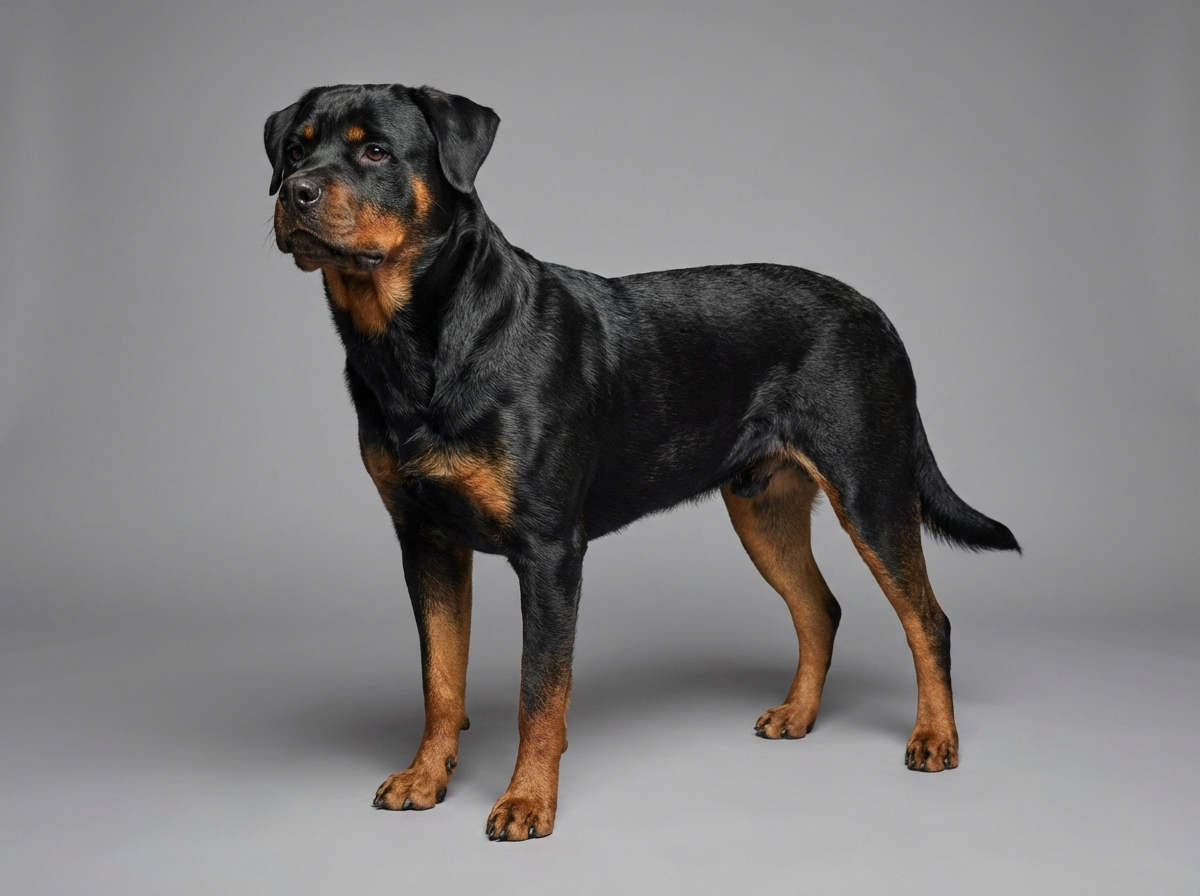
Rottweiler Small Nostrils (Stenotic Nares): What You Need to Know
Rottweilers can suffer from small nostrils, also known as stenotic nares, which can cause breathing problems. (Rottweiler small nostrils (stenotic nares))
Owners of Rottweilers, especially those in active households or those who exercise their dogs regularly, often face challenges with this issue. First-time Rottweiler owners may find it particularly daunting to manage their dog's breathing difficulties.
Important reminder
This guide is not medical advice. If your dog shows pain, sudden behavior change, or worsening symptoms, consult a licensed veterinarian.
Some links may be affiliate links. We may earn a commission at no extra cost to you. We only suggest products we believe are helpful for dog owners.
What this problem looks like
Rottweiler small nostrils, also known as stenotic nares, is a common issue that affects this breed's ability to breathe comfortably. This condition can lead to noticeable breathing difficulties, especially during exercise or in hot weather. Owners may notice their Rottweiler snorting, panting excessively, or showing signs of distress when trying to catch their breath.
Common triggers
Hot weather
Intense exercise
Physical exertion
Excitement or anxiety
Stenotic nares are relatively common in Rottweilers, especially among those with a shorter snout. While not every Rottweiler will have this issue, many owners report some degree of breathing challenge linked to this condition.
Why this happens
Breed factors
Rottweilers can have small nostrils (stenotic nares) due to their genetics. This trait makes it harder for them to breathe, especially during exercise or in hot weather. It's important to note that this breeding trait can lead to serious health issues if left unaddressed.
Environment factors
Environmental factors can also worsen breathing issues in Rottweilers with small nostrils. For instance, high temperatures, humidity, and allergens can trigger respiratory problems. Stressful situations may also exacerbate their breathing difficulties.
What you can try
At-home strategies
Keep your Rottweiler cool, especially during hot weather. Provide plenty of shade and fresh water.
Limit strenuous exercise, particularly in warm conditions, to prevent overexertion.
Create a calm environment to reduce stress, using soothing music or a quiet space.
Monitor your dog's breathing regularly. If you notice labored breathing, take action immediately.
When to consider a trainer
If your Rottweiler struggles with anxiety or exhibits behavioral problems due to breathing issues, consider consulting a professional trainer. They can offer strategies to help your dog cope in stressful situations.
When to talk to your vet
If you notice persistent breathing difficulties, excessive panting, or other concerning symptoms, it's time to consult your vet. They can assess your Rottweiler's condition and recommend possible treatments or interventions.
Realistic expectations
It may take several weeks to months to see improvements in Rottweilers with small nostrils (stenotic nares), depending on the severity of the condition and the approach taken.
Success looks like your Rottweiler breathing more comfortably, showing increased energy levels, and being able to engage in regular activities like walks without excessive panting or distress.
Mistakes that make this worse
Avoiding common pitfalls can help manage your Rottweiler's small nostrils (stenotic nares). Here are mistakes to watch for and better alternatives.
Ignoring Breathing Issues: Some owners may overlook their Rottweiler's breathing difficulties. Instead, monitor their breathing closely and consult a vet for guidance.
Using Heavy Leashes: A heavy leash can strain your Rottweiler's neck, worsening breathing problems. Opt for a harness that distributes pressure more evenly.
Over-Exercising: Pushing your Rottweiler too hard during exercise can lead to breathing distress. Stick to shorter, more frequent walks instead of long runs.
Neglecting Weight Management: Obesity can exacerbate breathing issues. Maintain a healthy diet and portion control to help keep your Rottweiler fit.
Failing to Address Anxiety: Stress and anxiety can intensify breathing problems. Incorporate calming techniques or consult a behaviorist if needed.
Skipping Regular Vet Check-ups: Some owners might think their dog's breathing issues are minor. Regular vet visits ensure any problems are caught early.
Using Unapproved Treatments: Owners may try home remedies to fix breathing issues. Always check with your vet before trying any new treatments.
When Rottweiler Small Nostrils (Stenotic Nares) is an Emergency
Recognizing when your Rottweiler's small nostrils (stenotic nares) become an emergency is crucial. Certain signs indicate that you should seek immediate veterinary attention. If your Rottweiler is struggling to breathe, has blue-tinged gums, or collapses, these are red flags that you must call your vet right away.
Additionally, if your dog is excessively panting, coughing, or showing signs of distress, don't hesitate to seek help.
In less severe cases, you can monitor your Rottweiler at home. If your dog is occasionally snorting or has mild labored breathing but is otherwise active and eating well, it's usually safe to watch and wait. Create a plan to manage the situation by keeping track of any changes in behavior or breathing patterns.
It's essential to consult your vet for guidance on how to monitor these symptoms effectively.
Always err on the side of caution; if you're unsure, it's best to reach out to your vet for advice. Early intervention can make a significant difference in your Rottweiler's health.

Rottweiler Small Nostrils (Stenotic Nares): What You Need to Know - When Rottweiler Small Nostrils (Stenotic Nares) is an Emergency
Jenna's Journey with Max: Overcoming Breathing Issues
Jenna adopted Max, a Rottweiler mix, who struggled with small nostrils (stenotic nares). At first, Max would frequently wheeze and tire easily during playtime. After consulting a vet, Jenna learned about various training and management techniques, including controlled exercise and using harnesses that didn't restrict airflow.
Gradually, with patience and adjustments in care, Max began to breathe more easily and enjoy longer walks without discomfort.
Key takeaway: Identifying and managing Rottweiler small nostrils (stenotic nares) can significantly improve your dog's quality of life. Regular vet check-ups and tailored exercise plans are essential.
Frequently asked questions
Why does my Rottweiler have small nostrils (stenotic nares)?
Small nostrils in Rottweilers, known as stenotic nares, can occur due to genetics. This condition leads to breathing difficulties and can be more common in certain lines. If you notice your dog struggling to breathe or snoring excessively, it's best to consult a vet.
How can I help my Rottweiler with small nostrils (stenotic nares)?
To help your Rottweiler, consider keeping them at a healthy weight to reduce breathing strain. Regular vet check-ups are crucial, as some dogs may need surgical intervention to widen their nostrils. Training techniques to manage their breathing during exercise can also be beneficial.
What are the signs of stenotic nares in Rottweilers?
Signs of stenotic nares include loud breathing sounds, snoring, and difficulty exercising. You may also notice your Rottweiler panting excessively or showing signs of distress in hot weather. If you observe these symptoms, a vet evaluation is essential.
Can training help a Rottweiler with small nostrils (stenotic nares)?
Training alone won't fix stenotic nares, but it can help manage your Rottweiler's behavior when they struggle with breathing. Teaching commands like 'slow' or 'calm' during walks can make outings more comfortable for them. Always monitor their breathing closely during exercise.
Is surgery necessary for Rottweilers with small nostrils (stenotic nares)?
Surgery isn't always necessary but may be required in severe cases. If your Rottweiler has significant breathing issues, consult your vet about surgical options to improve airflow. They can provide guidance based on the severity of your dog's condition.
What are the costs associated with treating Rottweiler small nostrils (stenotic nares)?
Treatment costs can vary widely, ranging from a few hundred dollars for basic vet visits to several thousand for surgical procedures. Initial consultations and follow-up care are also factors to consider. It's best to discuss specific costs with your veterinarian.
What causes small nostrils (stenotic nares) in Rottweilers?
Small nostrils in Rottweilers are often genetic. This condition can lead to breathing difficulties, especially during exercise or in hot weather. It's important to monitor your dog for any signs of distress.
How can I help my Rottweiler with small nostrils (stenotic nares)?
Providing a calm environment and avoiding strenuous activities can help. Consider discussing options with your vet, as surgical interventions may be necessary for severe cases. Always prioritize your Rottweiler's comfort.
Can small nostrils (stenotic nares) lead to other health issues in Rottweilers?
Yes, this condition can contribute to other health problems like respiratory distress or heat intolerance. Regular check-ups with your vet are essential to catch any related issues early.
Is training effective for Rottweilers with small nostrils (stenotic nares)?
While training can help manage some behaviors, it won't fix the anatomical issue of small nostrils. Focus on training for calmness and socialization, but consult your vet for specific health-related concerns.
When should I take my Rottweiler to the vet for small nostrils (stenotic nares)?
If your Rottweiler shows signs of severe breathing difficulty, excessive panting, or lethargy, it's crucial to see a vet immediately. Early intervention can prevent more serious complications.
What are quick tips for Rottweiler small nostrils (stenotic nares)?
Keep your Rottweiler cool and avoid strenuous activities in hot weather. Monitor their breathing and consult a vet for any concerns. Regular check-ups can help manage their condition.
Living
How can I exercise my Rottweiler safely with small nostrils?
Opt for shorter, more frequent walks and avoid intense play. Watch for signs of fatigue or breathing difficulty and take breaks as needed. Always have water available during exercise.
Health
Are there specific foods that can help Rottweilers with small nostrils?
Feeding a balanced diet can help maintain a healthy weight, reducing breathing strain. Consult your vet for specific dietary recommendations that support overall health.
Related DogBreedCompass guides
Rottweiler behavior problems – Understanding the challenges of Rottweilers with small nostrils can help you manage their care better.
Rottweiler separation anxiety guide – Explore how separation anxiety can impact Rottweilers and find solutions tailored to their needs.
Rottweiler small nostrils (stenotic nares) training – Learn effective training techniques for Rottweilers that can assist with their breathing issues.
Rottweiler health concerns – Discover common health issues faced by Rottweilers, including stenotic nares, and how to address them.
Rottweiler ownership costs – Find out about the costs associated with owning a Rottweiler, including potential medical expenses.