Behavior
What are some quick tips for Maltese small nostrils (stenotic nares)?
Monitor your Maltese for breathing difficulties and keep them cool. Regular vet visits are essential for health checks.

Quick answer
What are some quick tips for Maltese small nostrils (stenotic nares)?
Monitor your Maltese for breathing difficulties and keep them cool. Regular vet visits are essential for health checks.
Maltese small nostrils, or stenotic nares, can cause serious breathing issues for your furry friend. This condition affects their ability to get enough air, which can lead to discomfort and health problems. (Maltese small nostrils (stenotic nares))
Many Maltese owners face challenges due to their dog's small nostrils. This issue is particularly common among first-time dog owners who may not recognize the signs of breathing difficulties. Knowledge about stenotic nares can help you provide better care for your beloved pet.
This guide is not medical advice. If your dog shows pain, sudden behavior change, or worsening symptoms, consult a licensed veterinarian.
Some links may be affiliate links. We may earn a commission at no extra cost to you. We only suggest products we believe are helpful for dog owners.
We research and check what we publish, but we do not warrant that any figure, date, price, or statement is accurate, complete, or current, and we accept no liability for any loss, cost, injury, or other harm arising from the use of this site. Use it as one reference among several. You remain responsible for your own decisions and for your dog's care - confirm anything that matters with a licensed veterinarian or another qualified professional before you act on it. Full disclaimer.
Check this first
Recognizing when your Maltese's small nostrils (stenotic nares) are a serious issue is crucial. Some signs indicate an emergency that requires immediate veterinary attention. For instance, if your Maltese is struggling to breathe, has a bluish tint to their gums, or is excessively lethargic, it's time to call the vet. These symptoms can signal a severe obstruction or respiratory distress.
On the other hand, there are mild cases that can be monitored. If your Maltese occasionally snores or has slight difficulty breathing during play, you might just need to keep an eye on them. Make sure they are not in distress and are still able to eat and drink normally. Keeping a log of any changes in their breathing patterns can help you discuss these with your vet during check-ups.
If any of these apply, call your vet or an emergency clinic now. The rest of this page is for the cases that are not an emergency.
Maltese small nostrils, or stenotic nares, can lead to breathing difficulties for these tiny dogs. This issue often manifests as noisy breathing, snoring, or labored breaths, especially during exercise or in hot weather. Owners may notice their Maltese struggling to catch their breath, leading to anxiety and distress.
Stenotic nares are relatively common among Maltese dogs due to their unique facial structure. Many Maltese will experience some level of this condition, particularly those with more pronounced brachycephalic traits.
Maltese dogs often have small nostrils, known as stenotic nares, due to their brachycephalic (short-nosed) structure. This breed trait can cause breathing difficulties, especially during exercise or in hot weather. Their small nostrils can limit airflow, leading to labored breathing.
Environmental factors like heat, humidity, and allergens can exacerbate breathing issues in Maltese dogs. Stressful situations, such as loud noises or crowded spaces, may also trigger anxiety, making their breathing problems worse. Additionally, obesity can increase the severity of breathing issues.
If your Maltese experiences severe breathing difficulties, such as blue-tinged gums or excessive coughing, contact your vet immediately. Regular check-ups are essential for monitoring their respiratory health, especially if you notice any changes in their breathing patterns.
Avoid these common mistakes to help your Maltese with small nostrils (stenotic nares) breathe easier.
Start here: Maltese Most Common Genetic Disorders: What to Screen For
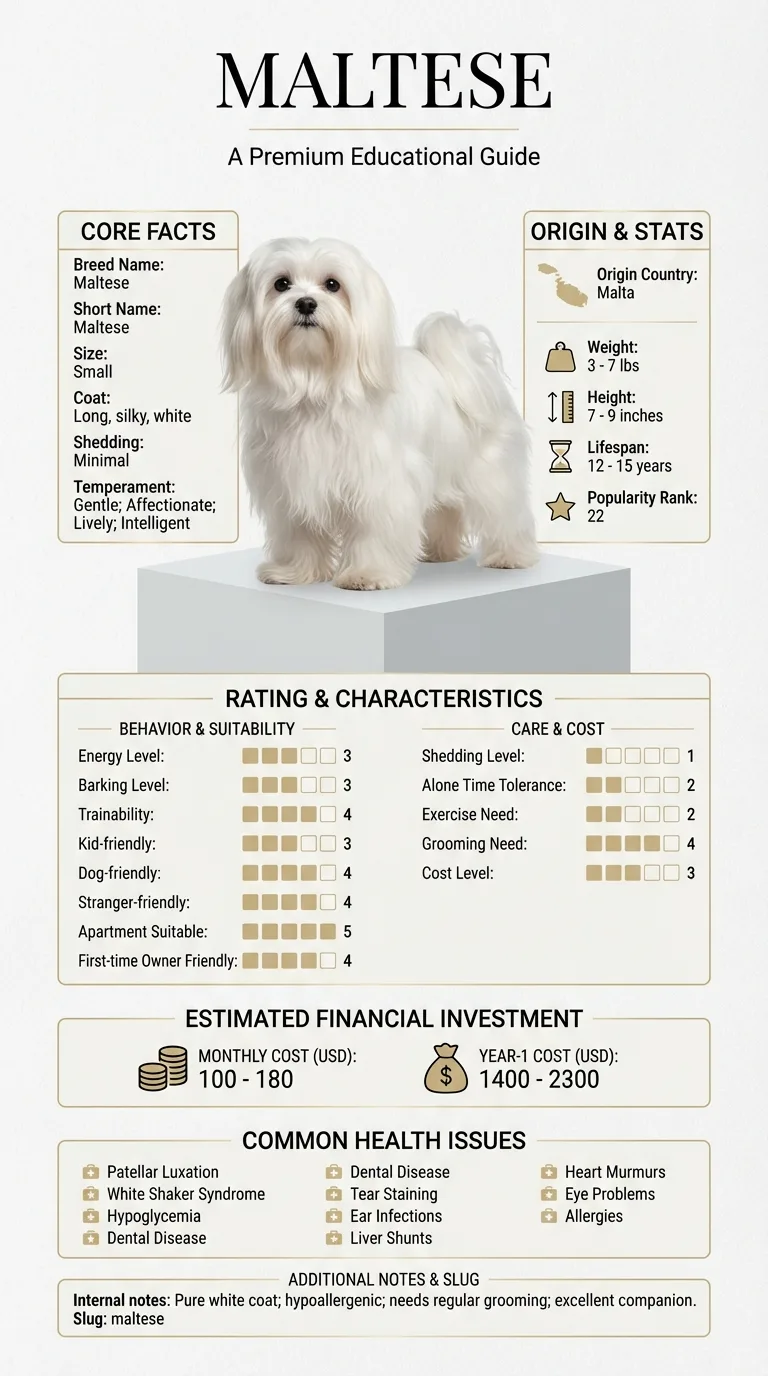
See all Maltese health problems, which breeds are prone to small nostrils stenotic nares, or the full Maltese breed guide for temperament, exercise needs and ownership costs.
You can expect to see improvements in your Maltese's breathing within a few weeks after starting care or treatment.
Success means your Maltese is breathing more easily, showing increased energy, and is less stressed during exercise or play.
Maggie, a busy nurse in Chicago, noticed her Maltese, Benny, struggled to breathe during walks. After consulting her vet, she learned that Benny had small nostrils, a common issue in the breed. With a combination of gentle training exercises and regular vet visits, Maggie focused on keeping Benny calm during play and gradually introduced more outdoor time. Within a month, Benny was not only breathing better but also had more energy to play with the kids.
Key takeaway: With patience and proper guidance, even common health issues like small nostrils can be managed to improve your dog's quality of life.
Maltese dogs often have small nostrils due to their brachycephalic (short-nosed) structure. This can lead to breathing difficulties and other health issues. Genetics and selective breeding for certain physical traits contribute to this condition. This answer relates to Maltese small nostrils (stenotic nares).
To help your Maltese, ensure they maintain a healthy weight, as obesity can worsen breathing issues. Regular veterinary check-ups are crucial for monitoring their respiratory health. If breathing difficulties persist, your vet may recommend surgical options.
Common signs include excessive panting, snoring, coughing, or difficulty exercising. If your Maltese shows any of these symptoms, consult your veterinarian. Early intervention can prevent more severe complications.
While training cannot change the physical structure of their nostrils, it can help manage anxiety and promote calm behavior. Focus on positive reinforcement techniques to encourage relaxation during stressful situations.
Keep your Maltese in a cool environment to prevent overheating, as they can struggle with heat. Avoid strenuous exercise during hot weather and provide plenty of water. Additionally, consider using a harness instead of a collar to reduce pressure on their throat.
Yes, small nostrils can limit your Maltese's ability to breathe efficiently during exercise. This may cause them to tire quickly or struggle with physical activity. It's crucial to adjust their exercise routine to avoid overexertion.
In some cases, surgery may be recommended to widen the nostrils and improve airflow. However, this decision should be made in consultation with your veterinarian to evaluate the severity of the condition and your dog's overall health.
For older Maltese, maintaining a calm environment and limiting strenuous activities can help. Regular vet check-ups are essential to monitor their breathing. Consider using a harness instead of a collar to reduce pressure on their throat.
If you notice persistent breathing issues, such as labored breathing or excessive snoring, it's time to see a vet. Early intervention can prevent further complications and help improve your Maltese's quality of life.
Monitor your Maltese for breathing difficulties and keep them cool. Regular vet visits are essential for health checks.
Monthly costs range from $100 to $180, depending on grooming, food, and vet care. Consider additional costs for any necessary treatments.
Yes, they can face various health problems, including breathing issues. Regular vet check-ups are critical.
Training can help manage anxiety but won't fix structural issues. Positive reinforcement is key.
A one-page prep sheet for this condition: the signs, the questions to ask, what to get priced. Unlocks here.
You get: Vet visit prep sheet
No spam. One-click unsubscribe. See our privacy policy.
See a sample page before you decide.
Early access list
The free prep sheet covers the same-day warning signs, a symptom log and the questions to ask. We are considering a fuller kit that adds a cost worksheet for the usual tests and treatments (US price ranges with their sources) and a plain-English guide to ways of covering the bill. It is not built yet; this list tells us whether it is worth building.
One email, no spam, unsubscribe anytime. Information only, not veterinary advice.