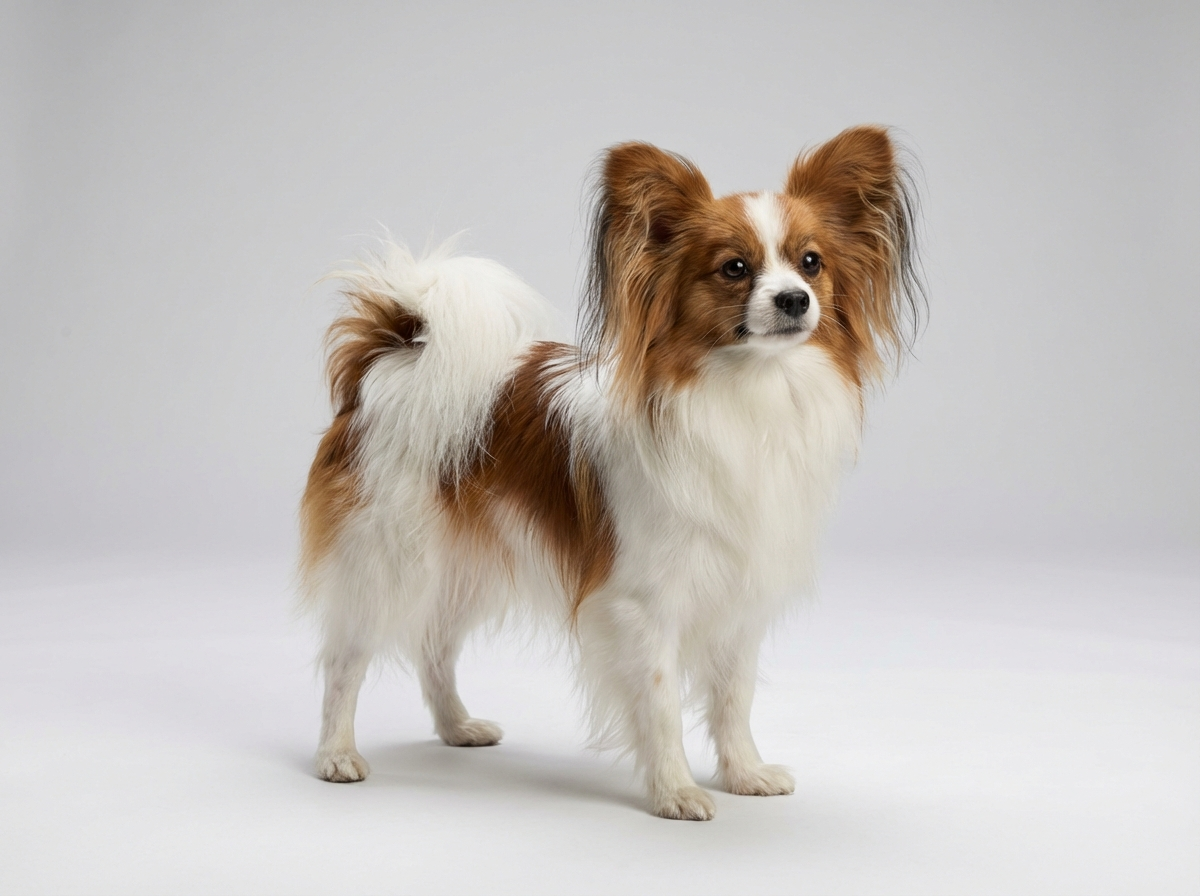
Health
What is genetic load in dog breeding?
The accumulated burden of harmful or potentially harmful genetic variants across a breed's gene pool, a structural feature of any closed, purebred population.

Quick answer
What is genetic load in dog breeding?
The accumulated burden of harmful or potentially harmful genetic variants across a breed's gene pool, a structural feature of any closed, purebred population.
Genetic load is a real concept in purebred dog genetics. Whether any single breed has been shown to carry the most of it is a much shakier claim than it sounds.
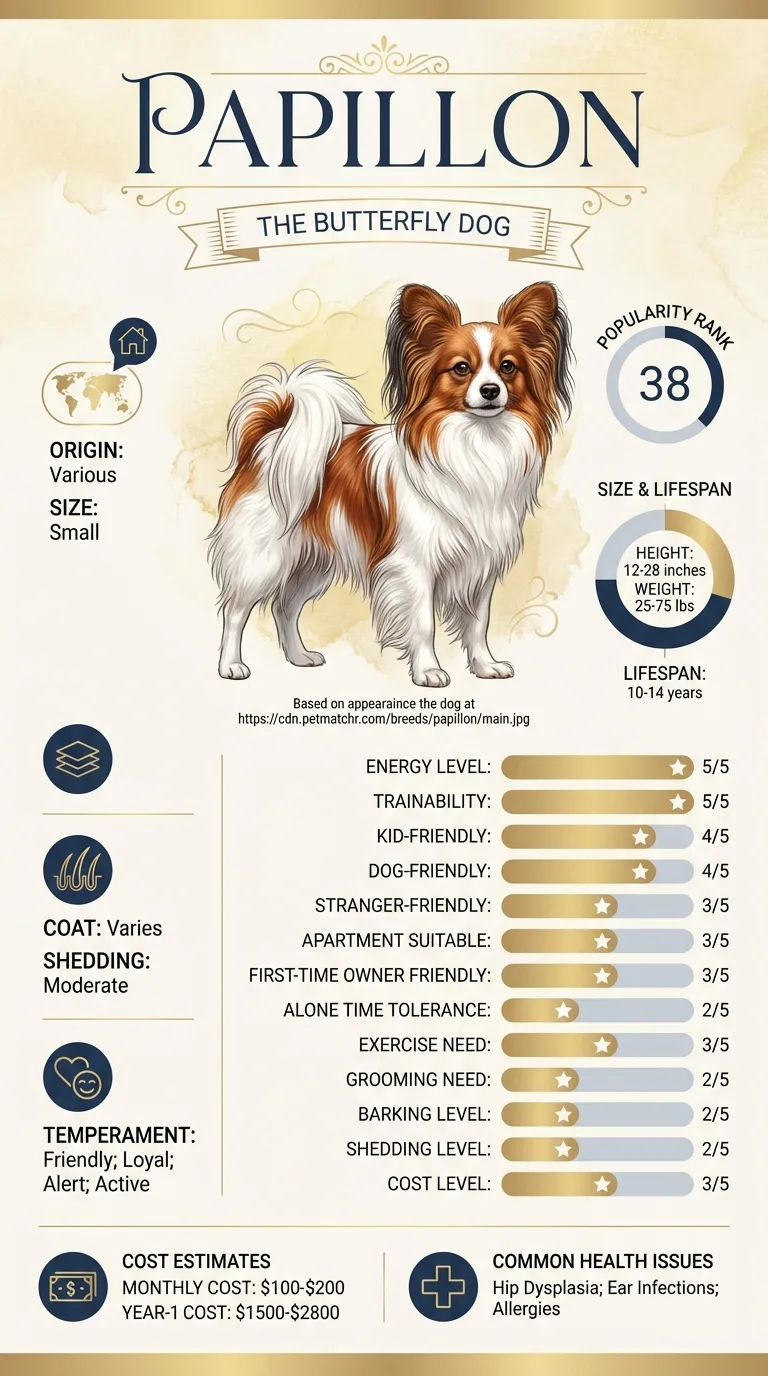
This affects owners who have run a DNA health panel on their Papillon and are looking at a list of carrier results without a clear sense of what any of it means for their dog's actual day-to-day risk.
This guide is not medical advice. If your dog shows pain, sudden behavior change, or worsening symptoms, consult a licensed veterinarian.
Some links may be affiliate links. We may earn a commission at no extra cost to you. We only suggest products we believe are helpful for dog owners.
We research and check what we publish, but we do not warrant that any figure, date, price, or statement is accurate, complete, or current, and we accept no liability for any loss, cost, injury, or other harm arising from the use of this site. Use it as one reference among several. You remain responsible for your own decisions and for your dog's care - confirm anything that matters with a licensed veterinarian or another qualified professional before you act on it. Full disclaimer.
Genetic load describes the accumulated burden of harmful or potentially harmful variants in a breed's gene pool, a real and structural feature of any closed purebred population. Specific claims that rank one breed above all others on this measure are less settled than they are often presented, since published genomic surveys differ in method and sample. For a Papillon owner, the practically useful question is not where the breed ranks on any list, but what a specific DNA panel says about an individual dog against the conditions actually documented in the breed.
Some degree of accumulated genetic load exists in every closed-population purebred breed, so in that general sense it applies to Papillons as it does to any other breed. Specific superlative rankings of breeds against each other are not consistently supported across published studies, so how the Papillon compares to other breeds on this particular measure is not something this guide can state as settled fact.
Like all purebred dogs, the Papillon descends from a limited founder population, and generations of breeding within that closed gene pool have carried forward both beneficial and harmful variants. This is a structural feature of purebred population genetics generally rather than something unique to how Papillons specifically have been bred.
Genetic load itself is not influenced by an individual dog's environment; it is fixed at conception. What environment and management do influence is whether a dog that happens to be affected by a given condition, rather than merely a carrier, experiences it mildly or severely, and how early it is identified through testing.
Talk to a vet about any DNA panel result marked as affected, rather than carrier, to understand what monitoring or management may be appropriate. There is no emergency urgency tied to genetic load itself; the priority is interpreting results correctly rather than reacting to them quickly.
See all Papillon health problems, which breeds are prone to genetic load, or the full Papillon breed guide for temperament, exercise needs and ownership costs.
Interpreting a DNA panel result correctly is a same-appointment conversation with a vet, not a drawn-out process. Any actual management plan depends entirely on which specific condition, if any, is confirmed as affected rather than carrier.
Success looks like an owner who can read a genetic panel result confidently, distinguish carrier from affected, and use the information to inform real decisions, rather than reacting to a vague population-level claim about the breed.
Genetic load, in the way population geneticists use the term, refers to the accumulated burden of harmful or potentially harmful genetic variants carried across a population's collective gene pool. Every purebred dog breed descends from a limited founder population, and every generation since has passed variants forward, including recessive ones that cause no problem in a single copy and only matter if a dog inherits two copies, one from each parent.
This is not unique to any one breed. It is a structural consequence of how all purebred populations are built: a closed gene pool, drawn from a finite number of founding dogs, with generations of breeding decisions layered on top. Some published genomic surveys have attempted to rank breeds by measures of genetic diversity or load, and these studies vary in their methods, their sample sizes, and which breeds they include, which is part of why a single superlative claim, this breed has the most, rarely holds up cleanly across different datasets.
What matters more for an individual dog is not where its breed ranks on some study's list, but what specific conditions are actually documented in that breed and what a DNA panel says about that individual animal. For the Papillon, the conditions with a documented track record are patellar luxation, progressive retinal atrophy, dental disease, open fontanel, and collapsing trachea. A genetic panel result is useful precisely because it moves the conversation from a vague population-level claim to a specific, individual answer: is this dog a carrier, affected, or clear for a defined list of tested conditions.
A carrier result for a recessive condition means a dog carries one copy of a variant and will not develop that condition itself, though it could pass the variant to puppies if bred to another carrier. This distinction, carrier versus affected, is the single most important thing to understand when reading any panel result, and it is exactly the detail that a broad claim about breed-wide genetic load leaves out entirely.
A panel result is most useful as an individual, actionable data point, not as evidence for or against a claim about where the breed sits on some genetic-load league table.

Noor ran a broad DNA health panel on her Papillon, Chip, mostly out of curiosity after seeing an article online claiming the breed carried an unusually high genetic load compared to other purebred dogs. The report came back with six carrier flags across different recessive conditions, and her first reaction was alarm, since the number seemed high against what she had read. She brought the report to Chip's next vet visit rather than trying to interpret it herself. The vet walked through it line by line: every flagged result was carrier status, not affected, meaning Chip had one copy of each variant and would not develop any of the associated conditions himself. None of the six matched the conditions actually documented as common in the breed, patellar luxation and progressive retinal atrophy among them, which the vet checked separately. What had read as an alarming number on the report turned out to be an entirely unremarkable result once carrier and affected were properly distinguished. Noor kept the report on file, useful mainly for the day, if it ever came, that Chip was considered for breeding, rather than as evidence of anything wrong with him now.
Key takeaway: A long list of carrier results on a DNA panel is common and not, by itself, evidence of poor health; the distinction between carrier and affected is what actually determines whether a result means anything for your dog today.
This specific superlative claim circulates widely but is not something this guide can confirm as an established fact; genomic diversity studies vary by methodology and dataset, and rankings differ between them. What is well established is that all purebred populations, including Papillons, carry some accumulated genetic load as a structural feature of a closed gene pool.
It means the dog has one copy of a variant associated with a recessive condition and will not develop that condition itself. It becomes relevant mainly for breeding decisions, since two carriers bred together can produce affected puppies.
Multiple carrier results across different recessive conditions are common and not, by themselves, a sign of poor health, since almost every dog carries some recessive variants. The relevant question is whether any result is marked as affected rather than carrier.
Patellar luxation, progressive retinal atrophy, dental disease, open fontanel, and collapsing trachea are the conditions with a documented track record in the breed. This is a more useful reference point than a general claim about genetic load.
No. Genetic load describes a population-level accumulation of variants, most of which are recessive and require two copies to cause disease. An individual dog's actual health depends on its specific inherited variants and general care, not a population statistic.
It can be useful, particularly if you are considering breeding or simply want a clearer individual picture than general breed claims provide. It is optional for a companion dog with no breeding plans, though many owners find it reassuring to have specific answers rather than general uncertainty.
Panels covering a broad range of inherited conditions typically run from around one hundred to a few hundred dollars, depending on the provider and how many conditions are included.
The accumulated burden of harmful or potentially harmful genetic variants across a breed's gene pool, a structural feature of any closed, purebred population.
No, a carrier result means one copy of a recessive variant is present; the dog does not develop the condition itself unless it also inherited a second copy.
No, published studies vary in method and sample and do not agree on a single fixed ranking, so a specific superlative claim about one breed should be treated with caution.
Typically around one hundred to a few hundred dollars depending on the provider and the number of conditions screened.
Patellar luxation, progressive retinal atrophy, dental disease, open fontanel, and collapsing trachea are the conditions with a documented track record in the breed.
A one-page prep sheet for this condition: the signs, the questions to ask, what to get priced. Unlocks here.
You get: Vet visit prep sheet
No spam. One-click unsubscribe. See our privacy policy.
Preview page 1 before you decide.