Behavior
What are some quick tips for managing Rottweiler genetic load?
Choose a responsible breeder, schedule regular vet visits, and provide a balanced diet. Early training and socialization are also crucial.

Quick answer
What are some quick tips for managing Rottweiler genetic load?
Choose a responsible breeder, schedule regular vet visits, and provide a balanced diet. Early training and socialization are also crucial.
Rottweiler genetic load refers to the accumulation of harmful genetic variants that can affect a dog's health and behavior. This issue is crucial for Rottweiler owners to understand.
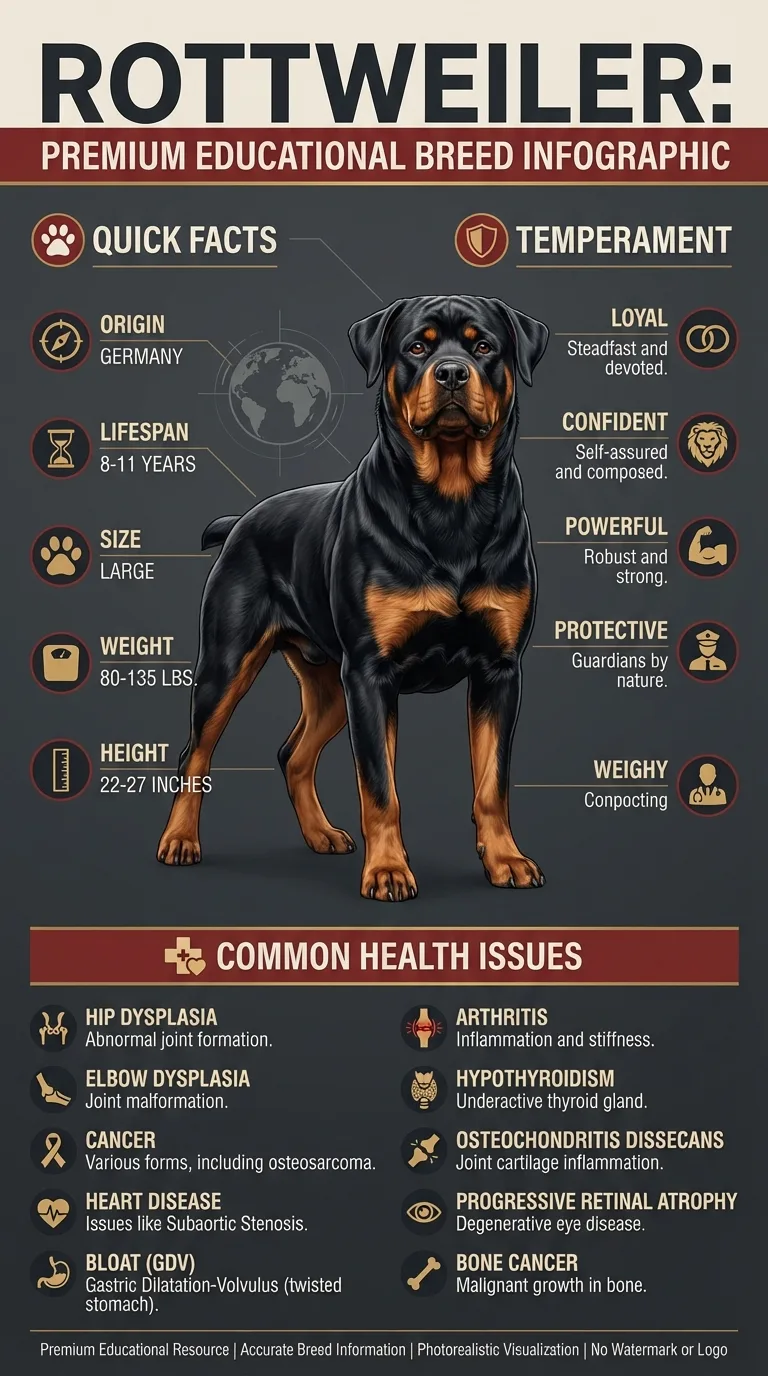
First-time Rottweiler owners or busy families may struggle the most with understanding genetic load. Owners who are unaware of the potential health challenges could face unexpected vet bills and behavior issues.
This guide is not medical advice. If your dog shows pain, sudden behavior change, or worsening symptoms, consult a licensed veterinarian.
Some links may be affiliate links. We may earn a commission at no extra cost to you. We only suggest products we believe are helpful for dog owners.
We research and check what we publish, but we do not warrant that any figure, date, price, or statement is accurate, complete, or current, and we accept no liability for any loss, cost, injury, or other harm arising from the use of this site. Use it as one reference among several. You remain responsible for your own decisions and for your dog's care - confirm anything that matters with a licensed veterinarian or another qualified professional before you act on it. Full disclaimer.
Check this first
Understanding when Rottweiler genetic load becomes an emergency is crucial for your dog's health. Some signs indicate you should call your vet immediately, while others can be monitored at home. Knowing the difference can save your Rottweiler's life.
If any of these apply, call your vet or an emergency clinic now. The rest of this page is for the cases that are not an emergency.
Rottweiler genetic load refers to the accumulation of harmful genetic variants that may affect your dog's health and behavior. This can manifest in various ways, such as increased susceptibility to certain diseases, developmental issues, and behavioral challenges. Owners may notice that their Rottweiler has specific health problems more frequently than other breeds, which can be distressing.
Genetic load is a significant concern for Rottweilers, as they often rank high in health issues related to genetic factors. Studies show that many Rottweilers may suffer from conditions like hip dysplasia and heart disease, making awareness of their genetic background crucial for prospective owners.
Rottweilers have a genetic load that can result in a higher concentration of harmful genetic traits. These traits may lead to common health issues like hip dysplasia and heart disease. Understanding these hereditary factors is vital for managing your Rottweiler's well-being.
Environmental factors also play a role. Poor nutrition, lack of exercise, and inadequate socialization can exacerbate genetic predispositions. A stressful environment may intensify behavior problems linked to genetic load.
Consult your vet if you notice signs of health issues or if your dog seems overly anxious or aggressive. Regular check-ups can help catch potential health problems early and ensure your Rottweiler's well-being.
Avoiding these common mistakes can help manage your Rottweiler's genetic load more effectively.
See all Rottweiler health problems, which breeds are prone to genetic load, or the full Rottweiler breed guide for temperament, exercise needs and ownership costs.
Over 6 to 12 months, you can expect to see gradual improvements in your Rottweiler’s behavior and overall health as you implement care adjustments and follow-up with your vet.
Success means a noticeable reduction in behavioral issues, improved health markers, and a more balanced, happy Rottweiler that fits well into your family life.
If your Rottweiler shows any of the following symptoms, do not hesitate to contact your veterinarian:

In less severe cases of Rottweiler genetic load, you may monitor your pet at home. Symptoms that require observation include mild lethargy, occasional vomiting, or minor changes in appetite. Create a plan to track these symptoms and consult your vet if they worsen.

When Sarah adopted Max, her Rottweiler, she quickly noticed he struggled with anxiety and behavioral issues, stemming from a high genetic load. After consulting with a vet and a trainer, she began a consistent training program focused on positive reinforcement and socialization. Within months, Max became calmer and more confident, allowing him to enjoy outings without overwhelming stress.
Key takeaway: With the right training and support, you can help a Rottweiler with a genetic load thrive, turning challenges into strengths.
Rottweilers can have a higher genetic load due to selective breeding practices that prioritize certain traits. This can lead to an accumulation of harmful genetic variants that may cause health issues. Understanding your Rottweiler's lineage can help identify potential risks.
Stopping genetic load isn't straightforward, but you can manage it by selecting a responsible breeder who tests for genetic health issues. Regular health screenings and a quality diet can also help mitigate some effects of genetic burden. Early socialization and training are crucial to ensure a well-adjusted dog.
Rottweilers may face health problems like hip dysplasia, heart disease, and certain cancers due to genetic load. Being aware of these risks can guide you in providing preventive care and making informed decisions about your dog's health. Regular vet check-ups are essential.
Training can address behavioral issues that arise from genetic load, such as anxiety or aggression. Positive reinforcement techniques can foster good behavior and enhance your Rottweiler's quality of life. Consistency and patience are key in training.
Incorporating regular exercise, mental stimulation, and a balanced diet can significantly improve your Rottweiler's health. Reducing stress factors in their environment also helps. Consistent routines can create a sense of security for your dog.
Signs of genetic load in Rottweilers may include frequent health issues like hip dysplasia or heart disease. If your Rottweiler seems to tire easily, has joint problems, or shows unusual behavior, it's a good idea to consult your vet for a thorough check-up.
While you can't change a dog's genetic makeup, you can manage the genetic load through responsible breeding practices. This includes choosing a reputable breeder who conducts health screenings and focuses on minimizing genetic health issues.
Yes, genetic load is often hereditary, meaning it can be passed from parent to puppy. This makes it crucial to choose breeding pairs that have been screened for common health issues to reduce the likelihood of genetic problems.
Genetic load can significantly impact a Rottweiler's lifespan. Dogs with higher genetic loads may be more susceptible to serious health conditions, which can shorten their lifespan, typically ranging from 8 to 11 years.
Choose a responsible breeder, schedule regular vet visits, and provide a balanced diet. Early training and socialization are also crucial.
For healthy adults, annual check-ups are ideal, while puppies and older dogs may need more frequent visits. Regular screenings can catch potential issues early.
Look for changes in behavior, weight loss, difficulty walking, or unusual lethargy. These signs may indicate underlying health concerns that require veterinary attention.
Introduce your Rottweiler to various people, environments, and other animals gradually. Positive experiences during socialization can reduce anxiety and improve behavior.
Positive reinforcement is most effective for Rottweilers. Reward good behavior with treats or praise to encourage learning and build trust.
A one-page prep sheet for this condition: the signs, the questions to ask, what to get priced. Unlocks here.
You get: Vet visit prep sheet
No spam. One-click unsubscribe. See our privacy policy.
Preview page 1 before you decide.