Health
Is this breed considered anesthesia-sensitive?
Not in the documented way sighthounds are. Their risk factors are more about size, coat, and bloat than drug metabolism.

Quick answer
Is this breed considered anesthesia-sensitive?
Not in the documented way sighthounds are. Their risk factors are more about size, coat, and bloat than drug metabolism.
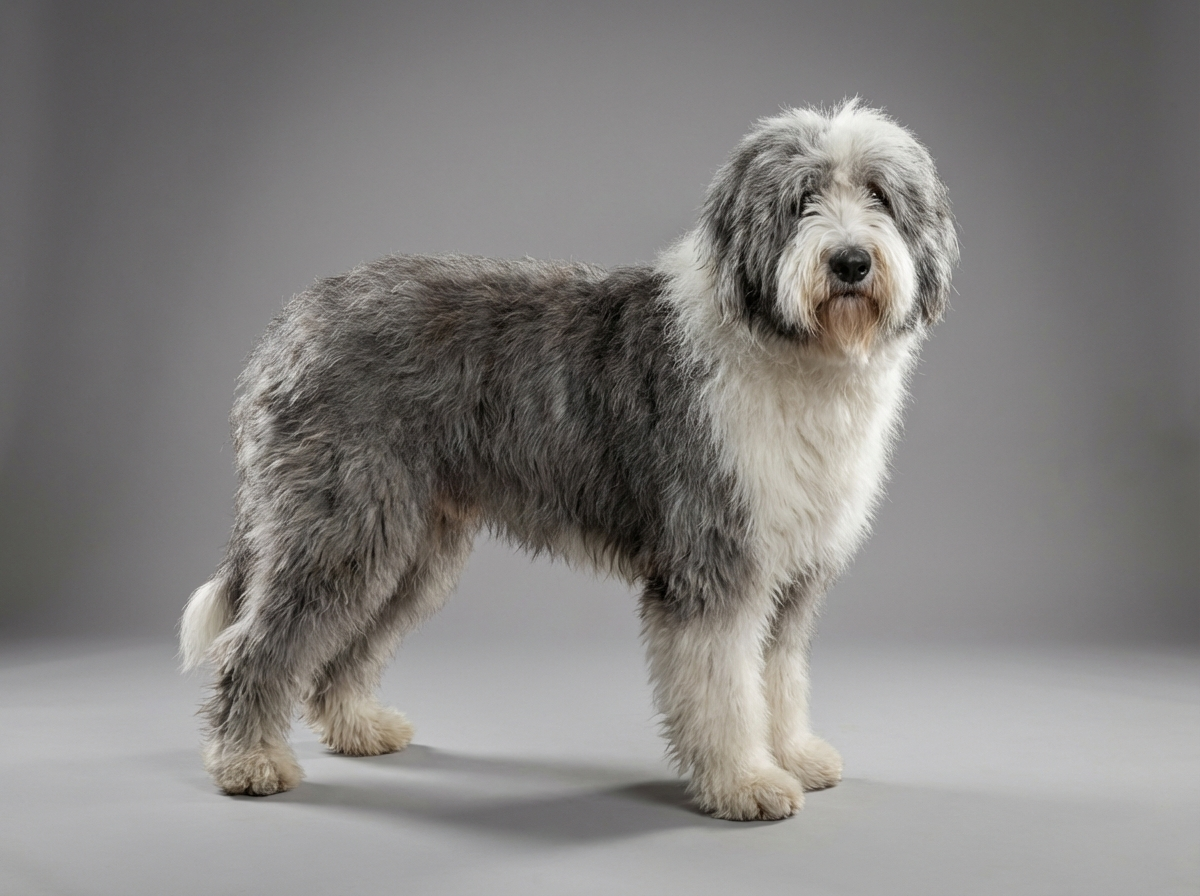
If you've read that some breeds are 'anesthesia sensitive' and are wondering whether that applies to your Old English Sheepdog, the honest answer is: not in the way it applies to a Greyhound, but size and coat still matter here.
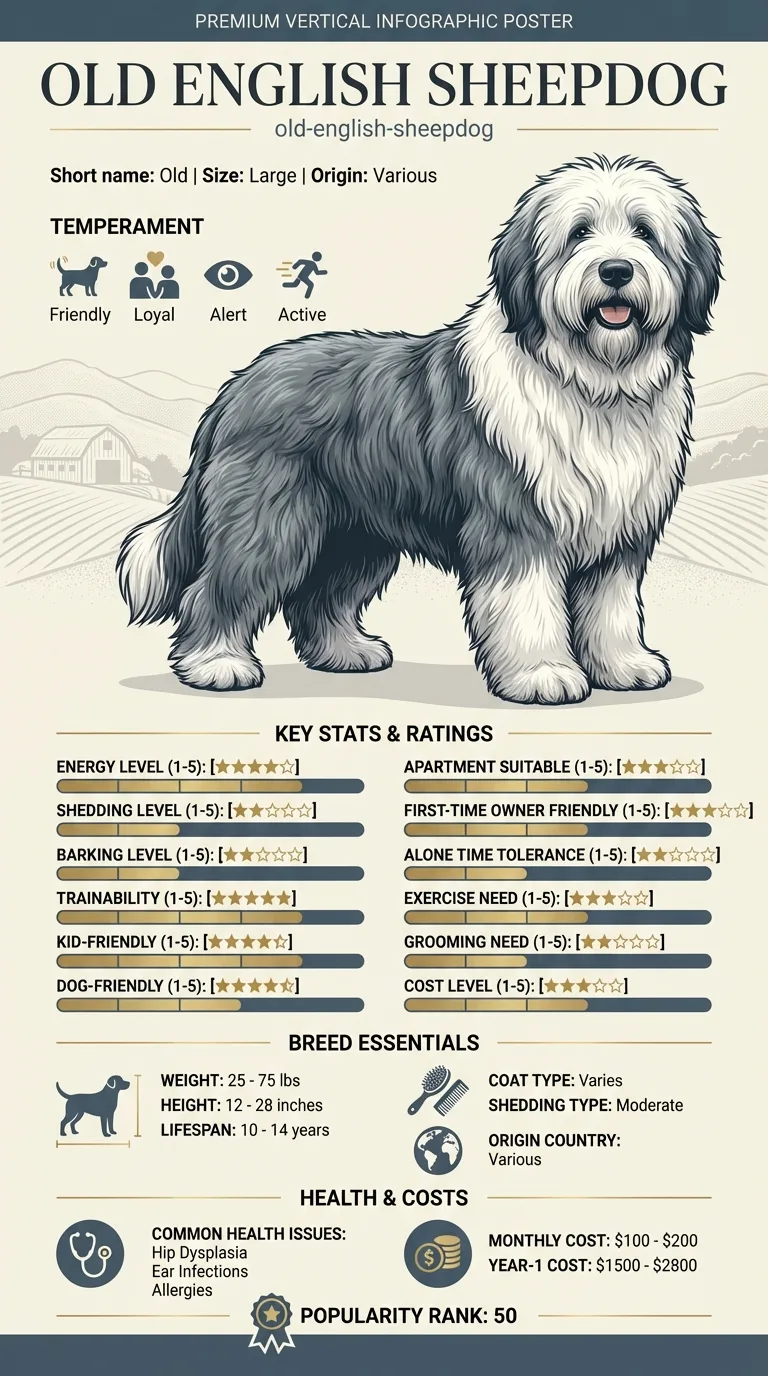
This mostly worries owners ahead of a planned surgery, like a spay, neuter, or dental cleaning, who have read general warnings online and aren't sure which parts actually apply to their dog's breed and build.
This guide is not medical advice. If your dog shows pain, sudden behavior change, or worsening symptoms, consult a licensed veterinarian.
Some links may be affiliate links. We may earn a commission at no extra cost to you. We only suggest products we believe are helpful for dog owners.
Check this first
A normal recovery involves grogginess, mild wobbliness, and a return to normal behavior within 12-24 hours. Persistent vomiting, a swollen or hard abdomen, unproductive retching, pale gums, collapse, or a dog that won't stand at all beyond the expected recovery window are not normal and warrant an immediate call to the vet who performed the procedure or an emergency clinic.
Because this breed carries a documented bloat risk, any abdominal swelling or unproductive retching in the hours after anesthesia should be treated as a potential emergency rather than assumed to be routine post-surgical discomfort. This is one of the few genuinely breed-relevant anesthesia concerns for an Old English Sheepdog, and it has nothing to do with drug metabolism and everything to do with body shape and gut motility during recovery.
If any of these apply, call your vet or an emergency clinic now. The rest of this page is for the cases that are not an emergency.
Anesthesia sensitivity, in the strict medical sense, refers to breeds whose body composition changes how anesthetic drugs are metabolized. Old English Sheepdogs are not documented as one of these breeds. Their real anesthesia-related risk factors are their large size, dense coat, and documented bloat predisposition, which shape dosing, temperature management, and recovery monitoring rather than drug choice itself.
Genuine anesthesia complications are uncommon in healthy dogs of any breed when standard precautions are followed. Concern about this topic is common; documented complications specific to this breed's anesthesia handling are not.
This breed carries no documented genetic anesthesia sensitivity. What it does carry is a large body size, meaning weight-based dosing and monitoring take on more importance, and a documented predisposition to bloat, which makes gut motility during recovery a real point of attention that a small or medium breed's recovery plan wouldn't need to weigh as heavily.
A clinic environment that doesn't account for a large, heavily coated dog, such as inadequate temperature monitoring under thick fur, or standard rather than breed-adjusted fasting instructions, is more likely to produce a rough recovery than the anesthesia drugs themselves.
Call immediately if you notice a swollen or hard abdomen, unproductive retching, pale or blue-tinged gums, a dog that won't stand well beyond the expected grogginess window, or any vomiting that continues beyond a single episode after coming home.
Most anesthesia complications in this breed trace back to preparation gaps rather than the drugs themselves.
See all OLD English Sheepdog health problems, which breeds are prone to anesthesia sensitivity, or the full OLD English Sheepdog breed guide for temperament, exercise needs and ownership costs.
Most dogs are alert and eating within a few hours of a routine anesthetic procedure and largely back to normal within 24-48 hours, with full activity resuming per your vet's specific timeline for the procedure performed.
Success is an uneventful recovery: steady appetite, normal bathroom habits, a soft abdomen, and a gradual return to normal energy over one to two days.
Barley, an eight-year-old Old English Sheepdog, was scheduled for a routine dental cleaning under anesthesia. His owner nearly skipped the optional pre-anesthetic bloodwork to save money, but the vet recommended it given his age and breed. The panel came back showing a mildly underactive thyroid that hadn't caused obvious symptoms yet. The vet adjusted the anesthesia plan slightly and monitored Barley more closely during recovery. He came through the procedure without incident, and the thyroid finding led to an ongoing treatment plan that likely would have gone undiagnosed for months otherwise.
Key takeaway: The bloodwork that seems like an optional add-on before anesthesia is often what catches a real, breed-relevant issue before it becomes a bigger problem.
No. The well-documented anesthesia sensitivity in some breeds is tied to very low body fat, most notably in sighthounds like Greyhounds and Whippets. Old English Sheepdogs don't share that body type and aren't documented as a high-sensitivity breed in the same way.
Focus on the things that are genuinely relevant to this breed: pre-anesthetic bloodwork given the documented hypothyroidism risk, careful fasting given the documented bloat risk, and a recovery plan that accounts for a large, heavily coated dog's temperature regulation.
Not directly, but a thick coat can make it harder to visually spot early signs of a temperature problem or skin reaction during recovery, so vet staff monitoring this breed should be checking skin and gum color directly rather than relying on how the coat looks.
It's a reasonable question to raise with your vet, since untreated hypothyroidism, a documented issue in this breed, can affect drug metabolism and recovery. Many vets already include thyroid screening in senior pre-anesthetic panels.
Most dogs are largely back to normal within 24-48 hours, though full activity restrictions typically continue for 10-14 days to protect the incision, regardless of anesthesia recovery.
Yes, indirectly. Any large, deep-chested dog undergoing anesthesia has some elevated risk around gut motility and gas buildup during recovery, and because this breed already carries a documented bloat predisposition, post-anesthesia abdominal monitoring deserves extra attention.
No. Follow your vet's specific fasting instructions, which exist to reduce aspiration risk under anesthesia and are especially important in a large, deep-chested breed.
Not in the documented way sighthounds are. Their risk factors are more about size, coat, and bloat than drug metabolism.
Pre-anesthetic bloodwork, including a thyroid check, given the breed's documented hypothyroidism risk.
Most dogs are near-normal within 24-48 hours, with activity restrictions continuing for about two weeks.
Yes, generally, since dosing and monitoring time scale with body weight, making anesthesia for a 60-100 lb dog costlier than for a small breed.
A swollen or hard abdomen, or unproductive retching, given the breed's documented bloat risk. That combination warrants an immediate vet call.
A one-page prep sheet for this condition: the signs, the questions to ask, what to get priced. Unlocks here.
You get: Vet visit prep sheet
No spam. One-click unsubscribe. See our privacy policy.
Preview page 1 before you decide.