Health
Does this breed get true cardiomyopathy?
It's not a documented predisposition in this breed. Hypothyroidism, which is documented, often mimics some of the same symptoms.

Quick answer
Does this breed get true cardiomyopathy?
It's not a documented predisposition in this breed. Hypothyroidism, which is documented, often mimics some of the same symptoms.
A lethargic, weight-gaining dog with a slow heart rate might have owners worried about their heart, when the actual answer is often sitting in a simple thyroid blood panel.
This is relevant to owners who've noticed a cluster of symptoms, low energy, weight gain, general sluggishness, and are trying to figure out whether it's cardiac or something else entirely.
This guide is not medical advice. If your dog shows pain, sudden behavior change, or worsening symptoms, consult a licensed veterinarian.
Some links may be affiliate links. We may earn a commission at no extra cost to you. We only suggest products we believe are helpful for dog owners.
We research and check what we publish, but we do not warrant that any figure, date, price, or statement is accurate, complete, or current, and we accept no liability for any loss, cost, injury, or other harm arising from the use of this site. Use it as one reference among several. You remain responsible for your own decisions and for your dog's care - confirm anything that matters with a licensed veterinarian or another qualified professional before you act on it. Full disclaimer.
Check this first
Collapse, fainting, pale or bluish gums, or severe difficulty breathing at rest point toward a genuine cardiac emergency and need immediate care, regardless of whether thyroid disease is also present. Gradual fatigue, weight gain, and a generally slow decline in energy, without any of those acute signs, are more consistent with hypothyroidism and warrant a prompt, but non-emergency, vet visit with bloodwork.
The practical value of understanding this overlap is knowing which direction to point the investigation. Since hypothyroidism is a documented, common, and highly treatable issue in this breed, while true cardiomyopathy is not a documented breed predisposition, thyroid testing is often the more efficient first step for a dog showing this symptom cluster.
If any of these apply, call your vet or an emergency clinic now. The rest of this page is for the cases that are not an emergency.
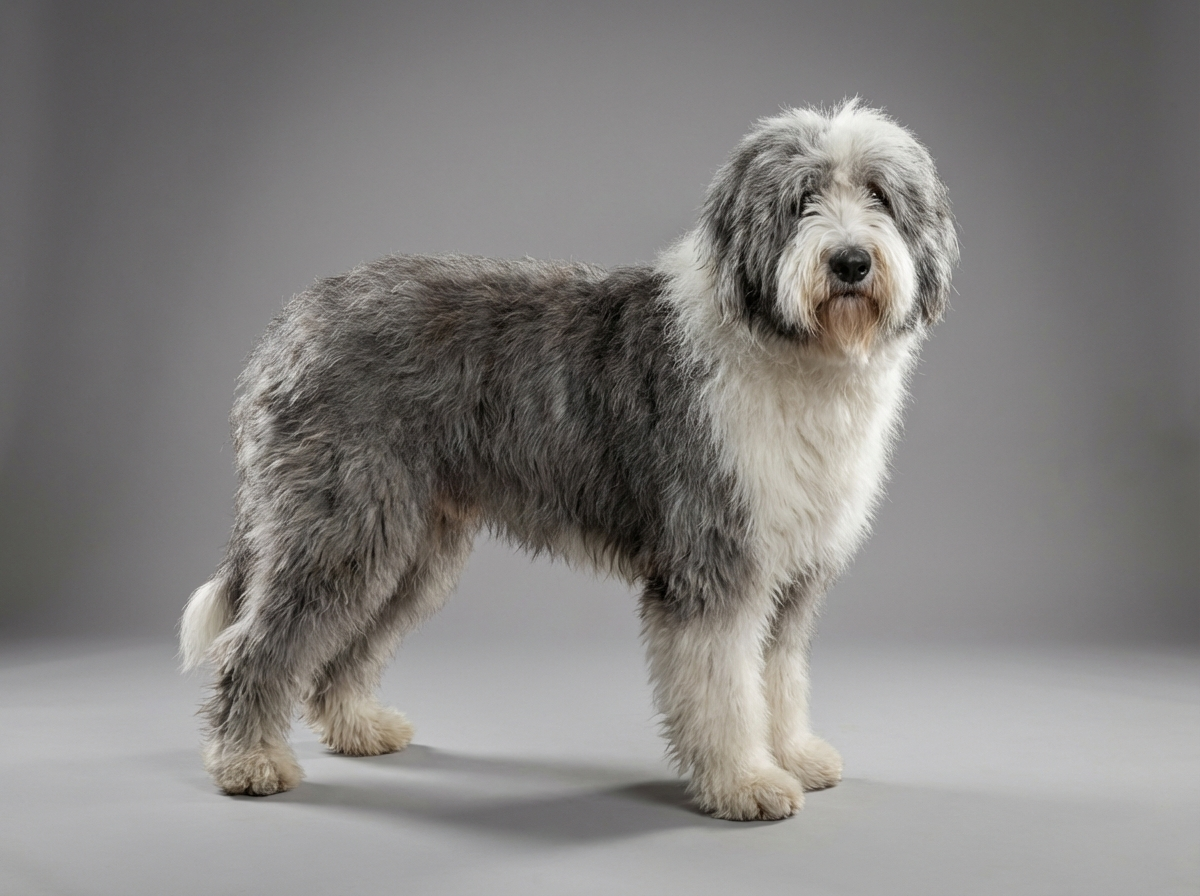
True cardiomyopathy is not documented in Old English Sheepdogs. The reason this topic matters for the breed is that hypothyroidism, a genuinely documented issue here, produces fatigue, weight gain, and a slowed heart rate that can look like heart muscle disease to an owner, even though the underlying cause and treatment are completely different.
True cardiomyopathy is not documented in this breed. Hypothyroidism, which can mimic some of its symptoms, is a well-documented and relatively common issue in Old English Sheepdogs as they age.
This breed carries a documented predisposition to hypothyroidism, an underactive thyroid gland, which slows overall metabolism and can produce symptoms, fatigue, weight gain, reduced stamina, and even a slowed heart rate, that overlap with what owners might expect from primary heart muscle disease, despite no documented cardiomyopathy predisposition existing in the breed.
Weight gain, often a consequence of untreated hypothyroidism itself, further reduces exercise tolerance and energy, compounding the appearance of a more serious underlying condition than what's actually present.
Talk to your vet about gradual fatigue, weight gain, or reduced exercise tolerance, and ask about thyroid testing given this breed's documented risk. Seek emergency care for collapse, fainting, pale or bluish gums, or severe breathing difficulty at rest.
Because thyroid and cardiac symptoms can look similar on the surface, jumping to conclusions in either direction causes delays.
See all OLD English Sheepdog health problems, which breeds are prone to cardiomyopathy, or the full OLD English Sheepdog breed guide for temperament, exercise needs and ownership costs.
Thyroid testing typically returns results within days, and treatment, once started, often shows improved energy within a few weeks, with full regulation and symptom resolution over one to two months.
Success looks like correctly identifying hypothyroidism as the cause when it is one, avoiding an unnecessary cardiac workup, and seeing energy and weight normalize on appropriate treatment.
If you think your Old has cardiomyopathy, the plan is three steps: write down what you have seen and when it started, book a veterinary appointment rather than waiting for the next flare, and take video of the behaviour or symptom before you go — the thing you are worried about rarely happens in the consulting room. Screening in the parents covers hip dysplasia, cataracts, hypothyroidism.
What the vet visit should produce is a diagnosis and a written plan, not just reassurance: what is being ruled out, what the monitoring interval is, and which signs mean you come back sooner. Ask what the treatment costs across a year rather than per visit, because that is the number that decides whether you are managing this condition or reacting to it.
Between appointments, keep a short log — dates, what you saw, what changed. It is the single most useful thing an owner brings to a follow-up, and for cardiomyopathy it is often what separates a clear pattern from a guess.
Percy, an eight-year-old Old English Sheepdog, had become noticeably slower on walks and had gained weight despite no change in diet. His owner, worried about his heart, requested a cardiac workup. The vet listened to his heart, found nothing concerning, but noted his heart rate was on the slow side, and suggested a thyroid panel first given the breed's documented hypothyroidism risk. The panel confirmed an underactive thyroid. Within six weeks of starting treatment and follow-up dose adjustment, Percy's energy returned and his weight began to normalize, with no cardiac disease ever actually present.
Key takeaway: Symptoms that look cardiac aren't always cardiac. In this breed specifically, the thyroid is worth checking early rather than last.
No, it isn't among Old English Sheepdogs' documented common health issues. Hypothyroidism is documented, and its symptoms can overlap enough with cardiomyopathy to cause confusion.
An underactive thyroid slows overall metabolism, which can include a slower heart rate, along with fatigue, weight gain, and reduced exercise tolerance, symptoms that look similar to what you'd expect from primary heart disease.
With a blood panel measuring thyroid hormone levels, typically alongside general bloodwork. It's a straightforward, common test, not an invasive or complex diagnostic step.
Yes, it's typically managed successfully with daily thyroid hormone replacement prescribed and monitored by a vet, with periodic blood tests to confirm dosing is correct.
That's a reasonable question for your vet, who can decide the most efficient order based on your dog's specific symptoms and exam findings. Given the documented thyroid link in this breed, it's often the more efficient starting point.
In many cases, yes, once thyroid hormone levels are properly regulated, heart rate and energy levels typically normalize, though your vet will confirm this with follow-up exams.
Many owners notice improved energy within a few weeks of starting treatment, though full symptom resolution and confirming the right dose can take a couple of months of monitoring and adjustment.
It's not a documented predisposition in this breed. Hypothyroidism, which is documented, often mimics some of the same symptoms.
A thyroid blood panel, given this breed's documented hypothyroidism risk.
Yes, an underactive thyroid can cause a slowed heart rate that resolves once hormone levels are corrected.
It's generally an affordable daily medication plus periodic blood tests, less costly than most cardiac treatment plans.
Many owners notice improved energy within a few weeks, with full regulation often taking a couple of months.
A one-page prep sheet for this condition: the signs, the questions to ask, what to get priced. Unlocks here.
You get: Vet visit prep sheet
No spam. One-click unsubscribe. See our privacy policy.
Preview page 1 before you decide.