Health
Why does this breed's weight gain go unnoticed?
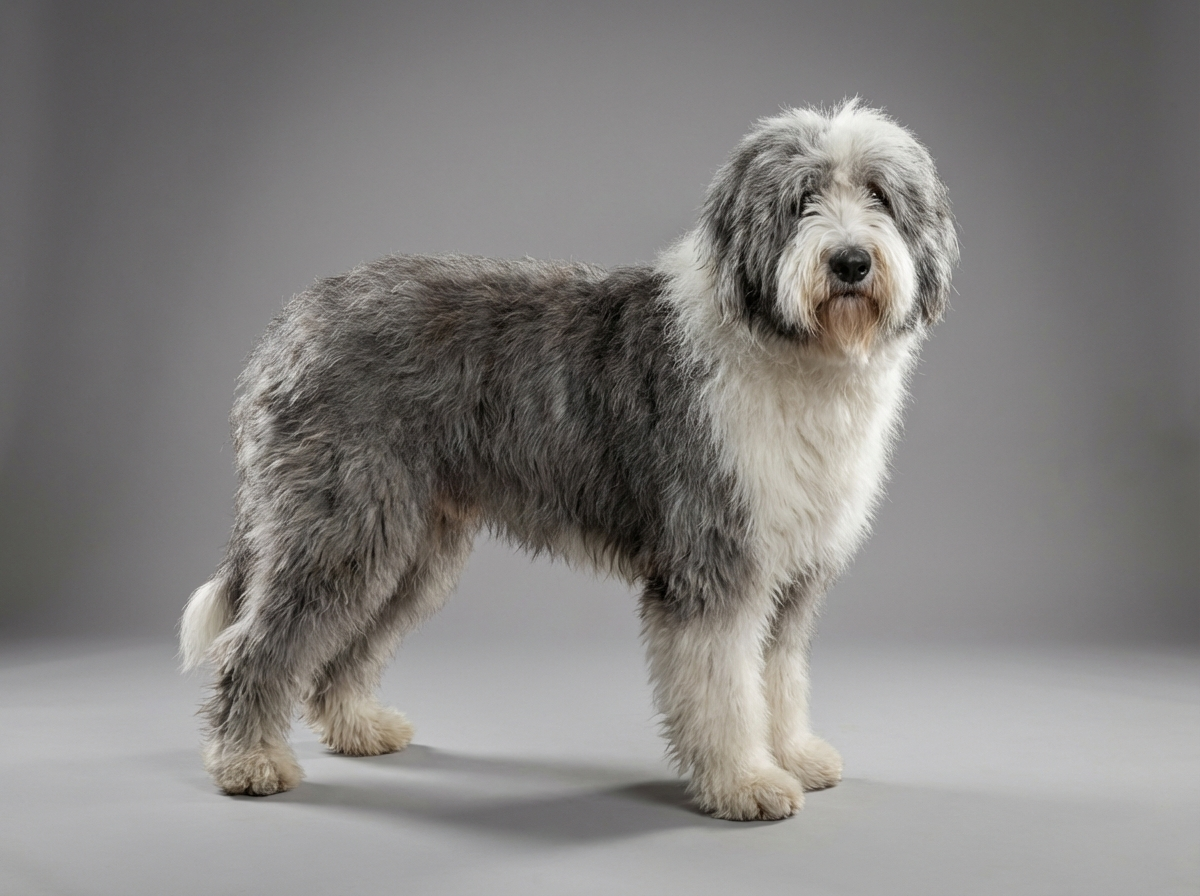
A thick double coat hides the visual and tactile cues owners normally use to judge body condition.

Quick answer
Why does this breed's weight gain go unnoticed?
A thick double coat hides the visual and tactile cues owners normally use to judge body condition.
You can't eyeball a body condition score through a foot of fur, which means this breed's weight gain often gets caught later than it would in a short-coated dog.
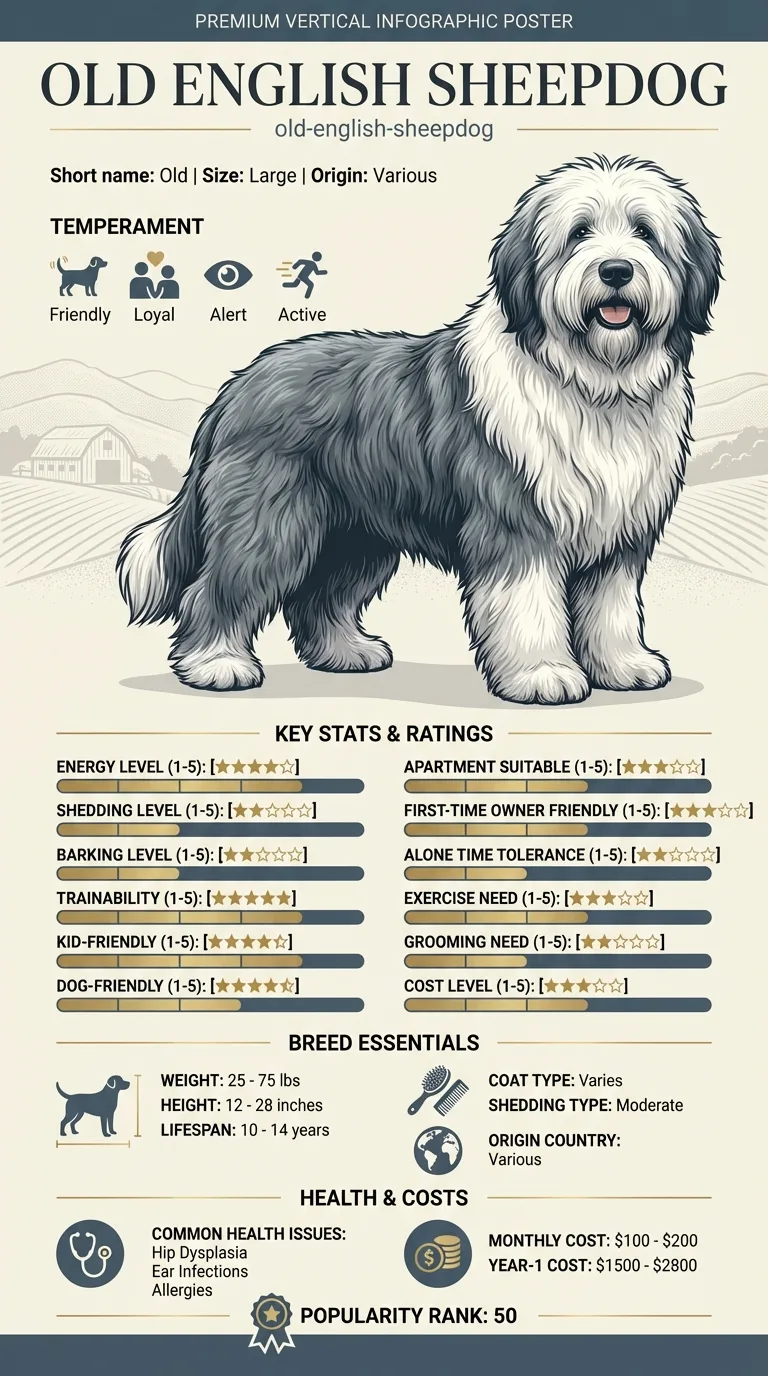
Owners who rely on visual impression rather than hands-on checks or a scale, and anyone whose dog's grooming burden has made regular exercise feel like one task too many.
This guide is not medical advice. If your dog shows pain, sudden behavior change, or worsening symptoms, consult a licensed veterinarian.
Some links may be affiliate links. We may earn a commission at no extra cost to you. We only suggest products we believe are helpful for dog owners.
We research and check what we publish, but we do not warrant that any figure, date, price, or statement is accurate, complete, or current, and we accept no liability for any loss, cost, injury, or other harm arising from the use of this site. Use it as one reference among several. You remain responsible for your own decisions and for your dog's care - confirm anything that matters with a licensed veterinarian or another qualified professional before you act on it. Full disclaimer.
Obesity in this breed is driven by a combination of a coat that visually hides weight gain and a moderate rather than extreme exercise need, meaning calorie intake can quietly outpace activity for months before anyone notices. Because this breed already carries documented joint, cardiac, and heat-tolerance risks, excess weight compounds several separate problems at once rather than being an isolated concern.
Obesity is a widespread issue across dogs generally, and this breed's coat and moderate activity profile make it a genuinely easy pattern to fall into, even though it isn't listed as a standalone documented health condition the way hip dysplasia or hypothyroidism are.
This breed's dense double coat obscures the visual and tactile signs of weight gain that owners typically rely on, while its moderate, rather than high, exercise need means daily activity doesn't automatically burn off excess calories the way it might in a higher-drive breed.
Imprecise portion control, high-calorie treats, reduced activity during hot weather given this breed's heat sensitivity, and less exercise during heavy grooming or shedding periods all contribute to a gradual calorie surplus.
Talk to your vet if a hands-on check reveals you can't easily feel ribs, or if your dog's activity level or breathing seems affected by its weight. Weight loss plans should be vet-guided, since the right pace and calorie target depend on your individual dog's health status.
See all OLD English Sheepdog health problems, which breeds are prone to obesity, or the full OLD English Sheepdog breed guide for temperament, exercise needs and ownership costs.
Gradual weight gain can take months to become visually obvious given this breed's coat, and safe weight loss, generally aiming for a slow, steady reduction rather than a rapid one, typically takes several months to reach a target weight.
Success looks like a body condition where ribs can be felt easily under the coat, improved stamina and comfort on walks, and reduced strain on joints and the heart, achieved through consistent portion control and activity rather than a quick fix.
Body condition is normally assessed by feeling for ribs and looking for a visible waist tuck from above, both of which a thick double coat actively obscures. A dog can be carrying a meaningful amount of extra weight while still looking, from a distance, like the same shaggy silhouette it's always had. Combine that visual camouflage with a breed whose exercise need is moderate rather than high, meaning owners aren't necessarily walking this dog for miles every day the way they might a more visibly demanding breed, and the conditions are set for slow, steady weight gain to go unnoticed for months. The fix isn't more guessing, it's a monthly hands-on check and, ideally, an actual scale weight tracked over time rather than relying on how the dog looks.
Excess weight isn't just a cosmetic issue in a breed already carrying real documented joint and organ risks.

Baxter, a six-year-old Old English Sheepdog in Cleveland, looked to his owner Karen like the same shaggy dog he'd always been, so when his vet's scale showed he'd gained nearly fifteen pounds over eighteen months, Karen was genuinely surprised. His coat had completely masked the change. His vet set a target weight and a precise feeding plan, cutting back on the handful of daily treats Karen hadn't realized added up to a meaningful chunk of his calories. Karen also started doing a monthly hands-on rib check regardless of how he looked. Over six months, Baxter lost the extra weight gradually, and his energy on walks noticeably improved.
Key takeaway: Baxter's coat hid fifteen pounds from view for a year and a half, and only an actual scale, not how he looked day to day, revealed what was really going on.
A thick double coat hides both the visible waist tuck and the ability to easily feel ribs, both standard ways owners typically judge body condition. A hands-on check and a scale weight are far more reliable than visual impression alone.
Monthly hands-on checks, running your hands along the ribs and feeling for a waist under the coat, catch gradual weight gain far earlier than waiting for an annual vet visit to reveal it.
It has a moderate exercise need, not an extremely high one, which means portion control matters just as much as activity level for maintaining a healthy weight in this breed.
It accelerates arthritis from hip dysplasia, increases cardiac workload, worsens heat intolerance, and adds stress to joints already prone to issues like luxating patella.
Feeding amounts should be based on your individual dog's ideal weight, age, and activity level as guided by your vet, not just the general feeding chart on a bag of food, which often overestimates needs.
Yes, groomers who see a dog with its coat wet or freshly clipped are sometimes the first to notice a body shape change, so it's worth asking your groomer to mention anything they notice.
Yes, and it's especially valuable for an older dog with existing joint issues, since even modest weight loss meaningfully reduces joint load and can improve comfort, though any weight loss plan should be guided by your vet.
A thick double coat hides the visual and tactile cues owners normally use to judge body condition.
Run your hands along the ribs and feel for a waist tuck under the coat monthly, since visual impression alone is unreliable in this breed.
It worsens hip dysplasia arthritis, cardiac workload, heat intolerance, and joint conditions like luxating patella.
A moderate amount, not extreme, which means portion control matters as much as activity for maintaining a healthy weight.
Yes, a vet can set a target weight and safe feeding plan tailored to your individual dog rather than a generic guess.
A one-page prep sheet for this condition: the signs, the questions to ask, what to get priced. Unlocks here.
You get: Vet visit prep sheet
No spam. One-click unsubscribe. See our privacy policy.
Preview page 1 before you decide.