DogBreedCompass
← Back to breed profile

Old English Sheepdog Allergic Reactions: What Every Owner Should Know

Quick answer

What's the fastest way to check an Old English Sheepdog for swelling under the coat?

Run your hands along the face, muzzle, and neck rather than just looking. Swelling changes how the skin feels and how the coat sits, even when it's not visible from a distance.

One minute your Old English Sheepdog is fine on a walk. The next, something under all that fur has started to swell, and you cannot tell how bad it is because you cannot actually see the skin.

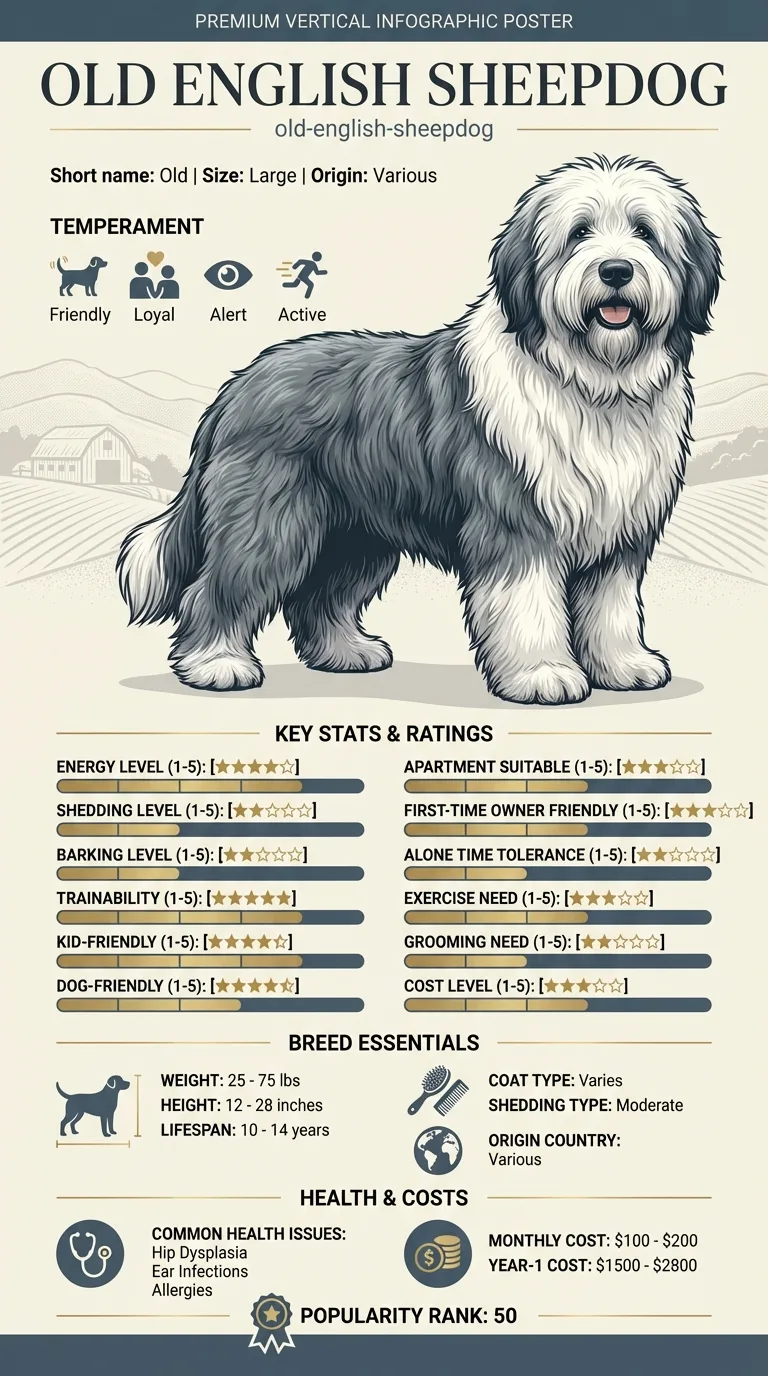
Old English Sheepdog Allergic Reactions: What Every Owner Should Know infographic

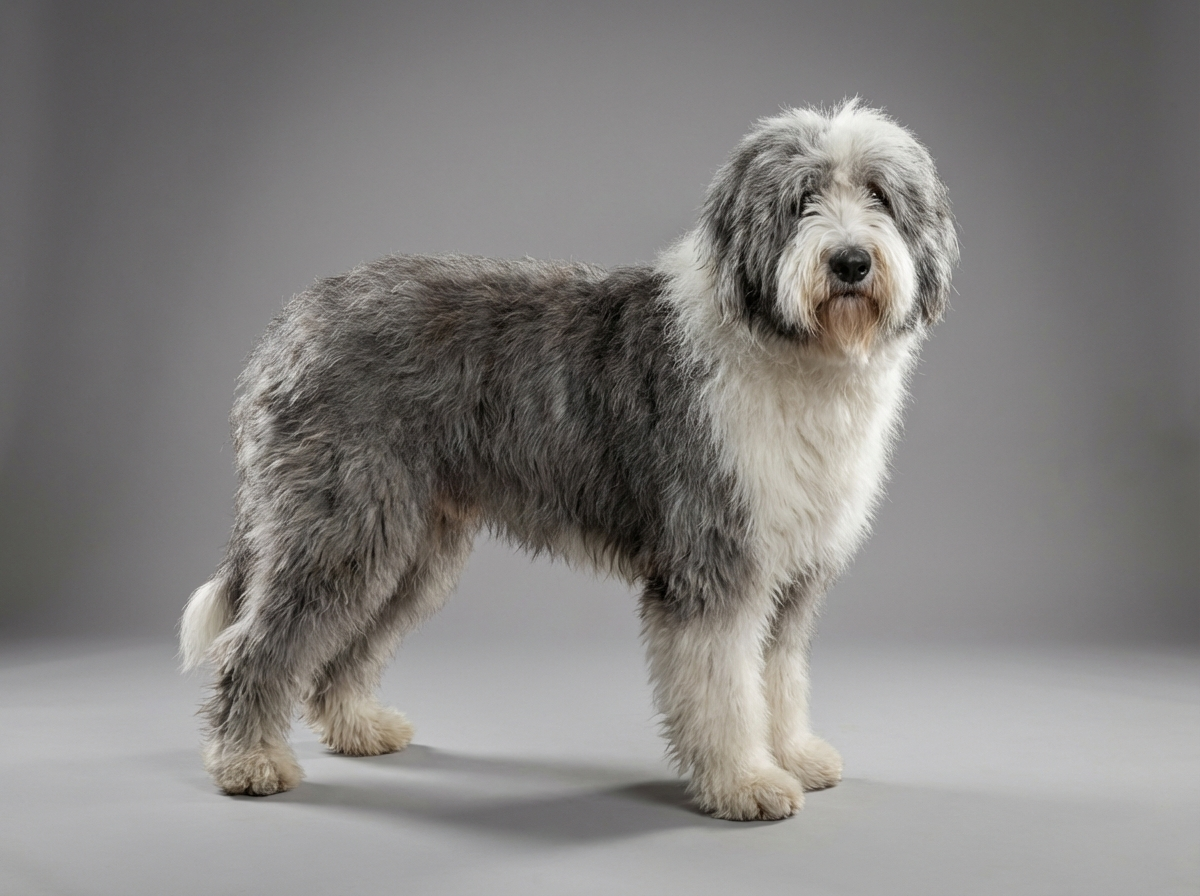
This catches new owners off guard because the breed's coat is so dense that early swelling, hives, or redness are easy to miss until the reaction has already progressed. Owners who groom infrequently, or who bathe their dog with a new product without checking the skin afterward, are the most likely to discover a reaction late.

Important reminder

This guide is not medical advice. If your dog shows pain, sudden behavior change, or worsening symptoms, consult a licensed veterinarian.

Some links may be affiliate links. We may earn a commission at no extra cost to you. We only suggest products we believe are helpful for dog owners.

Check this first

When an Old English Sheepdog's allergic reaction is an emergency

Some allergic reactions are uncomfortable but manageable at home under a vet's guidance. Others are emergencies, full stop. Facial or throat swelling, difficulty breathing, sudden collapse, pale or blue-tinged gums, repeated vomiting, or hives that keep spreading after the trigger is removed all mean the same thing: go to an emergency vet now, not in the morning.

Anaphylaxis in dogs does not always look like the textbook human version. Instead of hives being the dominant symptom, many dogs go into a form of shock where the gut and circulation are hit hardest, causing vomiting, diarrhea, and collapse within minutes of exposure. Because an Old English Sheepdog's coat obscures early skin changes, owners sometimes only notice something is wrong once the dog is already lethargic or wobbly, which is later in the timeline than it looks.

Milder reactions, such as a few hives after a bee sting with no facial swelling and a dog that is otherwise alert and eating normally, can often be monitored at home with a same-day call to your vet for guidance. The dividing line is simple: anything affecting breathing, the face, or the dog's overall alertness is urgent. A localized welt on a bright, comfortable, hungry dog usually is not.

If any of these apply, call your vet or an emergency clinic now. The rest of this page is for the cases that are not an emergency.

What this problem looks like

An acute allergic reaction is a fast-moving immune response to a sting, vaccine, food, or contact allergen. In an Old English Sheepdog, the same heavy double coat that protects the skin outdoors also makes early hives and swelling harder for owners to spot, which can delay treatment for a condition where minutes matter.

Common triggers

  • Insect stings or bites picked up during outdoor time
  • New shampoos, conditioners, or detanglers used during frequent baths
  • Vaccine reactions, usually within a few hours of a clinic visit
  • A new food or treat ingredient introduced without a trial period
  • Contact with an unfamiliar plant, cleaning product, or fabric

True acute allergic reactions are less common than the slow-building environmental and food allergies covered elsewhere on this site, but they are not rare, and every dog is a candidate regardless of documented breed predispositions. Most owners will see one over a dog's lifetime.

Why this happens

Breed factors

There is no documented breed-specific predisposition to acute anaphylaxis in Old English Sheepdogs; any dog's immune system can overreact to a trigger. What is specific to this breed is detection: a heavy, shaggy double coat can hide the early puffiness and hive formation that a short-haired dog's owner would spot immediately, so by the time swelling is obvious to the eye, it has often been building for a while.

Environment factors

This breed's working and outdoor heritage means more exposure to stinging insects during walks and yard time than a dog that spends most of its life indoors. The frequent bathing and grooming this coat requires also means more total exposure to topical products, each one a small chance for a contact or product reaction.

What you can do at home (once it is not an emergency)

When to talk to your vet

Call the same day for any facial or muzzle swelling, hives, or a dog that seems unusually restless or itchy after a known exposure. Go to an emergency vet immediately for swelling that affects breathing, pale or blue gums, repeated vomiting, or collapse.

At home, alongside your vet's plan

  • Do a hands-on check of the face, ears, and belly after any new product, treat, or outdoor outing, rather than relying on a visual scan of the coat.
  • Patch-test any new shampoo or grooming product on a small area 24 hours before a full bath.
  • Keep a simple log of new foods, treats, and products with dates, so a pattern is easier to spot if a reaction happens.
  • Ask your vet in advance which antihistamine, brand, and dose would be appropriate for your dog's weight so you are not guessing during an actual event.
  • After any known sting or bite, watch the dog closely for the following hour rather than assuming it's a non-event.

Mistakes that turn a mild reaction into a serious one

A reaction that would have settled on its own can escalate quickly if it is missed or mismanaged in the first hour. These are the errors we see most often.

  • Waiting to 'see if it gets better': hives and facial swelling from an allergic reaction can progress for 30-60 minutes after exposure. Waiting through that window instead of calling the vet is the single biggest mistake owners make.
  • Assuming the coat is hiding nothing: a swollen face or neck is usually visible even through a heavy coat as puffiness or a change in the way the fur sits. Skipping a hands-on check because 'the coat looks normal' delays recognition.
  • Giving any leftover human antihistamine without calling the vet first: dose and formulation matter, and some over-the-counter combination products contain ingredients that are unsafe for dogs.
  • Re-exposing the dog to the same shampoo, treat, or environment 'just to be sure' it was the cause: a second exposure while the immune system is already activated can produce a faster, more severe reaction.
  • Not telling the groomer or vet about a past reaction: without that history in the file, the same trigger can be used again on a future visit.
  • Skipping the vet visit because the swelling went down on its own: a reaction that resolves without treatment can still recur, and future episodes are not guaranteed to be as mild.

See all OLD English Sheepdog health problems, which breeds are prone to allergic reactions, or the full OLD English Sheepdog breed guide for temperament, exercise needs and ownership costs.

What to expect, and how you know it is working

A mild, localized reaction usually settles within a few hours with vet guidance. A moderate to severe reaction treated promptly typically resolves within 24-48 hours, though the dog may be monitored overnight for a rebound reaction.

Success looks like identifying and avoiding the specific trigger, and having a clear, rehearsed plan in place so that if a reaction happens again, you recognize it early instead of catching it late under the coat.

The wasp sting that hid under Bramble's beard

Bramble, a five-year-old Old English Sheepdog, was stung on the muzzle during an afternoon walk through a field. His owner didn't notice anything at the time; his heavy facial hair made it impossible to see the sting site. An hour later, at dinner, Bramble refused his food and pawed repeatedly at his face. When his owner parted the beard to look, the skin underneath was clearly swollen and hot to the touch, and his breathing had started to sound slightly labored. They went straight to an emergency vet, where Bramble was treated with anti-inflammatory medication and monitored for several hours. He recovered fully by the next morning. His owner now does a quick hands-on face check after every outdoor walk in wasp season, since visual inspection alone had missed it entirely.

Key takeaway: In a heavily coated breed, an allergic reaction can be well underway before it's visible. A hands-on check after any known exposure catches it earlier than looking ever will.

Frequently asked questions

How can I tell my Old English Sheepdog is having an allergic reaction if I can't see the skin?

Part the coat at the face, ears, and belly rather than relying on how the fur looks from a distance. Swelling usually changes the texture and shape of the area even under a thick coat, and a dog having a reaction will often paw at their face or seem unusually restless before you can see anything.

What usually triggers an acute allergic reaction in this breed?

Insect stings are common in a breed that spends a lot of time outdoors, along with new grooming products used on their frequently-washed coat, vaccine reactions, and occasionally a new food ingredient. None of these are unique to the breed, but the dense coat makes early signs harder to catch than in a short-haired dog.

Is a swollen face after a bee sting always an emergency?

Facial swelling should always get a same-day call to your vet, and if it is spreading, affecting breathing, or the dog seems distressed, it is an emergency, not a wait-and-see situation.

Can I give my dog an antihistamine at home before going to the vet?

Do not give any medication, including over-the-counter antihistamines, without your vet's specific go-ahead on product and amount for your dog's weight. Call first; many clinics will talk you through an immediate step while you're en route if it's genuinely needed.

How is an allergic reaction diagnosed and treated?

Diagnosis is mostly based on the timing and appearance of symptoms relative to a known exposure. Treatment for a significant reaction typically involves vet-administered medication to bring down swelling and inflammation, plus monitoring for a few hours to make sure symptoms don't rebound.

Will my Old English Sheepdog react the same way every time?

Not necessarily, and that is part of what makes reactions unpredictable. Some dogs have one isolated reaction and never repeat it; others become more sensitive to a specific trigger with repeated exposure. Once a trigger is identified, avoiding it is the safest path.

Should I avoid all vaccines if my dog had a reaction to one?

No. Talk to your vet about pre-treating with an antihistamine before future vaccines, spacing vaccines out, or switching brands. Stopping vaccination entirely trades one risk for a bigger one.

Are grooming products a real risk for this breed specifically?

Because Old English Sheepdogs need frequent bathing and product use to manage their coat, they get more total skin exposure to shampoos, conditioners, and detanglers than a low-maintenance breed. A patch test on a small area 24 hours before a full bath is a reasonable precaution with any new product.

Quick answers

View more answers
Health

What's the fastest way to check an Old English Sheepdog for swelling under the coat?

Run your hands along the face, muzzle, and neck rather than just looking. Swelling changes how the skin feels and how the coat sits, even when it's not visible from a distance.

Health

Is facial swelling in a dog always an emergency?

Treat any facial or throat swelling as urgent. It can progress to affect breathing within the same hour it starts.

Health

Can I use my own allergy medication on my dog?

No, not without calling your vet first to confirm the product and dose. Some human antihistamine formulations are unsafe for dogs.

Living

What should I have ready in case of a reaction?

Keep your regular vet's number and the nearest emergency vet's number saved, along with a note of any product, food, or exposure that's new in the last 24 hours.

Costs

Do allergic reactions cost a lot to treat?

A same-day vet visit for a moderate reaction typically runs in the low hundreds of dollars; a true anaphylactic emergency requiring hospitalization can run considerably higher.

Related DogBreedCompass guides

  • Old English Sheepdog allergies guideOwners dealing with an acute reaction often also manage ongoing environmental or food allergies.
  • Old English Sheepdog ear infectionsChronic ear infections often travel with the same allergic tendencies.
  • Old English Sheepdog breed guideOwners should understand the full breed profile before ruling anything in or out.
  • cost of owning an Old English SheepdogUnexpected vet visits are a real cost consideration for this breed.
  • Old English Sheepdog dental and grooming issuesGrooming routines intersect directly with skin and coat health in this breed.

Bring the right questions to the vet

A one-page prep sheet for this condition: the signs, the questions to ask, what to get priced. Unlocks here.

You get: Vet visit prep sheet

No spam. One-click unsubscribe. See our privacy policy.

Preview page 1 before you decide.

Related guides