Health
What's this breed's main documented eye risk?
Hereditary cataracts, alongside coat-related hair irritation and occasional eyelid conformation issues.

Quick answer
What's this breed's main documented eye risk?
Hereditary cataracts, alongside coat-related hair irritation and occasional eyelid conformation issues.
This breed's eye problems come from two different directions at once: what's inherited in the eye itself, and what the coat does to the skin and lashes around it.
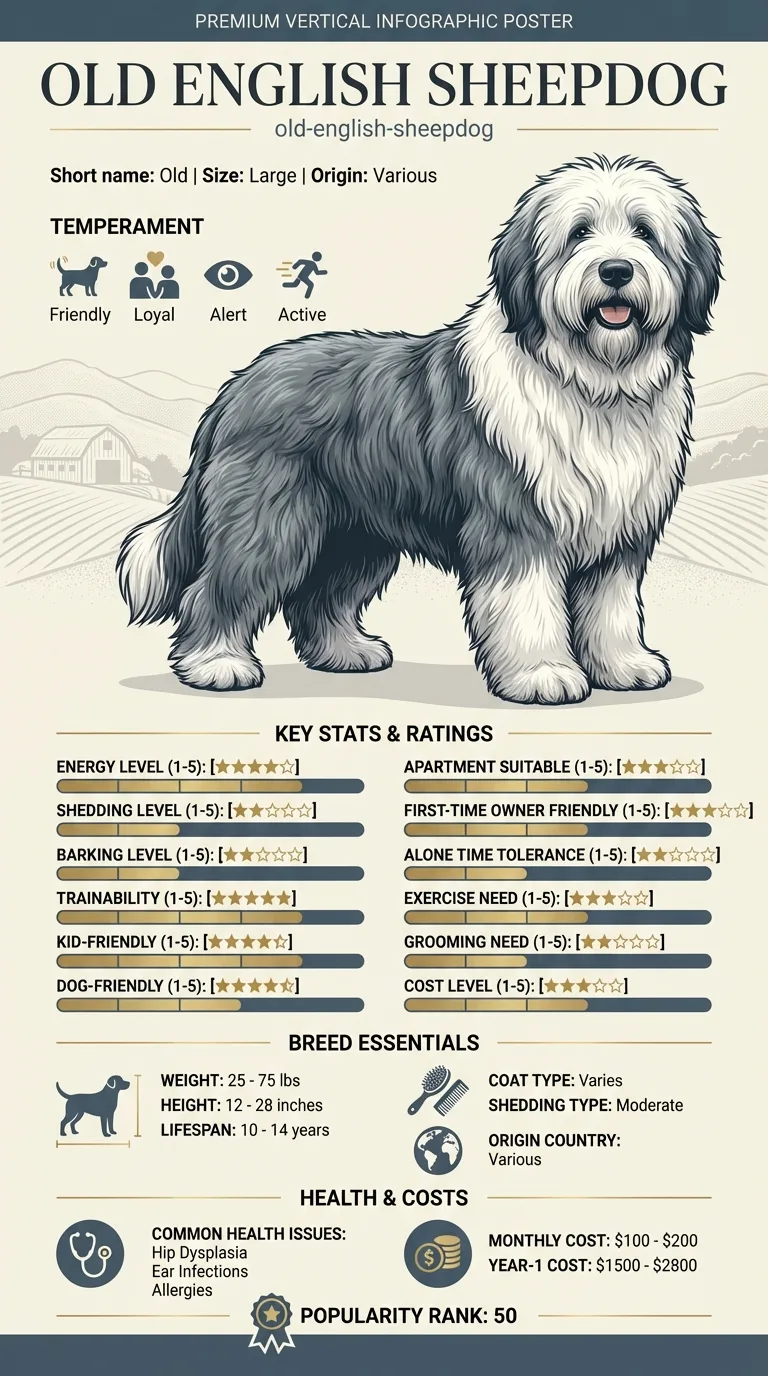
This is relevant to any owner of this breed, since the combination of facial coat and documented hereditary eye risk means eye health deserves more routine attention here than in a short-haired, non-predisposed breed.
This guide is not medical advice. If your dog shows pain, sudden behavior change, or worsening symptoms, consult a licensed veterinarian.
Some links may be affiliate links. We may earn a commission at no extra cost to you. We only suggest products we believe are helpful for dog owners.
We research and check what we publish, but we do not warrant that any figure, date, price, or statement is accurate, complete, or current, and we accept no liability for any loss, cost, injury, or other harm arising from the use of this site. Use it as one reference among several. You remain responsible for your own decisions and for your dog's care - confirm anything that matters with a licensed veterinarian or another qualified professional before you act on it. Full disclaimer.
Check this first
Sudden eye pain, heavy squinting, visible cloudiness that appeared quickly, or a dog pawing repeatedly and aggressively at one eye can indicate a corneal ulcer or acute glaucoma, both genuine emergencies requiring same-day veterinary care. Persistent, chronic redness or mild discharge without acute pain is more consistent with ongoing irritation from hair contact or a mild conformation issue and can generally be addressed at a routine visit.
Because this breed's coat hides so much, make eye checks a deliberate, hands-on habit rather than something you notice only when a problem is already advanced. Parting the hair and looking directly at the eye during regular grooming is the single most useful habit for catching any of these conditions early.
If any of these apply, call your vet or an emergency clinic now. The rest of this page is for the cases that are not an emergency.
Eye health in this breed is shaped by a documented hereditary cataract risk alongside coat-related factors: facial hair constantly contacting the eyes and, in some dogs, eyelid conformation issues like entropion or ectropion. Together these make routine, hands-on eye checks more important here than in many other breeds.
Cataracts are documented among this breed's common health issues. Hair-related eye irritation is a frequent, everyday concern tied to coat maintenance, and eyelid conformation issues occur in a smaller subset of individual dogs.
This breed's documented hereditary cataract risk affects the lens directly, while its dense facial coat structure creates ongoing physical contact between hair and the eye surface, a separate, coat-driven mechanism. Some individual dogs also have eyelid conformation traits that add a third distinct risk factor.
Infrequent grooming, allowing facial hair to grow unchecked around the eyes, and dusty or debris-heavy environments both increase the practical impact of hair-related eye irritation, on top of whatever hereditary or conformational risk is present.
Talk to your vet about persistent redness, discharge, or any cloudiness noticed in the eye. Seek same-day care for sudden pain, heavy squinting, or rapidly developing cloudiness.
Because several distinct conditions can affect this breed's eyes, a few habits matter across all of them.
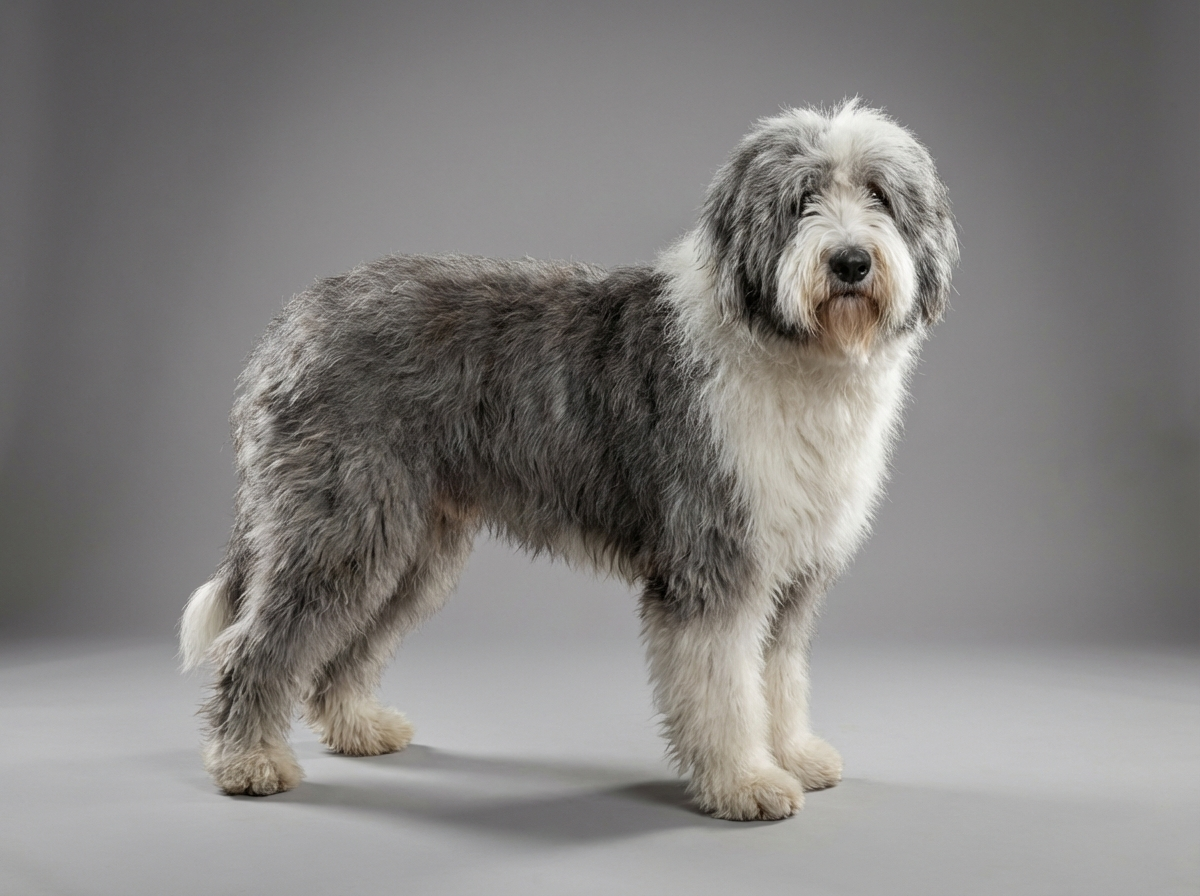
See all OLD English Sheepdog health problems, which breeds are prone to eye disorders, or the full OLD English Sheepdog breed guide for temperament, exercise needs and ownership costs.
Hair-related irritation typically improves within days of better grooming management. Conformation issues like entropion generally require surgical correction with a recovery of one to two weeks. Cataracts are monitored or treated on their own separate timeline.
Success looks like a consistent grooming and monitoring routine that catches and addresses issues early, keeping the eyes comfortable and clear across whichever specific condition, if any, actually develops.
Maggie's owner started a weekly hands-on eye check after reading about this breed's combination of risks. Within a few months, they caught mild hair-related irritation early, resolved simply with a trim and tie-back routine, and later noticed faint cloudiness during a check that turned out to be an early cataract, caught well before it affected her vision noticeably.
Key takeaway: This breed's eye risks come from more than one direction. A regular, deliberate check catches both the everyday coat-related issues and the more serious hereditary ones early.
Cataracts are a documented hereditary risk in this breed. Beyond that, the dense facial coat contributes to eyelid and eyelash irritation, and some dogs have eyelid conformation issues like entropion or ectropion that add to the risk of corneal irritation or ulcers.
Cataracts appear as cloudiness in the pupil itself. Eyelid and hair-related irritation typically shows as redness, tearing, or squinting without pupil cloudiness. A vet exam is the reliable way to distinguish between them when something looks off.
Entropion is a conformation issue where the eyelid rolls inward, causing eyelashes to rub against the eye surface. It can occur in this breed and typically requires surgical correction rather than resolving on its own.
A weekly hands-on check during grooming, parting facial hair to look directly at the eyes, plus an annual vet eye exam given the documented cataract risk.
Yes, constant contact between facial hair and the eye surface is a genuine, common source of irritation in this breed and can contribute to corneal damage over time if left unmanaged.
Not entirely; cataracts have a documented hereditary component, but hair-related irritation and eyelid conformation issues are more about individual anatomy and grooming than heredity alone.
For confirmed or suspected cataracts, complex eyelid surgery, or any condition your regular vet feels warrants specialist input, a referral to a veterinary ophthalmologist is a reasonable and common next step.
Hereditary cataracts, alongside coat-related hair irritation and occasional eyelid conformation issues.
Weekly hands-on checks during grooming, plus an annual vet eye exam.
Yes, constant hair contact with the eye surface is a real, common source of irritation in this breed.
Sudden pain, heavy squinting, or rapid cloudiness, all warranting same-day veterinary care.
Yes, regular trimming or tying back facial hair around the eyes is a genuine part of preventing irritation.
A one-page prep sheet for this condition: the signs, the questions to ask, what to get priced. Unlocks here.
You get: Vet visit prep sheet
No spam. One-click unsubscribe. See our privacy policy.
Preview page 1 before you decide.