Health
Is cancer a documented top health risk for this breed?
No, it isn't among this breed's documented common health issues, though age-related cancer risk applies to dogs of any breed.

Quick answer
Is cancer a documented top health risk for this breed?
No, it isn't among this breed's documented common health issues, though age-related cancer risk applies to dogs of any breed.
The grooming session where you finally find a lump you didn't know was there is a familiar story for owners of heavily coated breeds, and it's usually not because anyone wasn't paying attention.
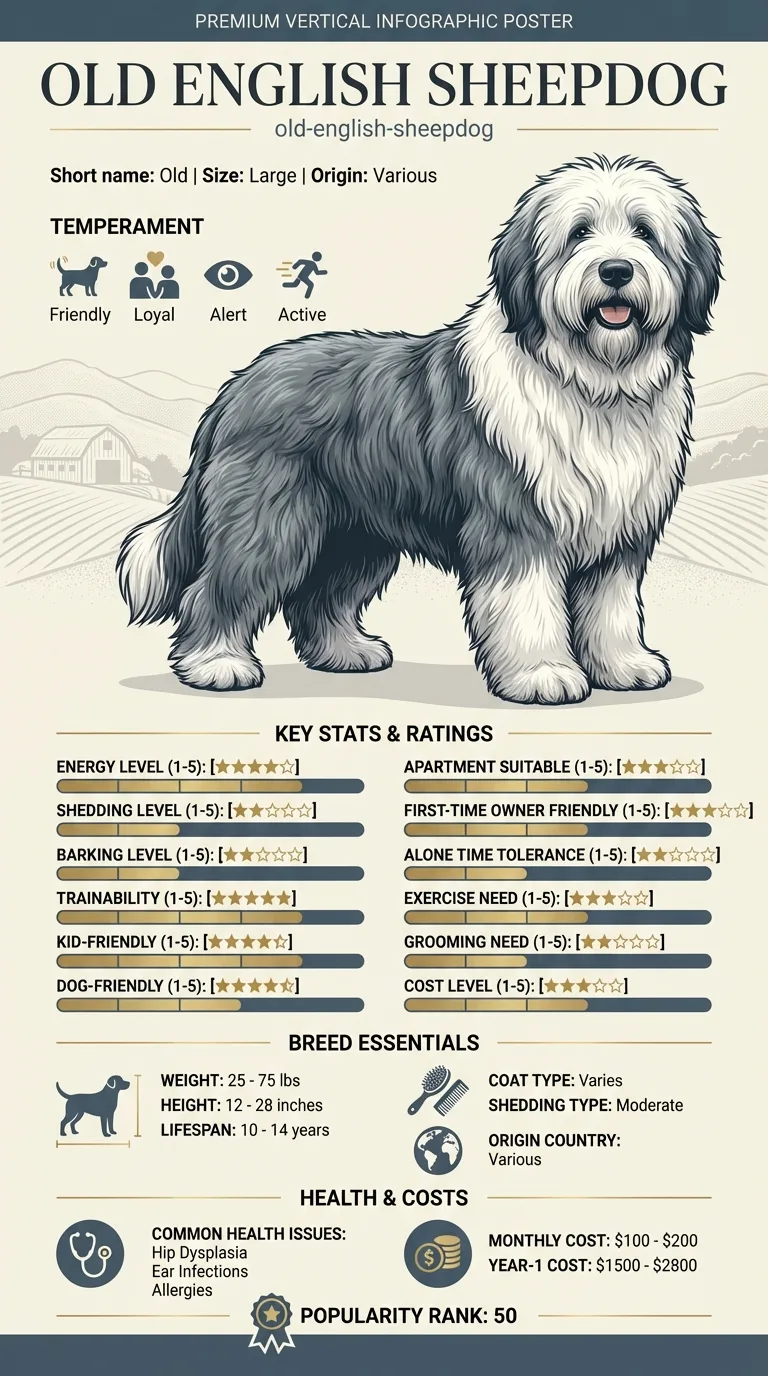
This is relevant to owners of dogs in their later years, generally past seven or eight, and especially those who don't do frequent hands-on grooming beyond what's needed for basic coat maintenance.
This guide is not medical advice. If your dog shows pain, sudden behavior change, or worsening symptoms, consult a licensed veterinarian.
Some links may be affiliate links. We may earn a commission at no extra cost to you. We only suggest products we believe are helpful for dog owners.
We research and check what we publish, but we do not warrant that any figure, date, price, or statement is accurate, complete, or current, and we accept no liability for any loss, cost, injury, or other harm arising from the use of this site. Use it as one reference among several. You remain responsible for your own decisions and for your dog's care - confirm anything that matters with a licensed veterinarian or another qualified professional before you act on it. Full disclaimer.
Check this first
Most new lumps are not an emergency and can be addressed at a routine vet visit. However, a lump that is rapidly growing over days, is painful to the touch, is bleeding or ulcerated, or is accompanied by sudden lethargy, loss of appetite, or labored breathing should be seen promptly rather than waiting for the next scheduled checkup.
Because this breed's coat hides so much, a genuinely useful habit is a monthly hands-on check covering the whole body, not just the parts you can see. Finding a lump three months earlier than you otherwise would have is a real, practical advantage when it comes to treatment options.
If any of these apply, call your vet or an emergency clinic now. The rest of this page is for the cases that are not an emergency.
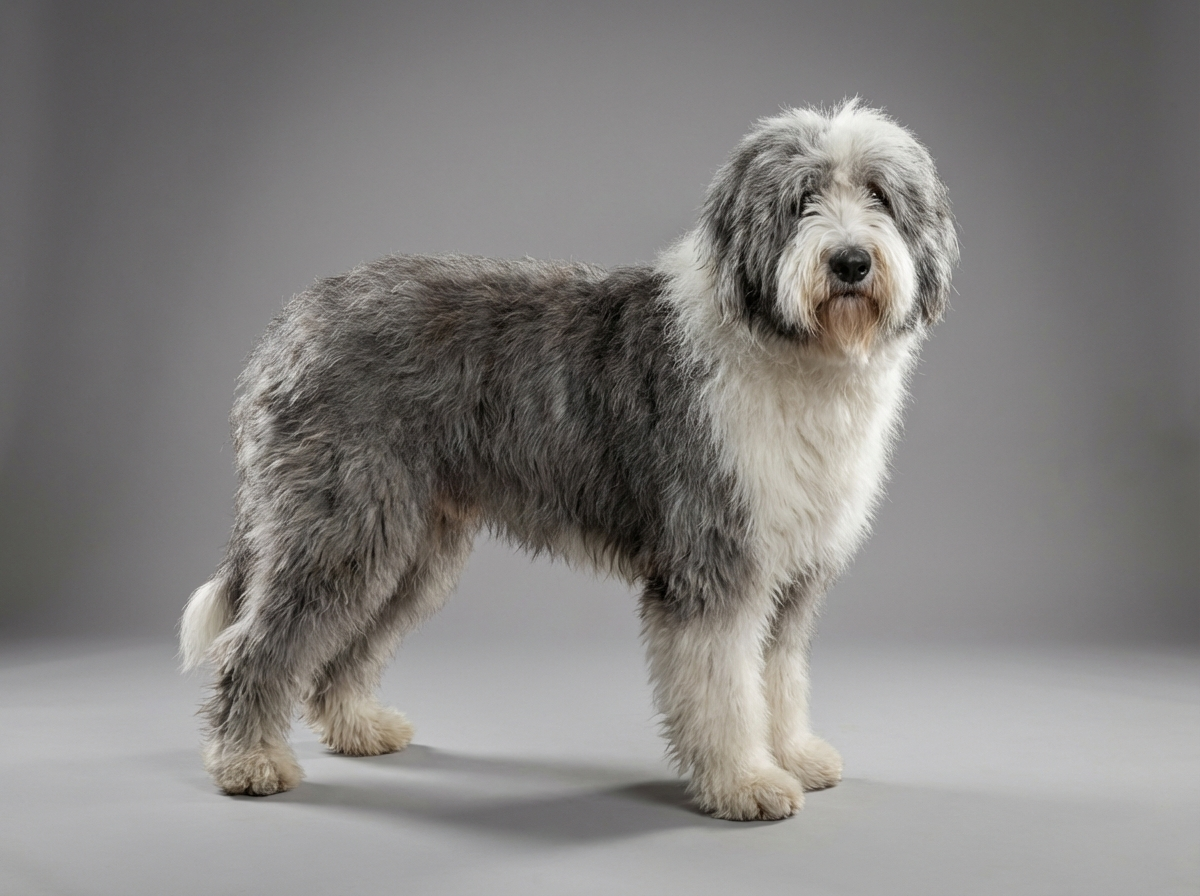
Cancer is a risk that increases with age in dogs of any breed, though it isn't among this breed's documented common health issues. The practical challenge for Old English Sheepdog owners is detection: a dense double coat can conceal a growing lump far longer than it would in a short-haired dog.
Cancer risk increases with age across dog breeds generally. Without a documented specific elevated predisposition in this breed, its relevance here comes mainly from the detection challenge posed by the coat rather than an unusually high underlying rate.
There is no documented breed-specific cancer predisposition for Old English Sheepdogs. What is breed-specific is the practical detection problem: a dense double coat means a new lump doesn't create the visible, immediate signal it would on a short-coated dog, so it often isn't found until a grooming session or bath.
Age is the dominant factor in canine cancer risk generally. Beyond that, consistent hands-on monitoring habits, or the lack of them, determine how early a growth is found in a heavily coated dog specifically.
Mention any new lump at your next routine visit. Seek prompt evaluation, sooner than a routine visit, for a lump that's rapidly growing, painful, bleeding, or ulcerated, or if it's accompanied by lethargy, appetite loss, or labored breathing.
None of these cause cancer, but each one delays the point at which it's found, and earlier detection generally means better options.
See all OLD English Sheepdog health problems, which breeds are prone to cancer, or the full OLD English Sheepdog breed guide for temperament, exercise needs and ownership costs.
If a lump is found, initial evaluation (exam and needle sample) typically happens within the same visit or week. Further workup and treatment timelines vary enormously depending on what's found.
Success looks like a consistent monthly check habit that catches changes early, giving you and your vet the most options and the best odds if something does need treatment.
Bramwell, a nine-year-old Old English Sheepdog, seemed completely normal in every visible way. During a routine bath, his owner felt a small, firm lump near his armpit that hadn't been visible at all through the coat. A vet visit and needle sample confirmed it needed removal, and it was excised successfully with clear margins. His owner now does a dedicated monthly hands-on check, separate from grooming, specifically to catch anything the coat might be hiding.
Key takeaway: In this breed, finding a lump often comes down to deliberately feeling for one, not seeing one. A monthly hands-on check catches what routine grooming alone might miss.
Cancer isn't among this breed's documented common health issues the way it is for some other large breeds. That doesn't make it impossible, since cancer risk increases with age in dogs generally, but there's no specific elevated breed predisposition documented here.
The dense double coat can hide a growing lump for a long time, since it isn't visible and often isn't felt unless you specifically run your hands over the body during grooming or a dedicated check.
A monthly hands-on check covering the whole body, including less-visited areas like the armpits, groin, and under the chin, is a reasonable habit, in addition to whatever you notice during regular grooming.
No, many lumps found in older dogs are benign, such as fatty tumors. But since appearance and feel alone can't reliably distinguish benign from concerning, any new lump deserves a vet's evaluation.
It typically starts with a physical exam and often a needle sample of any lump, followed by bloodwork or imaging depending on what's found, and sometimes a referral to a veterinary oncologist for more complex cases.
This varies enormously depending on the type and stage, from a few hundred dollars for a simple lump removal and biopsy to many thousands of dollars for more involved treatment like chemotherapy or specialized surgery.
Yes, especially if you make it a habit to run your hands firmly over the whole body during grooming sessions rather than only brushing the visible surface of the coat.
No, it isn't among this breed's documented common health issues, though age-related cancer risk applies to dogs of any breed.
A dense double coat can hide a growing lump for months if you're not doing regular hands-on checks.
A monthly whole-body hands-on check is a reasonable habit, beyond what regular grooming alone would reveal.
No, many are benign, but any new lump deserves a vet's evaluation rather than a guess based on feel alone.
It ranges widely, from a few hundred dollars for a simple removal and biopsy to many thousands for more involved treatment.
A one-page prep sheet for this condition: the signs, the questions to ask, what to get priced. Unlocks here.
You get: Vet visit prep sheet
No spam. One-click unsubscribe. See our privacy policy.
Preview page 1 before you decide.