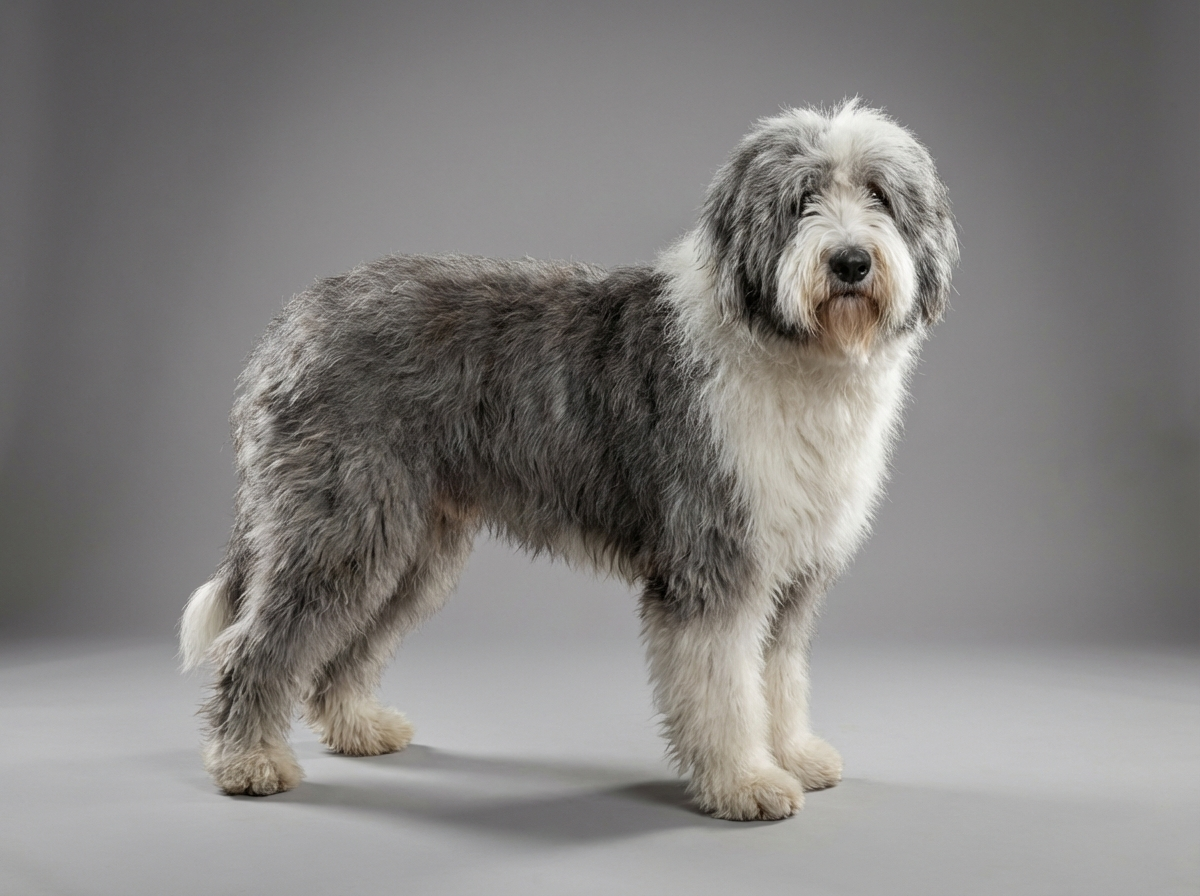
Health
What's the most common sign of allergies in this breed?
Recurring ear infections are usually the first and most persistent sign, even before obvious skin symptoms appear.

Quick answer
What's the most common sign of allergies in this breed?
Recurring ear infections are usually the first and most persistent sign, even before obvious skin symptoms appear.
If your Old English Sheepdog is shaking their head constantly, chewing at their paws, or back at the vet for another ear infection, chronic allergies are the most likely explanation.
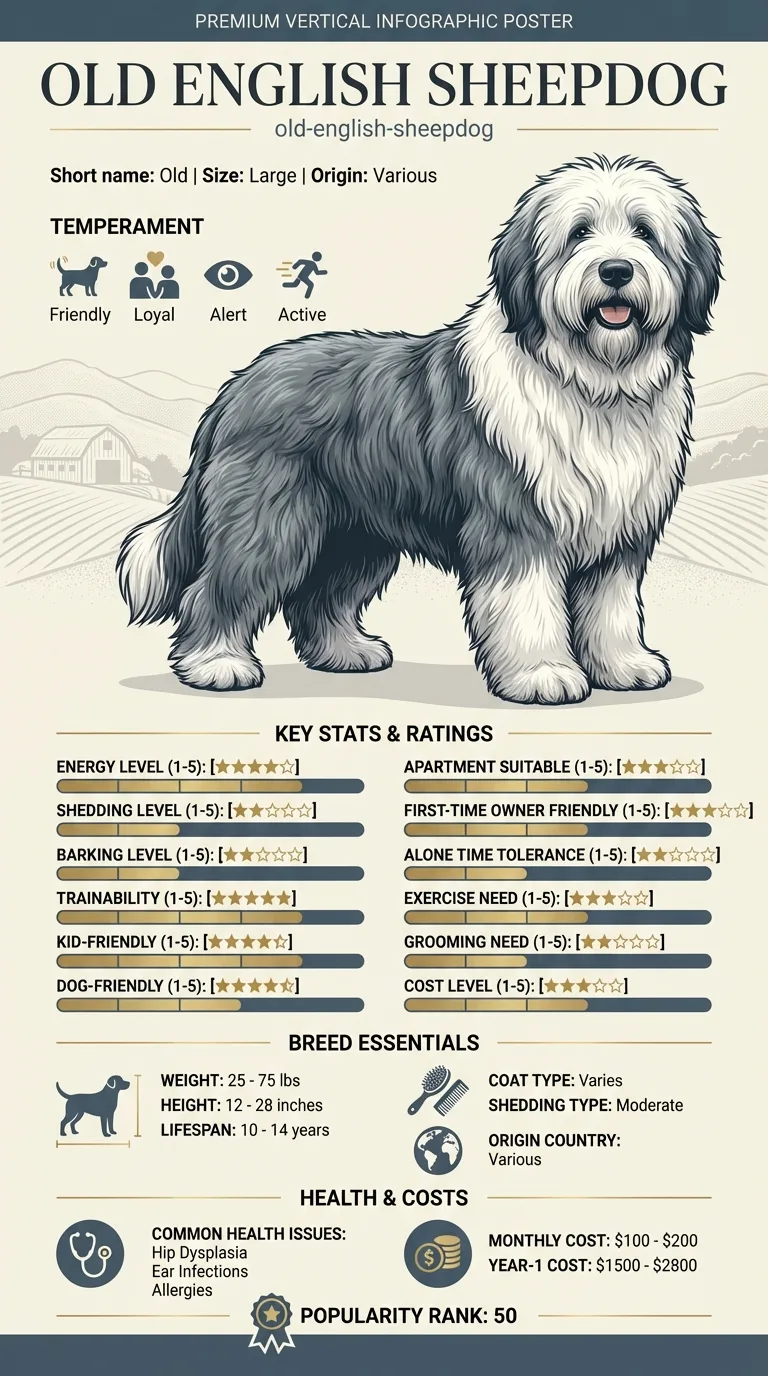
This wears down owners who assumed one course of ear drops or one food switch would be the end of it. Because this breed's coat and ear structure both trap moisture and allergens, allergies here tend to be a long, low-grade management project rather than a one-time fix.
This guide is not medical advice. If your dog shows pain, sudden behavior change, or worsening symptoms, consult a licensed veterinarian.
Some links may be affiliate links. We may earn a commission at no extra cost to you. We only suggest products we believe are helpful for dog owners.
We research and check what we publish, but we do not warrant that any figure, date, price, or statement is accurate, complete, or current, and we accept no liability for any loss, cost, injury, or other harm arising from the use of this site. Use it as one reference among several. You remain responsible for your own decisions and for your dog's care - confirm anything that matters with a licensed veterinarian or another qualified professional before you act on it. Full disclaimer.
Chronic allergies in Old English Sheepdogs are usually a combination of environmental and food sensitivities that show up as recurring ear infections, paw licking, and skin irritation. Because the breed carries a dense double coat and heavy ear leather, symptoms tend to be persistent rather than a single flare that resolves and disappears.
Allergies are one of the most frequently reported chronic issues across dog breeds generally, and this breed's grooming demands mean symptoms, once present, are often harder to fully resolve than in a short-coated dog.
There's no single gene or documented breed-wide allergy predisposition unique to Old English Sheepdogs, but the physical structure of the breed works against easy management: heavy ear leather traps warm, moist air against the ear canal, and a thick double coat holds allergens and moisture against the skin longer than a short coat would.
Seasonal pollen, indoor dust and mold, and flea exposure all act as environmental triggers. Because this breed needs frequent bathing to manage the coat, product buildup and incomplete drying after baths can also contribute to skin irritation if the undercoat isn't dried thoroughly.
See your vet if ear infections recur more than two to three times a year, if skin irritation doesn't improve with basic home care within a week or two, or if you notice hair loss, open sores, or a strong odor from the skin or ears.
Long-running allergy cases usually aren't caused by one big error, but by a handful of small, repeated ones.
See all OLD English Sheepdog health problems, which breeds are prone to allergies, or the full OLD English Sheepdog breed guide for temperament, exercise needs and ownership costs.
Expect a few weeks to see meaningful improvement after starting a management plan, and longer if a food trial is involved. Seasonal environmental allergies tend to flare and settle with the calendar rather than disappearing for good.
Success looks like ear infections dropping from several times a year to rare or none, calmer skin, and a maintenance routine that fits into normal grooming rather than feeling like a constant crisis.
Chronic allergies in this breed are rarely solved outright; they're managed. That means a maintenance routine rather than a single treatment. For environmental allergies, this often includes regular ear cleaning, keeping the coat around the ears trimmed short enough to allow airflow, and using a vet-recommended skin or ear product on a schedule rather than only when symptoms flare.
For suspected food allergies, a proper elimination diet trial run under veterinary guidance, using a single novel or hydrolyzed protein source for eight to twelve weeks, is the only reliable way to confirm a food trigger. Random food switching without a structured trial almost never gives a clear answer.
Because this breed's ear canals and facial coat trap moisture particularly well, ear infections are often the first and most persistent sign of an allergy flare, even when the skin elsewhere looks fine. Owners who treat recurring ear infections as a standalone problem, rather than a symptom of allergies, tend to end up back at the vet every few months without ever getting ahead of it.

Winston, a seven-year-old Old English Sheepdog, had been treated for ear infections four times in twelve months, each time with drops that cleared things up for a few weeks before the head-shaking started again. His owner finally asked for a referral to a vet dermatologist, who pointed out that no one had ever addressed why the infections kept coming back. An elimination diet trial identified a food sensitivity, and a revised grooming routine kept the hair around his ears trimmed and dry. Combined with a regular ear-cleaning schedule, Winston went from four infections a year to one mild flare the following season.
Key takeaway: Treating the ear infection without addressing the allergy behind it just resets the clock until the next flare. Long-term management, not repeated one-off treatment, is what actually breaks the cycle.
Recurring ear infections are one of the most common signs of an underlying allergy in this breed. The ear canal and the hair around it trap moisture and allergens, creating conditions where yeast and bacteria thrive, and each infection tends to return until the allergy itself is managed.
Environmental allergies tend to be seasonal or tied to specific settings, while food allergies usually cause year-round symptoms regardless of season. A structured elimination diet trial under your vet's guidance is the most reliable way to tell the two apart.
Most chronic allergies are managed rather than cured. The realistic goal is fewer, milder flare-ups and longer stretches of comfortable skin and ears, not permanent elimination of the underlying sensitivity.
Yes. A matted or overly long coat around the ears, paws, and skin folds traps moisture and allergens against the skin, which can turn a mild allergy into a persistent infection. Keeping the coat maintained is part of allergy management, not separate from it.
It typically means feeding a single protein and carbohydrate source the dog has never eaten before, or a hydrolyzed prescription diet, with absolutely no other treats or table food, for eight to twelve weeks to see whether symptoms resolve.
There's no strong documented breed-wide predisposition specifically to allergies in this breed, but the combination of a dense double coat and heavy ear leather means allergy symptoms, once present, tend to be harder to keep under control than in a short-coated dog.
Yes. Mite infestations, ringworm, and hormonal conditions like hypothyroidism, which is a documented issue in this breed, can all look similar to allergic skin disease. A vet visit with skin scraping or bloodwork rules these out before you commit to long-term allergy management.
This varies by dog and should be set with your vet, but many allergy-prone dogs in this breed do well with a weekly cleaning schedule using a vet-recommended solution, more often during an active flare.
Recurring ear infections are usually the first and most persistent sign, even before obvious skin symptoms appear.
Weekly brushing at minimum, with particular attention to the ears, paws, and any skin folds where moisture and allergens can get trapped.
They're common culprits across dogs generally, but the only way to know for a specific dog is a structured elimination trial, not guessing based on general lists.
Expect recurring costs for ear cleaning solutions, vet rechecks, and possibly a prescription diet, which together often run more over a year than a single acute treatment would.
Chronic itchiness and ear discomfort can make a dog more irritable, less tolerant of handling around the ears and face, and more restless at night.
A one-page prep sheet for this condition: the signs, the questions to ask, what to get priced. Unlocks here.
You get: Vet visit prep sheet
No spam. One-click unsubscribe. See our privacy policy.
Preview page 1 before you decide.