Health
Should I put my hand in my dog's mouth during a seizure?
No, never; dogs don't swallow their tongues, and you risk being unintentionally bitten during involuntary jaw movement.

Quick answer
Should I put my hand in my dog's mouth during a seizure?
No, never; dogs don't swallow their tongues, and you risk being unintentionally bitten during involuntary jaw movement.
A seizing dog looks alarming, but for most Labs with idiopathic epilepsy, the seizure itself passes within a couple of minutes, and what you do during and immediately after it matters more than panic would suggest.
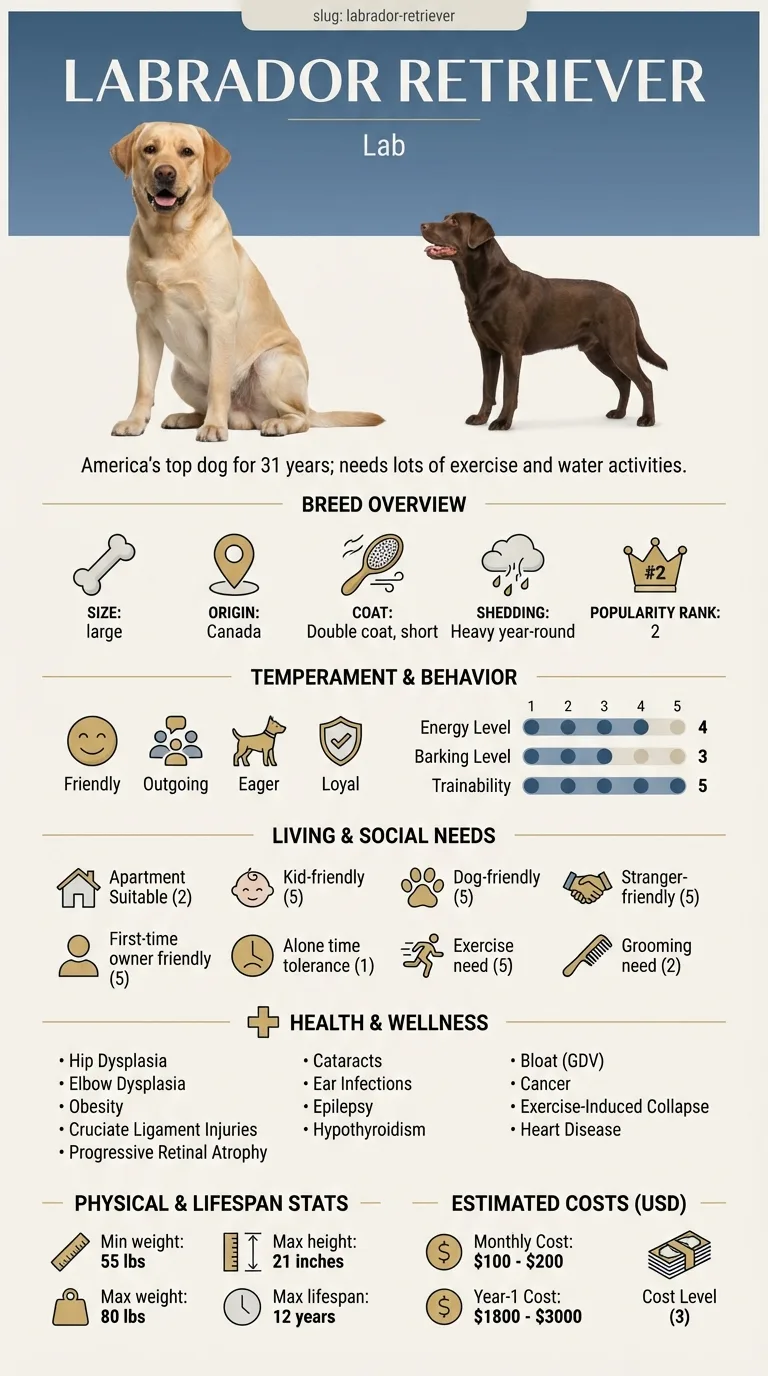
Owners of Labradors typically between one and five years old, the classic onset window for idiopathic epilepsy, are the ones most likely to witness a first seizure and need to know how to respond calmly and correctly.
This guide is not medical advice. If your dog shows pain, sudden behavior change, or worsening symptoms, consult a licensed veterinarian.
Some links may be affiliate links. We may earn a commission at no extra cost to you. We only suggest products we believe are helpful for dog owners.
Check this first
Most idiopathic epilepsy seizures last one to two minutes and resolve on their own, followed by a temporary recovery period. It becomes a genuine emergency if a single seizure lasts longer than five minutes, if your dog has more than one seizure within a 24-hour period (called cluster seizures), or if a seizure doesn't fully stop before another begins (status epilepticus). Any of these situations requires immediate emergency veterinary care, since prolonged or repeated seizure activity can cause dangerous overheating and, if untreated, lasting harm.
If any of these apply, call your vet or an emergency clinic now. The rest of this page is for the cases that are not an emergency.
Idiopathic epilepsy, recurring seizures with no identifiable underlying cause beyond a presumed genetic predisposition, is a documented health concern in Labrador Retrievers, typically appearing in dogs between one and five years old. Most seizures last one to two minutes and resolve on their own, though a seizure lasting longer than five minutes, or multiple seizures within 24 hours, is a genuine emergency requiring immediate veterinary care.
Directly documented as a real health concern for this breed, making it a genuine, if not universal, risk that owners of young adult Labradors should be aware of and prepared to respond to correctly.
Idiopathic epilepsy is specifically listed among Labrador Retrievers' documented health concerns, reflecting a genuine, presumed genetic predisposition to seizures with no other identifiable underlying cause, typically emerging during the one-to-five-year age window characteristic of this form of epilepsy across breeds.
While the underlying condition is genetic, individual dogs can have seizures triggered or worsened by stress, significant sleep disruption, or missed medication doses once diagnosed, though many seizures occur with no identifiable external trigger at all.
See your vet after any first-time seizure to begin appropriate testing and discuss whether medication is warranted. Treat a seizure lasting more than five minutes, multiple seizures within 24 hours, or seizures that don't fully stop between episodes as an immediate emergency requiring urgent care.
See all Labrador Retriever health problems, which breeds are prone to epilepsy, or the full Labrador Retriever breed guide for temperament, exercise needs and ownership costs.
Diagnosis typically involves ruling out other causes through bloodwork and sometimes imaging, taking a few weeks. If medication is started, it can take one to three months of dose adjustment to find a stable, effective level for an individual dog.
Success looks like significantly reduced seizure frequency and severity on stable medication, allowing a largely normal daily life, not a complete elimination of all future seizures, since idiopathic epilepsy is a lifelong condition rather than one that's cured.
These are the specific, practical steps that matter in the moment, most of which involve staying calm rather than intervening physically:
If you think your Lab has epilepsy, the plan is three steps: write down what you have seen and when it started, book a veterinary appointment rather than waiting for the next flare, and take video of the behaviour or symptom before you go — the thing you are worried about rarely happens in the consulting room. Screening in the parents covers hip dysplasia, elbow dysplasia, obesity.
What the vet visit should produce is a diagnosis and a written plan, not just reassurance: what is being ruled out, what the monitoring interval is, and which signs mean you come back sooner. Ask what the treatment costs across a year rather than per visit, because that is the number that decides whether you are managing this condition or reacting to it.
Between appointments, keep a short log — dates, what you saw, what changed. It is the single most useful thing an owner brings to a follow-up, and for epilepsy it is often what separates a clear pattern from a guess.
Maple, a two-year-old Labrador, was lying in the living room when she suddenly stiffened, fell to her side, and began paddling her legs, her owner frozen in shock for a moment before remembering to check the time. The seizure lasted about ninety seconds, and Maple spent the next twenty minutes disoriented and unsteady before returning to normal. A vet visit ruled out other causes through bloodwork, leading to a diagnosis of idiopathic epilepsy. After a second seizure two months later, Maple started daily anti-seizure medication. Eighteen months in, she's had only one mild seizure since starting treatment, and her owner keeps a detailed log every time, exactly as her vet recommended from the start.
Key takeaway: A first seizure in a young adult Labrador is frightening but often manageable, and knowing the correct in-the-moment response, plus getting an early vet workup, sets up the best path toward effective long-term control.
Yes, idiopathic epilepsy is a documented health concern for this breed, typically appearing in dogs between one and five years old with no identifiable cause beyond a presumed genetic predisposition.
Clear nearby objects to prevent injury, don't restrain your dog or put your hand near its mouth, time the seizure, and stay calm and nearby until it passes and your dog recovers.
Dogs are not conscious in the way needed to experience the seizure as painful in the moment, though the disorientation and physical exertion afterward can leave them tired and confused.
Most idiopathic epilepsy seizures last one to two minutes. A seizure lasting longer than five minutes is a medical emergency requiring immediate veterinary attention.
Yes, anti-seizure medication can significantly reduce seizure frequency and severity in many dogs, though it's a lifelong management commitment rather than a cure, and dosing often needs adjustment over time.
Not necessarily; many vets wait to see if seizures recur or increase in frequency before starting medication, since single, isolated seizures don't always require immediate daily treatment.
No, idiopathic epilepsy is a lifelong condition managed through medication and monitoring rather than cured, though many affected dogs live long, largely normal lives with good seizure control.
No, never; dogs don't swallow their tongues, and you risk being unintentionally bitten during involuntary jaw movement.
A single seizure lasting under five minutes usually isn't an emergency, though it still warrants a vet visit soon after to discuss next steps.
A seizure lasting more than five minutes, multiple seizures within 24 hours, or seizures that don't fully stop between episodes all require immediate emergency care.
Daily anti-seizure medication and periodic bloodwork to monitor levels typically add a moderate ongoing monthly cost, varying by which medication is prescribed.
Yes, many dogs with well-managed idiopathic epilepsy live full, active lives with good seizure control on appropriate medication.
A one-page prep sheet for this condition: the signs, the questions to ask, what to get priced. Unlocks here.
You get: Vet visit prep sheet
No spam. One-click unsubscribe. See our privacy policy.
Preview page 1 before you decide.