What are some Schnauzer (Standard) epilepsy quick tips?
Keep a seizure diary to track patterns and triggers, and always consult your vet for medication options. Ensure your Schnauzer (Standard) has a safe space to prevent injuries during a seizure.
Schnauzer (Standard) epilepsy can be a challenging condition for both pets and their owners. It involves recurrent seizures that can impact your dog's quality of life.

Typically, owners of Schnauzer (Standards) who notice their dog experiencing seizures are the ones most affected. This includes first-time dog owners or families who may feel overwhelmed by the medical complexities involved.
This guide is not medical advice. If your dog shows pain, sudden behavior change, or worsening symptoms, consult a licensed veterinarian.
Some links may be affiliate links. We may earn a commission at no extra cost to you. We only suggest products we believe are helpful for dog owners.
Schnauzer (Standard) epilepsy is a neurological disorder that causes seizures, which can be distressing for both the dog and its owner. These seizures might manifest as sudden muscle spasms, loss of consciousness, or unusual behavior. Managing this condition requires understanding its triggers and knowing how to respond during an episode.
Epilepsy is relatively common among Schnauzer (Standards), with some estimates suggesting that 1 in 5 may experience seizures at some point in their lives. While this breed is known for its intelligence and spirited nature, epilepsy can complicate their care and training.
Schnauzers, including the Standard variety, can have a genetic predisposition to epilepsy. Certain inherited traits may make them more susceptible to seizures. Understanding your dog's family history can help in recognizing these risks.
Environmental factors can also contribute to epilepsy in Schnauzers. Exposure to toxins, extreme stress, or changes in routine might trigger seizures. Keeping a stable environment is crucial for managing this condition.
If your Schnauzer shows signs of anxiety or behavioral issues related to their epilepsy, consider consulting a professional trainer. They can help with anxiety management strategies tailored to your dog's needs.
If your Schnauzer experiences frequent seizures, or if the seizures last longer than five minutes, contact your vet immediately. It's essential to discuss any changes in seizure frequency, intensity, or behavior with your vet to adjust treatment as necessary.
Managing Schnauzer (Standard) epilepsy typically takes several weeks to months. Medication adjustments and lifestyle changes may take time to show results.
Success looks like a significant reduction in seizure frequency and severity, allowing your Schnauzer to live a comfortable and active life.
Avoid these common mistakes that can unintentionally worsen Schnauzer (Standard) epilepsy or delay progress in managing the condition.
Recognizing when your Schnauzer (Standard) is having a seizure is crucial for their safety. If your dog experiences a seizure lasting more than five minutes, or if they have multiple seizures in a short period, this is a red flag. These situations warrant an immediate call to your vet to prevent serious complications.
Additionally, if your Schnauzer shows signs of distress before or after a seizure, such as excessive drooling, difficulty standing, or confusion, you should seek veterinary help. These symptoms can indicate a more severe underlying issue.
On the other hand, if your Schnauzer has a single seizure that lasts less than five minutes and they recover quickly, you can usually monitor them at home. Keep a record of the seizure, noting the duration and any unusual behaviors. This information will be helpful for your vet during follow-up consultations. In these cases, it’s essential to create a plan for observing your pet and ensuring they are in a safe environment until you can speak with a veterinarian.


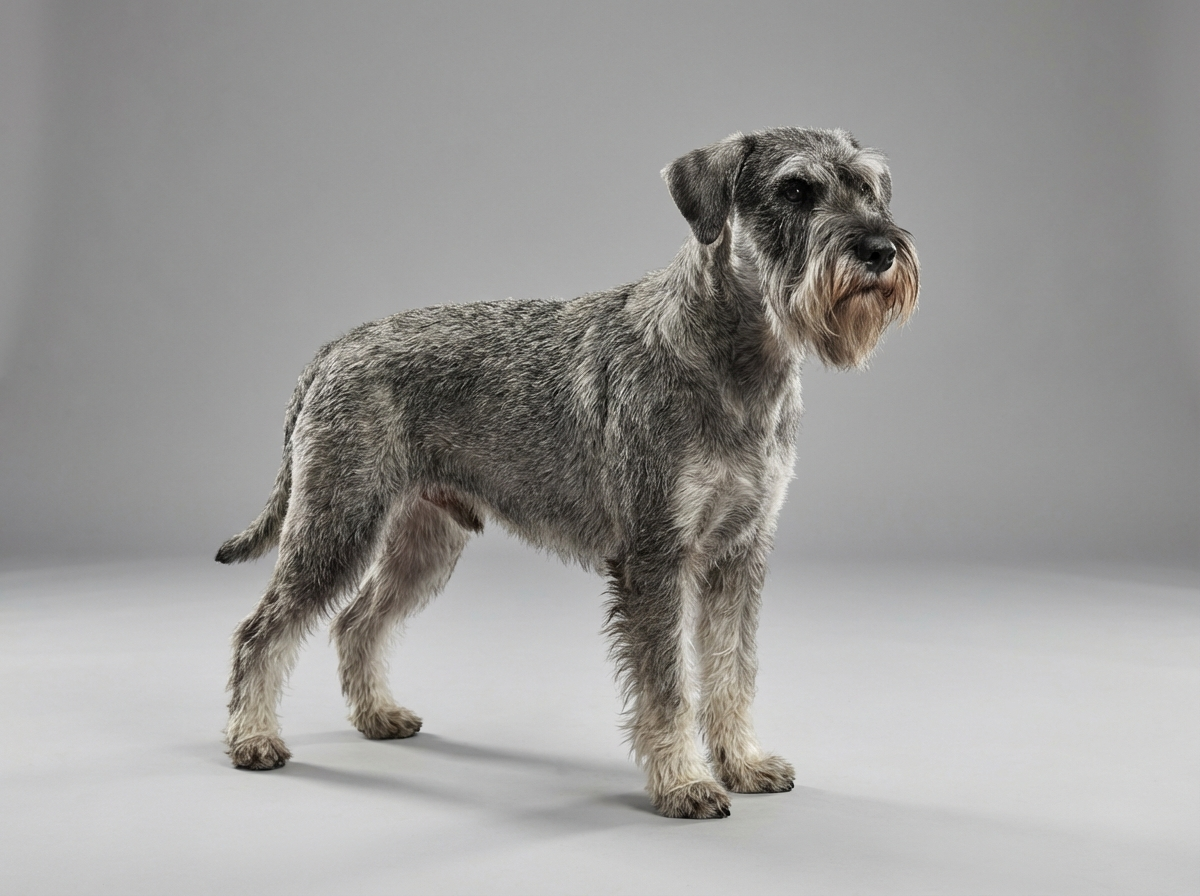
When Sarah adopted Max, her Standard Schnauzer, she was excited to bring home a spirited companion. However, after a few weeks, Max began experiencing seizures. After consulting with a vet, Sarah learned that managing Schnauzer (Standard) epilepsy would require a combination of medication and lifestyle adjustments. With careful monitoring and patience, Sarah adjusted Max's medication and created a calmer environment. Over time, the frequency of Max's seizures decreased, and Sarah felt relieved to see him happier and more energetic.
Key takeaway: Patience and cooperation with your vet are crucial in managing epilepsy in Schnauzers. Consistent care can lead to significant improvements.
Epilepsy in Schnauzers (Standard) can be caused by genetics, head injuries, or exposure to toxins. It's important to consult a vet to determine the underlying cause and discuss appropriate treatments.
While there's no surefire way to prevent epilepsy, medication prescribed by your vet can help manage seizures. Keeping a diary of seizure occurrences and any potential triggers can also assist your vet in tailoring the treatment plan.
Positive reinforcement training is essential for Schnauzers (Standard) with epilepsy. Use treats and praise to reward calm behavior, and avoid harsh corrections, which can stress your dog and potentially trigger a seizure.
Yes, maintaining a consistent routine, reducing stress, and providing a safe environment can help manage your Schnauzer's (Standard) epilepsy. Regular vet check-ups and following a proper diet are also key.
Stay calm and make sure your Schnauzer (Standard) is in a safe space. Time the seizure, and avoid putting anything in their mouth. After the seizure, comfort your dog and allow them to rest.
Yes, epilepsy can be hereditary in Schnauzers (Standard). If you have a family history of seizures in your dog, it’s important to discuss this with your breeder and vet.
While some owners may consider natural remedies, managing Schnauzer (Standard) epilepsy usually requires veterinary guidance. Medication can help control seizures effectively, but always consult your vet before making any changes to your dog's treatment plan.
If your Schnauzer (Standard) has a seizure, stay calm and ensure their safety by moving any nearby objects. Time the seizure and avoid putting anything in their mouth. If the seizure lasts more than five minutes, contact your vet immediately.
Certain factors like stress, flashing lights, or sudden loud noises can trigger seizures in Schnauzers (Standard). Keeping a diary of your dog's seizures can help identify potential triggers, which is useful information to share with your veterinarian.
During a seizure, make sure your Schnauzer (Standard) is in a safe, quiet space. Speak softly to them after the seizure ends, as they may be disoriented. After the seizure, provide comfort and monitor them closely for any unusual behavior.
Generally, Schnauzers (Standard) with epilepsy can live with other dogs, but it's important to monitor interactions closely. Ensure that other dogs are calm and that your Schnauzer feels secure, especially if they have a history of seizures when stressed.
Keep a seizure diary to track patterns and triggers, and always consult your vet for medication options. Ensure your Schnauzer (Standard) has a safe space to prevent injuries during a seizure.
Yes, stress can be a trigger for seizures. Keeping your Schnauzer (Standard) in a calm environment and following a consistent routine can help minimize stress.
Treatment costs can vary, but expect to spend around $100 to $200 per month for medication and vet visits. Initial diagnostic costs can also add up.
Yes, training is crucial for managing behavior and reducing stress. Use positive reinforcement methods to encourage calm and obedient behavior.
Create a safe space by removing sharp objects and providing a comfortable area for recovery. Stay close to comfort them after a seizure.