Behavior
What should I do during a seizure?
Stay calm and keep your dog safe by moving away any objects that could cause injury. Time the seizure and contact your vet if it lasts longer than 5 minutes.

Quick answer
What should I do during a seizure?
Stay calm and keep your dog safe by moving away any objects that could cause injury. Time the seizure and contact your vet if it lasts longer than 5 minutes.
Jack Russell Terrier epilepsy can be alarming and confusing for owners. Seizures can disrupt your dog's life and yours.
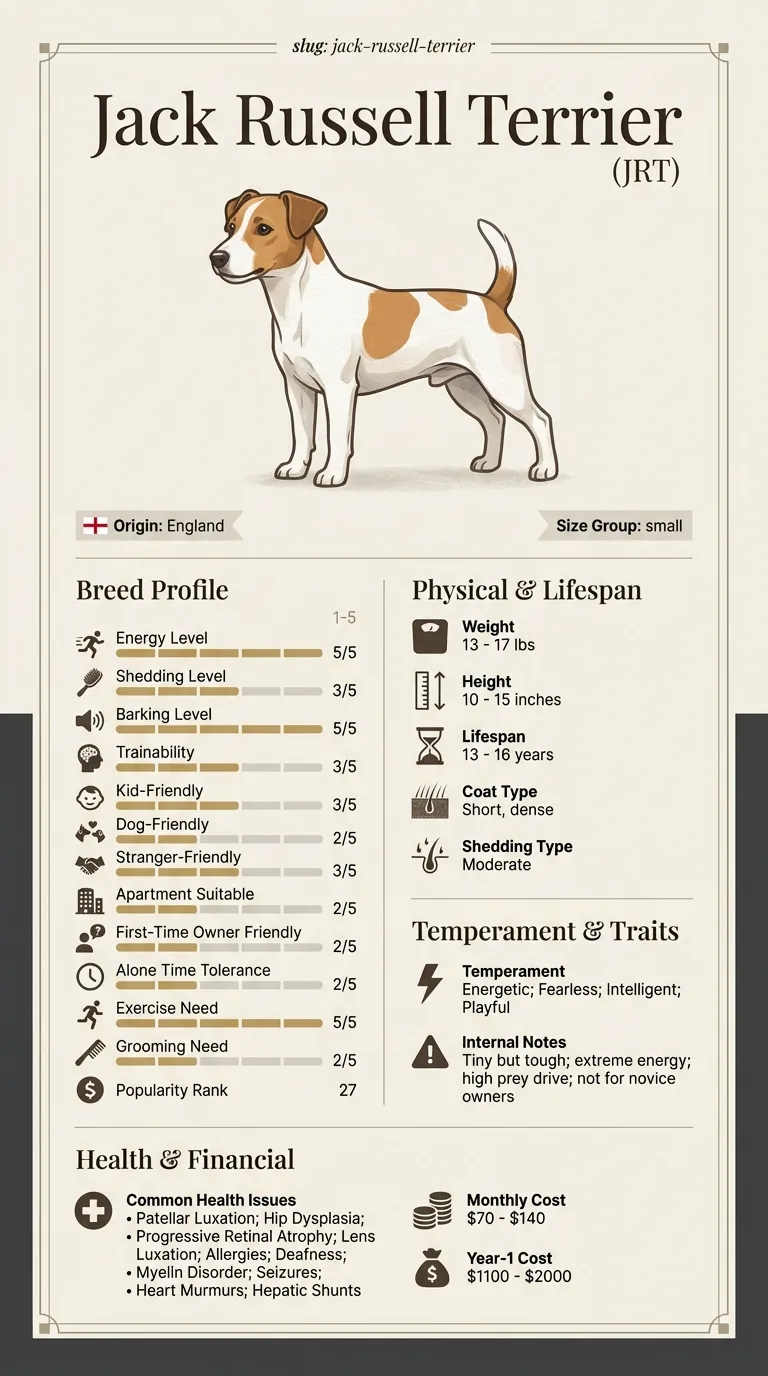
This problem often affects first-time dog owners or those not familiar with seizure disorders. Owners of active and energetic breeds like the Jack Russell Terrier may find it particularly challenging to cope with the sudden changes in their pet's behavior.
This guide is not medical advice. If your dog shows pain, sudden behavior change, or worsening symptoms, consult a licensed veterinarian.
Some links may be affiliate links. We may earn a commission at no extra cost to you. We only suggest products we believe are helpful for dog owners.
We research and check what we publish, but we do not warrant that any figure, date, price, or statement is accurate, complete, or current, and we accept no liability for any loss, cost, injury, or other harm arising from the use of this site. Use it as one reference among several. You remain responsible for your own decisions and for your dog's care - confirm anything that matters with a licensed veterinarian or another qualified professional before you act on it. Full disclaimer.
Check this first
It's crucial to know when Jack Russell Terrier epilepsy becomes an emergency. If your dog experiences a seizure lasting more than five minutes, or has multiple seizures in a short time, you should call your vet immediately. These are signs that require urgent medical attention.
If any of these apply, call your vet or an emergency clinic now. The rest of this page is for the cases that are not an emergency.
Jack Russell Terrier epilepsy is a serious condition characterized by seizures that can impact your dog's daily life. These seizures can vary in intensity and frequency, making it challenging for both the dog and the owner. Common signs include sudden shaking, loss of consciousness, and confusion, which can be frightening to witness.
Epilepsy is relatively common in Jack Russell Terriers, with estimates suggesting that around 2-5% of the breed may experience seizures at some point in their lives. This condition can arise in young adulthood but can also develop later.
Jack Russell Terriers may have a genetic predisposition to epilepsy, which can be linked to their lineage. Certain breeds, including the JRT, are more likely to develop seizure disorders due to inherited traits. Additionally, their energetic nature can sometimes lead to stress, which may trigger seizures in predisposed individuals.
Environmental factors can also contribute to epilepsy in Jack Russell Terriers. Exposure to toxins, such as pesticides or certain foods, can provoke seizures. Moreover, significant changes in routine or high-stress situations can trigger episodes, especially in a breed that thrives on structure and regular activity.
If your dog experiences frequent seizures or if you notice any changes in behavior, it's essential to talk to your vet. They can provide a proper diagnosis and recommend treatment options, including medication if necessary.
Avoiding these common mistakes can help improve your Jack Russell Terrier's epilepsy management.
Start here: Jack Russell Terrier Most Common Genetic Disorders
See all Jack Russell Terrier health problems, which breeds are prone to epilepsy, or the full Jack Russell Terrier breed guide for temperament, exercise needs and ownership costs.
Managing Jack Russell Terrier epilepsy can take several weeks to months of consistent care, including vet visits and medication adjustments.
Success means reducing the frequency and severity of seizures, allowing your dog to have a happier, healthier life with an improved quality of life.
If your Jack Russell Terrier has a seizure that lasts less than five minutes and they return to normal quickly, it’s often safe to monitor the situation. Keep track of how often seizures occur and any triggers you notice. Documenting this information can help your vet create a suitable management plan.

Here are some red-flag signs that mean you should call your vet right away:

You can usually monitor these less severe cases:
Maria, a busy nurse, adopted Max, her energetic Jack Russell Terrier, only to discover he had epilepsy. At first, the seizures were alarming and unpredictable, leaving Maria worried about his health and safety. After consulting with her vet, she learned how to manage Max's condition with medication and lifestyle adjustments. With patience and dedication, she established a routine that included regular vet check-ups and a safe space for Max during seizures. Over time, the frequency of his seizures decreased significantly, and Maria felt more in control of his health.
Key takeaway: With proper management and support, you can help your Jack Russell Terrier live a fulfilling life despite epilepsy.
Jack Russell Terriers can have epilepsy due to genetic factors, brain injuries, or certain infections. It's essential to consult a veterinarian for a proper diagnosis and to rule out other potential causes.
Managing Jack Russell Terrier epilepsy typically involves medication prescribed by a vet. Keeping a seizure diary can help track frequency and triggers, which is vital for treatment adjustments.
If your Jack Russell Terrier has a seizure, stay calm and ensure they are in a safe space. Time the seizure and avoid putting anything in their mouth. Afterward, comfort your dog and consult a veterinarian for further guidance.
While there is no cure for epilepsy, medication can help reduce the frequency and severity of seizures. Working closely with your veterinarian is crucial to find the right treatment plan for your dog.
Training can't cure epilepsy, but it can help in managing your dog's anxiety around seizures. Teaching calm behaviors and providing a safe space can make a difference in their overall wellbeing.
Some owners find that specific diets, like low-carb or ketogenic diets, may help manage seizures. Always discuss dietary changes with your vet before making adjustments.
While some dogs may experience fewer seizures as they age, many do not outgrow epilepsy. It's essential to monitor their condition and work with your vet on a long-term management plan.
Common triggers can include stress, fatigue, or specific foods. Identifying and avoiding these triggers can help manage your dog's epilepsy effectively.
Yes, medications can be effective in managing epilepsy in Jack Russell Terriers. Your vet can recommend the best treatment options based on your dog's specific needs.
You should see a vet if your dog has multiple seizures in a short period, if they last longer than a few minutes, or if you notice any unusual behavior afterward. Early intervention can help manage their condition better.
Stay calm and keep your dog safe by moving away any objects that could cause injury. Time the seizure and contact your vet if it lasts longer than 5 minutes.
Yes, epilepsy can be hereditary in Jack Russell Terriers, so it's important to know the family history of your dog when considering breeding.
Maintain a consistent medication schedule, keep a seizure log, and create a calming environment for your dog to help manage their condition.
Monthly costs for managing epilepsy can range from $70 to $140, depending on medications and veterinary visits.
Yes, many online forums and local groups provide support for owners managing epilepsy in their Jack Russell Terriers. Connecting with others can offer valuable tips and emotional support.
A one-page prep sheet for this condition: the signs, the questions to ask, what to get priced. Unlocks here.
You get: Vet visit prep sheet
No spam. One-click unsubscribe. See our privacy policy.
Preview page 1 before you decide.