Behavior
What are some quick tips for Maltese epilepsy?
Maintain a consistent routine and keep stress levels low to help manage seizures. Regular vet check-ups are crucial to adjust treatments as needed.

Quick answer
What are some quick tips for Maltese epilepsy?
Maintain a consistent routine and keep stress levels low to help manage seizures. Regular vet check-ups are crucial to adjust treatments as needed.
Maltese epilepsy can be a challenging condition for both dogs and their owners. Understanding it is the first step toward management.
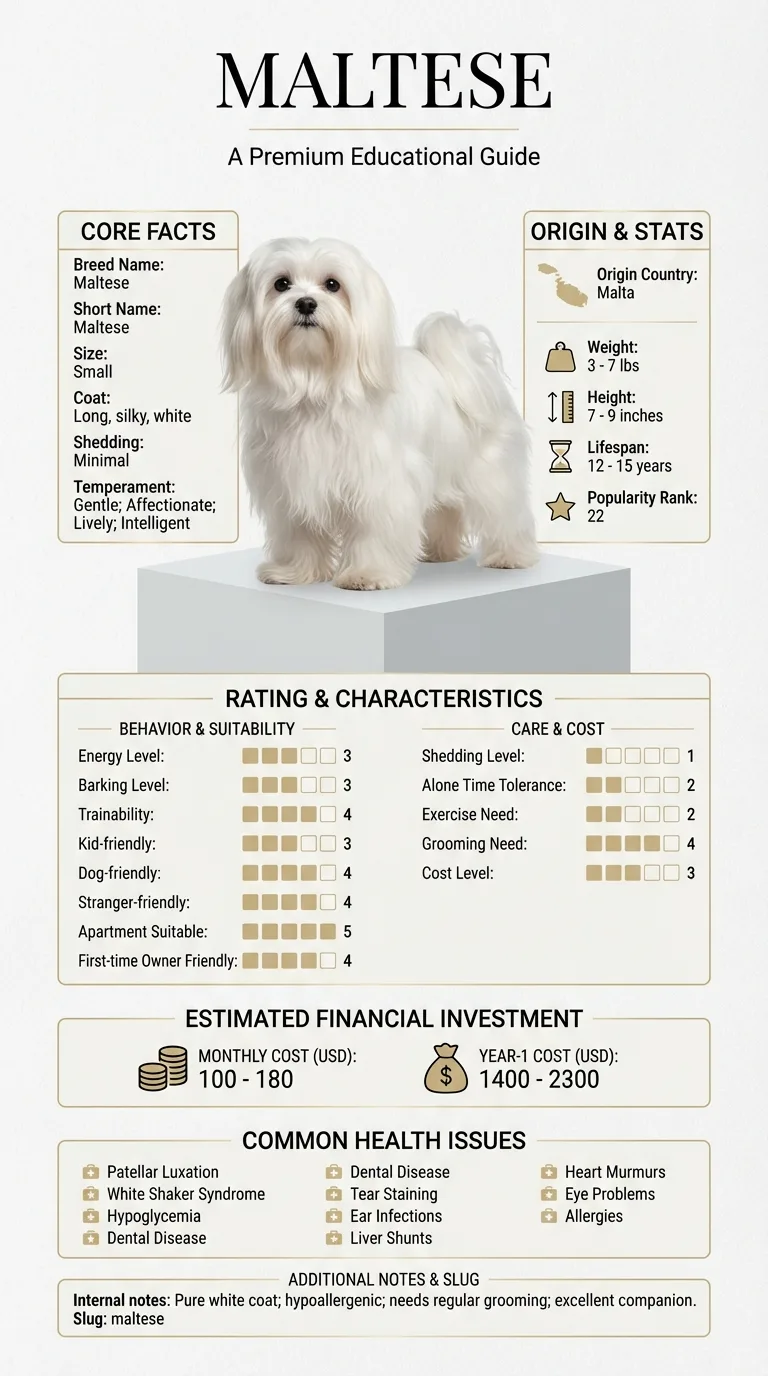
Owners of Maltese dogs, especially those who are first-time pet parents or those unfamiliar with seizure disorders, often struggle with this issue. They may feel helpless during an episode and uncertain about the best ways to support their dog.
This guide is not medical advice. If your dog shows pain, sudden behavior change, or worsening symptoms, consult a licensed veterinarian.
Some links may be affiliate links. We may earn a commission at no extra cost to you. We only suggest products we believe are helpful for dog owners.
We research and check what we publish, but we do not warrant that any figure, date, price, or statement is accurate, complete, or current, and we accept no liability for any loss, cost, injury, or other harm arising from the use of this site. Use it as one reference among several. You remain responsible for your own decisions and for your dog's care - confirm anything that matters with a licensed veterinarian or another qualified professional before you act on it. Full disclaimer.
Check this first
Recognizing when Maltese epilepsy becomes an emergency is crucial for your dog's health. If your Maltese experiences a seizure that lasts more than 5 minutes, or if they have multiple seizures in a row without regaining consciousness, you need to call your vet right away. These situations can lead to serious health risks, including brain damage or even death if not treated promptly.
Additionally, if your Maltese shows signs of distress before or after a seizure—such as excessive drooling, disorientation, or trouble standing—this could indicate a more severe issue. Always err on the side of caution if your dog appears to be in pain or is behaving unusually after a seizure.
On the other hand, if your Maltese has occasional seizures that are brief and they return to normal behavior afterward, you may not need to rush to the vet. In these cases, it's wise to monitor your dog closely and keep a detailed log of the seizure occurrences to discuss during your next veterinary visit. This information can help your vet assess whether any changes to your Maltese's treatment plan are necessary.
If any of these apply, call your vet or an emergency clinic now. The rest of this page is for the cases that are not an emergency.
Maltese epilepsy can manifest as sudden seizures, which may range from mild twitching to full-body convulsions. Owners often notice their dog experiencing unusual movements, temporary disorientation, or even loss of consciousness. These episodes can be alarming and distressing for both the dog and its owner.
Epilepsy is relatively uncommon in Maltese dogs, but it can occur. While not all Maltese will experience this condition, it’s important for owners to be aware of the signs and triggers. Early recognition can help manage the condition effectively.
Maltese dogs can be prone to epilepsy due to genetic factors. Certain lines of this breed may carry genes that increase the likelihood of seizures. Additionally, their small size can make them more susceptible to neurological issues than larger breeds.
Environmental triggers can also contribute to epilepsy in Maltese dogs. Stressful situations, such as loud noises or changes in routine, can provoke seizures. Poor diet or exposure to toxins may further exacerbate the condition.
If your Maltese has a seizure lasting longer than five minutes, or if they have multiple seizures in a short period, contact your vet immediately. Regular check-ups are essential, and if you notice any sudden changes in behavior, such as increased anxiety or lethargy, talk to your vet for advice.
Avoiding common pitfalls can help manage Maltese epilepsy more effectively. Here are some mistakes to steer clear of.
Start here: Maltese Most Common Genetic Disorders: What to Screen For
See all Maltese health problems, which breeds are prone to epilepsy, or the full Maltese breed guide for temperament, exercise needs and ownership costs.
It may take several weeks to months to identify the triggers and find a suitable treatment plan for Maltese epilepsy. Regular vet check-ups will be essential.
Success means that your Maltese experiences fewer seizures, has a better quality of life, and shows overall improved behavior and energy levels.
Emily, a first-time Maltese owner from Seattle, noticed her puppy Bella having occasional seizures. Initially terrified, she quickly learned about Maltese epilepsy and consulted her vet. With a mix of medication and lifestyle changes, including regular exercise and a consistent routine, Emily saw Bella's seizures decrease significantly over three months. Emily also joined an online support group for Maltese owners, where she found valuable tips and emotional support.
Key takeaway: Understanding your dog's condition and seeking support can make a significant difference in managing Maltese epilepsy effectively.
Maltese epilepsy can be caused by a variety of factors, including genetic predisposition, environmental triggers, or underlying health issues. It's essential to consult with a vet to determine the specific cause for your dog. Regular check-ups can help manage their health and identify any issues early.
Stopping Maltese epilepsy completely may not be possible, but you can manage it effectively. Work with your veterinarian to develop a treatment plan, which may include medication, lifestyle changes, and regular monitoring. Keeping a seizure diary can also help identify triggers.
If your Maltese has a seizure, stay calm and ensure they are in a safe space. Avoid putting anything in their mouth and time the seizure. If it lasts longer than 5 minutes or if they have multiple seizures in a row, contact your vet immediately.
While there are no specific training methods for Maltese epilepsy, positive reinforcement can help create a calm environment. Teaching commands and tricks can distract them during stressful times. Always consult your vet before starting new training routines.
The long-term outlook for a Maltese with epilepsy varies. Many dogs can live normal, happy lives with the right treatment. Regular veterinary care and a stable routine will significantly improve their quality of life.
Yes, diet can play a role in managing Maltese epilepsy. Some owners find that specific diets help reduce the frequency of seizures. Consult your vet for dietary recommendations that could support your dog's health.
If your Maltese has a seizure, stay calm and ensure they are in a safe environment. Do not put anything in their mouth, and time the duration of the seizure. If it lasts more than five minutes, contact your vet immediately.
While you can't train away epilepsy, training can help manage your dog's anxiety and environment. Behavioral training may reduce triggers for seizures, but always follow your vet's recommendations for treatment.
Epilepsy can develop at any age, but it's often diagnosed in younger dogs. However, older Maltese can also experience seizures due to underlying health issues, so regular vet check-ups are crucial.
To help your Maltese during a seizure, create a quiet, safe space and avoid touching them. After the seizure, comfort them and monitor their recovery. Keep track of seizure frequency and discuss it with your vet.
Maintain a consistent routine and keep stress levels low to help manage seizures. Regular vet check-ups are crucial to adjust treatments as needed.
Treating Maltese epilepsy can range from $100 to $300 monthly, depending on medication and vet visits. Be prepared for potential additional costs for emergency care.
Yes, epilepsy can be hereditary in Maltese dogs, so it's important to consider their family history when breeding or adopting.
While you can't train them to stop seizures, you can train them to go to a safe spot or perform calming behaviors during an episode.
Some supplements may help support brain health, but always consult your vet before introducing new products to your Maltese's diet.
A one-page prep sheet for this condition: the signs, the questions to ask, what to get priced. Unlocks here.
You get: Vet visit prep sheet
No spam. One-click unsubscribe. See our privacy policy.
Preview page 1 before you decide.