Health
What do stenotic nares look like?
Narrow vertical slits instead of open nostrils, which collapse further inward when the dog breathes in.

Quick answer
What do stenotic nares look like?
Narrow vertical slits instead of open nostrils, which collapse further inward when the dog breathes in.
Look at your Bichon's nose. If the nostrils are round, open holes rather than narrow vertical slits, this condition does not apply, and a noisy nose means something else.
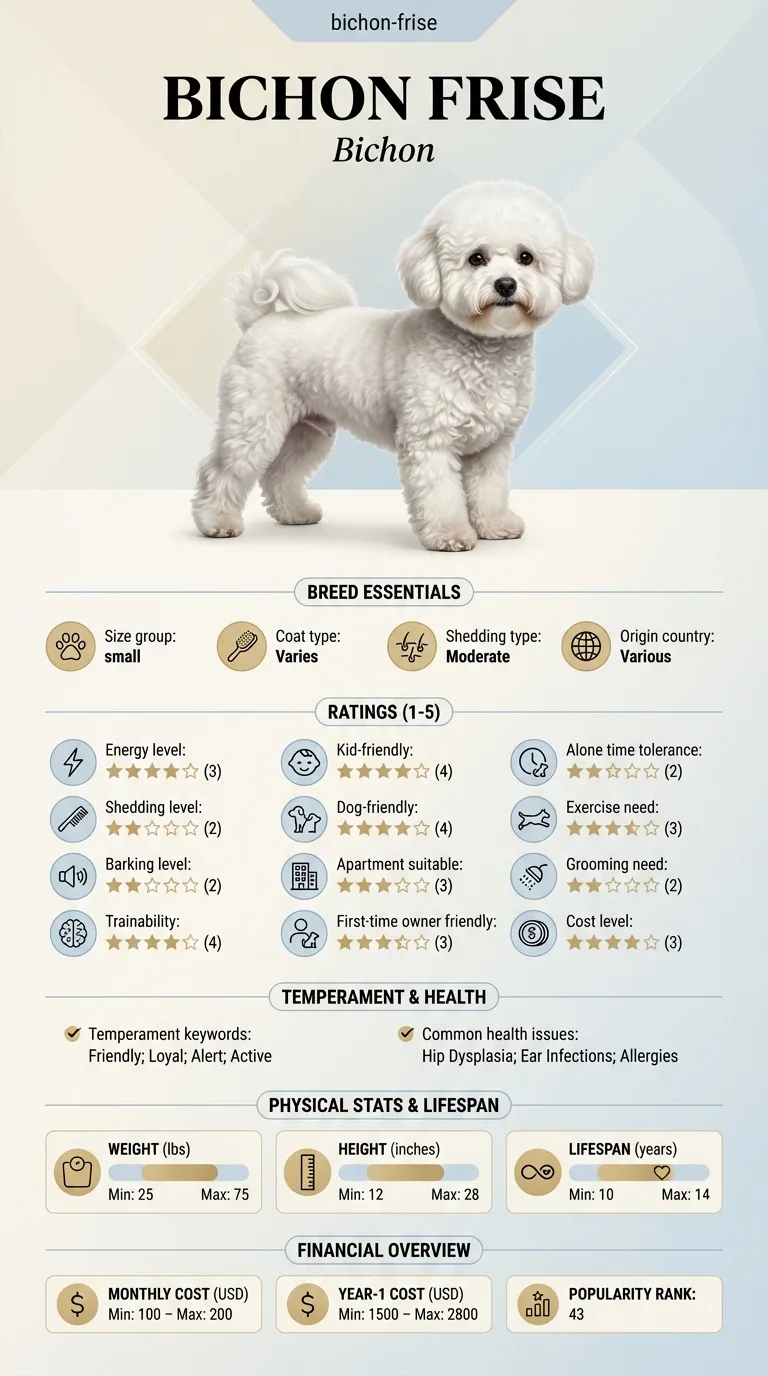
Owners who have found this term on a Bichon health list and are now inspecting their dog's nose anxiously, and owners of a Bichon that snorts, snuffles or breathes noisily and want a real explanation.
This guide is not medical advice. If your dog shows pain, sudden behavior change, or worsening symptoms, consult a licensed veterinarian.
Some links may be affiliate links. We may earn a commission at no extra cost to you. We only suggest products we believe are helpful for dog owners.
We research and check what we publish, but we do not warrant that any figure, date, price, or statement is accurate, complete, or current, and we accept no liability for any loss, cost, injury, or other harm arising from the use of this site. Use it as one reference among several. You remain responsible for your own decisions and for your dog's care - confirm anything that matters with a licensed veterinarian or another qualified professional before you act on it. Full disclaimer.
Stenotic nares are a structural narrowing of the nostril openings, seen in dogs bred for compressed skulls and corrected surgically. The Bichon Frise does not have this conformation. This page exists because the term appears on breed health lists that were assembled generically, and because owners who find it need something more useful than reassurance: a way to check their own dog and a list of what noisy nasal breathing actually indicates in this breed.
Narrowed nostrils are extremely common within brachycephalic breeds and effectively absent from breeds with normal muzzles. In a Bichon Frise this would be a genuine anomaly rather than a breed trait. Reverse sneezing, by contrast, is common across small breeds and is the explanation behind the majority of alarming nasal noises owners report.
The Bichon's skull is proportionate and its soft tissue is not crowded, so the mechanism that produces stenotic nares is simply absent. The trait that does matter here is the coat: a curly dense double coat with very low shedding grows continuously around the muzzle, and hair that is not trimmed can reach the nostrils. The breed's documented allergic tendency, expressed in the skin, provides a plausible route to nasal inflammation as well.
Environment supplies most of the real causes. Walks through long grass and undergrowth are the source of inhaled seeds, which are seasonal and predictable. Household aerosols, cleaning sprays, scented products and smoke all sit at nose height for a dog under a foot tall. Dry indoor air in winter and pollen loads in summer both contribute to the irritation that triggers reverse sneezing episodes.
Seek same-day attention for sudden violent sneezing that starts after a walk, for bleeding from the nose, for discharge from one nostril only, or for any laboured breathing at rest with pale or bluish gums. Book within a week for noisy breathing that is constant rather than episodic, reverse sneezing that has become frequent or prolonged, persistent nasal discharge, or a change in the shape of the nose or face. Do not attempt to remove anything from your dog's nose yourself.
See all Bichon Frise health problems, which breeds are prone to small nostrils stenotic nares, or the full Bichon Frise breed guide for temperament, exercise needs and ownership costs.
Checking your dog's nostrils takes half a minute and settles the structural question permanently. A muzzle trim shows any benefit immediately. Reverse sneezing episodes resolve on their own within a minute. A foreign body needs removal in a single procedure, and the sooner it happens the less damage is done.
Quiet breathing at rest, open nostrils you have looked at yourself, a short clean muzzle, and confidence that the alarming snorting your dog occasionally does is a recognised harmless event rather than an untreated structural problem.
This is one of the few conditions an owner can meaningfully evaluate at home, and thirty seconds settles it.
If your Bichon's nostrils look normal but the dog is snuffling, snorting or breathing noisily, the cause lies further back or is temporary. Several possibilities are far more likely than a structural narrowing.
Reverse sneezing is the most frequent and the most alarming to witness. The dog extends its neck, plants its feet and draws air inward in rapid violent snorts for anything from a few seconds to a minute. It stems from irritation at the back of the nose and is generally harmless, though frequent episodes deserve investigation.
A foreign body is the next possibility, particularly after a walk through undergrowth. Grass seeds are the classic culprit and produce sudden, violent, one-sided sneezing that starts abruptly in a dog that was fine an hour before. That combination warrants prompt veterinary attention.
Allergic or infectious inflammation produces nasal discharge and congestion, and a Bichon is a breed with documented skin allergy tendencies, so an allergic component is plausible.
Hair is the mundane one. A heavily coated dog with long hair growing around the muzzle can genuinely have hair drawn toward the nostrils, and a short muzzle trim removes the noise entirely.

Gemma had read a Bichon health page listing narrowed nostrils and spent an evening watching her dog Tilda breathe. Tilda did make a soft snuffling noise, particularly when sniffing along the ground. At her next appointment the vet looked at Tilda's nose for about four seconds, described the nostrils as wide open, and then lifted the long hair growing forward from her muzzle. It reached the nostril openings. A short muzzle trim at her next groom removed the snuffle. Gemma keeps that area short now and Tilda breathes silently.
Key takeaway: In a heavily coated breed, the simplest explanation for a noisy nose is often hair. Check the nostrils yourself and check what is growing in front of them before assuming a structural fault.
No. This is a condition of dogs bred for shortened skulls, where soft tissue is crowded into a compressed bony framework. The Bichon has a proportionate muzzle and open nostrils, and airway conditions do not appear on its documented health list of skin allergies, patellar luxation, bladder stones, cataracts and dental disease.
Because aggregated breed health content is frequently copied between pages without checking whether the condition has ever been described in that breed. A generic list of canine airway conditions gets attached to a breed profile and then reproduced. Checking your own dog's nose is faster than resolving the citation trail.
Occasional reverse sneezing episodes that resolve within a minute are common and usually harmless. What warrants attention is snorting that is constant rather than episodic, noise present at rest, discharge from one nostril, or a sudden onset of violent sneezing after a walk.
By examination and removal, usually under sedation or anaesthesia, sometimes with an endoscope. Do not attempt to remove anything yourself, and do not delay: a grass seed left in place migrates and causes ongoing damage and infection.
Sometimes, in a very simple way. Long hair around the muzzle and nose of a heavily coated breed can be drawn against the nostrils. Asking your groomer to keep the muzzle short is a trivial change that occasionally resolves a persistent snuffle.
Stay calm and let it pass, which it usually does within a minute. Some owners find gently stroking the throat or briefly covering the nostrils to encourage a swallow helps. If episodes become frequent, longer, or start affecting the dog's day, book an appointment.
Narrow vertical slits instead of open nostrils, which collapse further inward when the dog breathes in.
Usually not. It resolves within a minute and the dog is normal immediately afterwards. Frequent episodes deserve a check.
Almost certainly not. It is a procedure for flat-faced breeds and would be an unusual recommendation for this breed.
Yes, keep the muzzle short at grooming appointments. It reduces irritation and keeps the area cleaner and drier.
Violent one-sided sneezing starting abruptly after a walk suggests a foreign body and needs same-day attention.
A one-page prep sheet for this condition: the signs, the questions to ask, what to get priced. Unlocks here.
You get: Vet visit prep sheet
No spam. One-click unsubscribe. See our privacy policy.
Preview page 1 before you decide.
