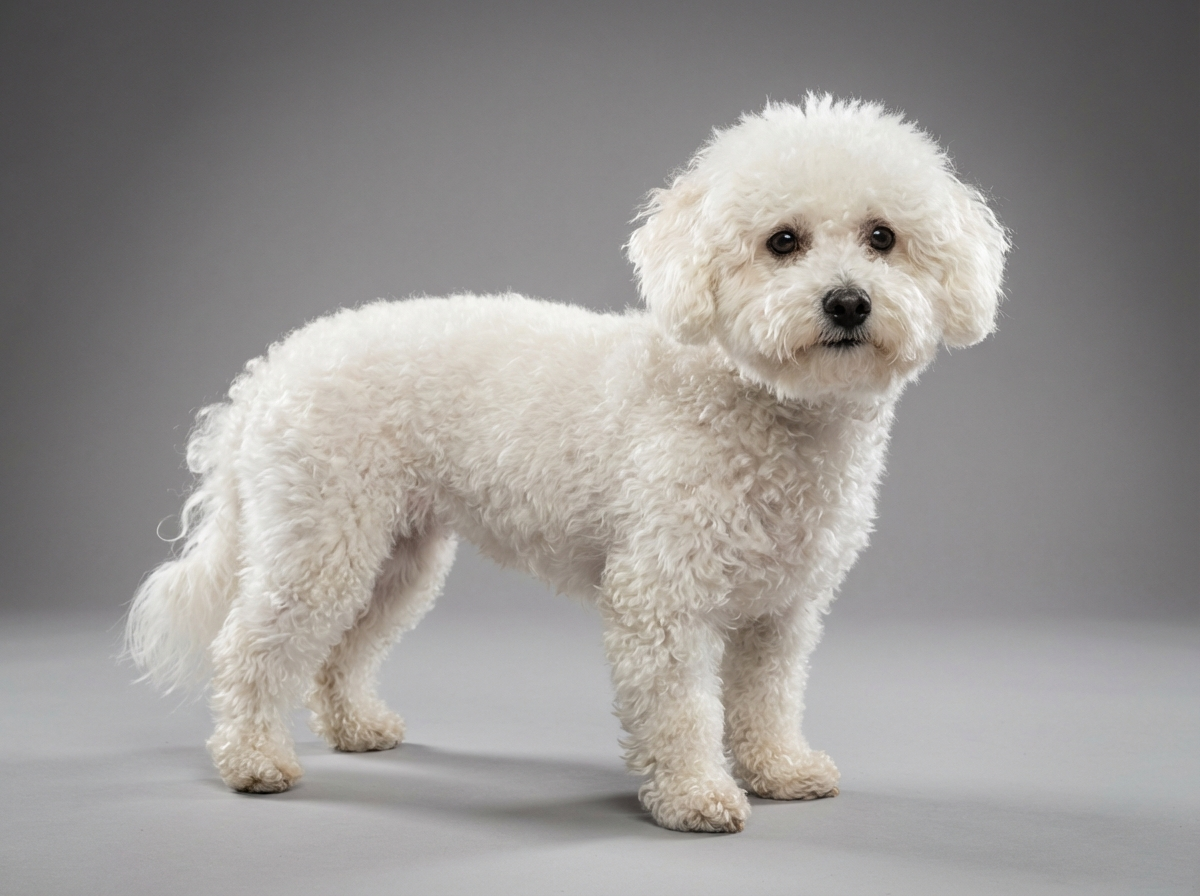
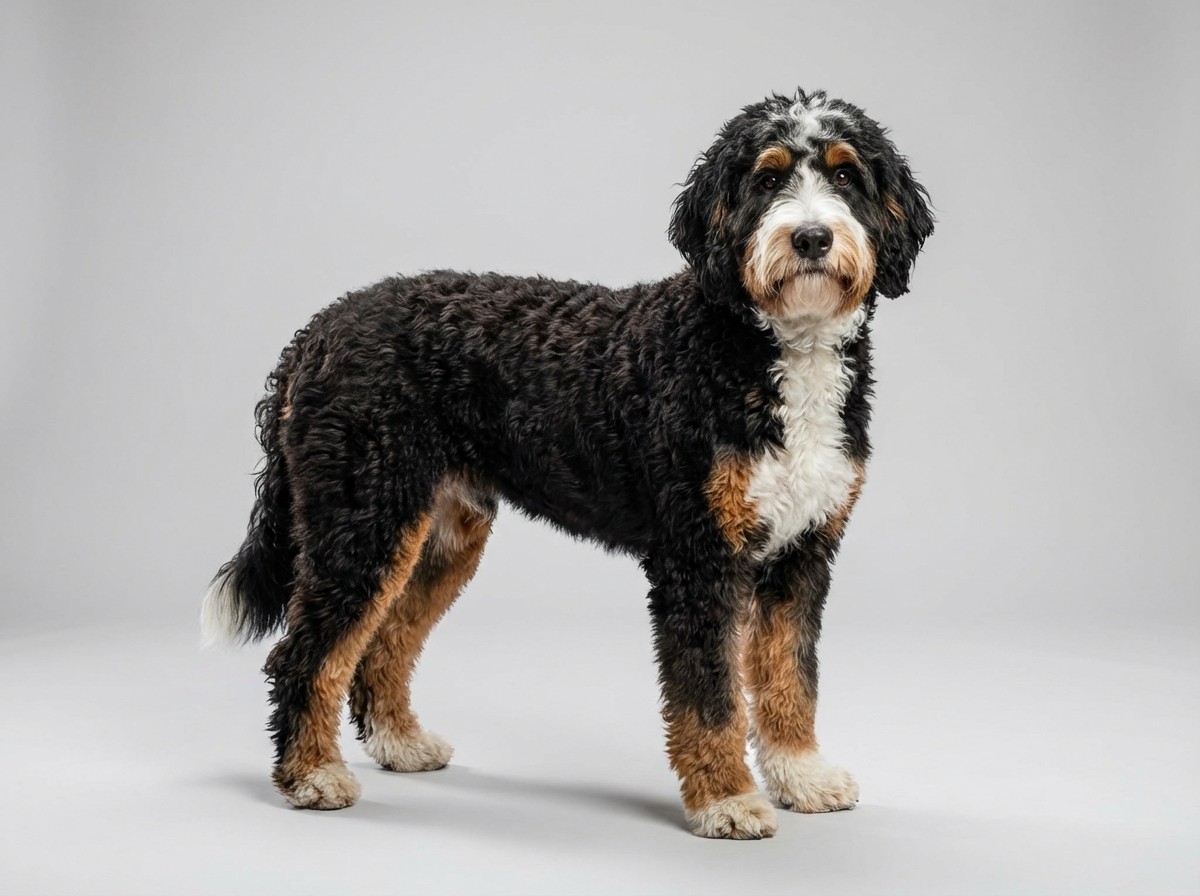
Health
Do Bichon Frises get intervertebral disc disease?
Not as a breed predisposition. They lack the dwarfing body plan that drives early disc rupture, though age-related change is possible in senior individuals.

Quick answer
Do Bichon Frises get intervertebral disc disease?
Not as a breed predisposition. They lack the dwarfing body plan that drives early disc rupture, though age-related change is possible in senior individuals.
There are two quite different ways a disc fails, they happen to different dogs on different timescales, and only one of them explains the dramatic overnight paralysis stories that dominate the internet.
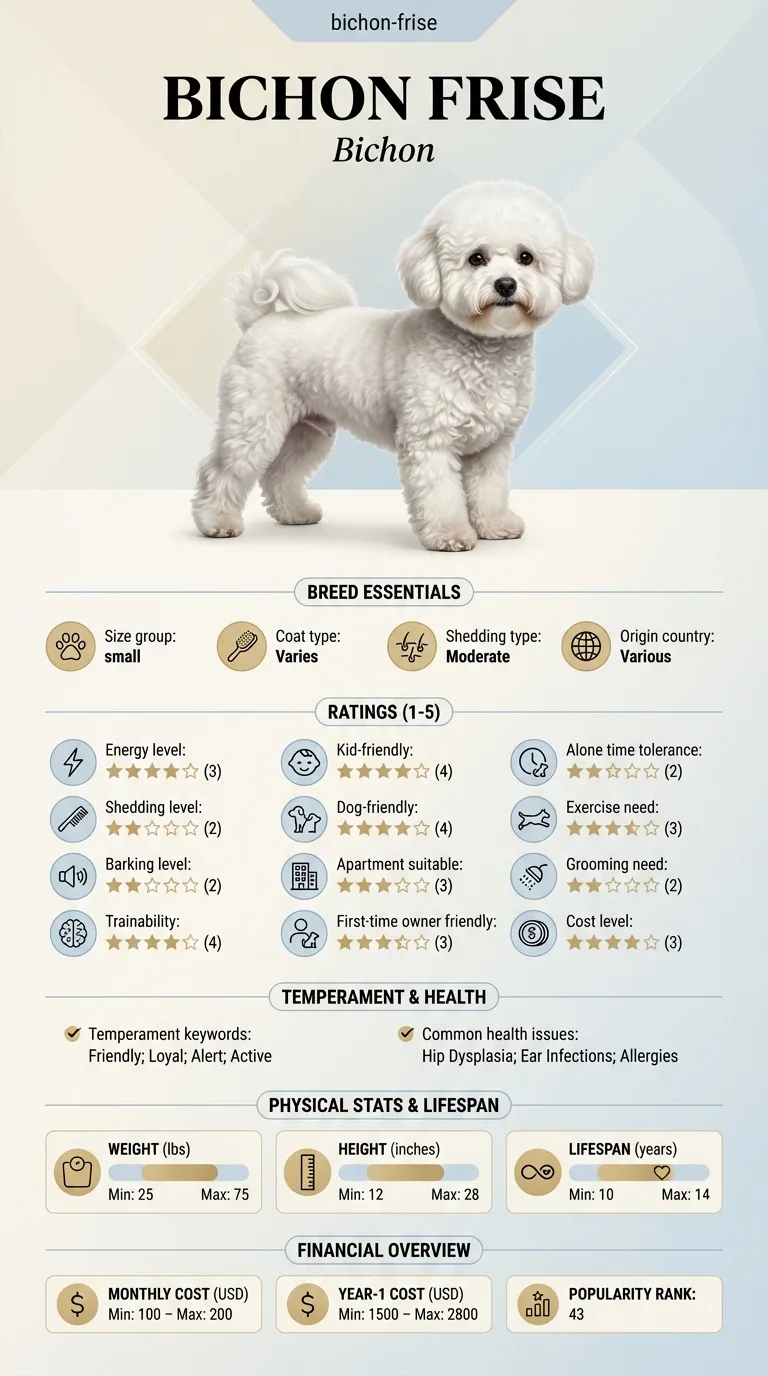
Owners who have been handed the term IVDD and want to know whether their Bichon is actually at risk, and owners of older Bichons noticing a gradual change in how the hind legs work who need to know whether that is arthritis or something in the spine.
This guide is not medical advice. If your dog shows pain, sudden behavior change, or worsening symptoms, consult a licensed veterinarian.
Some links may be affiliate links. We may earn a commission at no extra cost to you. We only suggest products we believe are helpful for dog owners.
We research and check what we publish, but we do not warrant that any figure, date, price, or statement is accurate, complete, or current, and we accept no liability for any loss, cost, injury, or other harm arising from the use of this site. Use it as one reference among several. You remain responsible for your own decisions and for your dog's care - confirm anything that matters with a licensed veterinarian or another qualified professional before you act on it. Full disclaimer.
Intervertebral disc disease is the failure of a spinal shock absorber, allowing material to press on the spinal cord. It produces pain, hind limb weakness, incoordination and in severe cases paralysis. The explosive form belongs largely to dwarfed long-backed breeds; the slow compressive form can appear in older dogs of many types, the Bichon Frise included. Neither form is on this breed's documented health list.
Very common in dachshunds and related breeds, where it is a leading reason for spinal surgery. Uncommon in the Bichon Frise, where hind limb signs far more often trace to the kneecap, to arthritis, or to soft tissue back strain. Owners of this breed are more likely to be ruling disc disease out than in, which is a legitimate and useful outcome.
The mechanism that makes disc disease a breed problem is early chemical change in the disc centre, converting soft gel into brittle mineralised material that can burst under load. That change is tied to the genetics of skeletal dwarfism, which is why the affected breeds all share a long body on short legs. The Bichon Frise is not built on that plan. Its documented health issues sit elsewhere entirely: skin allergies, patellar luxation, bladder stones, cataracts and dental disease. What the breed does contribute is confusion, because a luxating kneecap produces an intermittent hind leg failure that looks spinal to a worried owner.
For any dog, the spine is loaded by weight and by impact. A Bichon Frise carrying four extra pounds on a 15 pound frame is loading every disc constantly, and this is a breed where weight gain is easy given an exercise requirement of only two out of five. Impact comes from the environment: hard floors, no ramps to furniture, and stairs. Slippery surfaces add a twisting element, because a dog whose feet slide apart under it takes the load through the spine rather than the legs. None of these create a chondrodystrophic disc, but they all matter for an aging one.
Book a neurological assessment for any hind limb wobbliness, scuffing, crossing of the back legs, or a dog that is suddenly reluctant to jump when it always could. Go to an emergency clinic immediately, at any hour, if your Bichon cannot stand or walk, is dragging either hind leg, has lost bladder or bowel control, is knuckling repeatedly, or is in severe pain with a rigid hunched posture. Acute spinal cord compression is a genuine surgical emergency where the outcome depends on hours, and delaying overnight to see if it improves can permanently change what your dog recovers.
See all Bichon Frise health problems, which breeds are prone to backspine issues, or the full Bichon Frise breed guide for temperament, exercise needs and ownership costs.
Conservative management of a mild case means four to six weeks of strict confinement followed by a slow structured return to activity, with the first two weeks the strictest. Recovery after spinal surgery is measured in months of rehabilitation, not weeks. Slow compressive disease in an older dog is managed indefinitely, with the realistic aim of slowing decline rather than reversing it. Dogs that lose deep pain sensation before treatment have a substantially poorer outlook, and that is worth knowing before you are asked to decide.
For most Bichon owners, success on this page is a confident answer that the problem is not spinal at all, and a proper assessment of the knee or the joints instead. Where spinal disease is confirmed, success is a dog walking with coordinated hind legs, continent, comfortable on prescribed treatment, and able to do a short daily walk. A slight permanent wobble that does not bother the dog is a good outcome, not a failure.
Veterinary medicine separates disc disease into Hansen type I and Hansen type II. Understanding which one you are reading about changes almost everything, including whether the breed association applies to your dog at all.
The dwarfing gene that produces the long-and-low body plan is what predisposes a breed to early disc calcification and type I rupture. The Bichon Frise does not carry that body plan. It is a proportionate, roughly square small dog of 9 to 12 inches with normal limb length, and disc disease is not among its documented health issues.
So the risk profile is not zero, because no dog's is, but it is not the dachshund's risk either. A Bichon that develops spinal cord signs is more likely doing so in old age, more likely by the gradual type II route, and more likely to have arthritis or a hind limb problem as the actual explanation.
That last point deserves emphasis. Patellar luxation is documented in this breed, and the picture it produces, an intermittently skipping hind leg, is misread as a spinal problem constantly.
The distinguishing question is coordination. A dog with a knee problem knows exactly where its foot is; it just cannot use the leg for a moment. A dog with spinal cord compression has lost track of where its feet are, so it scuffs, knuckles, crosses its back legs and wears the tops of its hind toenails flat.

If you think your Bichon has back/spine issues, the plan is three steps: write down what you have seen and when it started, book a veterinary appointment rather than waiting for the next flare, and take video of the behaviour or symptom before you go — the thing you are worried about rarely happens in the consulting room. Screening in the parents covers skin allergies, patellar luxation, bladder stones.
What the vet visit should produce is a diagnosis and a written plan, not just reassurance: what is being ruled out, what the monitoring interval is, and which signs mean you come back sooner. Ask what the treatment costs across a year rather than per visit, because that is the number that decides whether you are managing this condition or reacting to it.
Between appointments, keep a short log — dates, what you saw, what changed. It is the single most useful thing an owner brings to a follow-up, and for back/spine issues it is often what separates a clear pattern from a guess.
Wilbur was eleven and had been slowing down for a year. His owner, Ines, put it down to age. He no longer jumped into the car and sometimes his back end swayed on the turn at the end of the hall. What actually got him examined was a groomer's remark. Trimming his feet, she pointed out that the tops of the nails on both hind feet were worn flat, while the fronts were normal. Wilbur was scuffing, and nobody had seen it happen. The neurological examination found reduced awareness of where his hind feet were placed. Imaging showed a slowly bulging disc in the lower back, the gradual compressive kind rather than a rupture. Wilbur was managed rather than operated on: pain control, weight loss of two pounds, a ramp into the car, and a physiotherapy programme of slow deliberate walking over low poles. Two years on he still sways slightly on tight turns and still asks for his walk twice a day.
Key takeaway: In an older dog the spine often announces itself through worn hind toenails long before it announces itself through a limp, so check the feet your dog cannot show you.
Not in the way dwarfed breeds are. The Bichon Frise does not have the chondrodystrophic body plan associated with early disc calcification, and disc disease is not on the breed's documented health list. Age-related disc change can still occur in an individual older dog, as it can in almost any breed.
The dog stands or steps with the paw folded over so the top of the foot contacts the ground instead of the pad. It often corrects itself immediately, so it is easy to miss. Flattened, scuffed hair or worn nails on the upper surface of a hind toe is the physical evidence it has been happening.
For an acutely paralysed dog, the outcome is strongly time-dependent and the window is measured in hours rather than days, particularly once deep pain sensation is lost. This is why sudden hind limb weakness is treated as an emergency rather than something to sleep on.
Milder cases and slowly progressive type II disease are often managed with strict confinement, pain control and rehabilitation under veterinary supervision. That is a legitimate plan, not a second-best one, but it requires genuine crate rest for weeks and close monitoring for deterioration.
Watch the feet. Kneecap problems produce a sudden skip or a hop with a fully aware, coordinated dog. Spinal cord problems produce a dog that is unsure where its back feet are: scuffing, crossing, swaying and worn nail tops. If you see the second pattern, get it assessed.
Advanced imaging under general anaesthetic is what localises a lesion precisely, and it is normally required before spinal surgery. It is expensive and it is not always the first step. Your vet will judge whether the neurological examination justifies going straight to imaging or watching first.
Not as a breed predisposition. They lack the dwarfing body plan that drives early disc rupture, though age-related change is possible in senior individuals.
Sudden weakness, dragging or paralysis of the hind legs. That is an emergency and the useful window for treatment is hours, not days.
Look at the tops of the hind toenails for flattening and scuffing, and watch the back feet on a slow walk over an even surface.
Where it is prescribed, yes, and it has to be strict. Half-hearted rest in a dog that feels better is the commonest reason a managed case relapses.
Advanced imaging plus surgery and aftercare is among the largest single expenses in small animal veterinary medicine. Ask for a full estimate up front.
A one-page prep sheet for this condition: the signs, the questions to ask, what to get priced. Unlocks here.
You get: Vet visit prep sheet
No spam. One-click unsubscribe. See our privacy policy.
Preview page 1 before you decide.