Understanding Jack Russell Terrier Back/Spine Issues
Jack Russell Terrier back/spine issues can be a serious concern for owners.
Typically, first-time owners or those with busy lifestyles may struggle to identify these issues promptly. Active families, who enjoy outdoor activities with their energetic JRTs, might find it challenging when their dog starts showing signs of back pain.
Important reminder
This guide is not medical advice. If your dog shows pain, sudden behavior change, or worsening symptoms, consult a licensed veterinarian.
Some links may be affiliate links. We may earn a commission at no extra cost to you. We only suggest products we believe are helpful for dog owners.
What this problem looks like
Jack Russell Terrier back/spine issues can manifest as pain, difficulty in movement, or changes in behavior. These small, energetic dogs are prone to intervertebral disc disease due to their active lifestyle and unique body structure. Owners may notice their JRT hesitating to jump, showing signs of discomfort, or even yelping when touched in certain areas.
Common triggers
Rapid movements or jumps
Obesity or improper weight management
Age-related wear and tear
Genetics or hereditary factors
Back and spine issues are relatively common in Jack Russell Terriers, especially as they age. Many JRTs experience some form of back pain or injury during their lifetime due to their high energy and playful nature.
Why this happens
Breed factors
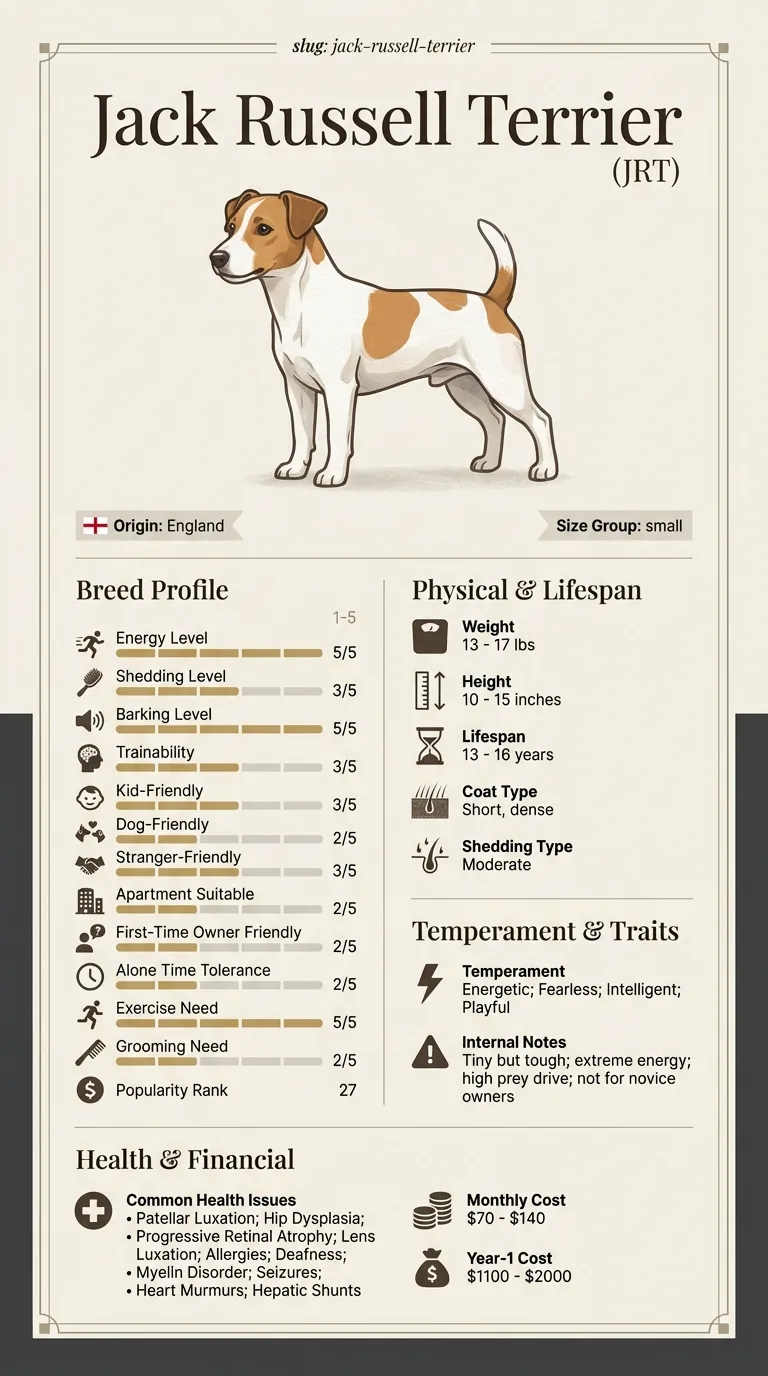
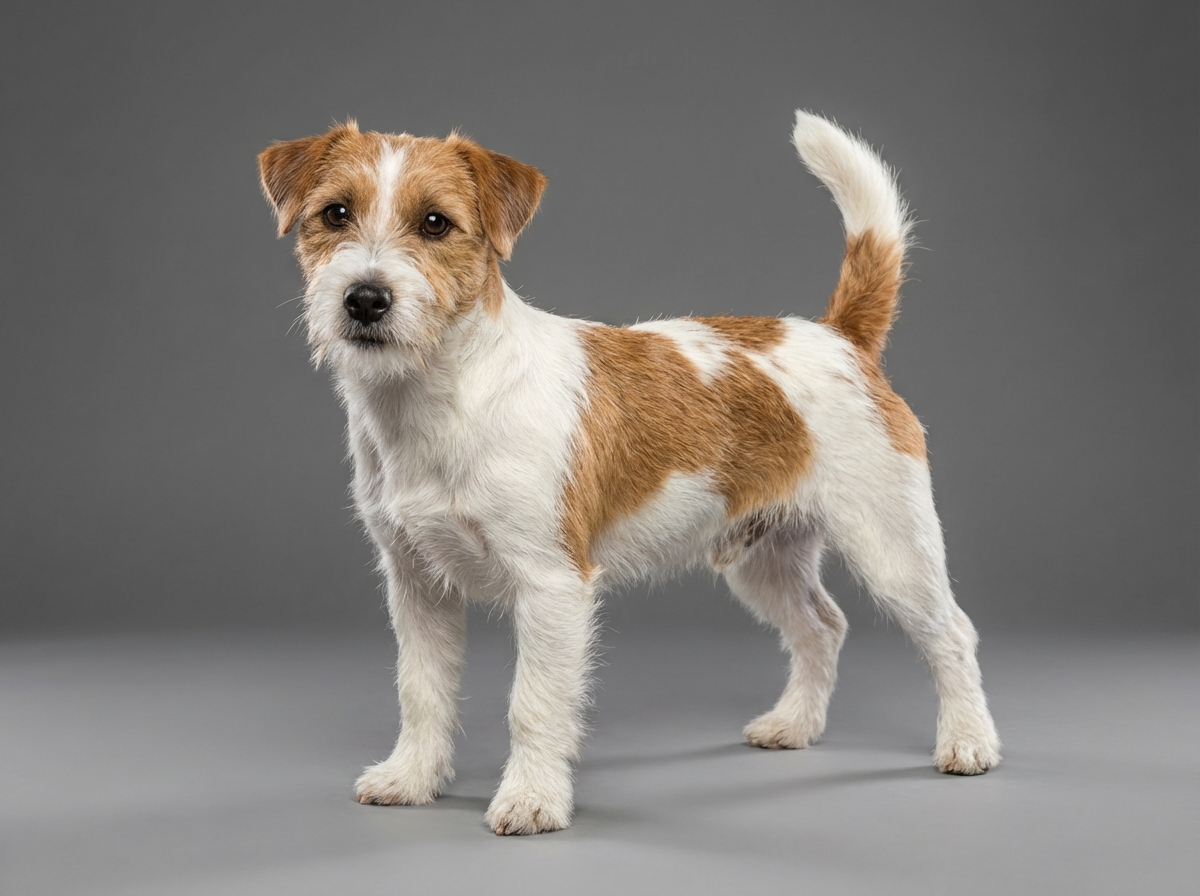
Jack Russell Terriers are energetic and fearless, but their high activity levels can lead to back and spine issues. Their small size and athletic build make them prone to injuries, especially if they jump or climb frequently. Additionally, certain genetic factors in this breed may predispose them to conditions like intervertebral disc disease.
Environment factors
Environmental factors such as improper training and lack of proper exercise can exacerbate back problems. If a Jack Russell Terrier is allowed to engage in high-impact activities without proper conditioning, they may suffer from injuries. Additionally, living in a cramped space with limited room to move can also contribute to physical strain.
What you can try
At-home strategies
Ensure your Jack Russell Terrier has a safe environment free of obstacles. Make sure there are no high furniture pieces they can jump from or climb on, which could lead to injuries.
Implement a consistent exercise routine that includes low-impact activities like walking or swimming. Avoid high-impact exercises, especially if your dog shows signs of discomfort.
Gradually train your dog to perform exercises that strengthen their back and core muscles. Simple activities like gentle stretching and controlled play can be beneficial.
When to consider a trainer
If your Jack Russell Terrier continues to show signs of back pain or if you struggle with training, a professional dog trainer can help. They can provide guidance on safe exercise techniques and behavior modification to prevent further issues.
When to talk to your vet
Consult your vet if your dog shows persistent signs of discomfort, such as reluctance to move, whining, or difficulty jumping. Early intervention can prevent more serious conditions from developing. If you notice sudden changes in behavior or mobility, get your dog checked immediately.
Realistic expectations
You can expect to see improvements in your Jack Russell Terrier's back and spine issues within 4 to 6 weeks of consistent training and care.
Success means your dog shows decreased pain, increased mobility, and a return to their playful self. You'll notice they can play and walk without discomfort.
Mistakes that make this worse
Avoiding certain behaviors can help your Jack Russell Terrier manage their back and spine issues more effectively. Here are common mistakes to steer clear of, along with safer alternatives.
Ignoring weight management: Overweight dogs put extra strain on their backs. Maintain a healthy diet and exercise routine to keep your JRT fit.
Skipping regular vet check-ups: Failing to get routine check-ups can lead to undetected issues. Regular visits allow for early detection and intervention.
Allowing excessive jumping: Jack Russells love to leap, but this can worsen back problems. Provide gentle play and avoid high jumps or rough play.
Neglecting proper training: Using harsh training methods can increase stress and anxiety, worsening spine issues. Focus on positive reinforcement and gentle training techniques.
Not providing a comfortable resting place: Hard surfaces can exacerbate back pain. Ensure your dog has a soft, supportive bed for rest and recovery.
Ignoring signs of pain: If your JRT shows signs of discomfort, it's crucial to address it. Consult your vet for pain management and treatment options.
Forgetting to modify exercise: Too much vigorous activity can strain your dog's back. Tailor exercise to low-impact activities that are safe for their condition.
When Jack Russell Terrier Back/Spine Issues Are an Emergency
Understanding when back or spine issues in your Jack Russell Terrier are an emergency can be crucial. Immediate veterinary attention is necessary if you notice sudden paralysis, severe pain, or inability to walk. These symptoms can indicate a serious condition like intervertebral disc disease, requiring urgent care.
Additionally, if your dog is unable to control their bladder or bowels, or shows signs of significant distress, call your vet right away. Other red flags include severe lethargy, a hunched back posture, and excessive whining or yelping when moving. These signs often point to serious problems that demand quick intervention.
On the other hand, if your Jack Russell exhibits mild back stiffness, occasional limping, or minor discomfort, it may be manageable at home. Monitor their activity, keep them calm, and limit strenuous exercise. You can also implement gentle stretches and consult your vet for a proper training plan to support their back health. These cases can often be addressed through rest and gradual rehabilitation without immediate emergency care.

Understanding Jack Russell Terrier Back/Spine Issues - When Jack Russell Terrier Back/Spine Issues Are an Emergency
Emily and Max: Overcoming Back Issues
Emily, a busy nurse in Seattle, adopted Max, a spirited Jack Russell Terrier. Soon after bringing him home, she noticed him struggling to jump and play. After consulting a vet, Emily learned Max had back issues. With a tailored exercise plan and gentle training techniques, she committed herself to helping him. Over the course of a month, with regular vet check-ups and a focus on low-impact activities, Max gradually improved. He was soon back to chasing his favorite ball, and Emily felt immense relief.
Key takeaway: Consistent training and veterinary support are key to managing Jack Russell Terrier back/spine issues, helping them regain their joy.
Frequently asked questions
Why does my Jack Russell Terrier have back/spine issues?
Jack Russell Terriers can develop back or spine issues due to their active nature and genetic predispositions. Intervertebral disc disease is common in this breed, often caused by excessive jumping or rough play. Regular vet check-ups and a controlled exercise routine can help manage these risks.
How can I stop my Jack Russell Terrier from having back/spine issues?
To prevent back/spine issues in your Jack Russell Terrier, focus on low-impact exercises and avoid high jumps or rough play. Training your dog to use ramps instead of stairs can also be beneficial. Consult your vet for specific recommendations based on your dog's health.
What are the signs of back/spine issues in Jack Russell Terriers?
Look for signs like reluctance to jump, difficulty walking, or yelping when touched. If your dog appears to be in pain or has a noticeable change in behavior, it’s essential to consult your veterinarian. Early intervention can make a significant difference.
What treatment options are available for Jack Russell Terrier back/spine issues?
Treatment options may include medication, physical therapy, or in severe cases, surgery. Your vet will suggest the best course of action based on the specific condition and severity. Regular monitoring and adjustments to your dog’s lifestyle can also help manage symptoms.
Is back/spine surgery safe for Jack Russell Terriers?
Surgery for back/spine issues can be safe and effective, but it carries risks, especially in older dogs. It's crucial to discuss potential outcomes and recovery periods with your veterinarian to ensure you're making the best choice for your pet's health.
What are the signs of back/spine issues in a Jack Russell Terrier?
Signs of back or spine issues in a Jack Russell Terrier may include difficulty jumping, reluctance to play, or signs of pain when touched. You might also notice changes in their walking or sitting posture. If you observe any of these symptoms, it's important to consult a veterinarian.
Can back/spine issues in older Jack Russell Terriers be managed?
Yes, back and spine issues in older Jack Russell Terriers can often be managed through a combination of medication, physical therapy, and weight management. Regular vet check-ups are essential to assess your dog's condition. Always follow your vet's recommendations for the best care.
How can I prevent back/spine issues in my Jack Russell Terrier?
To help prevent back and spine issues in your Jack Russell Terrier, maintain a healthy weight, ensure they have proper exercise, and avoid high-impact activities. Providing a supportive bed and avoiding rough play can also reduce the risk of injury. Regular vet visits are key to catching any potential problems early.
What should I do if my Jack Russell Terrier experiences sudden back pain?
If your Jack Russell Terrier shows signs of sudden back pain, such as yelping or refusing to move, you should see a veterinarian immediately. This may indicate a serious condition like intervertebral disc disease. Prompt professional evaluation is crucial to determine the best course of action.
Are there specific breeds more prone to back/spine issues?
Certain small breeds, including the Jack Russell Terrier, are more prone to back and spine issues due to their structure and activity levels. Understanding these risks can help owners take proactive measures in training and care. Always research breed-specific health concerns when considering a dog.
What are some quick tips for Jack Russell Terrier back/spine issues?
Limit jumping and rough play to reduce the risk of injury. Regular vet visits can help catch issues early. Consider low-impact exercises to keep your dog active without stressing their back.
Health
How can I tell if my Jack Russell Terrier's back is hurting?
Signs include reluctance to move, yelping when touched, or changes in appetite. If you notice any of these symptoms, consult your vet promptly.
Health
What should I do if my Jack Russell Terrier has a back injury?
Keep your dog calm and restrict their movement. Contact your veterinarian immediately for guidance on next steps and treatment options.