Health
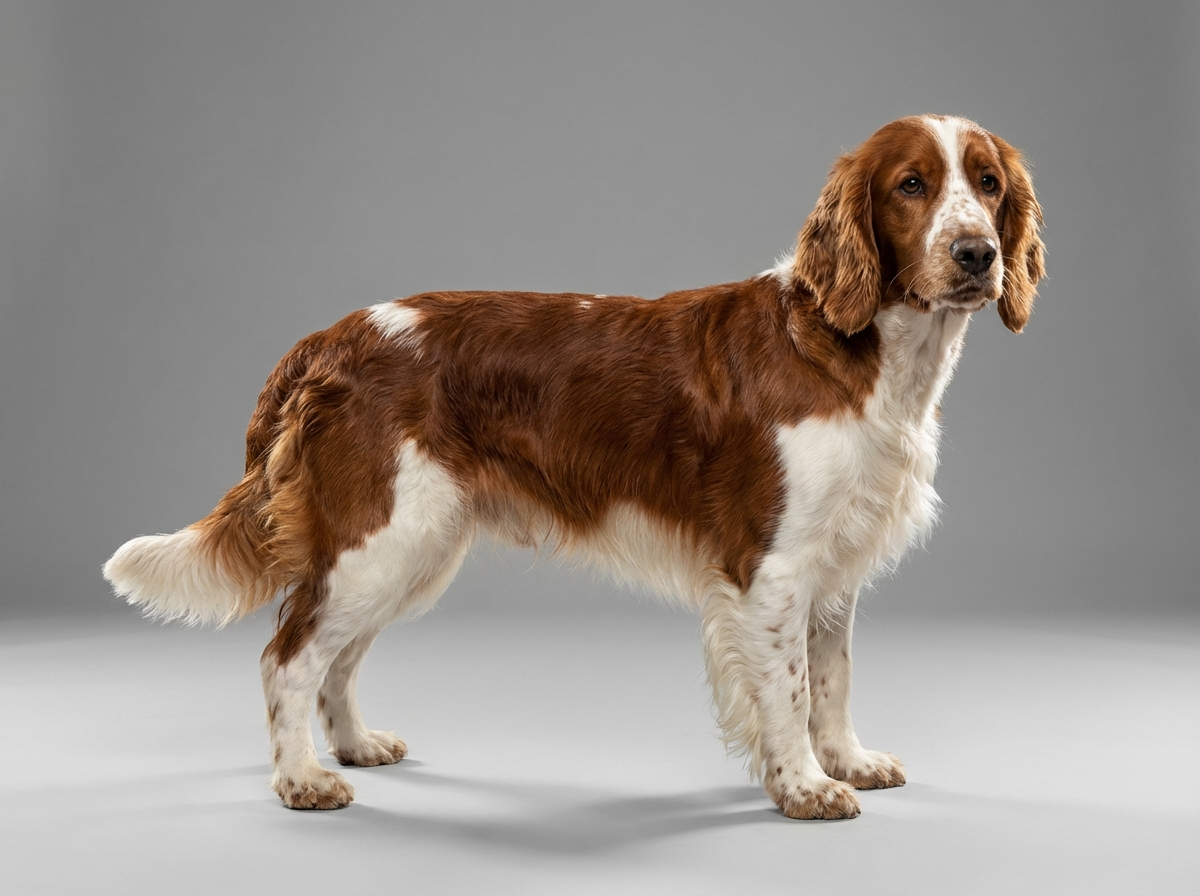
Why do Welsh Springer Spaniels gain weight easily?
Feeding habits are often calibrated to this breed's naturally high exercise need, so when activity drops, the same portions quickly create a calorie surplus.

Quick answer
Why do Welsh Springer Spaniels gain weight easily?
Feeding habits are often calibrated to this breed's naturally high exercise need, so when activity drops, the same portions quickly create a calorie surplus.
A dog with a working dog's appetite and a couch potato's schedule gains weight faster than owners expect, precisely because nothing about the feeding routine changed.
Owners whose life circumstances have changed, a new job, a move to an apartment, an aging dog that can't keep up its old pace, without a matching adjustment to food portions, are the ones who most often watch this happen.
This guide is not medical advice. If your dog shows pain, sudden behavior change, or worsening symptoms, consult a licensed veterinarian.
Some links may be affiliate links. We may earn a commission at no extra cost to you. We only suggest products we believe are helpful for dog owners.
Welsh Springer Spaniels are built for sustained, energetic fieldwork, and their feeding habits are often calibrated to that activity level. Once exercise drops, from a schedule change, a smaller living space, or aging joints, the same feeding routine quickly produces a calorie surplus, and this breed's dense coat can hide the early stages of that weight gain longer than owners expect.
Obesity is one of the most common preventable health issues across dog breeds generally, and this breed's naturally high calorie needs make the gap between an unchanged appetite and a reduced activity level especially easy to fall into once life circumstances shift.
Welsh Springer Spaniels carry a naturally high exercise need and a corresponding appetite calibrated for genuine physical work, so any reduction in that activity level without a matching adjustment to food portions creates a calorie surplus more quickly than in a naturally lower-energy breed.
Changes in an owner's schedule, a move to smaller living quarters, aging joints reducing exercise tolerance, and uncounted treats or training rewards are the main environmental factors that turn this breed's naturally high calorie needs into an actual weight problem.
Talk to your vet about a structured weight loss plan if your dog's ribs are difficult to feel or its waist has disappeared, since a vet-guided plan accounts for safe, gradual loss rather than risky rapid restriction. Sudden weight loss without a diet change, or refusal to eat, is a different concern and warrants prompt veterinary evaluation.
See all Welsh Springer Spaniel health problems, which breeds are prone to obesity, or the full Welsh Springer Spaniel breed guide for temperament, exercise needs and ownership costs.
Safe, sustainable weight loss in dogs typically targets one to two percent of body weight per week, meaning a meaningful weight problem often takes several months of consistent portion control to fully resolve.
Success looks like an easily felt rib cage, a visible waist from above, and a dog that can sustain its normal exercise routine without excessive fatigue, achieved gradually rather than through drastic short-term restriction.
A dog bred for hours of field work burns through calories most sedentary breeds never even take in, which means feeding guidelines and habits built around an active Welsh Springer Spaniel are calibrated for that higher burn rate. The moment daily exercise drops meaningfully, whether from a change in the owner's schedule, a move to a smaller living space with less apartment suitability, or simply an aging joint that can't keep up the old pace, that same feeding routine starts producing a calorie surplus almost immediately.
Because this breed's dense, moderate-shedding coat can visually hide early weight gain longer than a short-coated breed would, owners often don't notice the shift until it's more advanced, a slightly rounder middle, less definition at the waist when viewed from above, or a dog that seems to tire faster on walks that used to be easy. By the time it's visually obvious, meaningful weight has usually already accumulated.
This matters beyond appearance, since excess weight directly worsens this breed's most documented orthopedic risk, hip dysplasia, by adding mechanical load to a joint that may already be prone to laxity. A weight problem in this breed isn't just a cosmetic issue; it actively compounds the single most common health concern already on this breed's list.

Because this breed's weight problems usually stem from a mismatch between an unchanged appetite and a changed activity level, the fix is almost always about recalibrating portions to match the dog's actual current life.
If you think your Welsh has obesity, the plan is three steps: write down what you have seen and when it started, book a veterinary appointment rather than waiting for the next flare, and take video of the behaviour or symptom before you go — the thing you are worried about rarely happens in the consulting room. Screening in the parents covers hip dysplasia, ear infections, epilepsy.
What the vet visit should produce is a diagnosis and a written plan, not just reassurance: what is being ruled out, what the monitoring interval is, and which signs mean you come back sooner. Ask what the treatment costs across a year rather than per visit, because that is the number that decides whether you are managing this condition or reacting to it.
Between appointments, keep a short log — dates, what you saw, what changed. It is the single most useful thing an owner brings to a follow-up, and for obesity it is often what separates a clear pattern from a guess.
When Andre's job required a cross-country move, his Welsh Springer, Copper, went from daily hour-long field sessions to shorter neighborhood walks in a new apartment-heavy area, but Andre kept feeding Copper's usual portions out of habit. Copper's dense coat made the early weight gain hard to notice. It wasn't until a routine vet visit nearly a year later that Andre learned Copper had gained almost ten pounds, and his vet could no longer easily feel his ribs. Rather than drastic calorie cutting, Andre's vet recommended a modest daily reduction alongside daily food puzzle feeding and two two shorter but more frequent walks. Six months later, Copper was back to a healthy weight, with his waist visible again from above, and Andre now reweighs and reassesses Copper's portions every time their routine changes meaningfully.
Key takeaway: A move or schedule change can quietly turn a perfectly calibrated feeding routine into a calorie surplus, which is why portions need to follow the dog's actual current life, not its old one.
Feeding habits and portions in this breed are typically calibrated around its naturally high exercise need. When activity drops, whether from a schedule change, smaller living space, or aging joints, that same feeding routine quickly produces a calorie surplus.
Run your hands along the ribs, which should be easily felt without heavy pressure, and look for a visible waist narrowing behind the ribs when viewed from above. If ribs are hard to feel or the waist has disappeared, your dog is likely overweight.
Yes, significantly. Extra weight adds direct mechanical load to the hip joint, worsening arthritis progression in a breed already documented for hip dysplasia, making weight control one of the most effective tools for managing that condition.
Recalculate portions to match your dog's actual current activity level, use food puzzles to slow eating, and count treats and training rewards as part of the daily calorie total rather than free extras.
This breed's dense, moderate-shedding coat can visually hide early weight gain longer than a short-coated breed, which is why checking by feel, not just by eye, matters for catching it early.
Swimming and steady leash walking provide meaningful exercise with less joint impact than running or jumping, making them good options for an aging or already arthritic dog that still needs activity.
Feeding habits are often calibrated to this breed's naturally high exercise need, so when activity drops, the same portions quickly create a calorie surplus.
Feel along the ribs, which should be easy to find without pressing hard, and check for a visible waist narrowing from above; if either is missing, your dog is likely overweight.
Yes, extra weight adds direct load to the hip joint, worsening arthritis in a breed already documented for hip dysplasia.
Recalculating food portions to match current activity level and counting treats toward the daily total are the two most effective, no-cost first steps.
Weight-related joint strain can lead to costly orthopedic treatment down the line, so managing weight proactively is one of the cheaper long-term health investments an owner can make.
A one-page prep sheet for this condition: the signs, the questions to ask, what to get priced. Unlocks here.
You get: Vet visit prep sheet
No spam. One-click unsubscribe. See our privacy policy.
Preview page 1 before you decide.