Health
What is immune-mediated thyroiditis in dogs?
It is an autoimmune disease where the immune system attacks and gradually destroys thyroid tissue, often years before hormone levels drop low enough to cause symptoms.

Quick answer
What is immune-mediated thyroiditis in dogs?
It is an autoimmune disease where the immune system attacks and gradually destroys thyroid tissue, often years before hormone levels drop low enough to cause symptoms.
By the time a dog shows classic low-thyroid symptoms, the underlying autoimmune attack on the gland has often been running quietly for years.
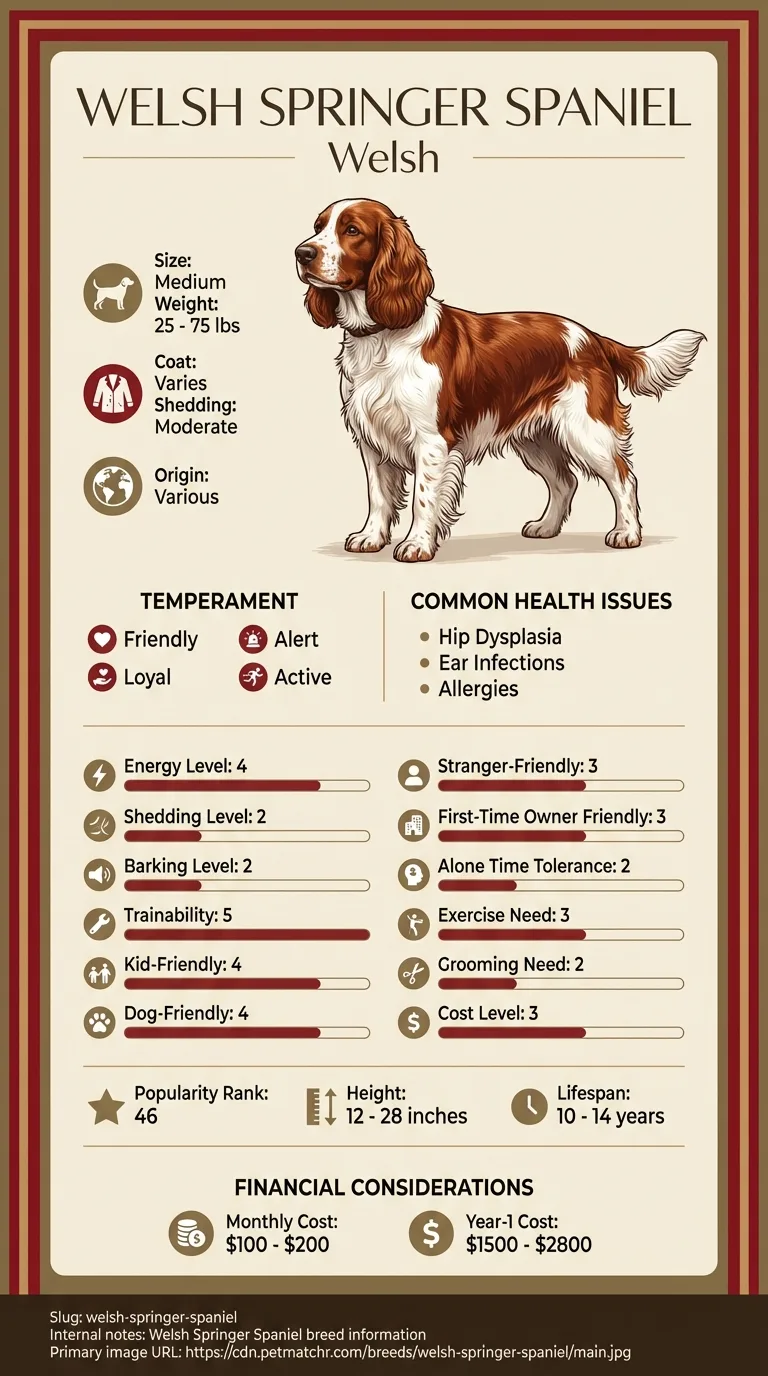
Breeders and owners trying to understand why hypothyroidism runs in certain family lines, and owners of young or middle-aged dogs wanting to catch a problem before symptoms appear, are the two audiences this topic serves best.
This guide is not medical advice. If your dog shows pain, sudden behavior change, or worsening symptoms, consult a licensed veterinarian.
Some links may be affiliate links. We may earn a commission at no extra cost to you. We only suggest products we believe are helpful for dog owners.
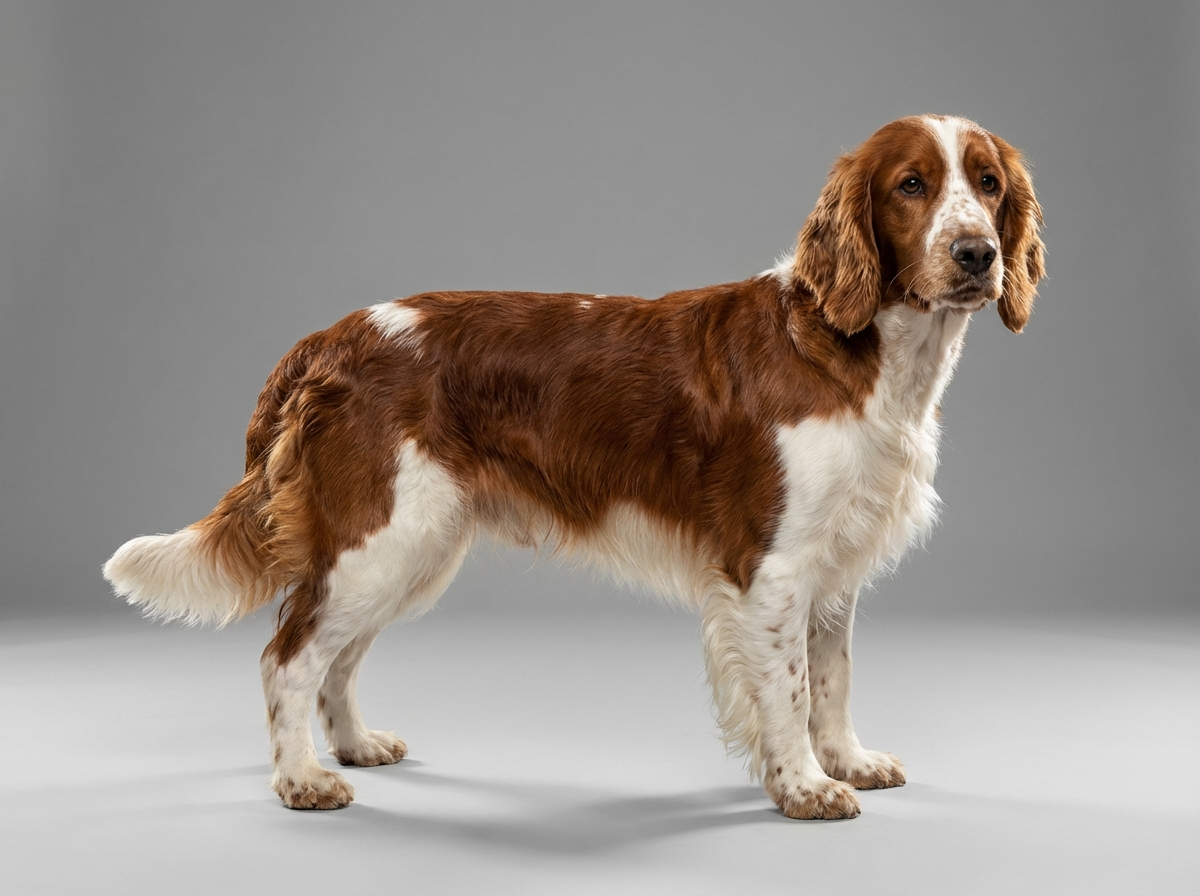
Immune-mediated thyroiditis is the autoimmune process behind most documented hypothyroidism in dogs, including in Welsh Springer Spaniels. It begins quietly, often years before symptoms appear, as the immune system gradually destroys thyroid tissue, which is why antibody testing can catch the process long before a standard hormone panel would.
Immune-mediated thyroiditis is understood to be the underlying cause of the majority of clinical hypothyroidism cases across dog breeds, and it is the most plausible driver behind the hypothyroidism already documented as a genuine health concern in Welsh Springer Spaniels.
The documented tendency toward hypothyroidism in Welsh Springer Spaniels is consistent with an underlying autoimmune thyroiditis process, an inherited predisposition where the immune system targets thyroid tissue over a period of years, gradually reducing the gland's ability to produce hormone.
While the disease itself is autoimmune and largely genetic in origin, general immune system stressors and overall health status can influence how quickly the underlying attack on thyroid tissue progresses in an individual dog.
Talk to your vet about antibody testing if hypothyroidism or thyroiditis runs in your dog's family line, or if you want an early baseline before symptoms could appear. This underlying autoimmune process is not itself an emergency, but any sudden, severe symptoms in your dog should always be evaluated by a vet promptly.
See all Welsh Springer Spaniel health problems, which breeds are prone to immune mediated thyroiditis, or the full Welsh Springer Spaniel breed guide for temperament, exercise needs and ownership costs.
The autoimmune process can run silently for years before symptoms appear, meaning antibody testing done in early adulthood may predict a clinical diagnosis that is still years away.
Success looks like having enough advance information, through antibody testing and family history, to catch clinical hypothyroidism early and start treatment before symptoms significantly affect quality of life.
Lymphocytic thyroiditis is an autoimmune disease: the body's own immune cells mistakenly identify thyroid tissue as a threat and gradually destroy it. This process typically begins well before any outward symptoms, often in young adulthood, and progresses slowly over years as functional thyroid tissue is steadily replaced.
A dog can lose a substantial portion of its thyroid gland's capacity before hormone output actually drops low enough to cause the fatigue, weight gain, and coat changes associated with clinical hypothyroidism. This is why a dog can test with elevated thyroid autoantibodies, a marker of the autoimmune attack in progress, years before a standard thyroid hormone panel would flag anything abnormal.
For breeding programs, this distinction matters. A dog testing normal on a basic thyroid hormone panel at a young age is not necessarily free of the underlying autoimmune process; a more specific antibody test can catch the disease earlier in its course, which is why breed clubs increasingly recommend autoantibody screening rather than hormone levels alone when evaluating breeding stock for thyroid health.

Understanding the autoimmune root cause reframes thyroid health from a single symptom checklist into something worth tracking well before symptoms would ever appear.
When Elena learned that her Welsh Springer, Percy, had a littermate diagnosed with hypothyroidism at age six, she asked her vet whether anything could be checked earlier than waiting for symptoms. Her vet suggested a thyroid autoantibody panel, which most routine wellness visits don't include by default. Percy's results at age three came back with mildly elevated antibodies but completely normal hormone levels, meaning the autoimmune process had likely begun but hadn't yet affected his thyroid's output. Rather than starting any treatment, Elena's vet recommended annual thyroid rechecks going forward. Three years later, at age six, Percy's hormone levels finally dipped enough to warrant starting medication, right on schedule with what the earlier antibody test had suggested might happen.
Key takeaway: An autoimmune process this slow rewards early antibody testing over waiting for symptoms, since it turns a surprise diagnosis into an expected, well-monitored one.
Immune-mediated thyroiditis, also called lymphocytic thyroiditis, is the autoimmune process where the immune system gradually destroys thyroid tissue. It is the most common underlying cause of clinical hypothyroidism in dogs, including in this breed.
A standard thyroid hormone panel measures current hormone output, which stays normal until a large portion of the gland is already destroyed. An antibody test detects the autoimmune attack itself, often years earlier.
Yes, and it often should be. Because this is fundamentally an autoimmune condition, breed clubs increasingly recommend antibody screening for breeding dogs rather than relying on hormone panels alone.
Not necessarily immediately. A positive result means the process has started, but the dog may still have years of normal thyroid function ahead. It calls for closer monitoring rather than automatic treatment.
There is no cure for the underlying autoimmune process itself, but once it progresses to clinical hypothyroidism, hormone replacement effectively manages the resulting symptoms for the rest of the dog's life.
Because this condition has a genetic and immune-related basis, dogs with close relatives affected by hypothyroidism carry a higher likelihood of developing it themselves, making family history a genuinely useful screening tool.
It is an autoimmune disease where the immune system attacks and gradually destroys thyroid tissue, often years before hormone levels drop low enough to cause symptoms.
A thyroid autoantibody test can detect the autoimmune process itself, sometimes years before a standard hormone panel would show any abnormality.
A basic hormone test costs relatively little; a more specific autoantibody panel costs somewhat more but gives an earlier warning for family lines with a history of the condition.
No, not automatically. It calls for closer monitoring over time rather than immediate treatment, since clinical symptoms may not appear for years.
Ask whether breeding stock has been screened with a thyroid antibody test, not just a standard hormone panel, since the two detect the disease at very different stages.
A one-page prep sheet for this condition: the signs, the questions to ask, what to get priced. Unlocks here.
You get: Vet visit prep sheet
No spam. One-click unsubscribe. See our privacy policy.
Preview page 1 before you decide.