Health
What causes acute pancreatitis in dogs?
A sudden surge of dietary fat can trigger digestive enzymes to activate inside the pancreas itself rather than the intestine, causing the organ to become inflamed and painful.

Quick answer
What causes acute pancreatitis in dogs?
A sudden surge of dietary fat can trigger digestive enzymes to activate inside the pancreas itself rather than the intestine, causing the organ to become inflamed and painful.
A holiday plate of leftovers can turn a perfectly healthy dog into an emergency room visit within about twenty-four hours.
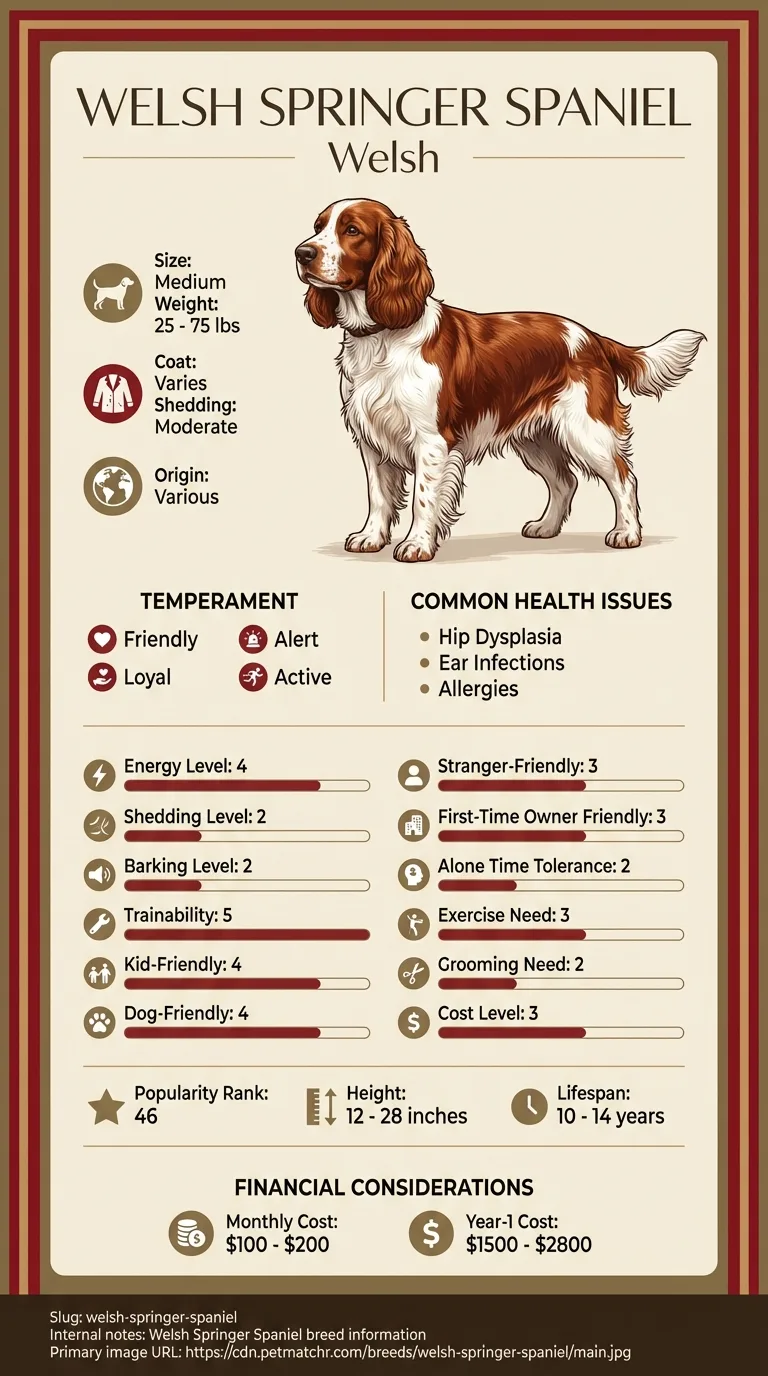
Owners who occasionally share table scraps, host holidays with rich food around, or have a counter-surfing dog that can access fatty leftovers unsupervised are the ones most likely to encounter this.
This guide is not medical advice. If your dog shows pain, sudden behavior change, or worsening symptoms, consult a licensed veterinarian.
Some links may be affiliate links. We may earn a commission at no extra cost to you. We only suggest products we believe are helpful for dog owners.
We research and check what we publish, but we do not warrant that any figure, date, price, or statement is accurate, complete, or current, and we accept no liability for any loss, cost, injury, or other harm arising from the use of this site. Use it as one reference among several. You remain responsible for your own decisions and for your dog's care - confirm anything that matters with a licensed veterinarian or another qualified professional before you act on it. Full disclaimer.
Acute pancreatitis is sudden pancreatic inflammation most often triggered by a single rich, fatty meal rather than a gradual dietary pattern, making it a genuine risk for any Welsh Springer Spaniel with access to table scraps, trash, or holiday leftovers. Symptoms typically appear within a day or two and require prompt veterinary treatment.
Acute pancreatitis is one of the more common reasons dogs across many breeds end up in emergency veterinary care, and while it is not singled out as this breed's top documented condition, any dog with access to rich, fatty food carries real risk regardless of breed.
Welsh Springer Spaniels do not carry a documented breed-specific genetic predisposition to pancreatitis, so risk here is driven primarily by dietary exposure, a single rich meal, table scraps, or unsupervised access to fatty food, rather than an inherited vulnerability unique to this breed.
Access to fatty table scraps, unsecured trash, holiday leftovers, and well-meaning guests sharing food are the main environmental triggers that convert an otherwise healthy pancreas into an acutely inflamed one.
Talk to your vet or seek emergency care immediately if your dog shows repeated vomiting, a hunched or painful posture, and reduced appetite, especially following a known rich meal, since acute pancreatitis needs prompt treatment and can become life-threatening if delayed.
See all Welsh Springer Spaniel health problems, which breeds are prone to pancreatitis, or the full Welsh Springer Spaniel breed guide for temperament, exercise needs and ownership costs.
Most dogs hospitalized for acute pancreatitis begin improving within a few days of supportive treatment, though full recovery and return to normal eating can take one to two weeks.
Success looks like preventing the fatty-food triggers that cause most episodes, and if one does occur, recognizing the signs quickly enough to get prompt treatment rather than waiting at home.
The pancreas produces digestive enzymes that normally activate only once they reach the intestine, safely away from the pancreas's own tissue. A sudden surge of dietary fat can overwhelm this system, sometimes triggering those enzymes to activate prematurely, inside the pancreas itself, where they begin digesting the organ's own tissue rather than food. This is what causes the intense pain and inflammation characteristic of an acute episode.
The classic trigger scenario is a single rich meal rather than a slow dietary buildup: holiday leftovers, a greasy plate left within reach, a well-meaning but overly generous serving of fatty meat trimmings, or a dog getting into the trash. Symptoms typically appear within a day or two, most commonly vomiting, often repeated, a hunched or tucked-up posture reflecting abdominal pain, reduced appetite, and sometimes diarrhea.
Because the pain from an inflamed pancreas is often intense, affected dogs frequently adopt a specific posture, front end down, rear end up, sometimes called a prayer position, trying to relieve pressure on the abdomen. This combination of vomiting and a hunched, painful posture following a known rich meal is distinctive enough that many owners can connect the dots themselves, which matters because acute pancreatitis needs prompt veterinary treatment rather than a wait-and-see approach at home.

Because a single rich meal is often enough to trigger acute pancreatitis, most of the useful prevention comes down to controlling exactly what ends up in the bowl or on the floor.
During a family Thanksgiving gathering, Welsh Springer Ranger managed to snag a plate of leftover turkey skin and gravy left unattended on a low side table while everyone was distracted. His owner, Yolanda, didn't think much of it at the time. By the next morning, Ranger was repeatedly vomiting and adopting an unusual hunched posture, clearly uncomfortable. Yolanda recognized the pattern from something she'd read online and took him straight to an emergency vet, where bloodwork confirmed acute pancreatitis. Ranger spent two days hospitalized on fluids and pain management before recovering fully. Yolanda now keeps rich food entirely off low tables during gatherings and reminds every guest at the door not to share anything with him.
Key takeaway: A single unattended plate of rich food is often all it takes to trigger acute pancreatitis, which is why prevention has to focus specifically on what's within reach, not on a dog's general diet.
Digestive enzymes that normally activate safely in the intestine can be triggered prematurely inside the pancreas itself by a sudden surge of dietary fat, causing the organ to begin digesting its own tissue, resulting in intense inflammation and pain.
Repeated vomiting, a hunched or tucked-up 'prayer position' posture reflecting abdominal pain, reduced appetite, and sometimes diarrhea, typically appearing within a day or two after a rich meal, are the classic signs.
A single rich, fatty meal, like holiday leftovers or fatty meat trimmings, is a well-documented trigger, distinct from a gradual dietary buildup, which is why occasional table scraps carry real risk.
Yes, this is a true emergency requiring prompt veterinary treatment, typically involving hospitalization, fluid support, and pain management, since the condition can become life-threatening if left untreated.
Avoiding fatty table scraps and trimmings, securing trash and counters especially around holidays, and briefing guests not to share food are the most effective prevention steps.
Yes, dogs that recover from an acute episode can be more prone to recurrence, especially with repeated fatty food exposure, which is part of why long-term dietary consistency matters after a first episode.
The early signs are set out in the sections above, and they are the reason to book a veterinary appointment rather than wait. Pancreatitis in Welshs is diagnosed by a vet, not from a symptom list, and the sooner it is on record the more options remain open.
The early signs are set out in the sections above, and they are the reason to book a veterinary appointment rather than wait. Pancreatitis in Welsh Springer Spaniels is diagnosed by a vet, not from a symptom list, and the sooner it is on record the more options remain open.
A sudden surge of dietary fat can trigger digestive enzymes to activate inside the pancreas itself rather than the intestine, causing the organ to become inflamed and painful.
Repeated vomiting, a hunched, painful posture, reduced appetite, and sometimes diarrhea, usually within a day or two of a rich meal, are the classic signs.
Yes, a single fatty meal, like holiday leftovers, is a well-documented trigger for an acute episode.
Avoid sharing fatty table scraps, secure trash and counters, and brief guests not to feed your dog people food.
Yes, this is a true emergency requiring prompt veterinary treatment, often including hospitalization and fluid support.
A one-page prep sheet for this condition: the signs, the questions to ask, what to get priced. Unlocks here.
You get: Vet visit prep sheet
No spam. One-click unsubscribe. See our privacy policy.
Preview page 1 before you decide.