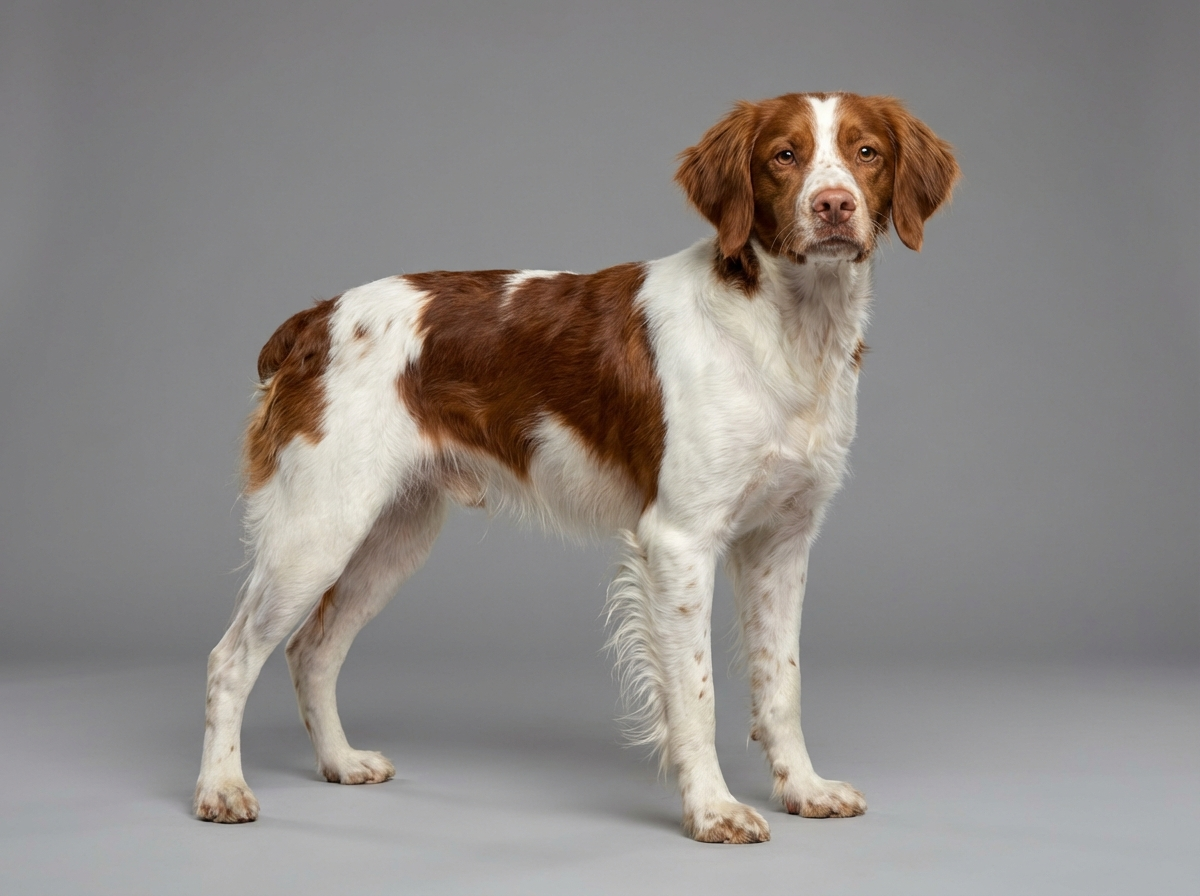
Welsh Springer Spaniel Hyperthermia: Recognizing Each Stage Before It's Too Late
Quick answer
What are the warning signs of hyperthermia in a Welsh Springer Spaniel?
Bright red gums, frantic panting, drooling, and any stumble or disorientation mean stop and cool immediately. Pale, gray, or blue gums and collapse mean a true emergency vet visit.
By the time a working-bred dog like this shows obvious distress, its body has often already moved past the stage where cooling alone is enough.
Hunting and field-trial owners, and anyone who exercises a Welsh Springer hard in warm weather, are most likely to encounter true hyperthermia rather than mild overheating, simply because this breed pushes itself harder and longer than most.
Important reminder
This guide is not medical advice. If your dog shows pain, sudden behavior change, or worsening symptoms, consult a licensed veterinarian.
Some links may be affiliate links. We may earn a commission at no extra cost to you. We only suggest products we believe are helpful for dog owners.
We research and check what we publish, but we do not warrant that any figure, date, price, or statement is accurate, complete, or current, and we accept no liability for any loss, cost, injury, or other harm arising from the use of this site. Use it as one reference among several. You remain responsible for your own decisions and for your dog's care - confirm anything that matters with a licensed veterinarian or another qualified professional before you act on it. Full disclaimer.
What this problem looks like
Hyperthermia in Welsh Springer Spaniels moves through clear physical stages, from mild panting and shade-seeking to frantic panting and stumbling, and finally to collapse and organ risk. Because this breed's working instinct pushes it to keep going, dogs often progress through these stages faster than owners expect, making early recognition the most important safety tool an owner has.
Common triggers
Sustained field work, retrieving, or running without scheduled breaks in warm weather
High humidity that blunts the cooling effect of panting
Ignoring early signs like widened, curled tongue or slowing pace
Exercising an overweight or senior dog as hard as a younger, leaner one
Confinement in a parked car, even briefly, with limited airflow
True heatstroke is less common than mild overheating, but veterinary emergency data consistently shows working and sporting breeds with strong drive, this breed included, are overrepresented among heat-related emergency visits relative to their overall population, precisely because they do not slow themselves down.
Why this happens
Breed factors
The Welsh Springer Spaniel's history as a flushing and retrieving gundog built a dog that keeps working through discomfort, and its dense, water-resistant coat insulates heat in rather than releasing it. Together these mean the dog's own body is working against early self-correction, so the stages of hyperthermia can progress with less warning than in a less driven breed.
Environment factors
Warm temperatures, high humidity, direct sun, sustained activity without breaks, and confinement in vehicles all accelerate the rise in core body temperature that drives each stage of hyperthermia.
What you can do at home (once it is not an emergency)
When to talk to your vet
Any dog showing bright red gums with frantic panting and a stumble needs cooling and a vet call right away. Any dog that collapses, vomits, seems disoriented, or shows pale, gray, or blue gums needs emergency veterinary treatment immediately; this is a true emergency and delay increases the risk of organ damage or death.
At home, alongside your vet's plan
Learn your individual dog's early signs, like tongue shape and pace, so you catch stage one before it becomes stage two.
Build mandatory water and shade breaks into every warm-weather session regardless of how the dog looks or acts.
Keep a plan ready: know the nearest emergency vet's location and hours before you need it, not after.
Carry water and a way to wet the dog down, such as a soaked towel, on any outing during warm months.
Reduce intensity and duration for senior or overweight dogs, who move through these stages faster than a young, lean dog.
More Welsh Springer Spaniel health & behavior issues
Recognizing your own dog's specific early warning signs typically takes one or two warm-weather seasons of close attention. Once you know them, response becomes near-automatic.
Success means catching every heat event at the mildest stage, cooling and resting the dog before symptoms escalate, and never needing an emergency vet visit for heatstroke.
How Hyperthermia Actually Progresses in This Breed
Hyperthermia is not a single event; it is a progression, and recognizing which stage your dog is in changes what you should do. In the earliest stage, a Welsh Springer Spaniel pants heavily, seeks shade on its own, and slows its pace, but is still alert and responsive. This is the stage where stopping the activity and offering water usually reverses things within minutes.
The middle stage is where this breed's working drive becomes dangerous. Because a Welsh Springer is bred to keep flushing and retrieving, many dogs push through the early warning signs their body is giving them. At this point panting becomes frantic, gums turn bright red, the dog may drool heavily, and coordination starts to slip, with a slightly wobbly turn or a missed step. This is no longer something to wait out; it needs immediate cooling and a vet call.
The final stage is a true medical emergency: collapse, disorientation, vomiting, seizure-like activity, or gums that turn pale, gray, or blue-tinged rather than red. At this point the dog's internal organs are at risk of damage from core temperature alone, independent of any underlying condition, and every minute without veterinary cooling and treatment increases the danger. This is precisely why a breed that will not stop itself needs an owner who stops it for them, well before this stage is reached.
Understanding Welsh Springer Spaniel Hyperthermia - How Hyperthermia Actually Progresses in This Breed
What to Do in the First Five Minutes
Field and hunting handlers who work this breed treat the first five minutes after spotting a hyperthermia sign as the window that determines the outcome.
Stop the activity the moment you notice bright red gums, frantic panting, or any stumble, rather than finishing the retrieve or the last few minutes of the walk.
Move to shade immediately and apply cool, not ice-cold, water to the belly, groin, and paw pads, where it cools the blood fastest.
Offer small amounts of cool water to drink; do not force water or pour large amounts down the throat.
Use airflow, such as a car fan or shaking out a towel, once the dog is wet, since evaporation speeds cooling.
Call or head to a vet immediately if there is any collapse, vomiting, disorientation, or gum color change, even if the dog seems to be recovering during transport.
Reading the Gums in Time
Priya had read about heatstroke before taking her Welsh Springer, Otter, on a warm-morning retrieving session, so she was watching more closely than most owners would. About twenty minutes in, Otter's panting shifted from steady to frantic, and when Priya checked his gums, they were noticeably brighter red than usual.
She stopped the session immediately, moved Otter to shade, and wet down his belly and paw pads with the water she'd brought along, keeping him calm rather than letting him keep moving. Within ten minutes his panting slowed and his gum color returned to normal, but Priya still called her vet's after-hours line to describe what happened and confirm no follow-up was needed.
That one close call changed her routine permanently: she now checks Otter's gums as a matter of habit every ten to fifteen minutes during any warm-weather activity.
Key takeaway: The gum color and panting pattern change before a dog looks distressed, and catching that early-stage shift is what keeps a warm-weather outing from becoming an emergency.
Frequently asked questions
What is the difference between heat sensitivity and hyperthermia in this breed?
Heat sensitivity describes the underlying risk factors, like coat and drive, that make this breed prone to overheating. Hyperthermia is what happens once the dog's core temperature actually climbs too high, and it moves through recognizable stages from mild to life-threatening.
How do I know if my Welsh Springer has moved past mild overheating?
Bright red gums, frantic rather than steady panting, drooling, and any wobble or missed step mean the dog has moved past mild overheating. Stop the activity and begin cooling immediately rather than waiting to see if it passes.
Why does this breed progress through heat stages faster than expected?
Because this breed was bred to keep flushing and retrieving through hours of wet, cold fieldwork, many dogs push through their own early discomfort signals rather than stopping. That instinct works against them once temperatures climb.
What is the safest way to cool a dog in the field?
Cool water on the belly, groin, and paw pads, combined with airflow, cools the blood efficiently without the risk of overcooling that ice water on the back can cause. Never use ice-cold water or ice directly on the skin.
Should I still see a vet if my dog seems fine after cooling?
Yes, always. Even a dog that seems to recover once cooled can have internal effects from a high core temperature, including kidney or clotting problems that show up hours later. A vet check is the only way to confirm the dog is truly out of danger.
What are the most severe warning signs of hyperthermia?
Collapse, disorientation, seizure-like activity, or gums that turn pale, gray, or blue are signs of the most severe stage, where organ damage from heat is a real risk. This is a true emergency requiring immediate veterinary care.
Can a dog that recovers from hyperthermia be more vulnerable afterward?
Yes. A dog that has experienced hyperthermia once may have a body that regulates heat less efficiently afterward, so owners should be more conservative with exercise intensity and duration in future warm weather.
How do handlers prevent hyperthermia during field trials?
Build scheduled water and shade breaks into every session in warm weather, regardless of how the dog looks, since this breed's instinct to keep working means it will not ask for a break on its own.
What are the warning signs of hyperthermia in a Welsh Springer Spaniel?
Bright red gums, frantic panting, drooling, and any stumble or disorientation mean stop and cool immediately. Pale, gray, or blue gums and collapse mean a true emergency vet visit.
Health
How do I cool down an overheating Welsh Springer Spaniel fast?
Cool (not ice-cold) water on the belly, groin, and paw pads, plus airflow, is the fastest safe method in the field. Always follow with a vet check.
Health
Do I need to see a vet after cooling my dog down?
Yes, always, even if the dog seems to recover during the drive. Internal effects from high core temperature can appear hours later.
Behavior
How much time do I have once I notice hyperthermia signs?
The first five minutes after you notice warning signs. Stopping activity and starting cooling in that window is what field handlers say determines the outcome.
Behavior
Why do Welsh Springers push through overheating instead of stopping?
Because this breed was bred to keep working through hours of cold, wet fieldwork, it often pushes through early discomfort rather than stopping, so owners have to make the call the dog won't make itself.