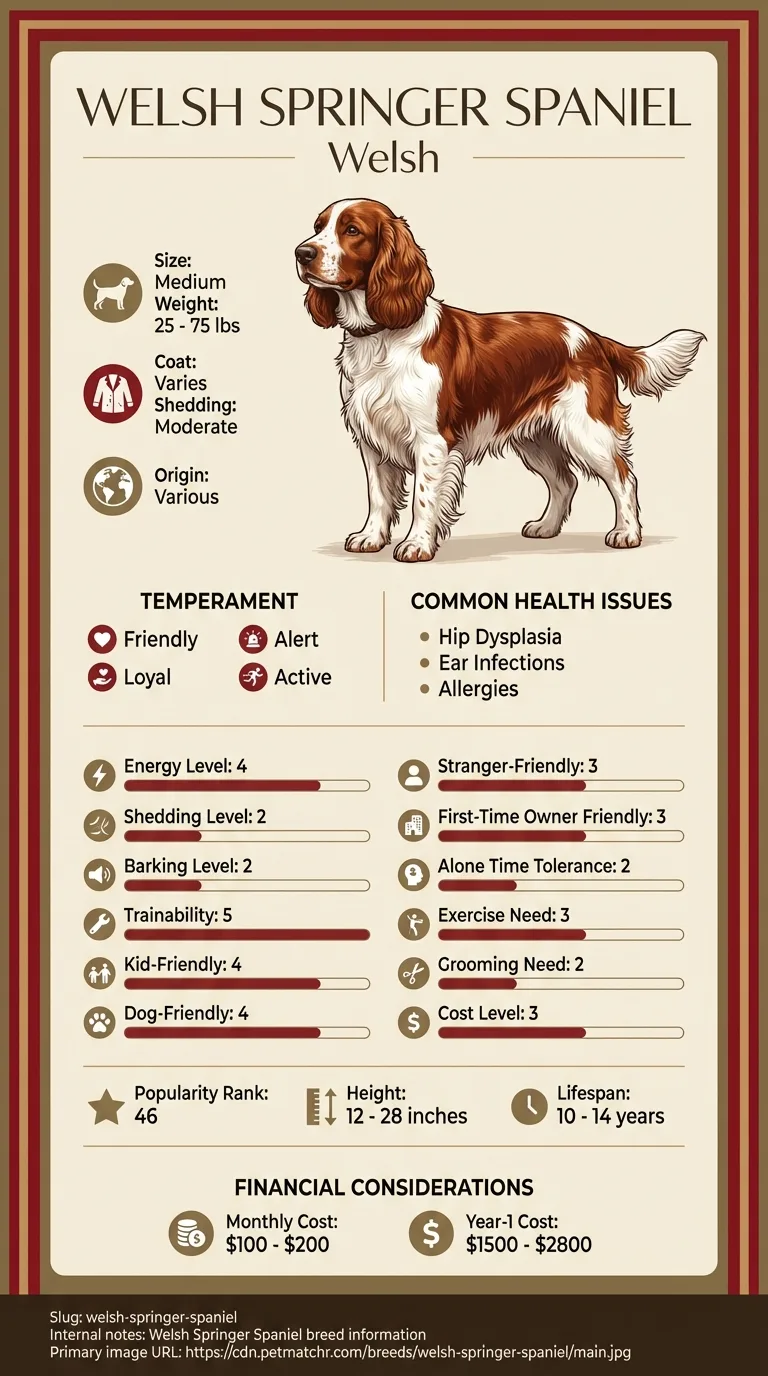
The mechanics are simple and unforgiving. A building sets a maximum weight. A prospective tenant arrives with a five-month-old puppy weighing twenty-eight pounds, everyone is delighted, and the lease is signed. Fourteen months later the dog weighs forty-eight, and whether that is a problem depends entirely on wording nobody read closely.
So read it closely, and get the answers in writing. Does the cap apply at adult weight or at the weight on the day of application? Is it enforced at renewal, and does the building weigh dogs or take the owner's word? Is there a per-dog pet fee, a refundable deposit, monthly pet rent, or all three — because in this market pet rent alone is a real recurring line rather than a token. And is the limit a building rule or a condominium association rule, since those are amended by different processes and on different timescales.
If you are buying rather than renting, the association's governing documents are the place to look, and they are harder to change than a landlord's mind.
The honest advice for a prospective owner is to treat 55 pounds as the planning number rather than the breed average, and to filter housing on that basis. It is a great deal cheaper to rule out a building before signing than to discover the conflict two years in, with a dog you are not going to give up and a lease you cannot keep. Keeping the dog genuinely lean is good practice for its joints regardless, but managing a dog's weight to satisfy a lease clause is not a plan anyone should be operating.