Health
What is subvalvular aortic stenosis in dogs?
It is a congenital narrowing below the aortic heart valve, present from birth, that makes the heart work harder to push blood through, especially during hard exercise.

Quick answer
What is subvalvular aortic stenosis in dogs?
It is a congenital narrowing below the aortic heart valve, present from birth, that makes the heart work harder to push blood through, especially during hard exercise.
A defect present since birth can hide in plain sight until the first time a puppy really runs hard, which is precisely why screening before that moment matters.
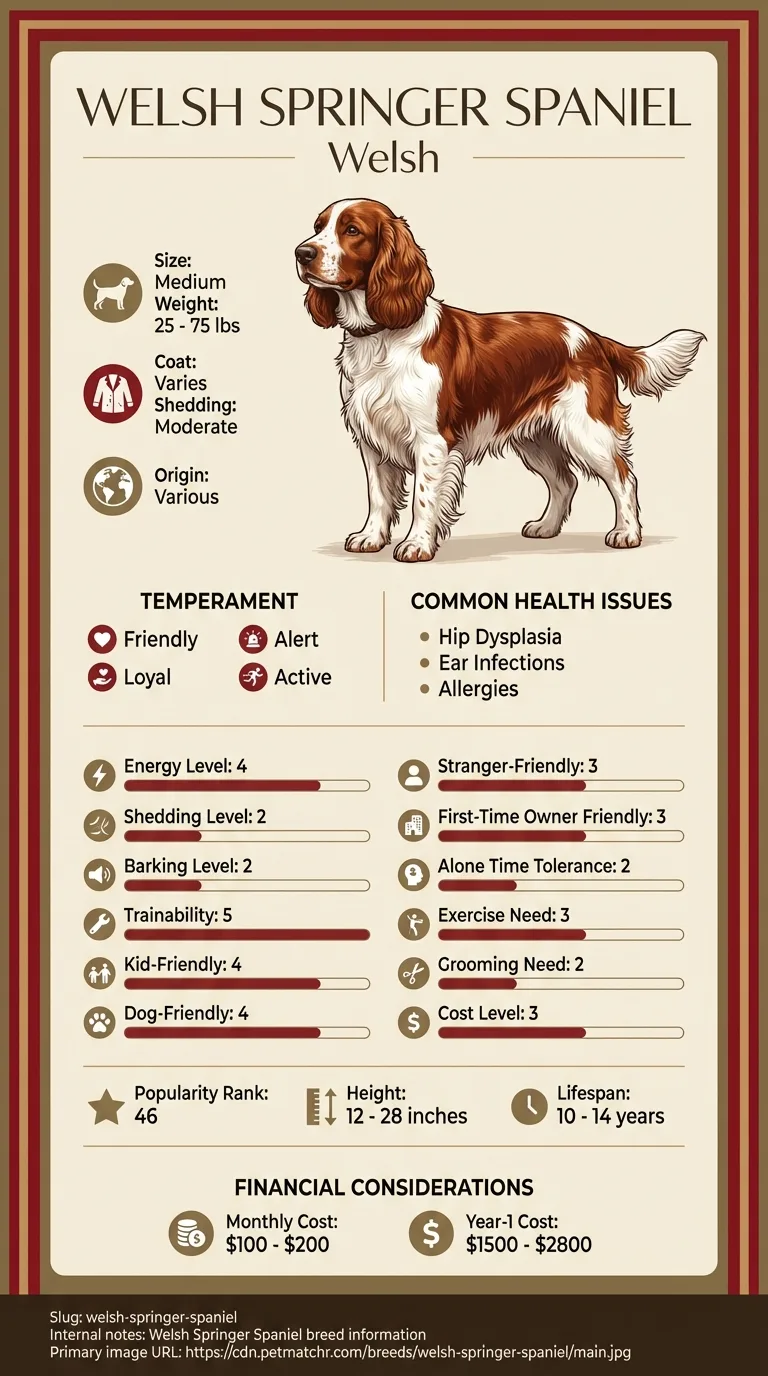
Breeders and buyers evaluating a puppy's health history, and owners of young, highly active dogs who notice unexplained fainting or extreme exercise intolerance, are the two groups this topic serves most directly.
This guide is not medical advice. If your dog shows pain, sudden behavior change, or worsening symptoms, consult a licensed veterinarian.
Some links may be affiliate links. We may earn a commission at no extra cost to you. We only suggest products we believe are helpful for dog owners.
We research and check what we publish, but we do not warrant that any figure, date, price, or statement is accurate, complete, or current, and we accept no liability for any loss, cost, injury, or other harm arising from the use of this site. Use it as one reference among several. You remain responsible for your own decisions and for your dog's care - confirm anything that matters with a licensed veterinarian or another qualified professional before you act on it. Full disclaimer.
Congenital heart defects like subvalvular aortic stenosis are structural problems present from birth that can hide during ordinary daily life and only reveal themselves during intense exercise, exactly the kind of activity a Welsh Springer Spaniel puppy naturally gravitates toward. Early screening, both from breeders and at a puppy's first vet visit, is the most effective way to catch this before a dangerous exercise-related episode occurs.
Congenital heart defects are relatively uncommon overall and are not specifically flagged as a leading documented condition for this breed, but they are serious enough, and specifically exercise-triggered enough, that early screening is worthwhile for any young, highly active dog regardless of breed.
A congenital heart defect like subvalvular aortic stenosis results from an inherited structural abnormality present from birth rather than a documented breed-wide predisposition in Welsh Springer Spaniels specifically, but this breed's high exercise need and working drive mean an affected puppy is more likely to encounter the kind of intense activity that reveals the defect earlier than in a low-activity breed.
How quickly and intensely a young puppy's exercise routine ramps up directly influences when, or whether, a hidden congenital defect becomes apparent, since the defect itself causes no issue at rest and only becomes dangerous under genuine physical demand.
Talk to your vet immediately if a puppy faints, collapses, or shows extreme exercise intolerance during play or exercise, since this can indicate a significant congenital heart defect needing prompt evaluation. Any collapse during exercise should be treated as an emergency requiring same-day veterinary attention.
See all Welsh Springer Spaniel health problems, which breeds are prone to heart problems, or the full Welsh Springer Spaniel breed guide for temperament, exercise needs and ownership costs.
Congenital defects are typically identifiable within the first few months of life through auscultation and, if needed, echocardiogram, well before an owner would otherwise discover the issue through a dangerous exercise-related episode.
Success looks like a thorough early screening that either rules out a defect entirely or identifies its severity clearly enough to set safe, informed activity guidelines for the rest of the dog's life.
Subvalvular aortic stenosis narrows the passage just below the aortic valve, forcing the heart to work harder to push blood through a tighter opening. At rest, a mild to moderate narrowing can be nearly invisible, since the heart can compensate for lower demand without much strain. During real exertion, when the body needs a much larger volume of blood moving quickly, that same narrowing becomes a genuine bottleneck.
This is why the clearest warning sign in an affected puppy is often specific to intense activity: fainting or sudden collapse during a hard run, an intense retrieving session, or excited play, rather than any obvious symptom during ordinary daily life. For a breed with a real drive to work and an exercise need most sources rate a 4 out of 5, this puppy is likely to encounter exactly the kind of activity that would reveal a hidden defect earlier than in a more sedentary breed.
A murmur is often, though not always, present in affected puppies from a young age, which is part of why a thorough vet exam, including a careful stethoscope check, matters at the very first puppy visit rather than being treated as a formality. Confirmed cases are typically diagnosed through echocardiogram, and severity ranges widely, from mild cases compatible with a normal life to severe cases carrying real risk during exertion.

Because this defect is present from birth, the most effective actions happen early, both in choosing a puppy and in how that puppy's early exercise routine is introduced.
If you think your Welsh has heart problems, the plan is three steps: write down what you have seen and when it started, book a veterinary appointment rather than waiting for the next flare, and take video of the behaviour or symptom before you go — the thing you are worried about rarely happens in the consulting room. Screening in the parents covers hip dysplasia, ear infections, epilepsy.
What the vet visit should produce is a diagnosis and a written plan, not just reassurance: what is being ruled out, what the monitoring interval is, and which signs mean you come back sooner. Ask what the treatment costs across a year rather than per visit, because that is the number that decides whether you are managing this condition or reacting to it.
Between appointments, keep a short log — dates, what you saw, what changed. It is the single most useful thing an owner brings to a follow-up, and for heart problems it is often what separates a clear pattern from a guess.
When Farrah's Welsh Springer puppy, Gunner, was five months old, she took him to an open field for his first real off-leash sprint after weeks of building up his fitness gradually. Partway through an excited chase after a thrown ball, Gunner suddenly stumbled and briefly collapsed before getting back up on his own. Alarmed, Farrah took him straight to an emergency vet, where a murmur was detected and an echocardiogram confirmed moderate subvalvular aortic stenosis. Because it was caught at this stage, Farrah's vet was able to set clear, specific exercise guidelines, avoiding maximum-intensity sprinting while still allowing a genuinely active, happy life. Three years later, Gunner lives an full life within his guidelines, and Farrah credits getting him checked out immediately rather than assuming the collapse was a one-time fluke.
Key takeaway: A defect present since birth often reveals itself for the first time during exactly the kind of intense activity this breed loves most, which is why any collapse during hard play deserves an immediate vet visit rather than a wait-and-see approach.
It is a congenital narrowing of the passage just below the aortic heart valve, present from birth, that forces the heart to work harder to push blood through a tighter opening, especially during intense exercise.
The narrowing becomes a genuine bottleneck only when the body demands a much larger blood volume quickly, which happens during hard exercise rather than at rest, making fainting or collapse during intense activity the clearest warning sign.
Fainting or sudden collapse during a hard run or intense play session, and sometimes a heart murmur detectable from a young age, are the main warning signs worth investigating in a puppy.
An echocardiogram, an ultrasound of the heart, confirms the diagnosis and shows the degree of narrowing, which is what actually determines severity and safe activity levels going forward.
Ask whether the puppy and its parents have had a cardiac auscultation or OFA cardiac exam, since congenital defects like this can sometimes be detected in breeding stock before puppies are ever produced.
Yes, severity varies widely. Mild cases can be compatible with a fully normal, active life, while more severe cases carry real exertional risk and may need activity restriction or specialist management.
The early signs are set out in the sections above, and they are the reason to book a veterinary appointment rather than wait. Heart Problems in Welshs is diagnosed by a vet, not from a symptom list, and the sooner it is on record the more options remain open.
The early signs are set out in the sections above, and they are the reason to book a veterinary appointment rather than wait. Heart Problems in Welsh Springer Spaniels is diagnosed by a vet, not from a symptom list, and the sooner it is on record the more options remain open.
It is a congenital narrowing below the aortic heart valve, present from birth, that makes the heart work harder to push blood through, especially during hard exercise.
Fainting or sudden collapse during hard exercise or intense play, sometimes alongside a heart murmur from a young age, are the key warning signs in a puppy.
Ask whether the puppy and its parents have had a cardiac auscultation or OFA cardiac exam before purchase.
An echocardiogram is the standard test to confirm and assess the severity of a suspected congenital heart defect.
An echocardiogram and any follow-up specialist care represent a real cost, so early insurance enrollment before any symptoms appear is worth considering for a working, highly active breed.
A one-page prep sheet for this condition: the signs, the questions to ask, what to get priced. Unlocks here.
You get: Vet visit prep sheet
No spam. One-click unsubscribe. See our privacy policy.
Preview page 1 before you decide.