Behavior
What are some Maltese obesity quick tips?
Measure your dog's food and limit treats to control their calorie intake. Increase their daily exercise with regular walks and interactive playtime.

Quick answer
What are some Maltese obesity quick tips?
Measure your dog's food and limit treats to control their calorie intake. Increase their daily exercise with regular walks and interactive playtime.
Maltese obesity is a growing concern for many dog owners, impacting their beloved pets' health and happiness.
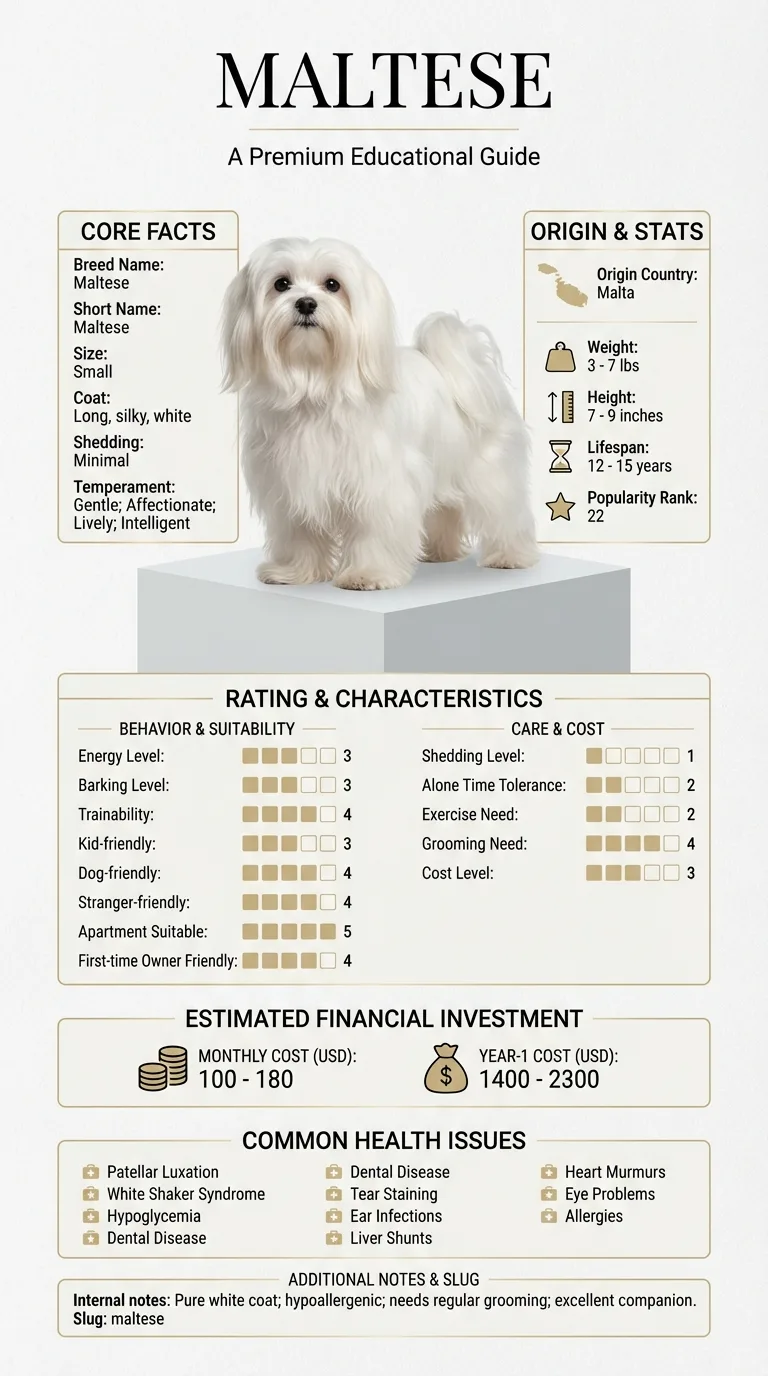
Typical owners who struggle with Maltese obesity often include first-time dog parents or busy families. They may find it challenging to monitor their dog's diet and exercise, leading to unintended weight gain.
This guide is not medical advice. If your dog shows pain, sudden behavior change, or worsening symptoms, consult a licensed veterinarian.
Some links may be affiliate links. We may earn a commission at no extra cost to you. We only suggest products we believe are helpful for dog owners.
We research and check what we publish, but we do not warrant that any figure, date, price, or statement is accurate, complete, or current, and we accept no liability for any loss, cost, injury, or other harm arising from the use of this site. Use it as one reference among several. You remain responsible for your own decisions and for your dog's care - confirm anything that matters with a licensed veterinarian or another qualified professional before you act on it. Full disclaimer.
Check this first
Recognizing when Maltese obesity becomes a serious issue is crucial. If your Maltese exhibits severe lethargy, difficulty breathing, or shows signs of distress, it’s time to call your vet immediately. These red flags indicate that your dog's health may be at significant risk due to excessive weight.
If any of these apply, call your vet or an emergency clinic now. The rest of this page is for the cases that are not an emergency.
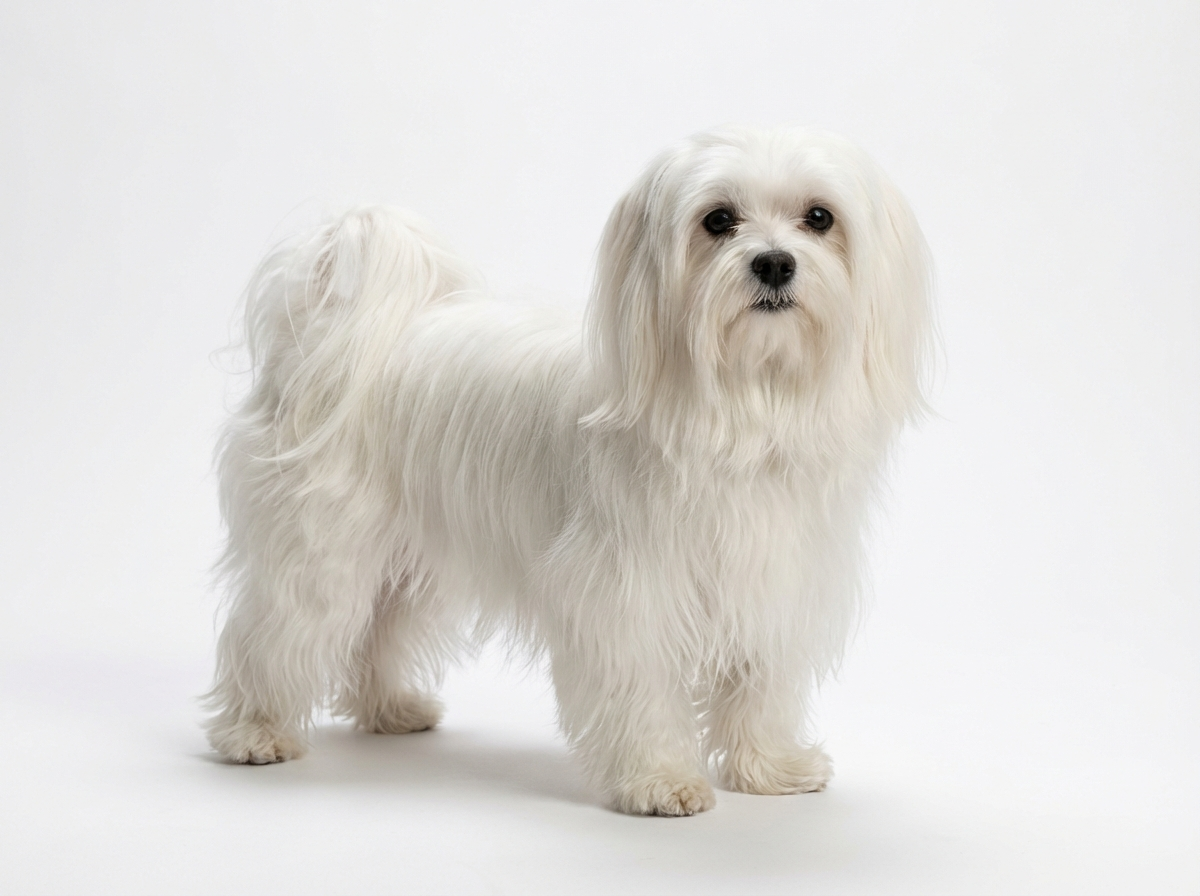
Maltese obesity is a growing concern among this small breed. Owners may notice their Maltese gaining weight, becoming less active, and struggling with regular activities like playtime or walks. This issue often stems from overeating, lack of exercise, or a combination of both, making it essential for owners to recognize the signs early.
Obesity is quite common in Maltese dogs, with many estimates suggesting that nearly 40% of Maltese may be overweight. Given their small size, even a few extra pounds can lead to significant health problems, making weight management crucial for their overall well-being.
Maltese dogs are small and can easily become overweight if their diet is not managed. Their affectionate nature may lead to overfeeding as owners want to spoil them. Additionally, their moderate energy level means they may not be as active as needed to maintain a healthy weight.
An environment that lacks space for exercise can contribute to obesity. If a Maltese lives in a small area without easy access to outdoor play, they may not get enough physical activity. Also, a sedentary lifestyle due to owners' busy schedules can result in less playtime and more lounging.
If you notice sudden weight gain or if your Maltese shows signs of lethargy or health issues, consult a vet. They can rule out underlying health problems and offer personalized dietary and exercise plans.
Avoid these common mistakes to help manage your Maltese's weight effectively.
Start here: Maltese Most Common Genetic Disorders: What to Screen For
See all Maltese health problems, which breeds are prone to obesity, or the full Maltese breed guide for temperament, exercise needs and ownership costs.
Expect to see noticeable changes in your Maltese's weight within 4 to 6 months, depending on their starting point and commitment to a new routine.
Success looks like a healthy weight for your Maltese, increased energy levels, and improved overall health. You'll also notice your dog being more active and playful.
In less severe cases, where your Maltese is overweight but still active and playful, you can monitor their weight and adjust their diet. Keep an eye on their eating habits and ensure they get regular exercise. A gradual weight loss plan can often be effective in these situations, making it less urgent to seek immediate veterinary care.

When Sarah, a busy nurse in New York, first adopted her Maltese, Bella, she thought the extra treats were harmless. However, Bella quickly gained weight, causing her to be less energetic and more prone to health issues. After a vet visit revealed that Bella was overweight, Sarah decided it was time for a change. She started measuring Bella's food portions and introduced daily walks. Initially, Bella resisted the exercise, but over time, she began to enjoy their outdoor adventures. After six months, Bella lost weight and became more playful, which made Sarah feel proud and relieved.
Key takeaway: Consistency is key in managing Maltese obesity. Small, gradual changes in diet and exercise can lead to big improvements in your dog's health and happiness.
Signs of obesity in Maltese include difficulty in feeling their ribs and a lack of a defined waist. They may also show less enthusiasm for play or exercise. Regularly evaluate their weight and consult a vet if you notice any changes.
To stop Maltese obesity, start by measuring their food portions and limiting treats. Incorporate daily walks and playtime to boost their activity levels. Consult your vet for a tailored diet plan suited to your dog's needs.
Yes, Maltese obesity can lead to serious health issues like heart disease, diabetes, and joint problems. Maintaining a healthy weight is crucial for their overall well-being and longevity. Regular vet visits can help manage their health.
A training plan for Maltese obesity should include structured exercise routines like daily walks and play sessions. Incorporate mental stimulation with training games to keep them engaged. Set achievable goals and gradually increase their activity levels.
Maltese obesity can result from overfeeding, lack of exercise, or underlying health issues. These small dogs often love treats and can easily become overweight if their diet isn't controlled.
Older Maltese dogs may need a specialized diet and less strenuous exercise. Consult your vet for a weight loss plan that suits their age and health status to ensure safe weight management.
If your Maltese is gaining weight rapidly or struggling to play and move, it's time to see a vet. They can rule out any medical conditions and provide guidance on a weight loss strategy.
Yes, obesity in Maltese dogs can lead to serious health issues like diabetes, heart disease, and joint problems. Managing their weight is crucial for their overall well-being.
To prevent Maltese obesity, control portion sizes, provide regular exercise, and limit treats. Engaging them in playtime can also help maintain a healthy weight while keeping them happy.
Measure your dog's food and limit treats to control their calorie intake. Increase their daily exercise with regular walks and interactive playtime.
Aim for at least 30 minutes of walking each day. You can split this into shorter sessions if needed, making it manageable for both you and your dog.
If your Maltese is reluctant to exercise, try engaging them with toys or changing the environment for walks. Gradually increase the intensity and duration of activity to build their stamina.
Yes, a balanced diet rich in protein and low in fillers is best for Maltese. Consult your vet to create a diet plan tailored to your dog's needs.
A one-page prep sheet for this condition: the signs, the questions to ask, what to get priced. Unlocks here.
You get: Vet visit prep sheet
No spam. One-click unsubscribe. See our privacy policy.
Preview page 1 before you decide.