Behavior
What are quick tips for Poodle obesity?
To manage Poodle obesity, monitor their calorie intake, increase exercise, and avoid table scraps. Regular vet visits can help assess their weight and adjust their diet appropriately.

Quick answer
What are quick tips for Poodle obesity?
To manage Poodle obesity, monitor their calorie intake, increase exercise, and avoid table scraps. Regular vet visits can help assess their weight and adjust their diet appropriately.
Poodle obesity is a growing concern that can lead to serious health issues. Managing your Poodle's weight is crucial for their well-being.
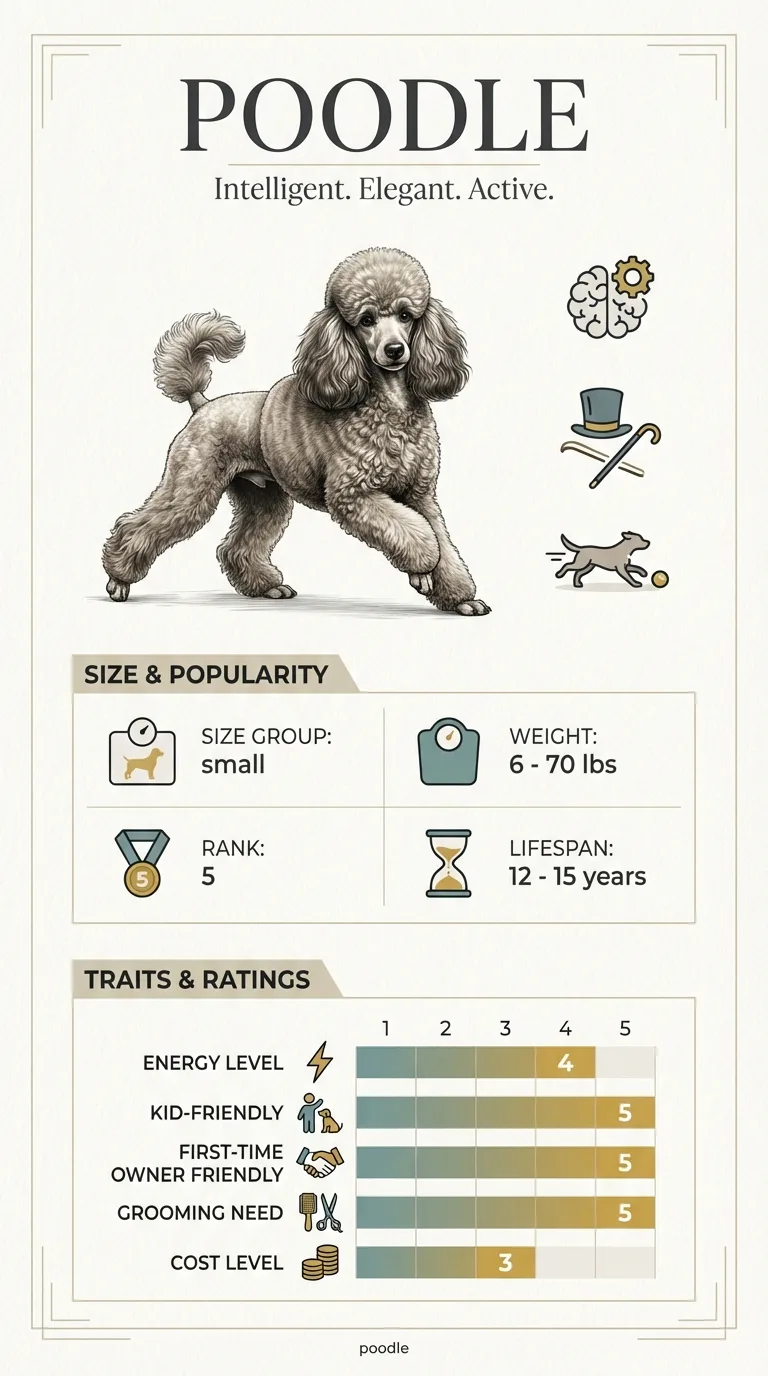
First-time dog owners, busy families, or anyone who has trouble managing their Poodle's diet and exercise may face challenges with obesity. If your Poodle loves treats or is less active than they should be, you might be dealing with this issue.
This guide is not medical advice. If your dog shows pain, sudden behavior change, or worsening symptoms, consult a licensed veterinarian.
Some links may be affiliate links. We may earn a commission at no extra cost to you. We only suggest products we believe are helpful for dog owners.
We research and check what we publish, but we do not warrant that any figure, date, price, or statement is accurate, complete, or current, and we accept no liability for any loss, cost, injury, or other harm arising from the use of this site. Use it as one reference among several. You remain responsible for your own decisions and for your dog's care - confirm anything that matters with a licensed veterinarian or another qualified professional before you act on it. Full disclaimer.
Check this first
Recognizing when Poodle obesity is an emergency is crucial for your dog's health. If your Poodle shows signs of severe lethargy, difficulty breathing, or refuses to eat, these are red flags. Immediate veterinary attention is essential in these cases to prevent serious health issues.
On the other hand, if your Poodle is slightly overweight but still active and eating well, you can monitor the situation more closely. Consider adjusting their diet or increasing exercise gradually instead of rushing to the vet. Keeping a daily log of their food intake and activity level can help you track their progress and make necessary adjustments.
In summary, look for these emergency signs: - Severe lethargy or inability to stand - Difficulty breathing or wheezing - Refusing to eat for more than 24 hours - Signs of pain or discomfort when moving
If you notice any of these symptoms, contact your veterinarian immediately. However, if your Poodle is just a bit heavier than ideal but otherwise healthy, you can develop a plan to address their weight gradually.
If any of these apply, call your vet or an emergency clinic now. The rest of this page is for the cases that are not an emergency.
Poodle obesity is a growing concern for many dog owners. This problem often looks like a Poodle who struggles to keep up during walks, has difficulty jumping onto furniture, or shows a lack of energy. These signs can be alarming, especially since Poodles are known for their intelligence and activity levels. Obesity can lead to serious health issues, and it's crucial to tackle it early.
Obesity is quite common among Poodles, especially if they have sedentary lifestyles. It's estimated that around 25% of Poodles are overweight or obese, which can significantly affect their quality of life.
Poodles are intelligent and active dogs, but they can easily become overweight if not given enough exercise and mental stimulation. Their playful nature may lead them to enjoy treats a bit too much, which can contribute to obesity.
Environmental factors play a big role in Poodle obesity. Lack of physical activity due to a busy schedule, limited space for exercise, or overfeeding from well-meaning owners can lead to weight gain. Stress and boredom may also prompt them to eat more.
If your Poodle's weight continues to rise despite your efforts, or if you notice any health issues like difficulty breathing or lethargy, consult your vet. They can assess your dog's overall health and recommend a suitable weight-loss plan.
Avoiding these common mistakes can help you manage Poodle obesity more effectively.
See all Poodle health problems, which breeds are prone to obesity, or the full Poodle breed guide for temperament, exercise needs and ownership costs.
You can expect to see noticeable changes in your Poodle's weight and behavior within 8 to 12 weeks of consistent effort.
Success means your Poodle is maintaining a healthy weight, showing increased energy levels, and being more active during playtime and walks.
Samantha, a busy nurse in Seattle, noticed her Poodle, Charlie, gaining weight. Despite her love for him, Samantha struggled to find time for walks amid her hectic schedule. After a vet visit confirmed that Charlie was obese, she decided to make a change. She set a goal to walk Charlie for 30 minutes each day and adjusted his diet by incorporating healthier dog food and reducing treats. Over three months, Charlie lost 10 pounds, and Samantha found that their daily walks became a cherished bonding time. Charlie was more playful and energetic, and Samantha felt a sense of accomplishment.
Key takeaway: With commitment and a structured plan, managing Poodle obesity can lead to a healthier, happier dog and strengthen the owner-pet bond.
Poodle obesity can be caused by overfeeding, lack of exercise, or underlying health issues. It's important to monitor their diet and ensure they get regular physical activity. Consulting with a vet can help rule out any medical conditions.
To stop Poodle obesity, start by adjusting their diet. Provide a balanced, portion-controlled diet and increase their exercise level with daily walks or playtime. Regular vet check-ups can also help track their progress.
Signs of obesity in Poodles include difficulty in breathing, reluctance to exercise, and a noticeable increase in body weight. You may also notice that you can't easily feel their ribs. If you see these signs, it's time to take action.
Poodles thrive on a mix of physical and mental exercises. Daily walks, playing fetch, and engaging in agility training can keep them active and healthy. Aim for at least 30 minutes of exercise daily.
Poodle obesity can be caused by overfeeding, lack of exercise, and genetic factors. If your Poodle has become less active or has access to too many treats, these could contribute to weight gain. It's important to monitor their diet and activity levels regularly.
To check if your Poodle is overweight, look for a noticeable waistline and feel for their ribs. If you can’t easily feel their ribs or if their waist appears less defined, they may be overweight. A vet can provide a professional assessment.
If your older Poodle is obese, consult your vet for a tailored weight loss plan. Older dogs often have different exercise and dietary needs. Gradual weight loss is essential to ensure their health and well-being.
Yes, Poodle obesity can lead to various health problems, including diabetes, joint issues, and heart disease. Maintaining a healthy weight is crucial for their overall health and longevity. Regular check-ups with your vet can help manage these risks.
Incorporating training can help combat Poodle obesity by increasing their activity levels. Engaging in fun training sessions not only stimulates their mind but also encourages movement. Consider activities like obedience training or agility courses to keep them active.
To manage Poodle obesity, monitor their calorie intake, increase exercise, and avoid table scraps. Regular vet visits can help assess their weight and adjust their diet appropriately.
Feeding portions depend on their weight and activity level, but generally, a Poodle should receive about 1 to 1.5 cups of high-quality dog food daily. Always consult your vet for tailored advice.
Yes, obesity can lead to serious health issues in Poodles, such as diabetes, joint problems, and heart disease. Maintaining a healthy weight is essential for their overall well-being.
Positive reinforcement training can encourage Poodles to engage in more physical activity. Consider using treats to reward them for exercise, but ensure these treats are included in their daily calorie count.
A one-page prep sheet for this condition: the signs, the questions to ask, what to get priced. Unlocks here.
You get: Vet visit prep sheet
No spam. One-click unsubscribe. See our privacy policy.
Preview page 1 before you decide.