DogBreedCompass
← Back to breed profile

Great Dane Immune-Mediated Thyroiditis: What You Need to Know

Great Dane immune-mediated thyroiditis is a serious autoimmune condition affecting your dog's thyroid. This disease can lead to serious health issues if not managed properly.

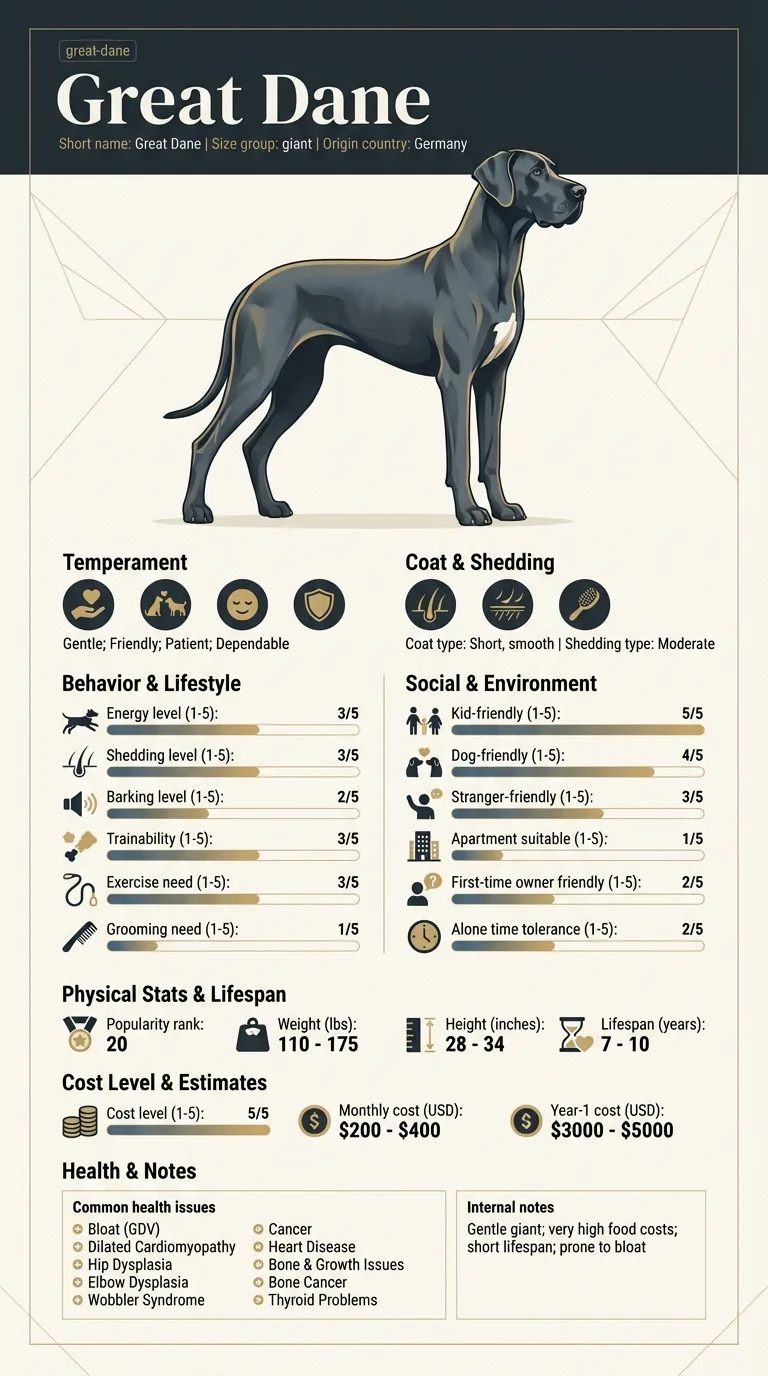
Great Dane Immune-Mediated Thyroiditis: What You Need to Know infographic

Owners of Great Danes, especially first-time dog parents or those unfamiliar with breed-specific health issues, often struggle with this condition. Many face challenges in identifying symptoms and managing the associated care to ensure their beloved dogs maintain a good quality of life.

Important reminder

This guide is not medical advice. If your dog shows pain, sudden behavior change, or worsening symptoms, consult a licensed veterinarian.

Some links may be affiliate links. We may earn a commission at no extra cost to you. We only suggest products we believe are helpful for dog owners.

What this problem looks like

Great Dane immune-mediated thyroiditis is an autoimmune condition where the dog's immune system attacks its own thyroid gland. This can lead to symptoms like weight gain, fatigue, and skin issues. Owners might notice their Great Dane becoming less active or developing a dull coat, which can be concerning for such a lively breed.

Common triggers

  • Genetic predisposition, as some Great Danes are more susceptible to thyroid issues.
  • Environmental factors, including exposure to certain toxins or allergens.
  • Stressful situations, which can exacerbate existing health problems.

This condition is relatively common among Great Danes, particularly as they age. Many owners may not recognize the signs until they become more pronounced, making it essential to monitor their dog's health closely.

Why this happens

Breed factors

Great Danes are prone to certain health issues, including autoimmune disorders like immune-mediated thyroiditis. This breed's genetic background can make them more susceptible to thyroid problems, which can impact their overall health and energy levels.

Environment factors

Environmental factors can also contribute to immune-mediated thyroiditis. Stress, poor diet, and exposure to toxins may weaken their immune system, making them more vulnerable to autoimmune diseases.

What you can try

At-home strategies

  • Maintain a balanced diet rich in essential nutrients. Look for quality dog food that supports thyroid health.
  • Regular exercise is important. Aim for daily walks and playtime to keep your Great Dane active and healthy.
  • Monitor their weight closely. Obesity can worsen thyroid issues, so ensure they stay within a healthy weight range.
  • Create a stress-free environment. Reduced stress can help improve their overall health and immune response.
  • Incorporate supplements recommended by your vet. Omega-3 fatty acids and antioxidants can support immune health.

When to consider a trainer

If your Great Dane shows signs of anxiety or behavior changes related to their condition, consider consulting a trainer. A professional can help implement training techniques that ease their stress and improve their behavior.

When to talk to your vet

If you suspect your Great Dane has immune-mediated thyroiditis, consult your vet. They can perform tests to diagnose the condition and may recommend medication or specific dietary changes to manage it effectively.

Realistic expectations

Managing Great Dane immune-mediated thyroiditis typically takes a few months to see significant improvement. Regular vet visits and proper treatment adjustments are crucial during this time.

Success means your Great Dane's thyroid levels stabilize, leading to improved energy, weight management, and overall health. You'll notice them becoming more active and enjoying their daily routines.

Mistakes that make this worse

Understanding what not to do is just as important as knowing the right steps to take. Here are some common mistakes that can worsen Great Dane immune-mediated thyroiditis and alternative approaches to consider.

  • Ignoring early symptoms: Many owners overlook initial signs like weight changes or lethargy. Instead, monitor your Great Dane closely and consult a vet if you notice anything unusual.
  • Delaying veterinary care: Waiting too long to seek help can lead to serious complications. If you suspect your Great Dane has thyroid issues, schedule a vet appointment as soon as possible.
  • Over-restricting diet: Some owners mistakenly think they can treat thyroiditis purely with diet changes. While nutrition is vital, work with a vet to find an appropriate medication plan.
  • Neglecting exercise: It’s easy to reduce activity levels when your Great Dane feels unwell. However, moderate exercise can help maintain their overall health. Adjust their routine to suit their energy levels.
  • Reinforcing anxious behavior: If your Great Dane shows anxiety due to their condition, comforting them every time can reinforce the behavior. Instead, try positive reinforcement training to build their confidence.
  • Avoiding regular check-ups: Skipping vet visits can hinder progress. Regular check-ups allow for monitoring and adjustments to treatment, which can greatly benefit your Great Dane's health.
  • Following non-veterinary advice: Relying on unverified information online can lead to ineffective treatments. Always consult a veterinarian for reliable guidance regarding your dog's health.

When Great Dane Immune-Mediated Thyroiditis Is an Emergency

Recognizing when Great Dane immune-mediated thyroiditis becomes an emergency is crucial for your dog's health. If your Great Dane shows severe symptoms, it's essential to call your vet immediately. Red flags include sudden weight loss, excessive lethargy, or difficulty breathing. Other warning signs are vomiting, diarrhea, or extreme changes in behavior. These could indicate a serious complication or an unfavorable reaction to treatment.

On the other hand, mild cases can usually be monitored at home. If your Great Dane has a slight decrease in energy or minor weight fluctuations but is still eating and drinking, you might not need to rush to the vet. Keeping a close eye on your dog’s symptoms can help. Implementing a watch-and-wait plan may be appropriate in these instances, as long as your Great Dane remains stable overall.

However, always err on the side of caution—if you are unsure, consulting your vet is the best course of action. Being proactive can prevent more severe issues down the line. Regular check-ups and communication with your veterinarian are vital in managing your dog's health and addressing any concerns about Great Dane immune-mediated thyroiditis.

Great Dane Immune-Mediated Thyroiditis: What You Need to Know - When Great Dane Immune-Mediated Thyroiditis Is an Emergency

Max's Journey with Immune-Mediated Thyroiditis

When Lisa adopted Max, her Great Dane, she was excited about having a gentle giant as a companion. However, she quickly noticed he was lethargic and losing weight. After a vet visit, Lisa learned that Max had immune-mediated thyroiditis, a condition that required ongoing treatment. Initially overwhelmed, she committed to following the vet’s treatment plan, which included medication and regular check-ups. Within months, Max began to regain his energy and appetite, becoming the playful companion Lisa had hoped for.

Key takeaway: With dedication and proper veterinary care, Great Danes with immune-mediated thyroiditis can lead happy, healthy lives.

Frequently asked questions

Why does my Great Dane have immune-mediated thyroiditis?

Great Danes can develop immune-mediated thyroiditis due to genetic predisposition or autoimmune issues. This condition occurs when the immune system mistakenly attacks the thyroid gland, leading to hormonal imbalances. Regular vet check-ups can help identify this issue early.

How can I manage Great Dane immune-mediated thyroiditis?

Management includes a proper diet, regular exercise, and medication prescribed by your vet. Routine blood tests will help monitor hormone levels and ensure your dog is responding well to treatment. Consistency is key in managing their health.

What are the symptoms of immune-mediated thyroiditis in Great Danes?

Symptoms may include weight gain, lethargy, hair loss, and changes in behavior. You might also notice skin issues or increased sensitivity to cold. If you see these signs, consult your veterinarian for a proper diagnosis.

Can training help with Great Dane immune-mediated thyroiditis?

While training alone won't cure thyroiditis, obedience training can enhance your dog's quality of life. Engaging your Great Dane mentally can help reduce stress and improve their overall well-being. Consider incorporating gentle activities that suit their energy level.

What dietary changes can help a Great Dane with thyroiditis?

A balanced diet rich in high-quality protein and omega fatty acids can support thyroid health. Avoid fillers and artificial additives in dog food. Consult your vet for specific dietary recommendations tailored to your dog's needs.

Is immune-mediated thyroiditis in Great Danes hereditary?

Yes, immune-mediated thyroiditis can have a genetic component. Certain lines of Great Danes may be more prone to this condition. If you’re considering breeding, it’s essential to screen for this health issue.

What are the symptoms of Great Dane immune-mediated thyroiditis?

Symptoms of Great Dane immune-mediated thyroiditis can include weight gain, lethargy, hair loss, and skin infections. You might also notice your dog being more sensitive to cold. If you see these signs, it's essential to consult your vet.

Can Great Dane immune-mediated thyroiditis be treated?

Yes, Great Dane immune-mediated thyroiditis can be managed with medication and a proper diet. Regular vet check-ups are crucial to monitor hormone levels and adjust treatments as needed. It's important to follow your vet's guidance closely.

How does diet affect Great Dane immune-mediated thyroiditis?

A balanced diet can support your Great Dane's overall health and immune system. Certain nutrients, like omega fatty acids, may help reduce inflammation. Discuss dietary options with your vet to find the best plan for your dog's condition.

Is immune-mediated thyroiditis common in older Great Danes?

Yes, older Great Danes are more prone to immune-mediated thyroiditis due to aging immune systems. Regular health screenings become increasingly important as your dog ages. Early detection can help manage the condition effectively.

What should I do if my Great Dane shows signs of thyroid issues?

If your Great Dane displays symptoms of thyroid issues, such as sudden weight changes or lethargy, schedule a vet appointment as soon as possible. Diagnosis often involves blood tests to assess thyroid hormone levels. Prompt attention can lead to better management of the condition.

Quick answers

View more answers
Health

What are quick tips for managing Great Dane immune-mediated thyroiditis?

Regular vet visits and blood tests are crucial for monitoring your Great Dane's thyroid health. Consistent medication and a balanced diet can significantly help. Engage in gentle, regular exercise to promote overall wellness.

Costs

How much will treatment for Great Dane immune-mediated thyroiditis cost?

Treatment costs can vary widely, generally ranging from $200 to $400 monthly, depending on medication and vet fees. Be prepared for additional costs related to regular check-ups and potential dietary adjustments.

Training

What training methods are best for Great Danes with thyroid issues?

Positive reinforcement techniques work best for Great Danes, especially those with health issues. Keep training sessions short and engaging, focusing on basic commands and mental stimulation.

Behavior

How does immune-mediated thyroiditis affect a Great Dane's behavior?

Behavior changes may include increased lethargy or irritability due to hormonal imbalances. Monitoring these behaviors closely will help you communicate any changes to your vet.

Related DogBreedCompass guides

  • Great Dane health issues overviewLearn about the common health issues Great Danes face, including thyroid problems.
  • Great Dane separation anxiety guideUnderstand how to manage separation anxiety in Great Danes effectively.
  • Great Dane immune-mediated thyroiditis trainingExplore training techniques specifically for Great Danes dealing with health issues.
  • Great Dane ownership costs breakdownGet insights on the costs related to owning a Great Dane, including health care.
  • Great Dane behavior problemsRead about behavioral problems commonly seen in Great Danes and how to address them.

Related guides