DogBreedCompass
← Back to breed profile

Poodle Immune-Mediated Thyroiditis: What You Need to Know

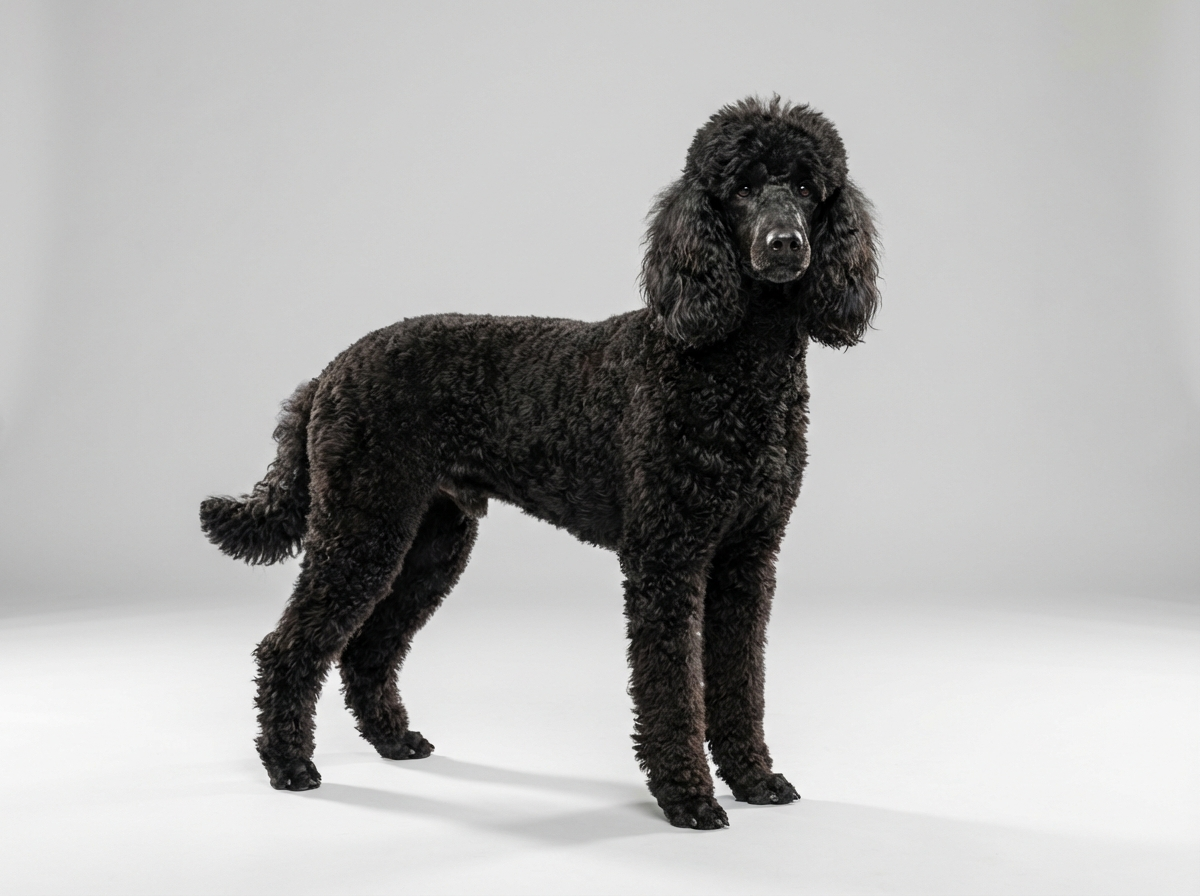
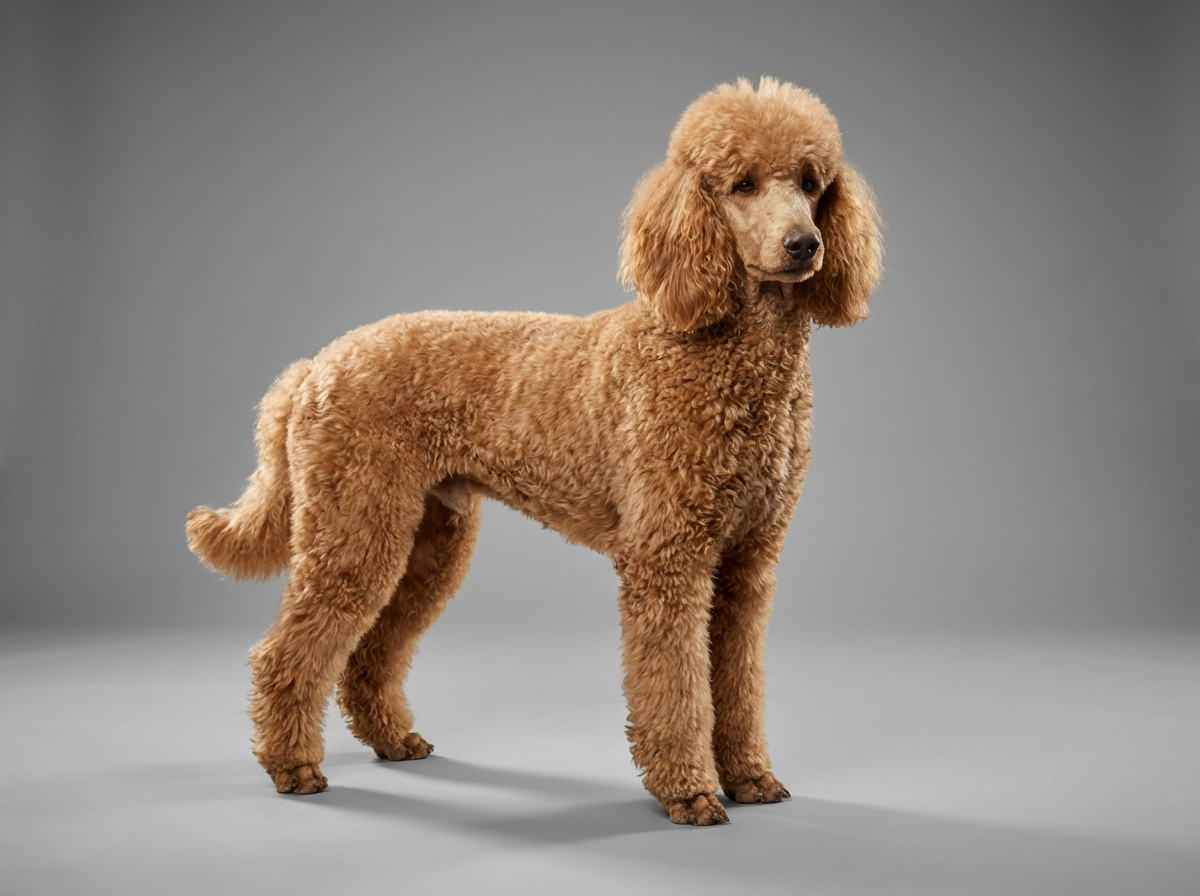
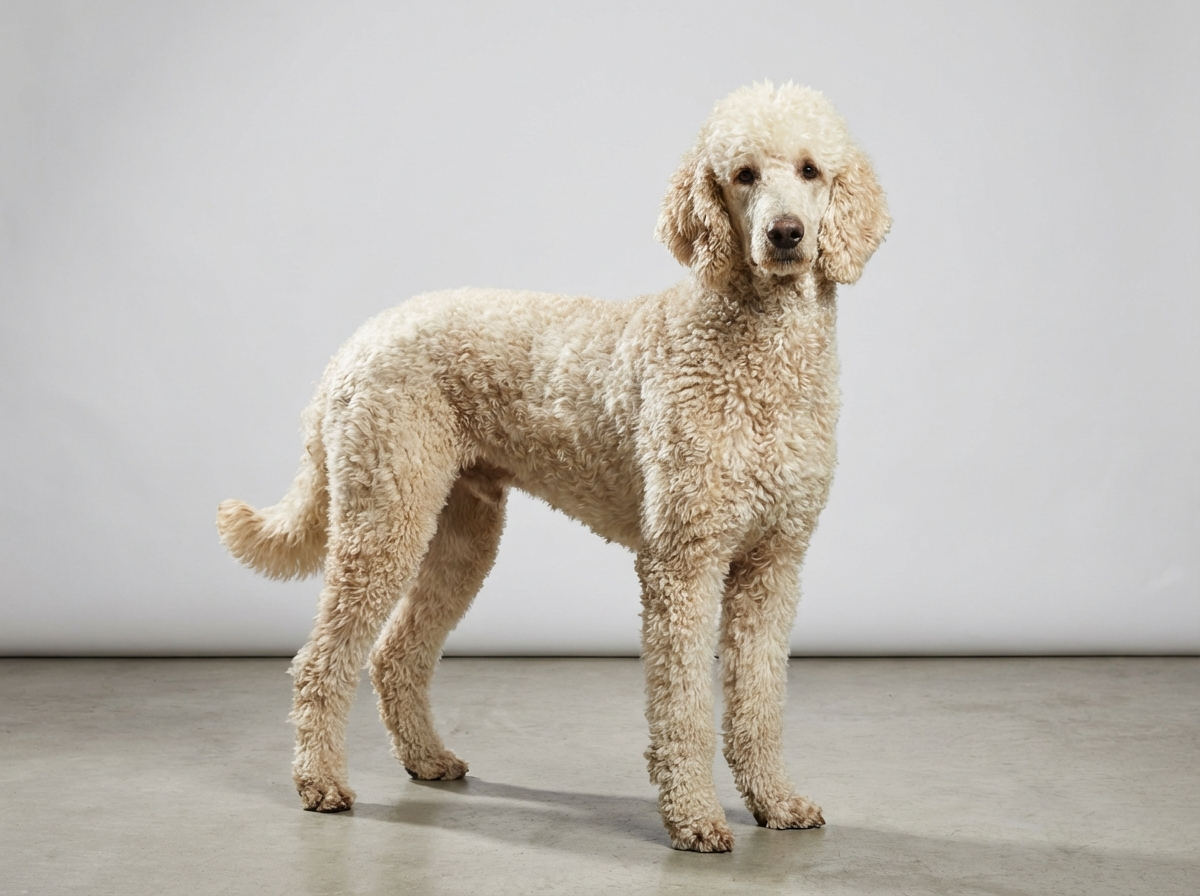
Poodle immune-mediated thyroiditis is a serious autoimmune condition that affects your dog's thyroid health.

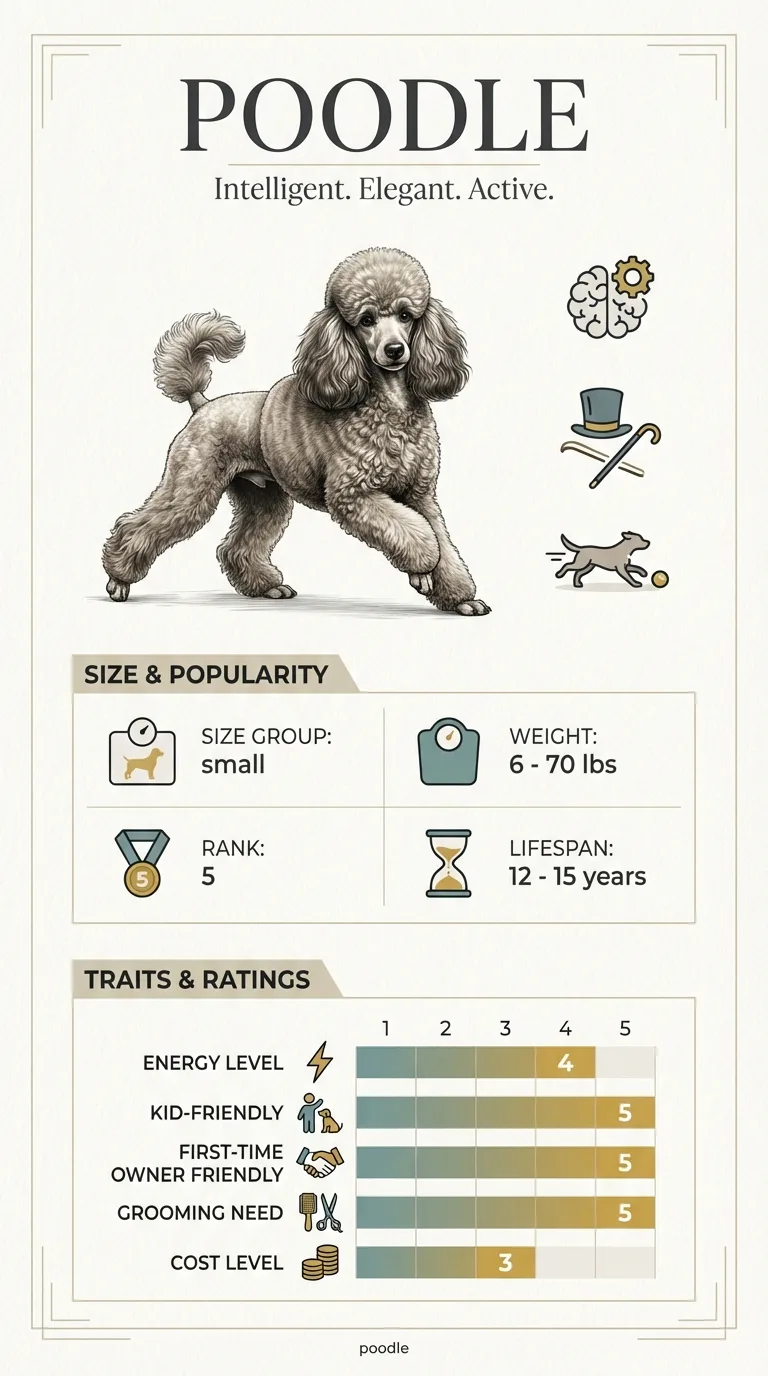
Poodle Immune-Mediated Thyroiditis: What You Need to Know infographic

Many Poodle owners, especially those new to dog ownership, may struggle with understanding this condition and how to manage it effectively.

Important reminder

This guide is not medical advice. If your dog shows pain, sudden behavior change, or worsening symptoms, consult a licensed veterinarian.

Some links may be affiliate links. We may earn a commission at no extra cost to you. We only suggest products we believe are helpful for dog owners.

What this problem looks like

Poodle immune-mediated thyroiditis is an autoimmune disease that affects thyroid function, leading to various health issues. Daily life for a Poodle with this condition can involve weight gain, lethargy, and skin problems. Owners may notice their dog becoming less active, which can be concerning and frustrating.

Common triggers

  • Genetic predisposition in certain Poodle lines
  • Stressful life changes or trauma
  • Unbalanced diet or nutritional deficiencies

This condition is relatively common among Poodles, especially as they age. It's important for Poodle owners to be aware of the signs and seek veterinary advice if they suspect their dog may have thyroid issues.

Why this happens

Breed factors

Poodles can be predisposed to immune-mediated thyroiditis due to genetic factors. Their immune system may mistakenly attack the thyroid gland, leading to hormone imbalances. This issue is more common in older Poodles, particularly in those with a family history of autoimmune diseases.

Environment factors

Environmental factors can also play a role in immune-mediated thyroiditis. Stress, poor diet, and exposure to certain chemicals may trigger or worsen this condition. Additionally, factors like lack of exercise or inadequate grooming can contribute to a Poodle's overall health, influencing their immune response.

What you can try

At-home strategies

  • Maintain a balanced diet rich in nutrients. Choose high-quality dog food with proper vitamins and minerals to support overall health.
  • Create a stress-free environment. Minimize loud noises, provide a safe space, and establish a routine to help your Poodle feel secure.
  • Keep a close eye on your Poodle's weight and energy levels. Regular exercise can help maintain a healthy weight and improve thyroid function.

When to consider a trainer

If your Poodle shows signs of anxiety or behavioral changes related to their condition, consider consulting a professional trainer. They can help with training techniques that promote calmness and confidence.

When to talk to your vet

It's essential to consult a vet if you notice symptoms like lethargy, weight gain, or changes in appetite. Your vet can provide a proper diagnosis and recommend a tailored treatment plan for Poodle immune-mediated thyroiditis.

Realistic expectations

Managing Poodle immune-mediated thyroiditis typically takes several weeks to months. Initial veterinary visits and diagnosis may take a few days, while finding the right treatment plan can take a few months.

Success means your Poodle is stable, shows improved energy levels, and has consistent thyroid hormone levels within the normal range. Regular vet check-ups ensure the treatment remains effective.

Mistakes that make this worse

Avoiding these common mistakes can help your Poodle manage immune-mediated thyroiditis more effectively.

  • Ignoring Symptoms
  • Overfeeding Your Poodle
  • Inconsistent Medication
  • Neglecting Regular Vet Visits
  • Avoiding Exercise

When Poodle Immune-Mediated Thyroiditis is an Emergency

Knowing when Poodle immune-mediated thyroiditis becomes an emergency is crucial for your dog's health. Immediate veterinary attention is required if you notice severe symptoms. These may include significant weight loss, increased thirst and urination, lethargy, or noticeable changes in behavior. If your Poodle shows signs of difficulty breathing or has a swollen neck, it's time to call your vet without delay.

On the other hand, there are milder symptoms that can be monitored at home. If your Poodle is slightly more tired than usual or has a reduced appetite without any drastic weight loss, you can create a watch-and-wait plan. Keep an eye on these symptoms, and consider scheduling a vet appointment if they persist for more than a few days. Regular check-ups can help manage the condition effectively without panic.

It's essential to prepare for a vet visit by noting any changes in your dog's behavior or routine. This way, you can provide the veterinarian with valuable information. If you're ever in doubt, it's always better to err on the side of caution and consult with your vet. Your Poodle's well-being should always be your top priority.

Poodle Immune-Mediated Thyroiditis: What You Need to Know - When Poodle Immune-Mediated Thyroiditis is an Emergency

Sam's Journey with Bella's Health

Sam, a first-time dog owner in Atlanta, noticed his Poodle, Bella, was more lethargic than usual. After a vet visit, he learned Bella had immune-mediated thyroiditis. It was overwhelming at first, but with guidance from the vet, Sam started Bella on medication and adjusted her diet. He also learned to monitor her energy and mood. Over time, Bella's energy returned, and she became more active and playful. Sam felt relieved and empowered by the process.

Key takeaway: With proper vet guidance and care, managing Poodle immune-mediated thyroiditis is achievable, leading to a happier, healthier dog.

Frequently asked questions

Why does my Poodle have immune-mediated thyroiditis?

Poodles can develop immune-mediated thyroiditis due to genetic predisposition and environmental factors. This autoimmune condition occurs when the immune system mistakenly attacks the thyroid gland. If your Poodle shows symptoms like weight changes or lethargy, it's essential to consult a vet.

How can I identify immune-mediated thyroiditis in my Poodle?

Look for signs like weight gain, increased sensitivity to cold, and decreased activity levels. Other symptoms may include skin issues or changes in coat quality. If you notice these signs, schedule a vet appointment for proper diagnosis and treatment.

What are the treatment options for Poodle immune-mediated thyroiditis?

Treatment typically involves lifelong hormone replacement therapy, which helps regulate thyroid levels. Your vet may prescribe medication and recommend regular monitoring to adjust dosages as necessary. Dietary changes and supplements could also support your Poodle's overall health.

Can I prevent immune-mediated thyroiditis in my Poodle?

While you can't entirely prevent this condition, maintaining a healthy diet and regular vet check-ups can help. Early detection is key, so keep an eye on any changes in behavior or weight. Genetic testing may also be beneficial if you are considering breeding your Poodle.

How does immune-mediated thyroiditis affect my Poodle's behavior?

This condition can lead to lethargy and decreased energy levels, which may affect your Poodle's playfulness and interactions. If their behavior changes significantly, it might be due to discomfort or hormonal imbalances. Regular vet visits can help manage these changes.

What are the common symptoms of Poodle immune-mediated thyroiditis?

Common symptoms include weight gain, lethargy, and changes in coat quality, such as excessive shedding or dullness. You may also notice behavioral changes, like increased anxiety or irritability.

Can immune-mediated thyroiditis develop in older Poodles?

Yes, while it can occur in younger dogs, immune-mediated thyroiditis is often seen in older Poodles. Regular vet check-ups are crucial for early detection in aging pets.

How can I support my Poodle with immune-mediated thyroiditis?

Diet and medication play a key role. Consult your vet for a tailored diet plan and discuss the right medications to help manage the condition effectively.

Why does my Poodle have immune-mediated thyroiditis?

The exact cause is often unclear, but it is believed to result from a combination of genetic predisposition and environmental factors. It's essential to monitor your Poodle's health closely and consult a vet for guidance.

Is there a specific training approach for Poodles with immune-mediated thyroiditis?

While there's no specific training for this condition, positive reinforcement techniques can help manage any behavioral issues that arise. Keeping training sessions short and enjoyable is key.

Quick answers

View more answers
Health

What are some quick tips for Poodle immune-mediated thyroiditis?

Monitor your Poodle's weight and energy levels regularly. Ensure they have a balanced diet and stick to a consistent medication schedule. Regular vet check-ups are crucial for adjusting treatment as needed.

Living

How can I support my Poodle with immune-mediated thyroiditis?

Provide a calm environment and engage in gentle exercise to avoid stress. Consider incorporating supplements that promote thyroid health, but consult your vet first. Regular grooming can also help improve their coat quality.

Health

What should I do if my Poodle is showing symptoms?

Schedule a vet appointment as soon as possible. Early diagnosis and treatment can significantly improve your Poodle's quality of life. Keep a journal of any symptoms to discuss with your vet.

Related DogBreedCompass guides

  • Poodle behavior problemsLearn about common health issues in Poodles, including thyroid problems.
  • Poodle separation anxiety guideFind strategies to help your Poodle cope with separation anxiety.
  • Poodle immune-mediated thyroiditis trainingExplore training techniques specifically for managing Poodle health issues.
  • Poodle cost breakdownUnderstand the costs associated with owning a Poodle, including healthcare.
  • How to stop Poodle immune-mediated thyroiditisDiscover how to stop Poodle immune-mediated thyroiditis through care.

Related guides