Behavior
How to stop Labradoodle immune-mediated thyroiditis?
Addressing Labradoodle immune-mediated thyroiditis involves veterinary care for hormone management and regular check-ups. A proper diet and exercise routine are also essential.

Quick answer
How to stop Labradoodle immune-mediated thyroiditis?
Addressing Labradoodle immune-mediated thyroiditis involves veterinary care for hormone management and regular check-ups. A proper diet and exercise routine are also essential.
Labradoodle immune-mediated thyroiditis is a serious thyroid autoimmune disease that affects your dog's health.
Owners of Labradoodles, especially those who are new to dog care, often struggle with identifying and managing immune-mediated thyroiditis. Busy families and first-time pet parents may find it particularly challenging to notice subtle changes in their dog's behavior and health.
This guide is not medical advice. If your dog shows pain, sudden behavior change, or worsening symptoms, consult a licensed veterinarian.
Some links may be affiliate links. We may earn a commission at no extra cost to you. We only suggest products we believe are helpful for dog owners.
We research and check what we publish, but we do not warrant that any figure, date, price, or statement is accurate, complete, or current, and we accept no liability for any loss, cost, injury, or other harm arising from the use of this site. Use it as one reference among several. You remain responsible for your own decisions and for your dog's care - confirm anything that matters with a licensed veterinarian or another qualified professional before you act on it. Full disclaimer.
Check this first
It's essential to know when your Labradoodle's immune-mediated thyroiditis requires immediate veterinary attention versus when it can be monitored at home. Red-flag signs that mean you should call your vet right away include severe lethargy, rapid weight loss, vomiting, or difficulty breathing. If your dog is experiencing any of these symptoms, do not wait—seek help immediately.
If any of these apply, call your vet or an emergency clinic now. The rest of this page is for the cases that are not an emergency.
Labradoodle immune-mediated thyroiditis is an autoimmune disease where the body's immune system mistakenly attacks the thyroid gland. This can lead to symptoms like lethargy, weight gain, and fur loss. Owners may notice their Labradoodle becoming less active or having difficulty maintaining a healthy weight.
This condition is not the most common issue for Labradoodles, but it does occur and can affect both young and older dogs. Regular vet check-ups are crucial for early detection.
Labradoodles can be predisposed to immune-mediated thyroiditis due to their genetic background. This breed may inherit a tendency for autoimmune diseases from their parent breeds, the Labrador Retriever and the Poodle. Such genetic factors can make them more susceptible to thyroid issues.
Environmental factors can also contribute to the development of immune-mediated thyroiditis in Labradoodles. Stressful living conditions, poor diet, and exposure to toxins can trigger or worsen autoimmune responses. These factors may lead to inflammation and dysfunction of the thyroid gland.
If you suspect your Labradoodle has immune-mediated thyroiditis, schedule a vet appointment promptly. A vet can conduct tests to confirm the diagnosis and recommend appropriate treatments, including medication or dietary changes.
Avoiding certain behaviors can help improve your Labradoodle's immune-mediated thyroiditis. Here are some common mistakes and safer alternatives.
Start here: Labradoodle Most Common Genetic Disorders: Screening
See all Labradoodle health problems, which breeds are prone to immune mediated thyroiditis, or the full Labradoodle breed guide for temperament, exercise needs and ownership costs.
Managing Labradoodle immune-mediated thyroiditis typically takes several weeks to months, depending on the dog's response to treatment and diet changes.
Success means that your Labradoodle's thyroid levels stabilize, leading to improved energy, coat condition, and overall health.
On the other hand, if your Labradoodle is showing mild symptoms, you can usually monitor their condition. Signs like slight fatigue, a minor change in appetite, or occasional coughing can often be managed at home. Create a plan to track your dog's behavior and health, and consult your vet for guidance on managing these milder symptoms safely.

Lisa, a busy nurse in Seattle, noticed her Labradoodle Max had become lethargic and was losing weight despite his usual playful self. After a vet visit, they diagnosed him with immune-mediated thyroiditis. Initially overwhelmed, Lisa committed to a new routine that included regular medication, a specialized diet, and regular check-ups. Over a few months, Max began to regain his energy and his coat became shinier. Lisa learned to monitor his symptoms and adjusted his treatment as needed, which made her feel more in control.
Key takeaway: With consistent care and communication with her vet, Lisa transformed Max’s health and learned that managing immune-mediated thyroiditis is a journey that requires patience and dedication.
Labradoodle immune-mediated thyroiditis is primarily an autoimmune disease where the dog's immune system mistakenly attacks its thyroid gland. Genetics, environmental factors, and possibly infections can contribute to its development. Regular vet check-ups can help catch this early.
Signs of Labradoodle immune-mediated thyroiditis include weight gain, lethargy, and changes in coat quality. If you notice these symptoms, it's important to consult your vet for proper testing and diagnosis. Blood tests can confirm thyroid hormone levels.
Treatment typically involves hormone replacement therapy to manage thyroid levels. Your vet may also recommend a special diet or supplements to support overall health. Regular monitoring is crucial to adjust treatment as needed.
While you can't completely prevent Labradoodle immune-mediated thyroiditis, you can reduce risks by maintaining a healthy diet and managing stress. Regular exercise and vet check-ups can also help keep your dog healthy, lowering the chance of developing chronic conditions.
This condition can lead to lethargy and decreased energy, which may affect your Labradoodle's playful nature. If you notice changes in behavior, consult your vet to assess if it's related to thyroid issues. Adjusting exercise and playtime can help maintain a happy demeanor.
Yes, genetic predisposition plays a role in Labradoodle immune-mediated thyroiditis. Breeding practices can influence this risk, so choosing a reputable breeder who screens for health issues is important. Always talk to your vet about your dog's health history.
Symptoms of Labradoodle immune-mediated thyroiditis can include weight gain, lethargy, and changes in coat quality. You may also notice increased sensitivity to cold or skin issues. If you observe these signs, it's important to consult your vet for an accurate diagnosis.
Yes, Labradoodle immune-mediated thyroiditis can often be managed with proper medication and regular veterinary check-ups. Your vet may prescribe thyroid hormone replacement therapy to help regulate levels. Consistent monitoring is key to ensuring your dog stays healthy.
Diet can play a role in managing Labradoodle immune-mediated thyroiditis. A balanced diet rich in nutrients can support overall health. Discuss with your vet about specific dietary recommendations or supplements that may help your dog's condition.
Yes, immune-mediated thyroiditis is more commonly diagnosed in older Labradoodles, typically those over five years of age. However, early detection and treatment can significantly improve their quality of life. Regular veterinary check-ups become increasingly important as your dog ages.
The exact cause of immune-mediated thyroiditis in Labradoodles isn't fully understood, but it is believed to involve genetic and environmental factors. Some breeds, including Labradoodles, may be more predisposed to autoimmune diseases. Consulting with your vet can help clarify the situation and guide you toward the best management strategies.
Addressing Labradoodle immune-mediated thyroiditis involves veterinary care for hormone management and regular check-ups. A proper diet and exercise routine are also essential.
Common signs include weight gain, lethargy, and coat changes. If you notice these, consult your vet for thyroid testing.
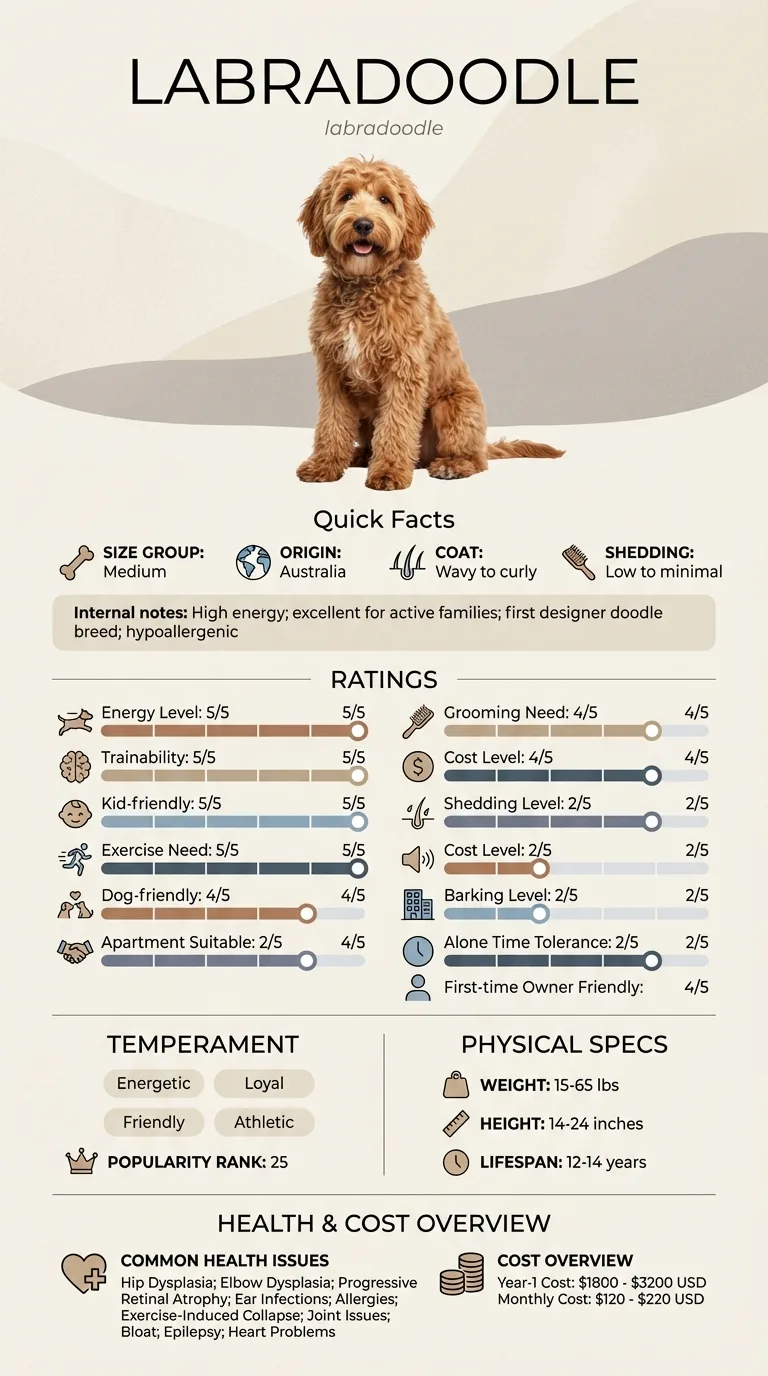
Managing Labradoodle immune-mediated thyroiditis can range from $120 to $220 per month, depending on treatment and care needs.
A one-page prep sheet for this condition: the signs, the questions to ask, what to get priced. Unlocks here.
You get: Vet visit prep sheet
No spam. One-click unsubscribe. See our privacy policy.
Preview page 1 before you decide.