Health
What are quick tips for managing German Shepherd immune-mediated thyroiditis?
Regular vet visits and monitoring hormone levels are essential. Maintain a balanced diet and ensure your dog has a consistent exercise routine.

Quick answer
What are quick tips for managing German Shepherd immune-mediated thyroiditis?
Regular vet visits and monitoring hormone levels are essential. Maintain a balanced diet and ensure your dog has a consistent exercise routine.
German Shepherd immune-mediated thyroiditis is an autoimmune condition affecting the thyroid gland. This issue can lead to serious health problems if not addressed.
Typical owners facing this issue often include those who have a German Shepherd with unexplained weight changes, lethargy, or skin problems. First-time dog owners may feel overwhelmed when trying to navigate this complex health issue.
This guide is not medical advice. If your dog shows pain, sudden behavior change, or worsening symptoms, consult a licensed veterinarian.
Some links may be affiliate links. We may earn a commission at no extra cost to you. We only suggest products we believe are helpful for dog owners.
We research and check what we publish, but we do not warrant that any figure, date, price, or statement is accurate, complete, or current, and we accept no liability for any loss, cost, injury, or other harm arising from the use of this site. Use it as one reference among several. You remain responsible for your own decisions and for your dog's care - confirm anything that matters with a licensed veterinarian or another qualified professional before you act on it. Full disclaimer.
Check this first
Recognizing when German Shepherd immune-mediated thyroiditis is an emergency can save your dog's life. Certain red-flag signs indicate that you should call your vet immediately. If you notice symptoms like severe lethargy, sudden weight loss, difficulty breathing, or persistent vomiting, these require urgent attention.
Additionally, if your dog shows signs of a swollen neck or has trouble swallowing, don't wait—contact your vet right away.
On the other hand, there are milder symptoms that might warrant a watch-and-wait approach. Symptoms like slight lethargy, occasional weight fluctuations, or changes in appetite can often be monitored. However, it's essential to have a plan in place.
Keep track of any changes and maintain regular vet appointments for blood tests to monitor thyroid levels. If these mild symptoms persist or worsen, it's time to seek professional advice.
In summary, immediate vet care is crucial for serious symptoms, while mild cases can often be managed at home with careful monitoring. Always trust your instincts as a pet owner—better safe than sorry when it comes to your German Shepherd's health.
If any of these apply, call your vet or an emergency clinic now. The rest of this page is for the cases that are not an emergency.
German Shepherd immune-mediated thyroiditis is an autoimmune condition affecting the thyroid gland. This can lead to symptoms like weight gain, lethargy, and skin issues. Owners might notice their GSD acting less energetic or having a dull coat, which can be distressing and confusing.
This condition is relatively common in German Shepherds, particularly as they age. While not every GSD will be affected, it's important for owners to be aware of the signs and consult a veterinarian if they notice changes in behavior or health.
German Shepherds are known for their strong immune systems, but this can sometimes lead to issues like immune-mediated thyroiditis. The breed's genetic predisposition to autoimmune diseases can increase the likelihood of developing this condition. Additionally, high-stress levels can trigger immune responses in these intelligent dogs.
Environmental factors such as poor diet, exposure to toxins, and high-stress living conditions can contribute to the development of immune-mediated thyroiditis. If a German Shepherd is not receiving proper nutrition or is regularly exposed to harmful substances, their immune system can become compromised. Stressful situations, like loud noises or changes in the household, may also worsen the condition.
If you notice symptoms like lethargy, weight changes, or skin issues, schedule a visit to the vet. They can perform necessary tests to confirm immune-mediated thyroiditis and develop a treatment plan. Regular check-ups are essential to monitor your dog's health and adjust care as needed.
Avoiding common mistakes can significantly improve your German Shepherd’s immune-mediated thyroiditis. Here are some behaviors to steer clear of:
Start here: German Shepherd Most Common Genetic Disorders: Screening
See all German Shepherd health problems, which breeds are prone to immune mediated thyroiditis, or the full German Shepherd breed guide for temperament, exercise needs and ownership costs.
Managing German Shepherd immune-mediated thyroiditis usually takes a few months to stabilize. Regular vet check-ups and lab tests will help monitor the condition. Owners should expect gradual improvements in their dog's energy and overall health.
Success looks like a well-managed condition, where your German Shepherd exhibits increased energy levels, a healthier coat, and a stable weight. Consistent medication and a tailored diet will play a crucial role in achieving this.
Lily, a busy nurse in Chicago, noticed her German Shepherd, Max, was lethargic and losing weight. After several vet visits, they diagnosed him with immune-mediated thyroiditis. With a treatment plan that included medication and a specialized diet, Lily was committed to monitoring Max's progress. Over the next few months, she saw a significant change. Max regained his energy, and his coat started to shine again. Regular vet check-ups ensured they were on the right path.
Key takeaway: With the right treatment and dedication, managing German Shepherd immune-mediated thyroiditis can lead to a happy, healthy dog.
German Shepherds are predisposed to immune-mediated thyroiditis due to genetic factors. This autoimmune disease occurs when the immune system mistakenly attacks the thyroid gland. Symptoms can include weight gain, lethargy, and changes in coat quality.
While you can't completely stop immune-mediated thyroiditis, managing it is key. Regular veterinary check-ups, monitoring hormone levels, and appropriate medication can help control the condition. A balanced diet and maintaining a healthy weight are also essential.
Treatment typically involves lifelong thyroid hormone replacement therapy. Your vet may also recommend anti-inflammatory medications or supplements to support thyroid health. Regular follow-ups will ensure the treatment is effective and adjusted as needed.
Watch for signs like increased lethargy, changes in appetite, or weight fluctuations. Skin issues, such as excessive shedding or infections, can also indicate problems. If you notice these symptoms, consult your vet promptly.
Yes, a proper diet plays a crucial role in managing immune-mediated thyroiditis. A high-quality, balanced diet can help maintain overall health and support thyroid function. Consult your vet for specific dietary recommendations tailored for your dog.
Symptoms of German Shepherd immune-mediated thyroiditis can include weight gain, lethargy, and changes in coat condition. You might also notice skin issues, such as increased shedding or dull fur. If you see these signs, it's important to consult a vet for a proper diagnosis.
Regular exercise is important for maintaining a healthy weight and overall well-being. Additionally, minimizing stress through a consistent routine can benefit your dog's health. Training and socialization help improve your dog's confidence and reduce anxiety.
While diet alone cannot cure German Shepherd immune-mediated thyroiditis, a balanced diet can support overall health. Some owners find that specific diets help improve their dog's energy and coat condition. Always talk to your vet about dietary changes tailored to your dog's needs.
Yes, there is evidence that immune-mediated thyroiditis can have a genetic component in German Shepherds. If your dog has a family history of thyroid issues, it's wise to be proactive. Regular vet check-ups can help catch any potential problems early on.
If your German Shepherd is diagnosed with immune-mediated thyroiditis, it's generally recommended to have regular vet visits every 6 to 12 months. This helps monitor their thyroid levels and overall health. Always follow your vet's specific advice based on your dog's condition.
Yes, older German Shepherds can develop immune-mediated thyroiditis, although it can occur at any age. If you notice symptoms in an older dog, consult your vet. Early detection and treatment can help manage the condition more effectively.
Regular vet visits and monitoring hormone levels are essential. Maintain a balanced diet and ensure your dog has a consistent exercise routine.
Look for signs like weight gain, lethargy, or changes in coat quality. Skin issues can also be indicators.
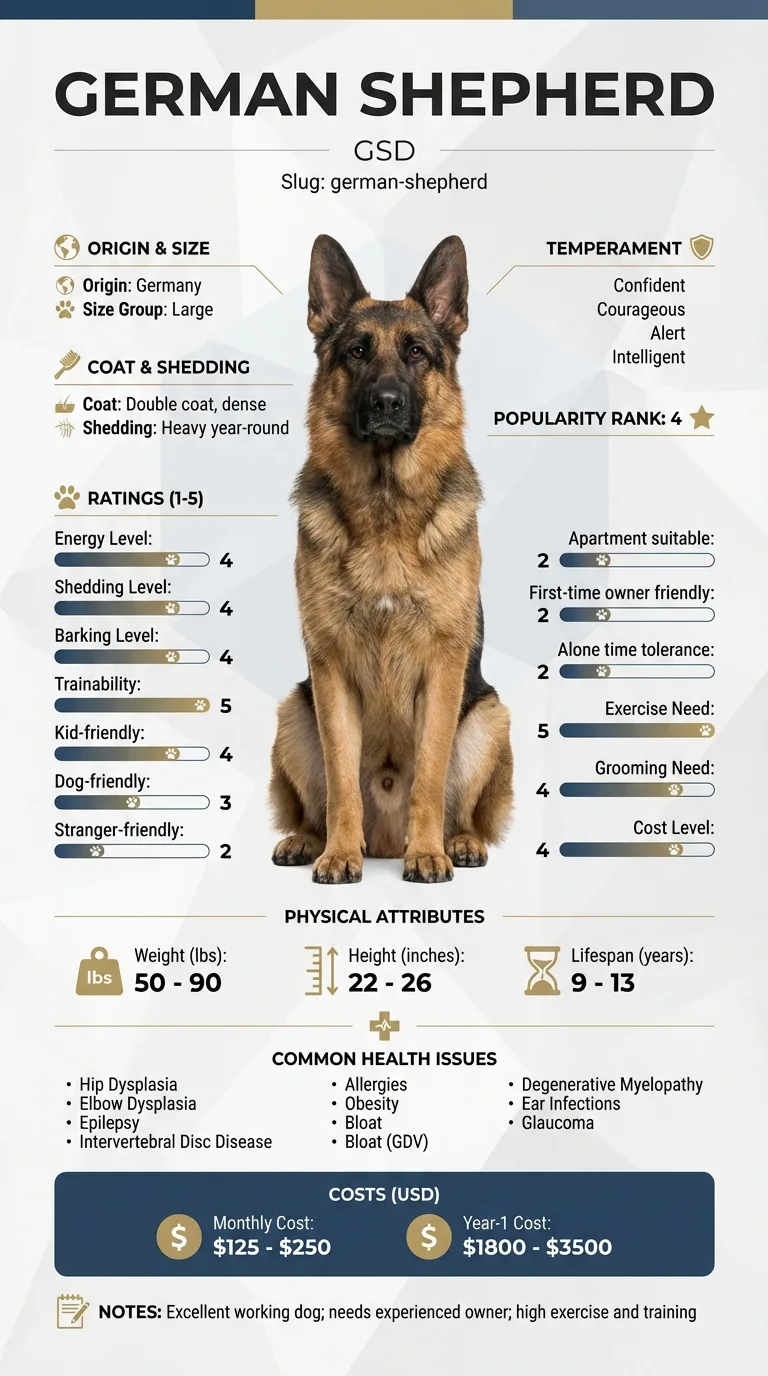
Expect to spend around $125 to $250 monthly for medication and vet visits. Yearly costs can range from $1,800 to $3,500.
Yes, training can reduce stress and improve your dog's overall behavior. A calm, structured environment is beneficial for managing anxiety.
Yes, this condition has a genetic component, making some breeds, like German Shepherds, more susceptible.
A one-page prep sheet for this condition: the signs, the questions to ask, what to get priced. Unlocks here.
You get: Vet visit prep sheet
No spam. One-click unsubscribe. See our privacy policy.
See a sample page before you decide.
Early access list
The free prep sheet covers the same-day warning signs, a symptom log and the questions to ask. We are considering a fuller kit that adds a cost worksheet for the usual tests and treatments (US price ranges with their sources) and a plain-English guide to ways of covering the bill. It is not built yet; this list tells us whether it is worth building.
One email, no spam, unsubscribe anytime. Information only, not veterinary advice.