Health
What are quick tips for managing Rottweiler liver shunts?
Monitor your dog's symptoms and maintain regular vet appointments. A special low-protein diet can be beneficial, along with medications as prescribed.

Quick answer
What are quick tips for managing Rottweiler liver shunts?
Monitor your dog's symptoms and maintain regular vet appointments. A special low-protein diet can be beneficial, along with medications as prescribed.
Rottweiler liver shunts are serious health issues that can affect your dog's well-being. These conditions arise from abnormalities in the portal vein, leading to various health challenges.
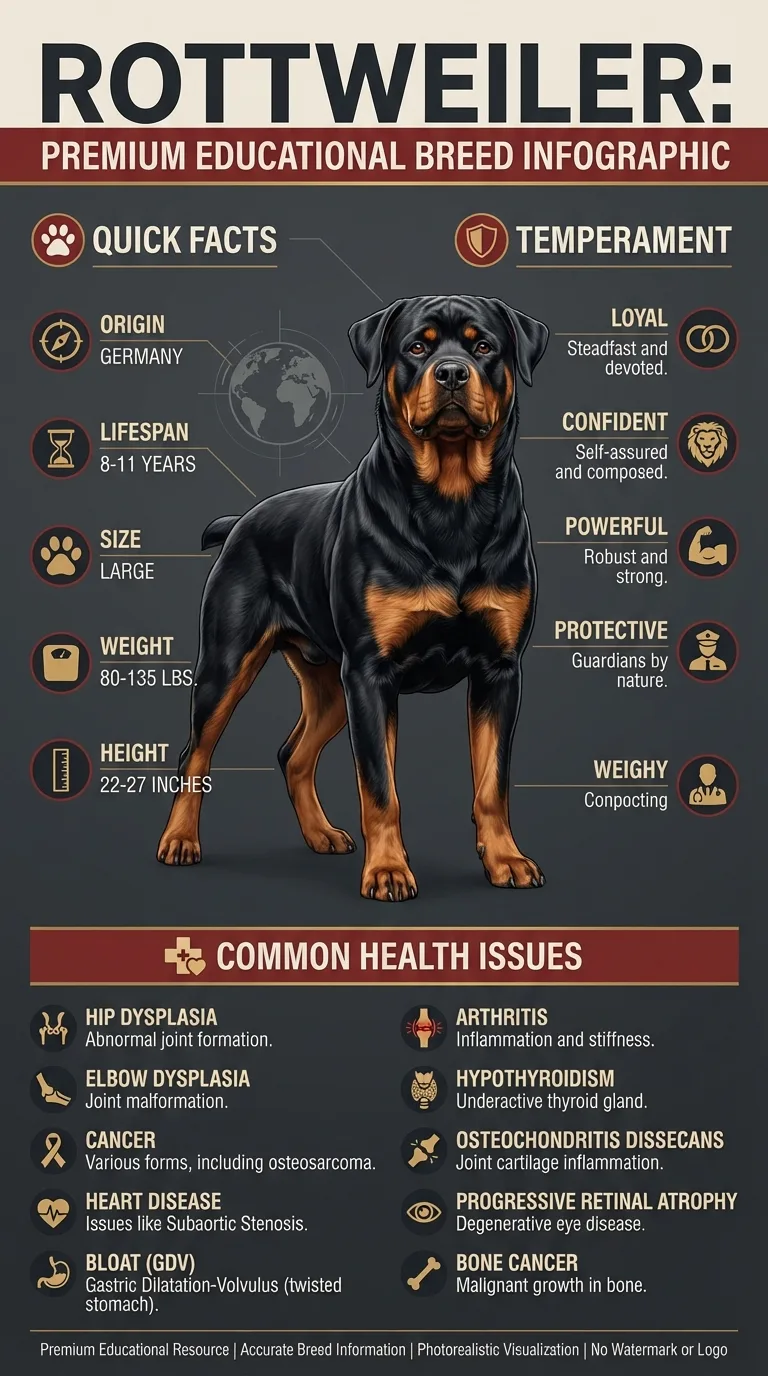
Typically, owners of Rottweilers face this problem, especially those who may not be aware of the breed's health risks. New Rottweiler parents, in particular, may find themselves confused about symptoms and the best course of action.
This guide is not medical advice. If your dog shows pain, sudden behavior change, or worsening symptoms, consult a licensed veterinarian.
Some links may be affiliate links. We may earn a commission at no extra cost to you. We only suggest products we believe are helpful for dog owners.
We research and check what we publish, but we do not warrant that any figure, date, price, or statement is accurate, complete, or current, and we accept no liability for any loss, cost, injury, or other harm arising from the use of this site. Use it as one reference among several. You remain responsible for your own decisions and for your dog's care - confirm anything that matters with a licensed veterinarian or another qualified professional before you act on it. Full disclaimer.
Check this first
Recognizing when Rottweiler liver shunts may be an emergency is crucial for your dog's health. If you observe any severe symptoms, it's time to call your vet immediately. These signs include severe lethargy, vomiting, seizures, or signs of jaundice (yellowing of the skin or eyes).
If your Rottie is experiencing any of these symptoms, don't wait; seek veterinary help right away.
On the other hand, if your dog shows mild symptoms like occasional vomiting, slight lethargy, or changes in appetite, you might consider monitoring the situation first. This doesn't mean you should ignore the signs; just keep track of any changes and consult your vet to create a watch-and-wait plan. Regular check-ups can also help identify liver issues early on, allowing for better management.
It's essential to differentiate between these two situations. Emergency symptoms can indicate serious complications that require immediate care, while mild cases can often be managed with a monitoring strategy. Stay informed and proactive about your dog's health to ensure they receive the best care possible.
If any of these apply, call your vet or an emergency clinic now. The rest of this page is for the cases that are not an emergency.
Rottweiler liver shunts are serious health issues that can significantly affect your dog's quality of life. This condition occurs when blood flow bypasses the liver, preventing it from detoxifying the body effectively. Symptoms can vary, but you might notice lethargy, poor appetite, or developmental delays in puppies.
While liver shunts are not the most common issue among Rottweilers, they can occur, particularly in young dogs. It's essential to be aware of the signs and consult a veterinarian if you suspect your Rottweiler might be affected. Early diagnosis can make a significant difference in treatment outcomes.
Rottweilers may have a genetic predisposition to liver shunts. These abnormal blood vessels can disrupt normal liver function, leading to serious health issues. Being a large breed, they are also more susceptible to certain congenital conditions.
Environmental factors like diet can influence the severity of liver shunts. Poor nutrition or exposure to toxins may exacerbate underlying conditions. Stress and lack of proper care can also worsen health problems in Rottweilers.
If you notice signs of liver shunts, such as vomiting, lethargy, or seizures, contact your vet immediately. Regular check-ups are vital for monitoring liver health. Discuss any changes in behavior or appetite with your vet to ensure proper care.
Many Rottweiler owners unintentionally reinforce liver shunt issues with common mistakes. Here are some behaviors to avoid, along with safer alternatives.
See all Rottweiler health problems, which breeds are prone to liver shunts, or the full Rottweiler breed guide for temperament, exercise needs and ownership costs.
Managing Rottweiler liver shunts usually takes several months to stabilize, but ongoing care is necessary. Expect to see gradual improvements over this period.
Success looks like your Rottweiler showing reduced symptoms, improved energy levels, and a stable diet. Regular vet check-ups should show positive liver function tests.
When Jake adopted Maggie, his Rottweiler, he was excited. However, he quickly noticed her lethargy and strange behaviors. After a vet visit, he learned Maggie had liver shunts. With the vet's guidance, Jake adjusted Maggie's diet and started her on medication. Over the next few months, Maggie's energy improved significantly. Jake learned the importance of regular vet check-ups and dietary control. Now, Maggie loves her daily walks and plays with Jake like a normal dog.
Key takeaway: Early intervention and consistent vet care can significantly improve your Rottweiler's quality of life when facing liver shunts.
Liver shunts in Rottweilers can be congenital, meaning they are present at birth due to genetic factors. Environmental factors, dietary issues, or poor breeding practices may also contribute to the development of this condition.
Common symptoms of liver shunts include stunted growth, poor appetite, vomiting, and neurological issues like seizures. If you notice these signs, it's essential to consult your vet for proper diagnosis and treatment.
While some liver shunts can be managed with diet and medication, surgical intervention is often necessary for severe cases. Work closely with your vet to create a plan tailored to your Rottweiler's specific needs.
Treatment may include a special diet low in protein, medications to manage symptoms, or surgery to correct the shunt. Regular veterinary check-ups are crucial for monitoring your dog's health.
Genetic factors play a significant role, so responsible breeding practices are essential to reduce the incidence of liver shunts. Maintaining a healthy diet and regular vet visits can also help in early detection and management.
If left untreated, liver shunts can lead to severe liver damage and other complications. Early detection and treatment can significantly improve your Rottweiler's quality of life and lifespan.
Symptoms of liver shunts in Rottweilers can include poor growth, lethargy, vomiting, and behavioral changes such as confusion. You might also notice increased urination and drinking. If you observe these signs, it's important to consult a veterinarian.
Yes, liver shunts can often be treated through surgery or medication. The treatment will depend on the type and severity of the shunt. Always discuss options with your vet to determine the best course of action.
Liver shunts can have a genetic component, especially in certain breeds like Rottweilers. Responsible breeding practices can help reduce the risk. If you're considering a Rottweiler, ask the breeder about health screening for liver shunts.
If you notice any unusual behavior, weight loss, or signs of distress in your Rottweiler, it's best to see a vet right away. Early detection of health issues like liver shunts can make a significant difference in treatment options.
Providing a low-protein diet can help manage liver shunt symptoms, along with regular veterinary check-ups. Keeping stress levels low and ensuring a calm environment can also be beneficial for your pet's well-being.
Monitor your dog's symptoms and maintain regular vet appointments. A special low-protein diet can be beneficial, along with medications as prescribed.
Treatment costs can range from $2,000 to $5,000, depending on the severity and treatment method. Consult your veterinarian for a detailed estimate.
Yes, training is possible, but be cautious and avoid overly strenuous activities. Focus on gentle training methods to accommodate their health needs.
A diet low in protein is recommended for Rottweilers with liver shunts. Consult your vet for specific dietary recommendations tailored to your dog's condition.
A one-page prep sheet for this condition: the signs, the questions to ask, what to get priced. Unlocks here.
You get: Vet visit prep sheet
No spam. One-click unsubscribe. See our privacy policy.
Preview page 1 before you decide.