Health
What are Yorkshire Terrier liver shunts quick tips?
Keep regular vet appointments, monitor your dog's diet, and watch for any unusual behaviors. Early intervention is key to managing liver shunts effectively.

Quick answer
What are Yorkshire Terrier liver shunts quick tips?
Keep regular vet appointments, monitor your dog's diet, and watch for any unusual behaviors. Early intervention is key to managing liver shunts effectively.
Yorkshire Terrier liver shunts are serious health issues that can greatly affect your dog's quality of life. Understanding this condition is crucial for any Yorkie owner.
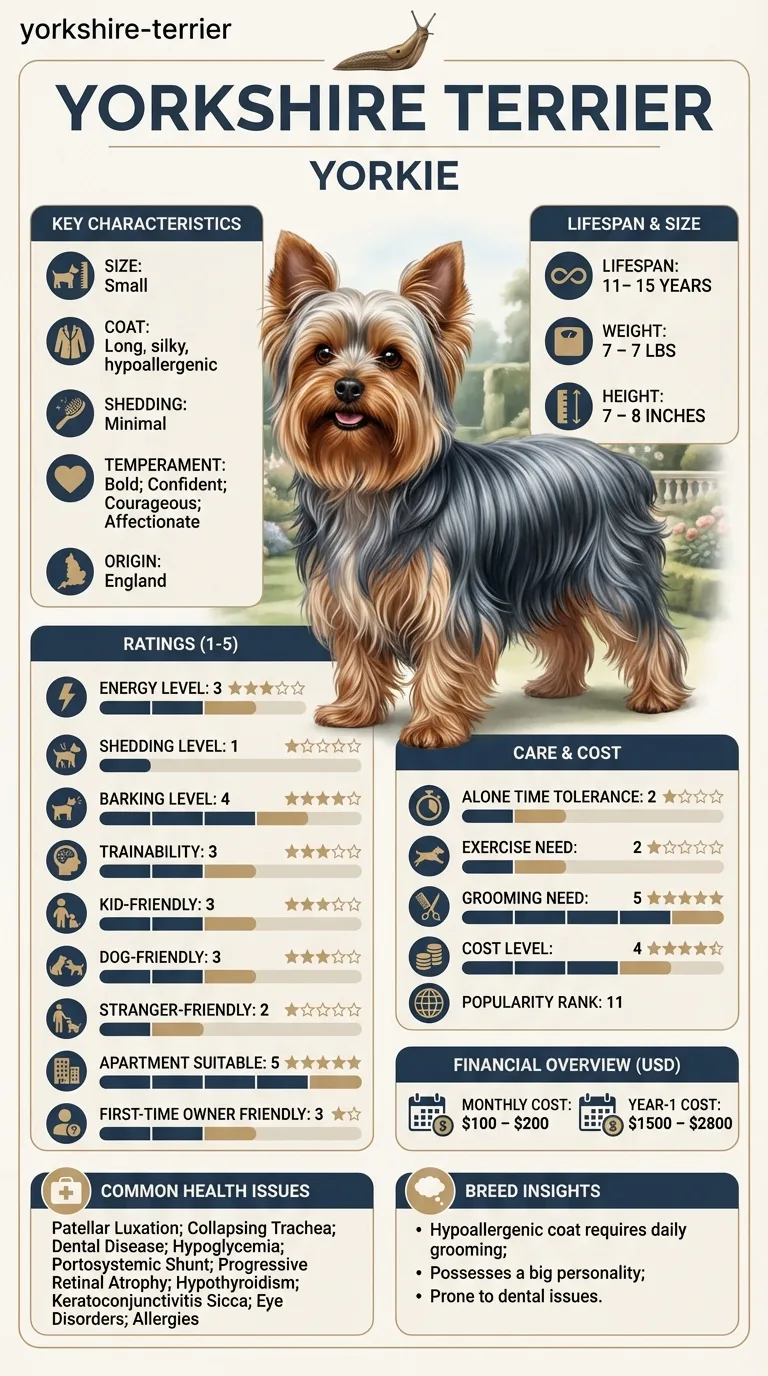
Owners of Yorkshire Terriers often face the challenge of recognizing liver shunts, especially if they are first-time pet parents. These owners may be overwhelmed by symptoms like lethargy or poor appetite, unsure if they are related to liver issues or other health concerns. Understanding the signs and seeking veterinary advice promptly can make a significant difference.
This guide is not medical advice. If your dog shows pain, sudden behavior change, or worsening symptoms, consult a licensed veterinarian.
Some links may be affiliate links. We may earn a commission at no extra cost to you. We only suggest products we believe are helpful for dog owners.
We research and check what we publish, but we do not warrant that any figure, date, price, or statement is accurate, complete, or current, and we accept no liability for any loss, cost, injury, or other harm arising from the use of this site. Use it as one reference among several. You remain responsible for your own decisions and for your dog's care - confirm anything that matters with a licensed veterinarian or another qualified professional before you act on it. Full disclaimer.
Check this first
It's crucial to recognize when Yorkshire Terrier liver shunts become an emergency. Red flags include severe lethargy, vomiting, seizures, or sudden behavioral changes. If your Yorkie shows these signs, call your vet immediately.
Mild symptoms may include decreased appetite or occasional vomiting that isn’t severe. If your dog exhibits these, monitor their condition closely. A good plan is to keep a journal of their behavior, noting any changes or patterns.
If symptoms worsen or persist for more than a day or two, reach out to your vet for advice.
Always trust your instincts as a pet owner. If something feels off, it’s better to be safe and consult a professional. Early intervention can be key to managing Yorkshire Terrier liver shunts effectively.
If any of these apply, call your vet or an emergency clinic now. The rest of this page is for the cases that are not an emergency.
Yorkshire Terrier liver shunts can be a serious health issue that affects these small dogs. This condition occurs when there is an abnormal connection in the blood vessels that bypasses the liver, preventing it from filtering toxins properly. In everyday life, affected Yorkies may show signs like poor growth, lethargy, and gastrointestinal issues, which can be alarming for owners.
Liver shunts are relatively common in Yorkshire Terriers, especially in younger dogs. While not every Yorkie will face this issue, it is a significant concern among the breed that owners should be aware of.
Yorkshire Terriers are prone to specific genetic issues, including liver shunts. These are often due to abnormal blood vessel development that affects the liver's ability to filter toxins. This breed's small size can also make them more susceptible to such conditions.
Environmental factors can contribute to liver shunts, such as exposure to toxins or poor nutrition. If a Yorkie's diet lacks essential nutrients, it can exacerbate existing health issues. Stressful environments may also negatively impact their overall health.
If you notice symptoms like lethargy, vomiting, or changes in appetite, contact your vet immediately. Regular check-ups are crucial, especially for breeds like Yorkshire Terriers that are prone to liver issues.
Avoiding common pitfalls can help your Yorkshire Terrier manage liver shunts more effectively. Here are some mistakes to steer clear of and better alternatives.
Start here: Yorkshire Terrier Most Common Genetic Disorders: Screening
See all Yorkshire Terrier health problems, which breeds are prone to liver shunts, or the full Yorkshire Terrier breed guide for temperament, exercise needs and ownership costs.
If you suspect your Yorkshire Terrier has liver shunts, a veterinary diagnosis can often be made within a few days. Following diagnosis, treatment plans may take a few weeks to several months to show improvement, depending on the severity of the condition.
Success means your Yorkie shows improved energy levels, better appetite, and fewer gastrointestinal issues. Regular veterinary check-ups will help monitor the condition and ensure your pup is on the right track.
When Sarah adopted Bella, her Yorkshire Terrier, she quickly noticed Bella was lethargic and had a poor appetite. After a vet visit, Sarah learned Bella had liver shunts. Determined to help, Sarah followed the vet's recommendations, adjusted Bella's diet, and scheduled regular check-ups. Over the next few months, Bella gradually regained her energy and started playing like a puppy again.
Key takeaway: With proper care and veterinary guidance, managing Yorkshire Terrier liver shunts can lead to a healthier, happier life for your pup.
Liver shunts in Yorkshire Terriers are often caused by congenital issues, where blood vessels bypass the liver. This can lead to serious health problems as toxins build up in the bloodstream. Regular vet check-ups are crucial for early detection.
Signs of liver shunts can include poor growth, vomiting, seizures, and lethargy. If you notice any of these symptoms, it's important to consult your veterinarian for a thorough examination and possible diagnostic tests.
Managing liver shunts often involves dietary changes, medications, and sometimes surgery. A veterinarian will recommend a low-protein diet to help reduce toxin levels and may suggest additional treatments as needed.
Treatment can vary based on the severity of the shunt. Options may include surgery to correct the blood flow or medications to manage symptoms. Your vet will create a tailored plan based on your dog's specific needs.
With proper management, some Yorkshire Terriers can lead a relatively normal life, but it's essential to follow your vet's advice closely. Regular monitoring and adjustments to their care can help improve their quality of life.
The life expectancy of a Yorkshire Terrier with liver shunts can vary significantly based on treatment and management. Some may live comfortably for several years, while others may face serious health challenges.
Symptoms of liver shunts in Yorkshire Terriers can include poor growth, lethargy, vomiting, and seizures. You may also notice behavioral changes, such as increased anxiety or disorientation. If you observe these signs, it's essential to consult your vet.
Yes, liver shunts in older Yorkshire Terriers can often be managed with diet and medications. Your vet may recommend a special diet low in protein to reduce toxins in the bloodstream. Regular monitoring and check-ups are also crucial for managing the condition.
Surgery is a common solution for Yorkshire Terrier liver shunts, but it may not be suitable for all dogs. Some dogs may respond well to medical management, particularly if the shunt is small. Always discuss the best options with your veterinarian based on your dog's specific needs.
While not all liver shunts can be prevented, responsible breeding practices can reduce the likelihood. Always choose a reputable breeder who screens for genetic issues. Regular veterinary check-ups can help catch any potential problems early.
If you suspect your Yorkshire Terrier has liver shunts, schedule a vet appointment as soon as possible. Early diagnosis and treatment are key to managing the condition effectively. Your vet can perform tests to confirm the diagnosis and recommend a treatment plan.
Keep regular vet appointments, monitor your dog's diet, and watch for any unusual behaviors. Early intervention is key to managing liver shunts effectively.
Provide a low-protein diet and avoid high-fat treats. This helps reduce the strain on their liver and manage symptoms.
Yes, many dogs experience significant improvement after surgery. However, it's important to discuss potential risks and benefits with your veterinarian.
Watch for increased lethargy, vomiting, or behavioral changes. If you notice these symptoms, contact your vet immediately.
Yes, training is possible but should be gentle and mindful of their condition. Focus on short sessions and positive reinforcement.
A one-page prep sheet for this condition: the signs, the questions to ask, what to get priced. Unlocks here.
You get: Vet visit prep sheet
No spam. One-click unsubscribe. See our privacy policy.
Preview page 1 before you decide.