Health
What are quick tips for Jack Russell Terrier liver shunts?
Monitor your dog's diet closely and avoid high-protein foods. Regular vet visits are key to detecting any changes early.

Quick answer
What are quick tips for Jack Russell Terrier liver shunts?
Monitor your dog's diet closely and avoid high-protein foods. Regular vet visits are key to detecting any changes early.
Jack Russell Terrier liver shunts are a serious health issue that can affect your dog's well-being.
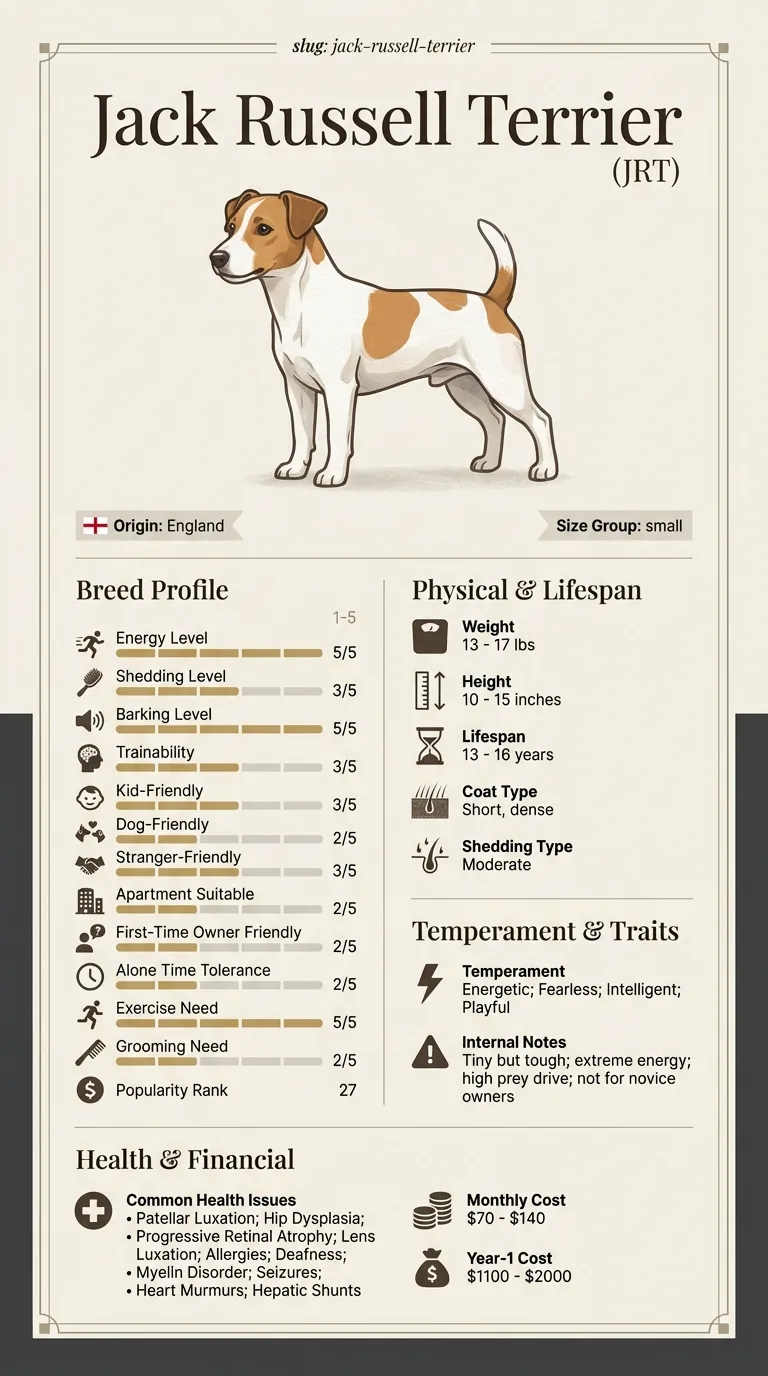
Owners of Jack Russell Terriers, especially those who are first-time pet parents, may struggle with understanding and managing liver shunts. If your energetic little pup seems lethargic or has digestive issues, this might be the problem.
This guide is not medical advice. If your dog shows pain, sudden behavior change, or worsening symptoms, consult a licensed veterinarian.
Some links may be affiliate links. We may earn a commission at no extra cost to you. We only suggest products we believe are helpful for dog owners.
We research and check what we publish, but we do not warrant that any figure, date, price, or statement is accurate, complete, or current, and we accept no liability for any loss, cost, injury, or other harm arising from the use of this site. Use it as one reference among several. You remain responsible for your own decisions and for your dog's care - confirm anything that matters with a licensed veterinarian or another qualified professional before you act on it. Full disclaimer.
Check this first
Recognizing when your Jack Russell Terrier's liver shunts are an emergency can save their life. If you notice severe symptoms like vomiting, seizures, or lethargy, call your vet immediately. These could indicate that the liver shunts are causing critical health issues that need urgent attention.
If any of these apply, call your vet or an emergency clinic now. The rest of this page is for the cases that are not an emergency.
Jack Russell Terrier liver shunts are serious health issues that can impact your dog's daily life. These abnormalities in the portal vein can lead to a variety of health problems, including poor growth, lethargy, and gastrointestinal issues. Owners may notice their JRT acting unusually tired or having trouble with their appetite, which can be alarming.
Liver shunts are relatively common in Jack Russell Terriers compared to other breeds, with some estimates suggesting that they affect around 10-15% of the population. This makes it important for owners to be aware of the signs and seek veterinary advice if they notice any concerning symptoms.
Jack Russell Terriers may inherit a predisposition to liver shunts due to their genetic background. This breed can be prone to certain health issues, including liver abnormalities, which can lead to shunts. The condition often arises from developmental issues in the liver during the early stages of life.
Environmental factors can also contribute to liver shunts in Jack Russell Terriers. Poor nutrition, exposure to toxins, and lack of proper veterinary care can exacerbate liver health. Additionally, stress and lifestyle factors may play a role in the overall well-being of your dog, potentially affecting liver function.
If you suspect liver shunts in your Jack Russell Terrier, or if they show signs of illness like vomiting, lethargy, or appetite changes, contact your vet immediately. Regular check-ups are essential for early detection and management of liver health issues.
Owner behaviors can unintentionally worsen Jack Russell Terrier liver shunts. Here are some common mistakes and safer alternatives to help your dog.
Start here: Jack Russell Terrier Most Common Genetic Disorders
See all Jack Russell Terrier health problems, which breeds are prone to liver shunts, or the full Jack Russell Terrier breed guide for temperament, exercise needs and ownership costs.
You may start to see improvements in your Jack Russell Terrier's health within a few weeks of treatment. However, significant changes can take several months.
Success means your Jack Russell Terrier shows better energy levels, improved appetite, and reduced symptoms related to liver shunts. Regular vet check-ups confirm the liver function is stabilizing.
When Sarah adopted Max, her Jack Russell Terrier, she was excited but soon noticed he had low energy and was losing weight. After a vet visit, she learned Max had liver shunts. Following the vet's advice, Sarah adjusted Max's diet and started him on supplements. She also kept a close eye on his behavior. Within a few months, Max regained his playful spirit and started enjoying his meals again, giving Sarah peace of mind.
Key takeaway: With timely intervention and a proper care plan, you can help your Jack Russell Terrier live a happy, healthier life despite liver shunts.
Liver shunts in Jack Russell Terriers can be congenital, meaning they are present at birth, or they can develop due to other health issues. Factors like genetics can play a role, and it's crucial to consult a vet for a proper diagnosis.
Signs of liver shunts in Jack Russell Terriers include poor growth, vomiting, lethargy, and seizures. If you notice any of these symptoms, seek veterinary care immediately for a thorough examination.
Managing liver shunts may involve dietary changes and medication to support liver function. Regular vet check-ups are essential to monitor your dog's condition and make necessary adjustments.
While training won't fix liver shunts, teaching your Jack Russell Terrier positive behaviors can help manage other health issues. Focus on building a strong bond with your dog and follow your vet's advice on care.
Yes, liver shunts can often be treated surgically or managed with medication, depending on the severity. A veterinary specialist can provide the best options based on your dog's specific needs.
Symptoms of liver shunts in Jack Russell Terriers can include poor growth, vomiting, sensitivity to medication, and behavioral changes. If you notice any unusual signs in your dog, it's crucial to consult your vet for a proper diagnosis.
Yes, older Jack Russell Terriers can develop liver shunts, although they are more commonly seen in younger dogs. Aging can exacerbate liver function issues, so regular veterinary check-ups are essential for early detection.
To support a Jack Russell Terrier with liver shunts, follow a specialized diet recommended by your vet, which may include low-protein options. Regular monitoring and medication may also be necessary to manage symptoms and improve quality of life.
If your Jack Russell Terrier shows signs of lethargy, vomiting, or changes in behavior, you should see a vet immediately. Early intervention is key in managing liver shunts effectively.
Yes, liver shunts can be hereditary in Jack Russell Terriers. Responsible breeders should screen for this condition, but it's vital for all owners to be aware and monitor their dogs for any signs throughout their lives.
Monitor your dog's diet closely and avoid high-protein foods. Regular vet visits are key to detecting any changes early.
Provide a low-protein diet and ensure they have plenty of fresh water. Keeping stress levels low can also benefit their overall health.
Look for symptoms like poor appetite, vomiting, and unusual behavior. Early diagnosis leads to better management options.
Treatment costs for liver shunts can range from $1,500 to $5,000 depending on the severity and required procedures.
A one-page prep sheet for this condition: the signs, the questions to ask, what to get priced. Unlocks here.
You get: Vet visit prep sheet
No spam. One-click unsubscribe. See our privacy policy.
Preview page 1 before you decide.