DogBreedCompass
← Back to breed profile

Maltese Liver Shunts: Understanding and Managing the Problem

Maltese liver shunts are serious health issues that can affect your furry friend’s well-being. They involve abnormal blood flow in the liver, which can lead to a range of health problems.

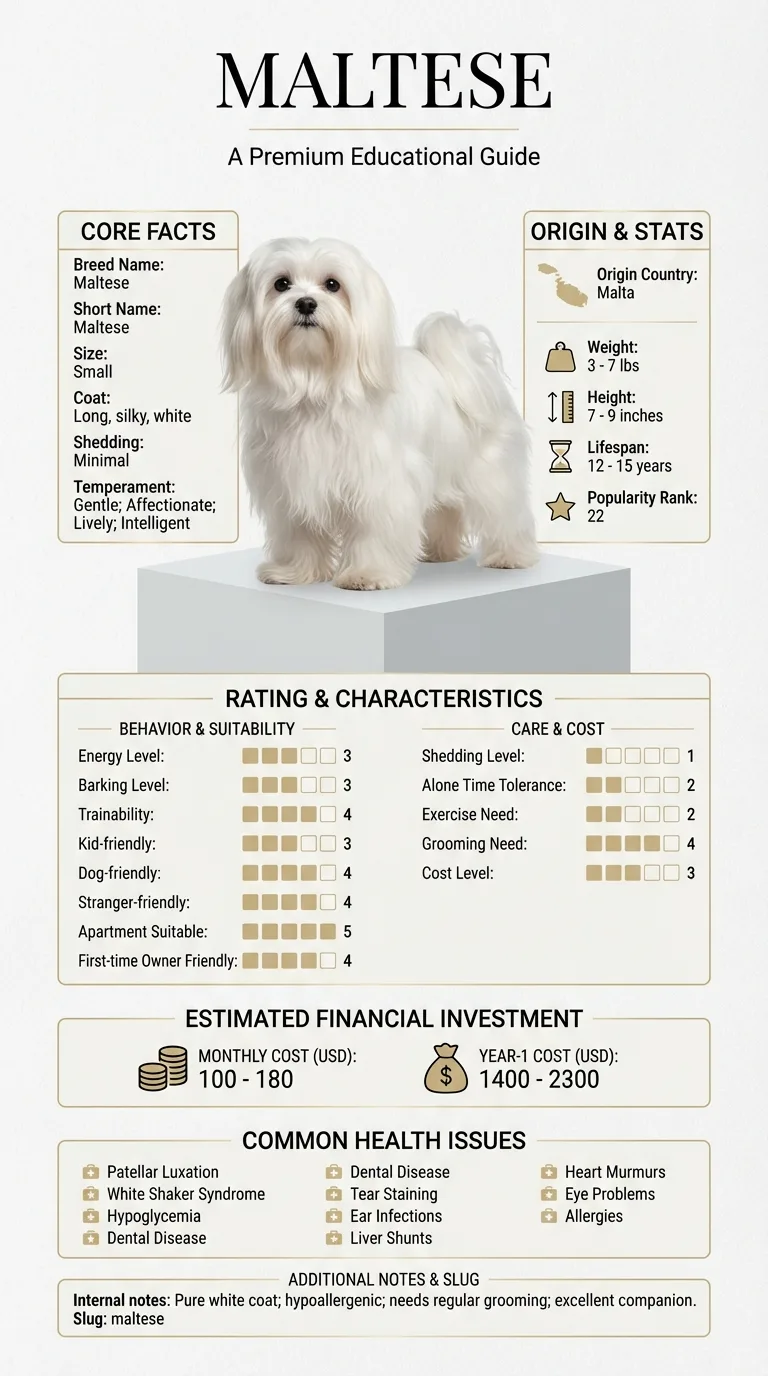
Maltese Liver Shunts: Understanding and Managing the Problem infographic

Typically, first-time Maltese owners and families may struggle with this issue. They might feel overwhelmed by the health challenges their pets face, especially if they are not prepared for the potential costs and care involved.

Important reminder

This guide is not medical advice. If your dog shows pain, sudden behavior change, or worsening symptoms, consult a licensed veterinarian.

Some links may be affiliate links. We may earn a commission at no extra cost to you. We only suggest products we believe are helpful for dog owners.

What this problem looks like

Maltese liver shunts are serious health issues that affect the liver's ability to filter toxins. Day-to-day, you might notice symptoms like lethargy, poor appetite, vomiting, or confusion. These signs can vary but are often triggered by stress, dietary changes, or lack of regular vet check-ups.

Common triggers

  • Dietary changes or poor nutrition
  • Stressful environments
  • Genetic predisposition

Liver shunts are relatively common in Maltese dogs, especially if there is a family history of the condition. This breed is prone to several health issues, making regular veterinary care essential.

Why this happens

Breed factors

Maltese dogs are genetically predisposed to liver shunts, which are abnormal blood vessels that bypass the liver. This breed's small size and unique physiology can make them more susceptible to this condition. Their delicate liver structure may not develop properly, leading to potential health issues.

Environment factors

Certain environmental factors can also contribute to liver shunts in Maltese dogs. Poor diet, lack of proper nutrition, and exposure to toxins can increase the risk. Stress and inadequate veterinary care during their early growth stages may also exacerbate the problem.

What you can try

At-home strategies

  • Feed your Maltese a balanced diet formulated for small breeds. High-quality dog food can support liver health.
  • Monitor your dog's behavior for signs of illness, such as vomiting, lethargy, or changes in appetite. Early detection can lead to better outcomes.
  • Limit stress by creating a calm home environment. A quiet space with familiar toys can help your Maltese feel secure.

When to consider a trainer

If your Maltese shows signs of anxiety or fear related to their condition, consider consulting a professional dog trainer. They can help with behavior modification techniques that reduce stress and improve your dog's overall well-being.

When to talk to your vet

If you notice any symptoms like jaundice, seizures, or persistent vomiting, contact your vet immediately. Regular veterinary check-ups are crucial for monitoring liver health and addressing any emerging issues.

Realistic expectations

Addressing Maltese liver shunts typically requires a commitment of several weeks to months. This includes consultation with a veterinarian, potential surgery, and ongoing management.

Success looks like the dog showing improved health, increased energy, and a better appetite. Regular check-ups will help ensure that the condition is under control and that the dog can enjoy a good quality of life.

Mistakes that make this worse

Avoiding these common mistakes can help manage Maltese liver shunts more effectively.

  • Ignoring Symptoms: Many owners overlook early signs of liver shunts, such as lethargy or poor appetite. Instead, keep a close watch on your Maltese and consult your vet if you notice any unusual behavior.
  • Inconsistent Feeding: Feeding your Maltese at irregular times can lead to stress and worsen their condition. Establish a consistent feeding schedule to help regulate their digestive health.
  • Skipping Vet Appointments: Some owners delay vet visits thinking it’s not urgent. Regular check-ups are crucial for monitoring liver health and making timely interventions.
  • Overlooking Diet: A poor diet can exacerbate liver issues. Invest in high-quality dog food recommended for liver health and avoid fatty treats.
  • Neglecting Mental Stimulation: Maltese dogs can become anxious if not mentally engaged. Incorporate puzzle toys or training sessions to keep their minds active and help reduce stress.
  • Using Punishment: Some owners mistakenly use punishment for unwanted behaviors. Positive reinforcement is far more effective and helps build a trusting relationship with your Maltese.
  • Ignoring Training: Owners may think training isn’t necessary. However, proper training can alleviate anxiety and improve behavior, making it easier to manage liver shunt symptoms.

When Maltese Liver Shunts Are an Emergency

Recognizing when Maltese liver shunts become an emergency is crucial for your pet’s health. Immediate veterinary attention is necessary if you notice severe symptoms such as vomiting, lethargy, seizures, or difficulty breathing. These signs indicate that the liver shunts are significantly affecting your dog's health and may require urgent treatment.

In contrast, if your Maltese shows mild symptoms like occasional vomiting, slight lethargy, or changes in appetite, this could be monitored at home. Establish a watch-and-wait plan with your vet, keeping track of any changes in behavior or health. Make sure to schedule a follow-up appointment to reassess your dog’s condition and discuss any necessary adjustments to their care routine.

It's important to stay vigilant about your Maltese's health. Regular check-ups and being aware of potential symptoms can help you catch any issues early. If you’re ever uncertain, it’s always best to err on the side of caution and consult your veterinarian.

Maltese Liver Shunts: Understanding and Managing the Problem - When Maltese Liver Shunts Are an Emergency

A Journey with Charlie: Overcoming Liver Shunts

Megan, a first-time Maltese owner, noticed that her puppy, Charlie, was lethargic and had a poor appetite. After a vet appointment, she learned that Charlie had liver shunts, a serious condition. Initially overwhelmed, Megan followed her vet's advice, which included a special diet and eventual surgery. After the operation, Charlie gradually regained his energy and was back to his playful self within a few months. Megan felt relieved and learned the importance of regular vet check-ups and being proactive about health issues.

Key takeaway: Being informed and working closely with a veterinarian can significantly improve your dog's health and well-being.

Frequently asked questions

Why does my Maltese have liver shunts?

Maltese liver shunts are often congenital, meaning they can be present at birth. These abnormal blood vessels bypass the liver, preventing proper detoxification of the blood. If your Maltese shows symptoms like vomiting, poor growth, or seizures, consult a vet for a diagnosis.

How to stop Maltese liver shunts?

Unfortunately, you can't stop liver shunts from occurring, but you can manage their effects. A low-protein diet may help reduce symptoms. Surgical intervention can correct the abnormal blood flow, so consult your vet to discuss the best options.

What are the symptoms of liver shunts in Maltese dogs?

Symptoms of Maltese liver shunts can include lethargy, vomiting, and poor appetite. Neurological signs like disorientation or seizures may also occur. Regular vet check-ups are crucial for early detection and management.

Can Maltese liver shunts be treated?

Yes, there are treatment options available for Maltese liver shunts. Surgical procedures can correct the condition, allowing normal blood flow through the liver. Your vet will guide you through the best course of action.

How does diet affect Maltese liver shunts?

Diet plays a significant role in managing Maltese liver shunts. A low-protein diet can help minimize symptoms and reduce the workload on the liver. Discuss dietary plans with your veterinarian to ensure your dog gets the right nutrients.

What causes liver shunts in Maltese dogs?

Liver shunts in Maltese dogs are often caused by abnormal blood vessels that bypass the liver. This can be due to genetics, development issues, or congenital defects. Understanding the cause is vital for effective treatment and management.

How can I tell if my Maltese has a liver shunt?

Signs that your Maltese may have a liver shunt include poor growth, vomiting, seizures, and lethargy. Regular vet check-ups are crucial to catch these symptoms early. If you notice any unusual behavior, consult your vet immediately.

Are liver shunts more common in certain ages of Maltese dogs?

Yes, liver shunts are often diagnosed in young Maltese dogs, typically under one year old. However, they can also develop in older dogs due to other health issues. Regular vet visits can help monitor your dog's health at any age.

What is the treatment for liver shunts in Maltese dogs?

Treatment for liver shunts often involves surgery to correct the blood flow. In some cases, medication may help manage symptoms. Your veterinarian will provide the best course of action based on your dog's specific condition.

How can I help manage my Maltese's liver shunt condition at home?

Managing a Maltese with liver shunts involves following a special diet recommended by your vet and monitoring for any changes in behavior. Regular exercise and mental stimulation can also help your dog thrive. Always keep in touch with your vet for guidance.

Quick answers

View more answers
Behavior

What are quick tips for managing Maltese liver shunts?

Monitor your Maltese for signs of distress and keep vet appointments regular. A low-protein diet can help manage symptoms. Surgical options are also available and should be discussed with your vet.

Costs

How much does it cost to treat Maltese liver shunts?

Costs can vary widely, but initial diagnosis and treatment may range from $1,000 to $4,000, depending on the severity and treatment options.

Living

Is a Maltese with liver shunts safe to adopt?

Adopting a Maltese with liver shunts can be rewarding but requires commitment to their care. Be prepared for potential medical costs and regular vet visits.

Behavior

Can liver shunts cause anxiety in Maltese?

Yes, health issues like liver shunts can lead to anxiety in Maltese. Regular monitoring and a stable environment can help alleviate stress.

Related DogBreedCompass guides

  • Maltese liver shunts trainingUnderstanding how liver shunts affect Maltese dogs can help you manage their health better.
  • Maltese behavior problemsIf you're facing behavioral issues, this guide offers solutions to help your Maltese.
  • Maltese cost breakdownLearn about the costs associated with owning a Maltese, including healthcare for conditions like liver shunts.
  • Maltese separation anxiety guideExplore our guide to Maltese separation anxiety to understand how it might relate to health issues.
  • Common health issues in MalteseDiscover common health issues that Maltese dogs face and how to address them effectively.

Related guides