Health
Is this a documented issue in the breed?
No, but it's occasionally linked to hypothyroidism, which is documented here, making it worth understanding.

Quick answer
Is this a documented issue in the breed?
No, but it's occasionally linked to hypothyroidism, which is documented here, making it worth understanding.
Food coming back up right after eating, undigested and without the heaving effort of vomiting, is a different problem with a different cause than a normal upset stomach.
This is relevant to owners who've noticed a pattern of what looks like frequent vomiting that doesn't fit the usual picture, particularly happening soon after meals and without the typical abdominal heaving of true vomiting.
This guide is not medical advice. If your dog shows pain, sudden behavior change, or worsening symptoms, consult a licensed veterinarian.
Some links may be affiliate links. We may earn a commission at no extra cost to you. We only suggest products we believe are helpful for dog owners.
Check this first
A persistent cough, fever, or labored breathing following episodes of regurgitation can indicate aspiration pneumonia, a serious complication requiring prompt veterinary treatment. Difficulty breathing, blue or gray gums, or a dog that seems to be choking are emergencies requiring immediate care.
Occasional, isolated regurgitation without other symptoms is worth mentioning at a routine vet visit rather than treating as an emergency, but a repeated pattern, especially combined with weight loss or any breathing changes, deserves a prompt, non-emergency workup rather than being dismissed as ordinary stomach upset.
If any of these apply, call your vet or an emergency clinic now. The rest of this page is for the cases that are not an emergency.
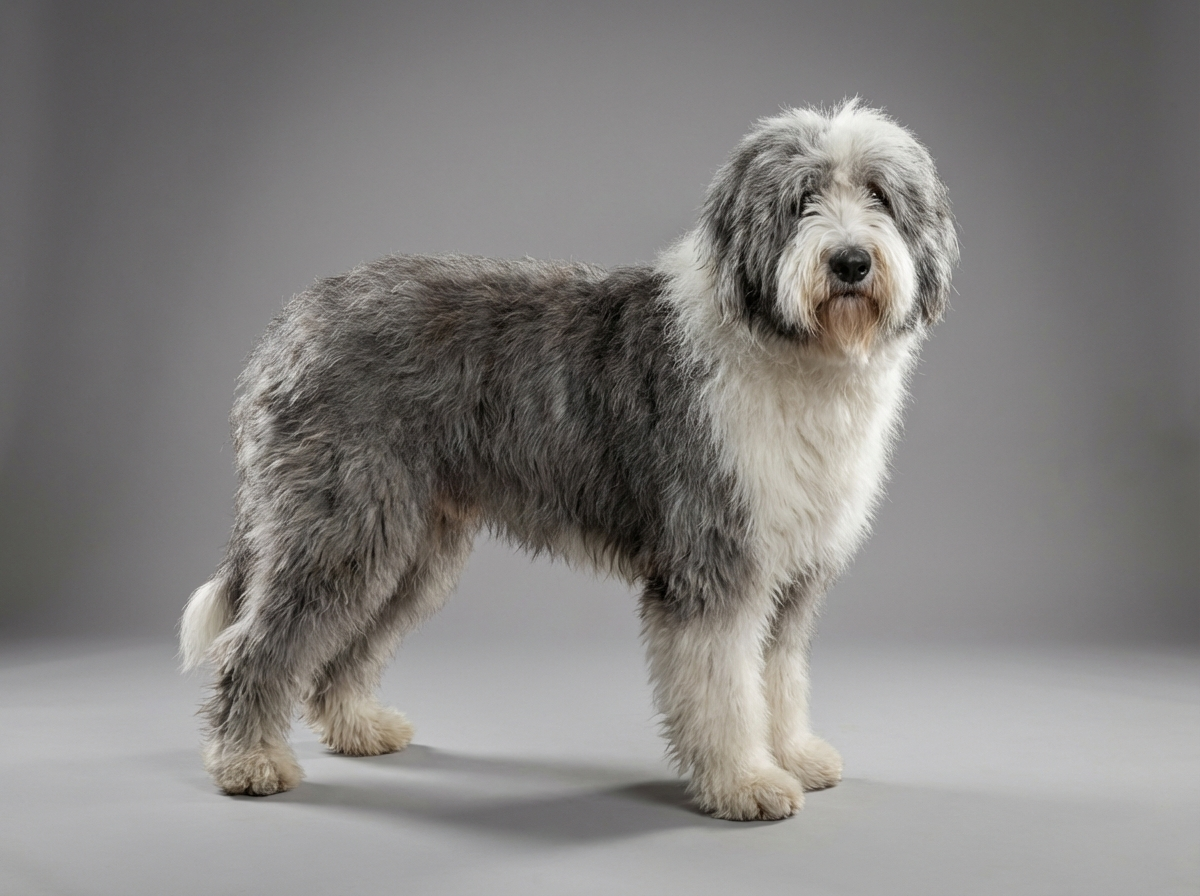
Esophageal disease, most notably megaesophagus, is not a documented common health issue in Old English Sheepdogs. It's relevant here because acquired megaesophagus in adult dogs is occasionally linked to hypothyroidism, a genuinely documented issue in this breed, and because it's frequently confused with ordinary vomiting.
Not documented as an elevated risk in this breed. It's discussed here mainly due to its occasional connection to hypothyroidism, a genuinely common and documented condition in this breed's adult and senior years.
There's no documented breed-specific predisposition to esophageal disease in Old English Sheepdogs. What is relevant is this breed's documented hypothyroidism risk, since untreated hypothyroidism has been associated in some adult dogs with acquired megaesophagus, a loss of normal esophageal muscle tone and motility.
Feeding practices, such as posture during and after eating, influence how much regurgitation and aspiration risk a dog with esophageal disease actually experiences, making environmental management a meaningful part of care once a diagnosis is made.
Talk to your vet about a repeated pattern of regurgitation, especially combined with weight loss. Seek prompt or emergency care for a persistent cough, fever, labored breathing, or any sign of aspiration following regurgitation episodes.
Because the two look similar to an untrained eye, treating one as the other delays getting to the actual cause.
See all OLD English Sheepdog health problems, which breeds are prone to esophageal disease, or the full OLD English Sheepdog breed guide for temperament, exercise needs and ownership costs.
Diagnostic imaging and bloodwork typically provide a clearer picture within a single vet visit. If hypothyroidism is identified as a contributing cause, esophageal symptoms may improve over weeks to months of thyroid treatment; other cases require ongoing feeding management.
Success looks like correctly identifying regurgitation, ruling in or out an underlying cause like hypothyroidism, and establishing a feeding routine that minimizes symptoms and aspiration risk.
If you think your Old has esophageal disease, the plan is three steps: write down what you have seen and when it started, book a veterinary appointment rather than waiting for the next flare, and take video of the behaviour or symptom before you go — the thing you are worried about rarely happens in the consulting room. Screening in the parents covers hip dysplasia, cataracts, hypothyroidism.
What the vet visit should produce is a diagnosis and a written plan, not just reassurance: what is being ruled out, what the monitoring interval is, and which signs mean you come back sooner. Ask what the treatment costs across a year rather than per visit, because that is the number that decides whether you are managing this condition or reacting to it.
Between appointments, keep a short log — dates, what you saw, what changed. It is the single most useful thing an owner brings to a follow-up, and for esophageal disease it is often what separates a clear pattern from a guess.
Basil, a seven-year-old Old English Sheepdog, had been regurgitating undigested food shortly after meals for a few weeks, which his owner described to the vet as vomiting. On closer questioning about the passive nature of the episodes, the vet suspected regurgitation rather than true vomiting and ordered imaging alongside a thyroid panel, given the breed's documented hypothyroidism risk. The panel confirmed an underactive thyroid, and Basil's esophageal motility improved gradually over the following months once thyroid treatment was underway, combined with smaller, upright-fed meals in the meantime.
Key takeaway: Getting the terminology right, regurgitation versus vomiting, changes what a vet investigates. In this breed, checking the thyroid is a genuinely useful step in that investigation.
No, it isn't among this breed's documented common health issues. It's discussed here mainly because acquired megaesophagus in adult dogs can occasionally be linked to hypothyroidism, which is documented in this breed.
Regurgitation is passive, food or water comes back up with little to no effort, often soon after eating, sometimes appearing undigested. Vomiting involves active abdominal heaving and is a different physiological process with a different set of likely causes.
In some adult dogs, untreated hypothyroidism has been associated with acquired megaesophagus, a condition where the esophagus loses normal muscle tone and motility, though this isn't the only possible cause and requires proper diagnosis to confirm.
Typically through X-rays, sometimes with a contrast material to visualize the esophagus, along with bloodwork that can include thyroid testing given this breed's documented risk.
Often feeding in an upright position and using smaller, more frequent meals to reduce regurgitation and aspiration risk, alongside treating any underlying cause identified, such as hypothyroidism if that's what's found.
This depends on the underlying cause. If an underlying condition like hypothyroidism is identified and treated, esophageal function can sometimes improve; other cases are managed long-term through feeding adjustments rather than cured outright.
Yes, regurgitated material entering the airway can lead to aspiration pneumonia, which is why a persistent cough or breathing changes alongside regurgitation should be evaluated promptly.
No, but it's occasionally linked to hypothyroidism, which is documented here, making it worth understanding.
Regurgitation is passive, with little effort, often soon after eating; vomiting involves active abdominal heaving.
Thyroid testing, given this breed's documented hypothyroidism risk and its occasional link to this condition.
Aspiration pneumonia, indicated by a persistent cough, fever, or labored breathing after regurgitation episodes.
Yes, upright feeding and smaller, more frequent meals can help reduce regurgitation and aspiration risk.
A one-page prep sheet for this condition: the signs, the questions to ask, what to get priced. Unlocks here.
You get: Vet visit prep sheet
No spam. One-click unsubscribe. See our privacy policy.
Preview page 1 before you decide.