Behavior
What are Yorkshire Terrier esophageal disease quick tips?
Feed small, frequent meals and avoid hard-to-swallow foods. Monitor your Yorkie's weight and stay in touch with your vet for necessary health checks.

Quick answer
What are Yorkshire Terrier esophageal disease quick tips?
Feed small, frequent meals and avoid hard-to-swallow foods. Monitor your Yorkie's weight and stay in touch with your vet for necessary health checks.
Esophageal disease in Yorkshire Terriers can be a serious concern for dog owners. This condition affects their ability to swallow and can lead to complications.
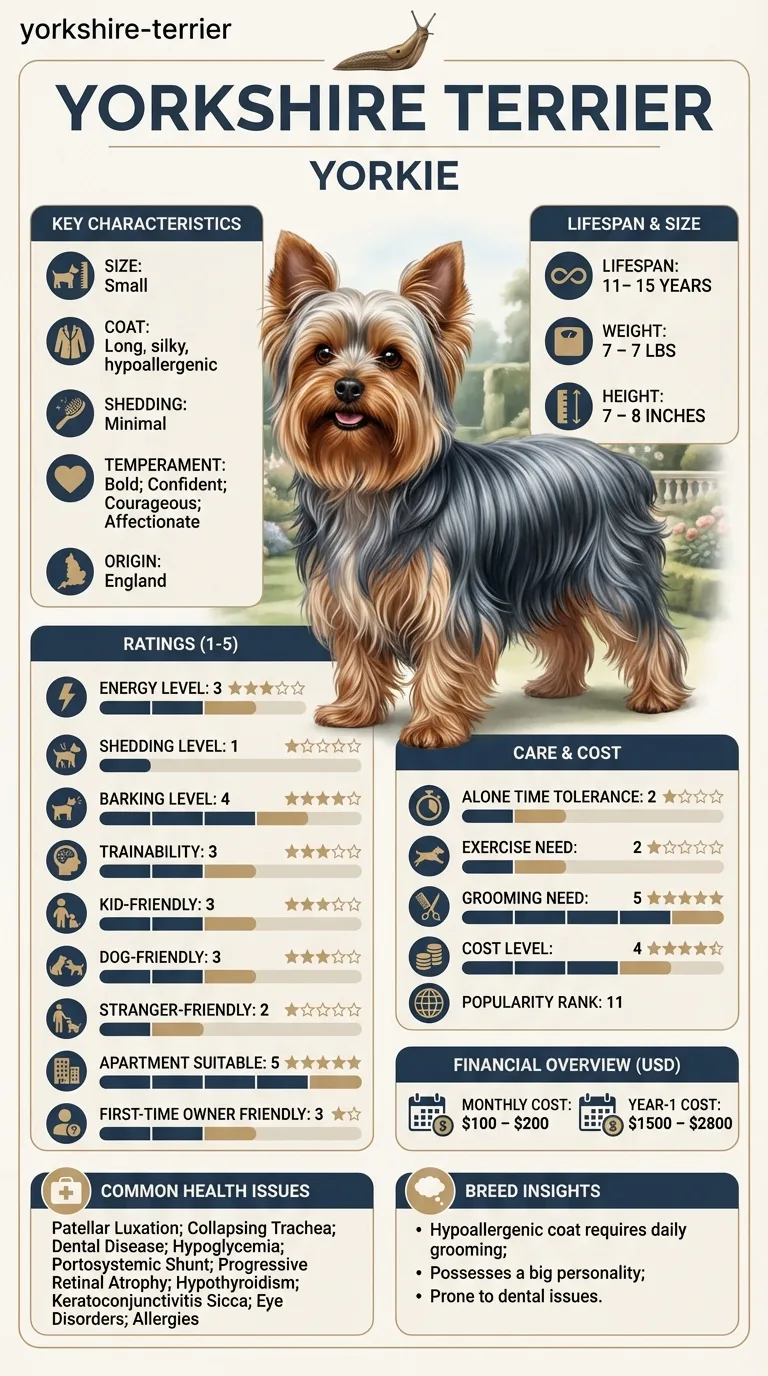
Owners of Yorkshire Terriers, especially those who notice their dogs struggling to eat or frequently regurgitating food, often find themselves searching for answers. Additionally, first-time dog owners may feel overwhelmed by the health issues that can affect this breed.
This guide is not medical advice. If your dog shows pain, sudden behavior change, or worsening symptoms, consult a licensed veterinarian.
Some links may be affiliate links. We may earn a commission at no extra cost to you. We only suggest products we believe are helpful for dog owners.
We research and check what we publish, but we do not warrant that any figure, date, price, or statement is accurate, complete, or current, and we accept no liability for any loss, cost, injury, or other harm arising from the use of this site. Use it as one reference among several. You remain responsible for your own decisions and for your dog's care - confirm anything that matters with a licensed veterinarian or another qualified professional before you act on it. Full disclaimer.
Check this first
Identifying when your Yorkshire Terrier is experiencing an esophageal disease emergency can be crucial for their health. Look for red flags that indicate immediate veterinary attention is needed. These signs include persistent vomiting, drooling excessively, difficulty breathing, or if your dog shows signs of distress, like pacing or whining.
If your Yorkie refuses to eat or drink for more than 24 hours, it's also a serious concern.
If any of these apply, call your vet or an emergency clinic now. The rest of this page is for the cases that are not an emergency.
Yorkshire Terrier esophageal disease can be a challenging issue for both the dog and owner. This condition often manifests as difficulty swallowing, regurgitation, or even coughing after eating. If your Yorkie seems to struggle with meals or frequently brings up food, it may be experiencing esophageal disease.
Esophageal disease occurs in Yorkshire Terriers more frequently than in many other breeds, with an estimated 265% higher risk. This makes it a common concern for Yorkie owners, especially as their dogs age or if they have previous health issues.
Yorkshire Terriers, like many small breeds, can be predisposed to esophageal disease due to their anatomy. Their small size can cause issues with the esophagus, leading to problems like swallowing difficulties and regurgitation. Additionally, their bold and confident nature may make them prone to eating too quickly, which can exacerbate these issues.
Environmental factors can also contribute to esophageal disease in Yorkies. Stressful situations, such as changes in routine or living conditions, can affect their digestive health. Moreover, if they are fed inappropriate food or given treats that are too large, it can lead to swallowing problems.
If your Yorkshire Terrier shows signs of severe regurgitation, difficulty swallowing, or has lost weight, it’s important to talk to your vet. They can assess the situation and may recommend further diagnostics or interventions to address the esophageal disease effectively.
Avoiding certain behaviors can significantly improve your Yorkshire Terrier's esophageal disease. Here are common mistakes to steer clear of, along with better alternatives.
Start here: Yorkshire Terrier Most Common Genetic Disorders: Screening
See all Yorkshire Terrier health problems, which breeds are prone to esophageal disease, or the full Yorkshire Terrier breed guide for temperament, exercise needs and ownership costs.
It may take several weeks to months to see significant improvement in your Yorkshire Terrier's condition through diet and careary changes.
Success would mean your Yorkie can eat and drink comfortably without discomfort. You'll notice less coughing and vomiting, leading to a happier, healthier dog.
In less severe instances, you might see occasional gagging or coughing without other alarming symptoms. If your Yorkshire Terrier is eating and drinking normally but has slight discomfort, you can monitor them closely. Keeping a journal of their behavior can help you track any changes, and if their condition worsens, you can act swiftly.

Maggie, a busy nurse from Atlanta, noticed her Yorkshire Terrier, Bella, was coughing and sometimes regurgitating her food. After a vet visit, Maggie learned Bella had esophageal disease, which is common in small breeds like Yorkies. Determined to help her furry friend, Maggie researched how to stop Yorkshire Terrier esophageal disease and found a tailored feeding plan that included smaller, softer meals. With patience and consistency, Bella began to improve, and Maggie felt relief seeing her happy and energetic again.
Key takeaway: With the right dietary changes and training, you can effectively manage Yorkshire Terrier esophageal disease, leading to a better quality of life for your pet.
Yorkshire Terriers may develop esophageal disease due to various factors such as genetics, age, or underlying health issues. Common signs include difficulty swallowing, regurgitation, and weight loss. It's important to consult your vet for a proper diagnosis and treatment.
To help manage Yorkshire Terrier esophageal disease, focus on feeding smaller, more frequent meals. Avoid foods that are hard to swallow, and ensure your dog is calm during feeding times. Regular check-ups with your vet can also help monitor your dog's condition.
Yes, some Yorkshire Terriers may be predisposed to esophageal disease due to genetic factors. If your dog has a family history of this condition, it's crucial to stay vigilant and discuss any concerns with your vet. Early intervention can make a significant difference.
Training can help by teaching your Yorkie to eat more slowly and calmly. Use positive reinforcement techniques to encourage good eating habits, which can reduce the risk of symptoms. Consistency is key to successfully modifying their behavior.
Treatment options may include dietary changes, medication, or in severe cases, surgery. Your vet will recommend the best approach based on your dog's specific condition. Always follow their guidance for the best outcomes.
Signs of esophageal disease in Yorkshire Terriers can include difficulty swallowing, regurgitation, and excessive drooling. If your Yorkie seems to be uncomfortable while eating or drinking, it’s essential to consult a vet.
Yes, older Yorkshire Terriers can develop esophageal disease due to various factors, including weakened muscles and other age-related health issues. Regular vet check-ups become increasingly important as your dog ages.
To support a Yorkshire Terrier with esophageal disease, you can modify their diet to softer foods and elevate their food bowl. Always consult your vet for tailored recommendations and treatment options.
While there is no direct evidence that esophageal disease is hereditary, Yorkshire Terriers are prone to various genetic health issues. Responsible breeding practices can help reduce the risk of passing on health problems.
If your Yorkshire Terrier shows persistent signs of discomfort while eating, such as gagging or excessive coughing, it's time to visit the vet. Early intervention can help manage the condition effectively.
Feed small, frequent meals and avoid hard-to-swallow foods. Monitor your Yorkie's weight and stay in touch with your vet for necessary health checks.
While you can't prevent all cases, maintaining a healthy diet and regular vet visits can help reduce the risk of esophageal issues.
Expect potential increased vet visits and special dietary needs, which can raise your monthly costs to between $100 and $200.
Focus on slow feeding techniques and calming exercises to reduce anxiety during meals. Positive reinforcement is helpful in establishing better eating habits.
If your dog shows signs of esophageal disease, contact your vet immediately for a thorough examination and treatment plan.
A one-page prep sheet for this condition: the signs, the questions to ask, what to get priced. Unlocks here.
You get: Vet visit prep sheet
No spam. One-click unsubscribe. See our privacy policy.
See a sample page before you decide.
Early access list
The free prep sheet covers the same-day warning signs, a symptom log and the questions to ask. We are considering a fuller kit that adds a cost worksheet for the usual tests and treatments (US price ranges with their sources) and a plain-English guide to ways of covering the bill. It is not built yet; this list tells us whether it is worth building.
One email, no spam, unsubscribe anytime. Information only, not veterinary advice.