Behavior
How to stop Schnauzer (Standard) esophageal disease?
Addressing dietary issues and feeding habits can help manage esophageal disease. Regular vet visits are crucial for monitoring and treatment.

Quick answer
How to stop Schnauzer (Standard) esophageal disease?
Addressing dietary issues and feeding habits can help manage esophageal disease. Regular vet visits are crucial for monitoring and treatment.
Schnauzer (Standard) esophageal disease can be a serious issue that affects your dog's health and quality of life.
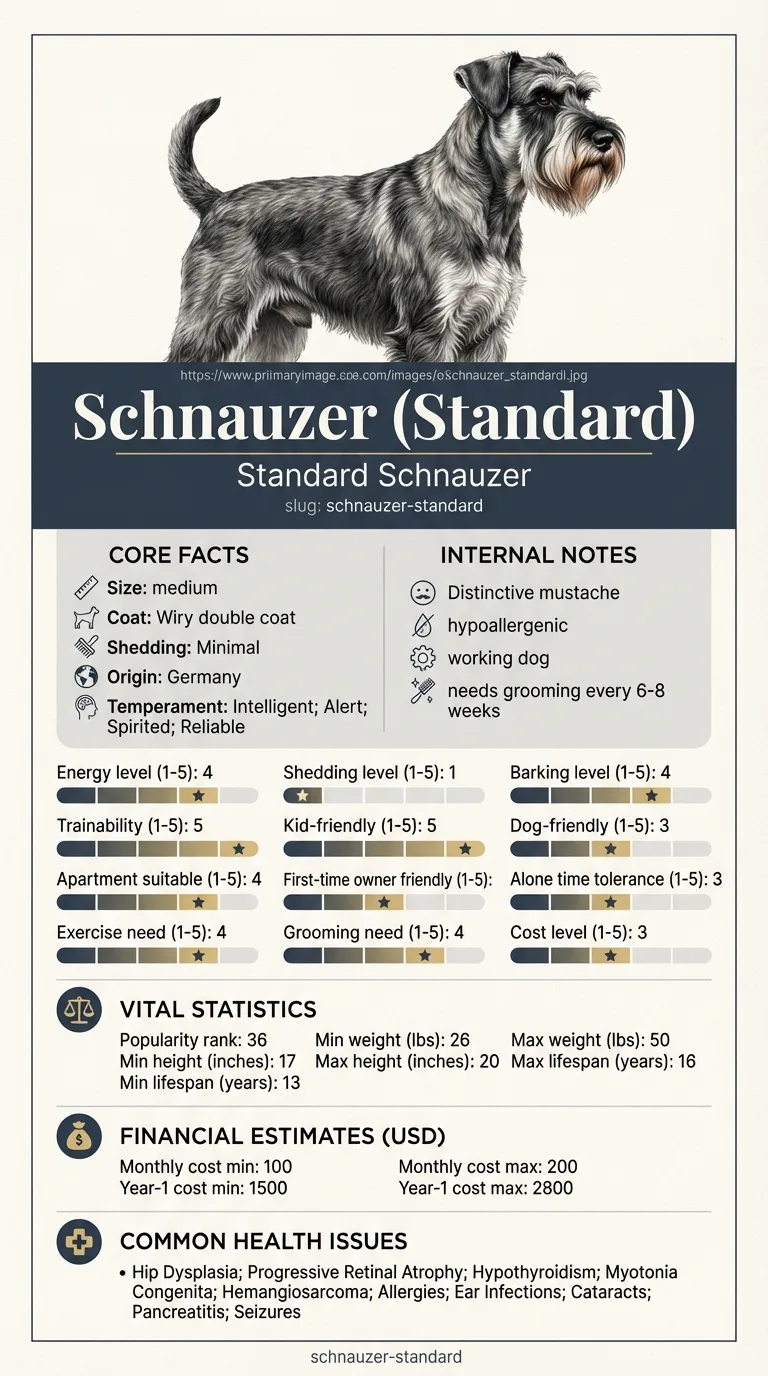
Owners of Schnauzers (Standard) often face this challenge, especially those who notice signs of swallowing difficulties or regurgitation. This issue can be particularly concerning for first-time dog owners or families with busy schedules who may miss early warning signs.
This guide is not medical advice. If your dog shows pain, sudden behavior change, or worsening symptoms, consult a licensed veterinarian.
Some links may be affiliate links. We may earn a commission at no extra cost to you. We only suggest products we believe are helpful for dog owners.
We research and check what we publish, but we do not warrant that any figure, date, price, or statement is accurate, complete, or current, and we accept no liability for any loss, cost, injury, or other harm arising from the use of this site. Use it as one reference among several. You remain responsible for your own decisions and for your dog's care - confirm anything that matters with a licensed veterinarian or another qualified professional before you act on it. Full disclaimer.
Check this first
Schnauzer (Standard) esophageal disease can be serious, and recognizing when it's an emergency is crucial. If you notice any of the following red-flag signs, call your vet immediately. These include persistent vomiting, extreme difficulty swallowing, or signs of pain while eating. Additionally, if your dog shows signs of dehydration or lethargy, it's time to seek help.
On the other hand, there are milder cases that you can monitor. If your Schnauzer experiences occasional regurgitation without other concerning symptoms, keep a close eye. Changes in diet or smaller meals may help manage mild cases. However, always have a plan to consult your vet if the symptoms worsen or do not improve.
It's essential to distinguish between urgent situations and those that can be managed at home. Regular check-ins with your veterinarian can help in creating a tailored approach for your Schnauzer's health.
If any of these apply, call your vet or an emergency clinic now. The rest of this page is for the cases that are not an emergency.
Schnauzer (Standard) esophageal disease can lead to significant challenges in daily life. This condition affects the dog's ability to swallow, causing discomfort and potential health issues. Owners may notice their Schnauzer struggling to eat, coughing, or regurgitating food, which can be distressing for both the pet and the owner.
Esophageal disease is notably prevalent in Schnauzer (Standard) breeds, with a risk increase of 265% compared to other breeds. Many owners report encountering this issue, making it important to recognize and address early signs.
Schnauzers (Standard) may have a genetic predisposition to esophageal disease. This breed can experience issues related to their unique throat structure, which can lead to problems with swallowing and digestion. Additionally, their energetic nature may contribute to stress-related eating habits that can impact their esophagus.
Environmental factors can also play a role in esophageal disease. For example, if your Schnauzer is fed dry food without enough moisture, it may struggle to swallow properly. Stressful living situations, like frequent changes in routine or household dynamics, can further exacerbate these issues.
If your Schnauzer continues to have trouble swallowing or shows symptoms like vomiting, excessive drooling, or lethargy, consult your vet. They can provide a proper diagnosis and recommend treatment options to manage the esophageal disease.
Avoiding these common mistakes can help you better manage your Schnauzer's (Standard) esophageal disease. Here are some behaviors to watch out for.
Start here: Standard Schnauzer Most Common Genetic Disorders: Screening
See all Schnauzer Standard health problems, which breeds are prone to esophageal disease, or the full Schnauzer Standard breed guide for temperament, exercise needs and ownership costs.
You should start seeing improvements within 1-3 months of implementing changes.
Success means your Schnauzer (Standard) can eat comfortably, has regular bowel movements, and shows increased energy levels.
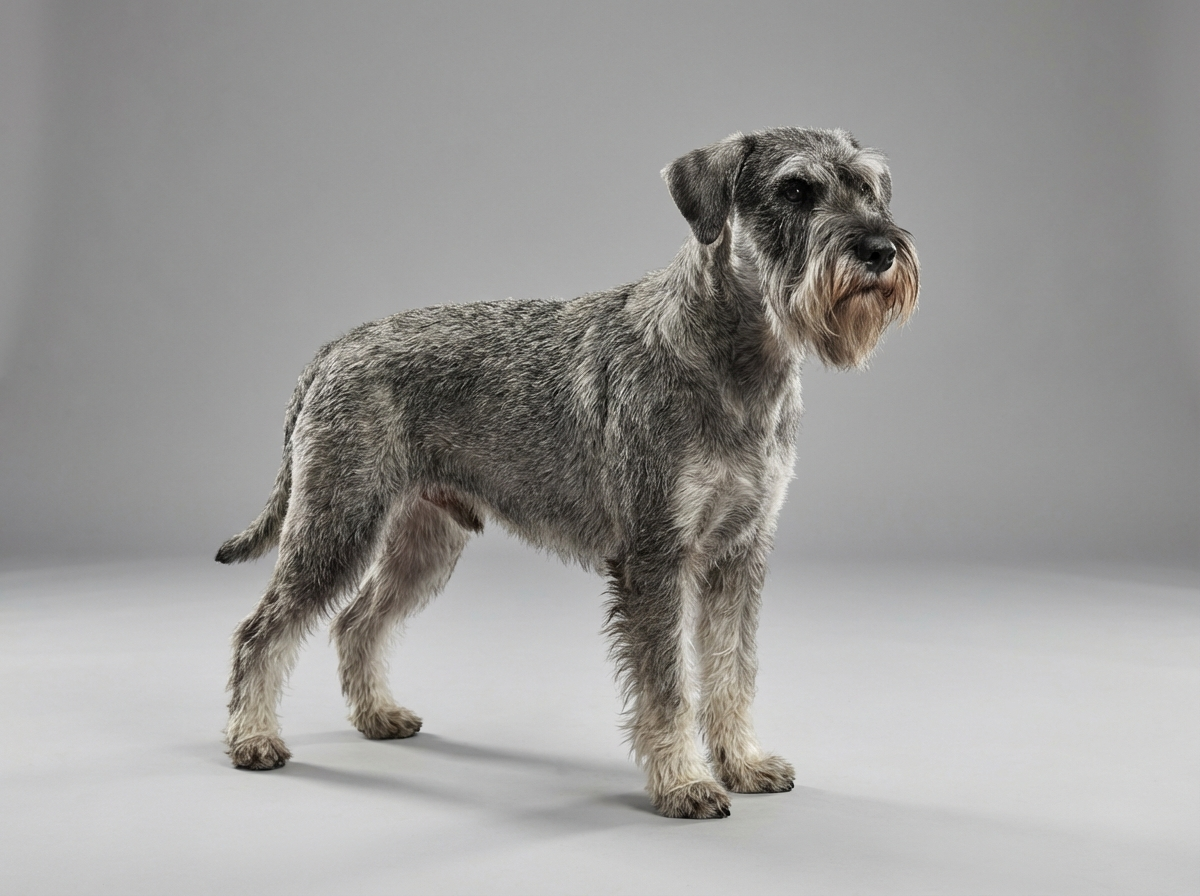
Lisa, a dog mom in Texas, noticed her Standard Schnauzer, Max, was often gagging and had difficulty eating. After a vet visit, she learned that Max had esophageal disease. Following a tailored diet plan and training techniques focused on feeding, Lisa patiently helped Max adjust. Over a few months, Max's eating improved, and he became much more energetic and playful. Lisa’s persistence paid off, and she was thrilled to see her furry friend thriving again.
Key takeaway: With patience and the right approach, you can effectively manage Schnauzer (Standard) esophageal disease and enhance your dog's quality of life.
Esophageal disease in Schnauzers (Standard) can arise from various factors, including genetic predispositions and dietary choices. It's crucial to consult your vet for a proper diagnosis and to understand the underlying causes specific to your dog.
To manage esophageal disease, consider feeding smaller, more frequent meals and using elevated feeding dishes. Also, monitor your dog's eating habits and any signs of discomfort, and report these to your vet.
Common symptoms include coughing, gagging, regurgitation, and difficulty swallowing. If you notice these signs, it's essential to seek veterinary advice promptly to prevent further complications.
While training can't cure esophageal disease, it can help your dog stay calm during feeding times. Training techniques like positive reinforcement can create a more relaxed eating environment.
Yes, a diet low in fat and high in digestible proteins is typically recommended. Always consult your vet to tailor a diet plan that best suits your Schnauzer's specific condition.
Early signs of Schnauzer (Standard) esophageal disease include difficulty swallowing, regurgitation of food, and excessive drooling. You might also notice your dog losing weight or being less enthusiastic about meals. If you observe these symptoms, consult your vet promptly.
Yes, older Schnauzers (Standard) can develop esophageal disease suddenly, often due to age-related changes. Conditions like weakened esophageal muscles or acquired strictures can occur, so it's essential to monitor their eating habits. If you notice sudden changes, a vet check-up is crucial.
Diet plays a significant role in managing Schnauzer (Standard) esophageal disease. Soft, easily digestible foods are often recommended to reduce discomfort. Always discuss dietary changes with your vet to ensure they meet your dog's specific needs.
Surgery may be necessary for some cases of Schnauzer (Standard) esophageal disease, particularly if there are strictures or severe blockages. Your vet will evaluate the best course of action based on your dog's condition and overall health.
If your Schnauzer (Standard) is diagnosed with esophageal disease, follow your vet's treatment plan closely. This may include dietary adjustments, medications, or in some cases, surgery. Regular follow-up visits will help monitor your dog’s progress and adjust treatment as needed.
Addressing dietary issues and feeding habits can help manage esophageal disease. Regular vet visits are crucial for monitoring and treatment.
Feed smaller meals, use elevated dishes, and monitor for symptoms like gagging or regurgitation. Consult your vet for tailored advice.
Costs can vary but may include regular vet visits, special diets, and medications. Expect to budget between $100 and $200 monthly for care.
A one-page prep sheet for this condition: the signs, the questions to ask, what to get priced. Unlocks here.
You get: Vet visit prep sheet
No spam. One-click unsubscribe. See our privacy policy.
Preview page 1 before you decide.