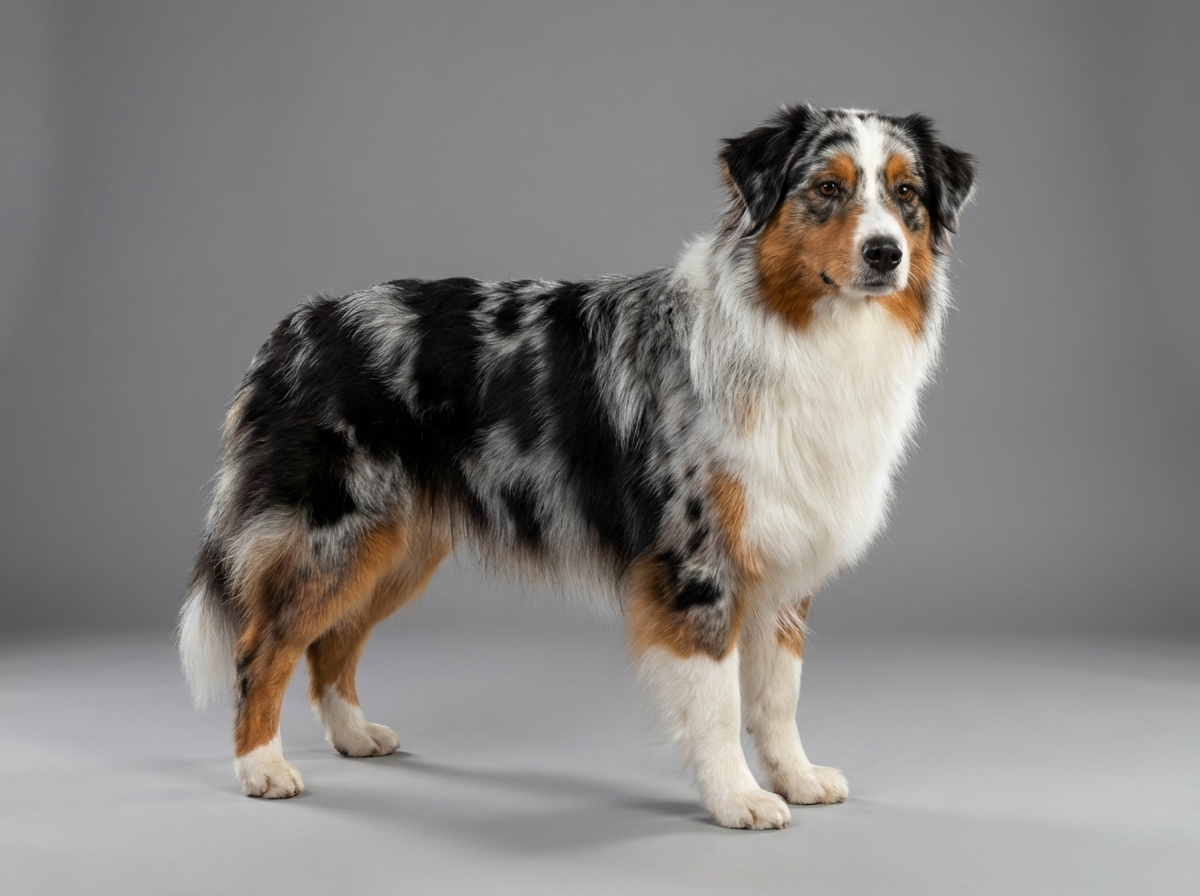
Health
What's the key difference between regurgitation and vomiting?
Regurgitation happens passively with no abdominal effort, while vomiting involves visible retching and abdominal heaving.

Quick answer
What's the key difference between regurgitation and vomiting?
Regurgitation happens passively with no abdominal effort, while vomiting involves visible retching and abdominal heaving.
Food or water coming back up shortly after eating, undigested and with no retching beforehand, is regurgitation, not vomiting, and it points toward the esophagus rather than the stomach.
Owners who assume any food coming back up is just an upset stomach are the ones most likely to delay diagnosis, since regurgitation looks superficially similar to vomiting but requires an entirely different diagnostic approach.
This guide is not medical advice. If your dog shows pain, sudden behavior change, or worsening symptoms, consult a licensed veterinarian.
Some links may be affiliate links. We may earn a commission at no extra cost to you. We only suggest products we believe are helpful for dog owners.
We research and check what we publish, but we do not warrant that any figure, date, price, or statement is accurate, complete, or current, and we accept no liability for any loss, cost, injury, or other harm arising from the use of this site. Use it as one reference among several. You remain responsible for your own decisions and for your dog's care - confirm anything that matters with a licensed veterinarian or another qualified professional before you act on it. Full disclaimer.
Esophageal disease covers several conditions affecting the tube carrying food to the stomach, and this breed carries a documented, meaningfully elevated risk compared to the general dog population. The main symptom, regurgitation, is often confused with vomiting, and the biggest secondary concern is aspiration pneumonia from regurgitated material entering the lungs.
Veterinary data places this breed's esophageal disease risk notably above the general dog population baseline, making it a condition worth watching for specifically in this breed rather than treating regurgitation as an incidental symptom.
This breed carries a documented, substantially elevated risk of esophageal disease compared to dogs generally, suggesting a genetic component to how the esophagus develops or functions, even though the specific mechanism isn't fully understood for every individual case.
Fast eating, eating large meals, or underlying acid reflux can all contribute to esophageal irritation and dysfunction over time, compounding whatever baseline risk a dog's genetics may already carry.
Talk to your vet about any regurgitation that happens more than once, especially if it's frequent or seems linked to every meal. Coughing, labored breathing, or fever after a regurgitation episode needs prompt evaluation for possible aspiration pneumonia.
See all Australian Shepherd health problems, which breeds are prone to esophageal disease, or the full Australian Shepherd breed guide for temperament, exercise needs and ownership costs.
Diagnosis typically takes one to two vet visits involving imaging. Management timelines vary by underlying cause, from a few weeks for reflux-related inflammation to lifelong management for structural conditions like megaesophagus.
Success means reduced regurgitation frequency and no aspiration complications, achieved through feeding adjustments and treating any identified underlying cause, rather than a guaranteed full resolution in every case.
This distinction genuinely changes what a vet looks for, so being able to describe which one you're seeing speeds up an accurate diagnosis.
Beyond the discomfort of chronic regurgitation, the bigger concern is aspiration pneumonia — regurgitated material accidentally entering the lungs instead of staying clear of the airway. This is a genuine risk with any esophageal disease that causes frequent regurgitation, and it can turn a manageable condition into a respiratory emergency.
Managing esophageal disease often involves practical feeding adjustments, like elevated feeding positions that use gravity to help move food down, alongside any underlying cause a vet identifies through imaging. Getting an accurate diagnosis matters because different underlying causes call for different management approaches.

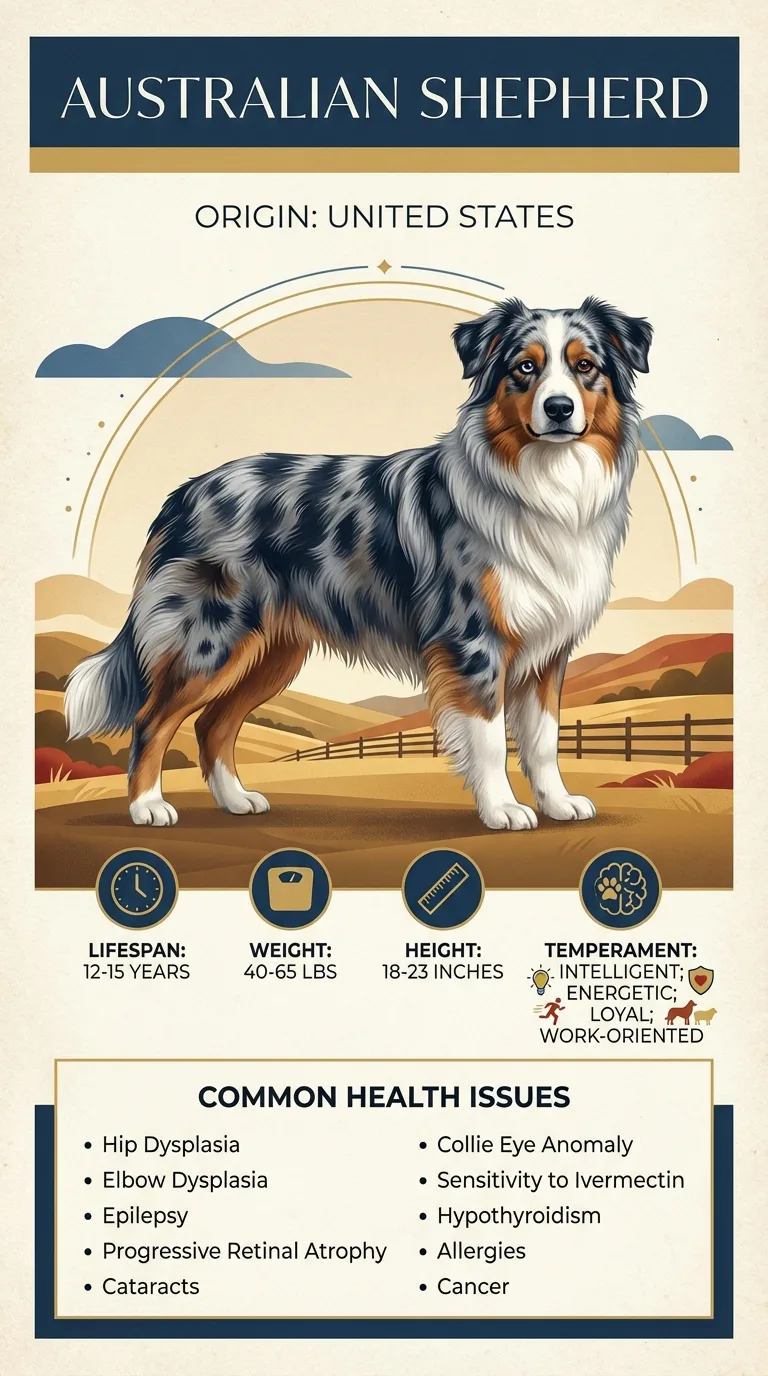
If you think your Aussie has esophageal disease, the plan is three steps: write down what you have seen and when it started, book a veterinary appointment rather than waiting for the next flare, and take video of the behaviour or symptom before you go — the thing you are worried about rarely happens in the consulting room. Screening in the parents covers hip dysplasia, elbow dysplasia, epilepsy.
What the vet visit should produce is a diagnosis and a written plan, not just reassurance: what is being ruled out, what the monitoring interval is, and which signs mean you come back sooner. Ask what the treatment costs across a year rather than per visit, because that is the number that decides whether you are managing this condition or reacting to it.
Between appointments, keep a short log — dates, what you saw, what changed. It is the single most useful thing an owner brings to a follow-up, and for esophageal disease it is often what separates a clear pattern from a guess.
Sable's owner, Nadia, initially assumed her dog had a sensitive stomach when undigested food kept coming back up shortly after meals with no retching beforehand. A vet visit and X-rays with contrast material revealed a mild esophageal motility issue rather than a stomach problem. Nadia switched to feeding Sable from an elevated stand and split meals into smaller portions. Sable's regurgitation episodes dropped significantly within a few weeks, and she's had no signs of aspiration since making the feeding changes.
Key takeaway: Correctly identifying regurgitation instead of assuming it's vomiting pointed the diagnosis toward the right organ system immediately, saving time that would have been spent investigating the stomach instead.
Veterinary data shows a meaningfully elevated risk in this breed compared to the general dog population, though the exact underlying mechanism for each individual case can vary.
Regurgitation happens passively with no abdominal effort or warning, and the material is usually undigested, while vomiting involves visible retching and often partially digested contents.
The main danger is aspiration pneumonia, where regurgitated material enters the lungs, so frequent regurgitation should be evaluated by a vet rather than managed at home alone.
Causes range from a dilated, poorly motile esophagus called megaesophagus to strictures, foreign objects, or inflammation, each requiring different diagnostic imaging to identify.
Yes, feeding from an elevated position using gravity to assist food moving into the stomach is a common practical management strategy for several esophageal conditions.
Diagnosis typically involves X-rays, sometimes with a contrast material to visualize the esophagus, or an endoscopy for a direct look at the esophageal lining.
Regurgitation happens passively with no abdominal effort, while vomiting involves visible retching and abdominal heaving.
It carries a risk of aspiration pneumonia if regurgitated material enters the lungs, making veterinary evaluation important.
Yes, feeding from an elevated position can help gravity assist food moving into the stomach for some esophageal conditions.
X-rays, sometimes with contrast material, or an endoscopy are the standard diagnostic tools.
Yes, especially if it happens more than once or twice, since ongoing regurgitation needs a proper diagnosis rather than home monitoring.
A one-page prep sheet for this condition: the signs, the questions to ask, what to get priced. Unlocks here.
You get: Vet visit prep sheet
No spam. One-click unsubscribe. See our privacy policy.
Preview page 1 before you decide.