Behavior
How can I prevent Labradoodle esophageal disease?
Prevent Labradoodle esophageal disease by feeding smaller meals, using elevated bowls, and monitoring their eating habits closely.

Quick answer
How can I prevent Labradoodle esophageal disease?
Prevent Labradoodle esophageal disease by feeding smaller meals, using elevated bowls, and monitoring their eating habits closely.
Labradoodle esophageal disease can cause serious health issues for your furry friend.
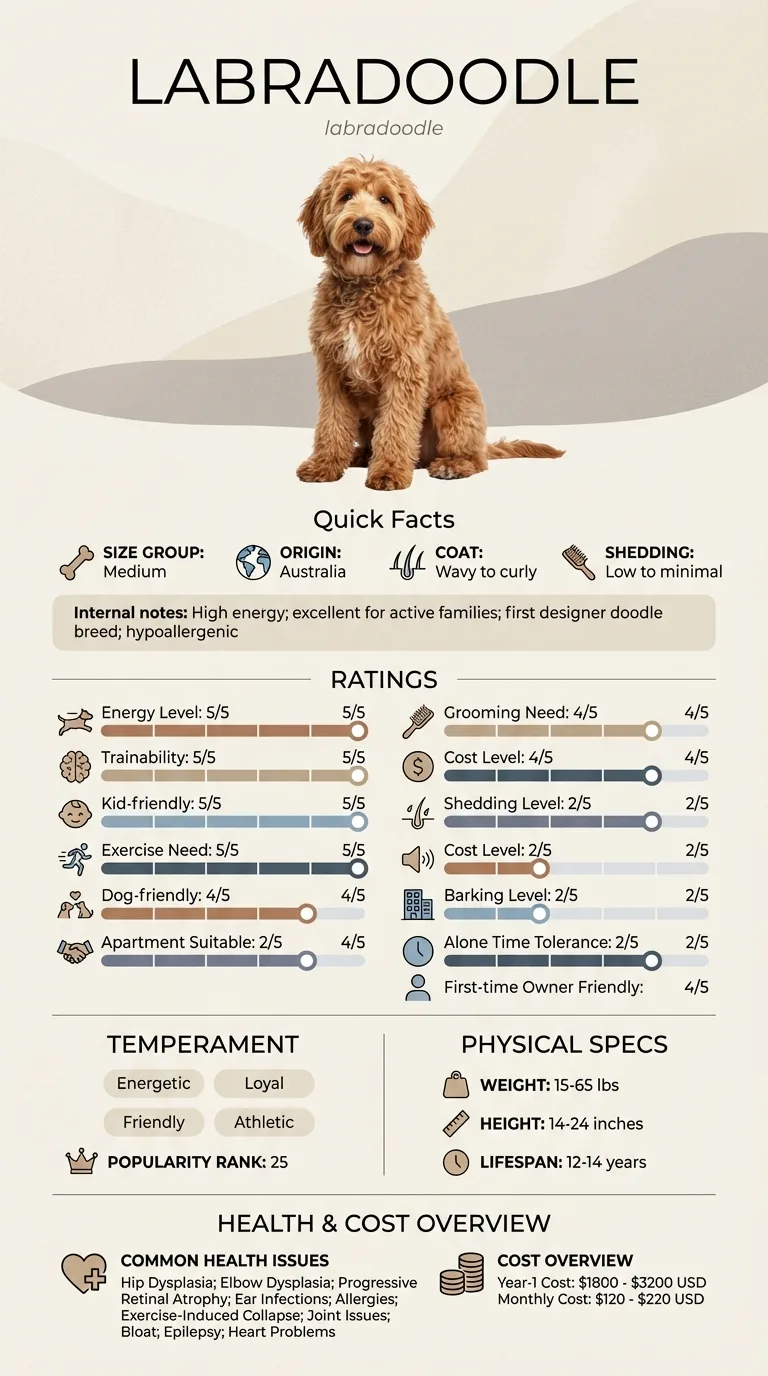
Many Labradoodle owners, especially first-time dog parents, may find themselves facing this issue. It's particularly challenging for families who want their dogs to thrive and enjoy their meals without discomfort.
This guide is not medical advice. If your dog shows pain, sudden behavior change, or worsening symptoms, consult a licensed veterinarian.
Some links may be affiliate links. We may earn a commission at no extra cost to you. We only suggest products we believe are helpful for dog owners.
We research and check what we publish, but we do not warrant that any figure, date, price, or statement is accurate, complete, or current, and we accept no liability for any loss, cost, injury, or other harm arising from the use of this site. Use it as one reference among several. You remain responsible for your own decisions and for your dog's care - confirm anything that matters with a licensed veterinarian or another qualified professional before you act on it. Full disclaimer.
Check this first
It's crucial to know when Labradoodle esophageal disease requires immediate veterinary attention. Certain red-flag signs indicate a serious issue that shouldn't be ignored. If your Labradoodle shows symptoms like excessive vomiting, difficulty swallowing, or signs of distress, call your vet right away. These signs can indicate severe complications that need urgent care.
On the other hand, if your Labradoodle occasionally coughs or gags without any severe signs, it may be manageable at home. Monitor their eating habits and make adjustments to their diet as needed. Keeping a close eye on any changes can help you catch issues before they escalate. If symptoms persist or worsen, consult your vet for guidance on how to stop Labradoodle esophageal disease effectively.
If any of these apply, call your vet or an emergency clinic now. The rest of this page is for the cases that are not an emergency.
Labradoodle esophageal disease can significantly impact your dog's daily life. This condition often leads to difficulty swallowing, regurgitation, and even discomfort after eating. If your Labradoodle seems hesitant to eat or frequently coughs after meals, it could be a sign of this issue.
Esophageal disease is notably more common in Labradoodles, presenting a 265% higher risk compared to other breeds. This means many Labradoodles face this challenge at some point in their lives.
Labradoodles may face esophageal disease due to their breed characteristics. Some Labradoodles have a genetic predisposition to conditions affecting their esophagus, which can lead to difficulty swallowing or regurgitation. Their medium size and energy levels can also contribute to digestive issues.
Environmental factors can worsen esophageal disease in Labradoodles. Stressful situations, such as loud noises or changes in routine, can increase anxiety and exacerbate swallowing issues. Additionally, feeding practices, like the speed of eating or the type of food, might also play a role.
If your Labradoodle shows persistent symptoms, such as regurgitation, coughing, or weight loss, it's essential to talk to your vet. They can conduct a thorough examination and provide guidance on treatment options for esophageal disease.
Understanding what not to do can help you support your Labradoodle better. Here are common mistakes that may worsen esophageal disease and safer alternatives to consider.
Start here: Labradoodle Most Common Genetic Disorders: Screening
See all Labradoodle health problems, which breeds are prone to esophageal disease, or the full Labradoodle breed guide for temperament, exercise needs and ownership costs.
Improvement can often be seen within a few weeks of consistent care and follow-up with your vet, but full management might take several months.
Success means your Labradoodle can eat comfortably without regurgitating food, and you have established a routine that supports their health.
Emily, a busy nurse in Chicago, adopted Max, a lively Labradoodle. Shortly after bringing him home, she noticed him struggling to eat, often regurgitating his food. Concerned, she learned that Labradoodles can be prone to esophageal disease. Emily consulted her vet, who recommended feeding Max smaller, more frequent meals and training him to eat slowly. With patience, Emily implemented these changes, and after a few weeks, Max's eating improved significantly. Now, he enjoys his meals without any issues, and Emily feels much more at ease.
Key takeaway: Understanding and adapting to your Labradoodle's needs can lead to better health and happiness for both of you.
Labradoodle esophageal disease can be caused by various factors, including genetic predispositions, improper eating habits, and underlying health conditions. If your Labradoodle frequently regurgitates food or shows signs of discomfort while eating, it's essential to consult your vet for a thorough evaluation.
To help your Labradoodle, consider feeding smaller, more frequent meals and using elevated bowls to promote better digestion. Additionally, maintaining a calm feeding environment can reduce anxiety and prevent regurgitation.
Symptoms of esophageal disease in Labradoodles can include regurgitation, difficulty swallowing, excessive drooling, and coughing. You might also notice your dog losing weight or seeming less energetic. If you observe any of these signs, it's essential to consult your vet promptly.
A specialized diet may be necessary for Labradoodles with esophageal disease. Soft, easily digestible foods can help minimize discomfort. Always consult your vet before changing your dog's diet.
Treatment options for Labradoodle esophageal disease depend on the severity and underlying causes. Your vet may suggest dietary changes, medications, or, in some cases, surgical intervention. Regular follow-ups are crucial for managing the condition.
Labradoodles may develop esophageal disease due to genetic factors or lifestyle habits. Certain breeds, including Labradoodles, can be more prone to this condition, making it important to monitor their eating habits and overall health closely.
If your Labradoodle shows signs of discomfort while eating, stop the meal immediately and consult your veterinarian. They can assess the situation and recommend appropriate steps to ensure your dog's health and comfort.
Yes, esophageal disease in Labradoodles can often be managed through dietary changes, medications, or in some cases, surgery. Your vet will recommend the best course of action based on your dog's specific condition. Early intervention is crucial for better outcomes.
While some health issues in Labradoodles may have a genetic component, esophageal disease is not solely hereditary. Factors such as diet, age, and overall health can influence its development. Regular check-ups can help monitor your dog's health and catch potential problems early.
Older Labradoodles may be more susceptible to esophageal disease due to age-related changes in their digestive systems. Additionally, older dogs might have other health issues that can complicate their condition. Always discuss your senior dog's symptoms with a vet for tailored advice.
If your Labradoodle has esophageal disease, opting for soft, easily digestible foods is often recommended. Your vet may suggest a specific diet or texture to help manage symptoms. Always follow your veterinarian's dietary recommendations to ensure your dog stays healthy.
Prevent Labradoodle esophageal disease by feeding smaller meals, using elevated bowls, and monitoring their eating habits closely.
If your Labradoodle regurgitates food, observe for other symptoms, and consult your vet if it occurs frequently.
Consult your vet about possible supplements that could support your Labradoodle's digestive health, especially if they have esophageal disease.
Common signs include difficulty swallowing, regurgitation, and excessive drooling. If you notice these, consult a veterinarian.
Yes, behavior training can help your Labradoodle develop better eating habits and reduce anxiety around mealtime.
A one-page prep sheet for this condition: the signs, the questions to ask, what to get priced. Unlocks here.
You get: Vet visit prep sheet
No spam. One-click unsubscribe. See our privacy policy.
Preview page 1 before you decide.